


Rosewood Marquetry Display Stand
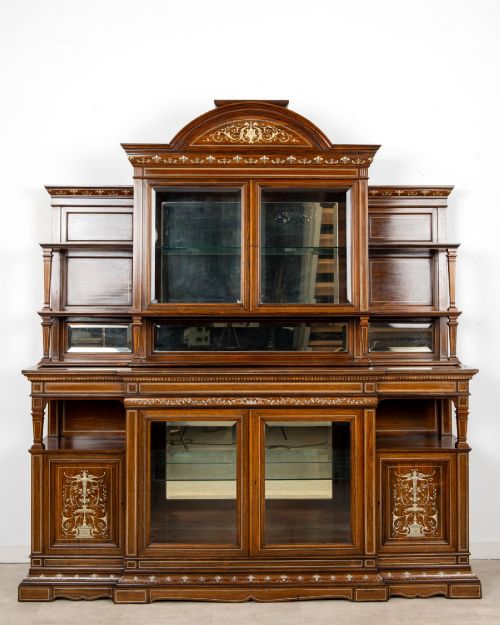
A rosewood marquetry display stand combines intricate floral veneers with rich timber, offering a classic surface to exhibit small treasures.
Rosewood Marquetry Display Stand
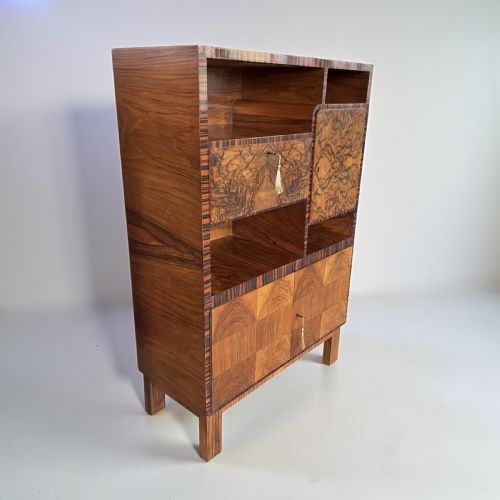
A rosewood marquetry display stand encompasses a range of refined furniture forms designed to show off decorative objects, from multi-tiered etageres and tabletop vitrines to corner cabinets and music cabinets. These pieces date predominantly from the nineteenth century, including Victorian and Edwardian periods, alongside French Napoleon III, Louis XV style, and Art Deco examples.
The versions most commonly met on this page are etageres and display cabinets executed in rich rosewood, frequently enhanced with contrasting wood inlays and brass or ormolu mounts. Makers and workshops from both English and French traditions produced these items, employing revival styles that span French Rococo, Sheraton, and general continental tastes.
How they were made
Craftsmen built these display stands using a robust timber carcass veneered in figured rosewood, complemented by secondary woods such as walnut, satinwood, and kingwood for contrast. Marquetry decoration involved cutting delicate floral and geometric motifs from thin sheets of dyed and natural hardwoods, which were then fitted precisely into the primary surface.
Fine metalwork played an integral structural and decorative role, with cast ormolu and brass mounts framing glass doors, edging shelves, and protecting vulnerable corners. Glass panels were integrated into doors and sides for vitrines and display cabinets, while tier tables and etageres relied on slender turned or fluted uprights to support multiple open levels.
Music cabinets share shelf space with vitrines, proving that nineteenth-century collectors loved hiding their sheet music beneath floral marquetry.
What varies in quality
The sophistication of the marquetry work forms a primary distinction between ordinary examples and the finest pieces, with complex, multi-coloured floral compositions requiring immense skill from the artisan. The choice and figuring of the rosewood veneer, along with the selective use of complementary timbers like satinwood and kingwood, dictate the visual depth of the surface.
Hardware and metal mounts also signal the tier of production, where heavy, finely chased ormolu or crisp brass detailing elevates a cabinet beyond standard commercial output. Attribution to notable makers or documented workshops adds a layer of distinction, reflecting superior standards of joinery and proportion.
Collinson & Lock·Edwards & Roberts·Donald Ross
The Rosewood Marquetry Display Stand Glossary
- Marquetry
- Decorative veneer work forming pictures or patterns by assembling small pieces of coloured wood, shell, or ivory. This technique creates intricate floral or geometric designs across the surface of the cabinet.
- Etagere
- A piece of furniture consisting of a set of open shelves for displaying small objects. These tiered stands allow items to be viewed from multiple angles.
- Ormolu
- Gilded bronze mounts and decorative trimmings applied to furniture. It provides a bright metallic contrast to dark rosewood timbers.
- Vitrine
- A glass-panelled cabinet designed specifically for exhibiting curiosities and fine porcelain. The glazed sides and door protect contents while maximising light exposure.
- Tazza
- A shallow bowl or shallow ornamental vase raised on a stem and foot. In this context, such pieces appear mounted on dedicated stands.
Rosewood Marquetry Display Stand: Frequently Asked Questions
What is a rosewood marquetry display stand?
A rosewood marquetry display stand is a decorative nineteenth-century furniture piece featuring detailed wood-inlaid patterns designed to hold and exhibit ornaments.
These items range from open multi-tiered etageres to glazed corner cabinets and tabletop vitrines.
How were these stands used originally?
Original owners utilised these cabinets and etageres in drawing rooms and parlours to showcase imported porcelain, small bronzes, and valued curiosities.
The open tiers and glass panels allowed guests to admire delicate collections while keeping them protected from dust.
How do I identify French influence?
French influence appears through curved cabriole legs, exuberant ormolu mounts, and classical revival styles such as Louis XV and Napoleon III.
Maker attributions and continental proportions also distinguish these pieces from stricter English geometric designs.
Where should I place an etagere?
An etagere suits corners or wall spaces where natural light can highlight the inlaid rosewood surfaces and tiered display objects.
Avoid placing delicate veneered furniture in direct sunlight or beside active heat sources to protect the wood.