
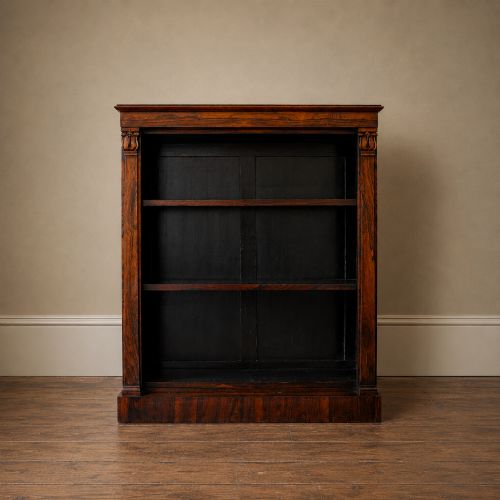
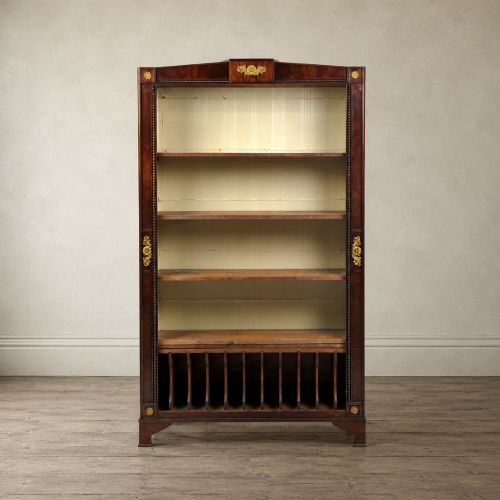
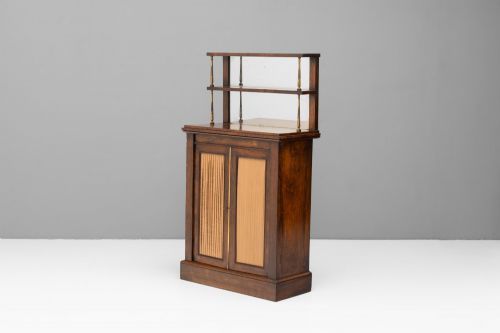
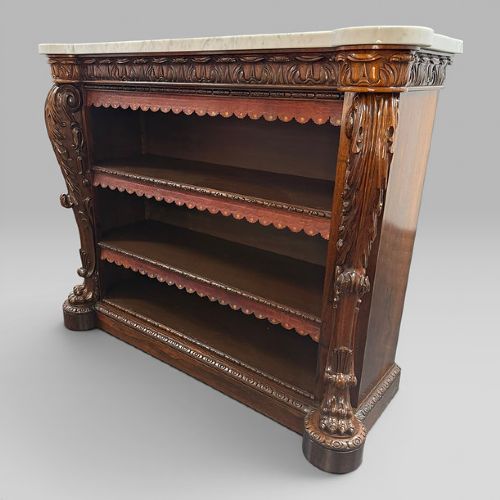
Rosewood Cabinet with Shelves
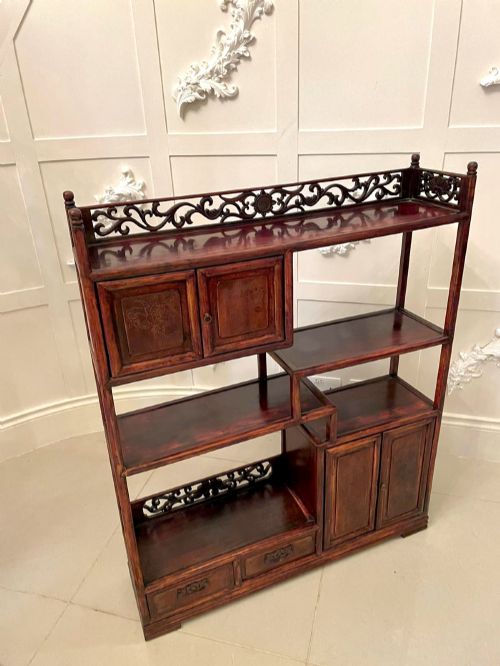
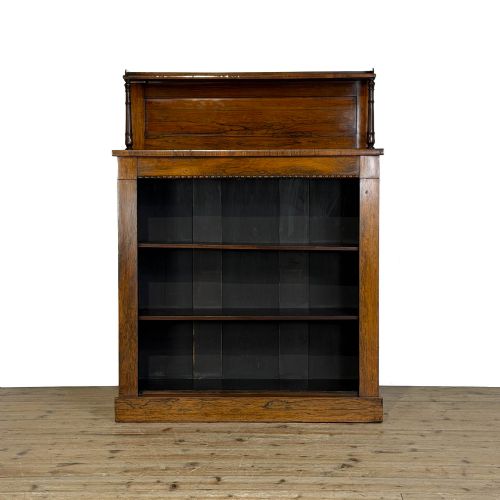
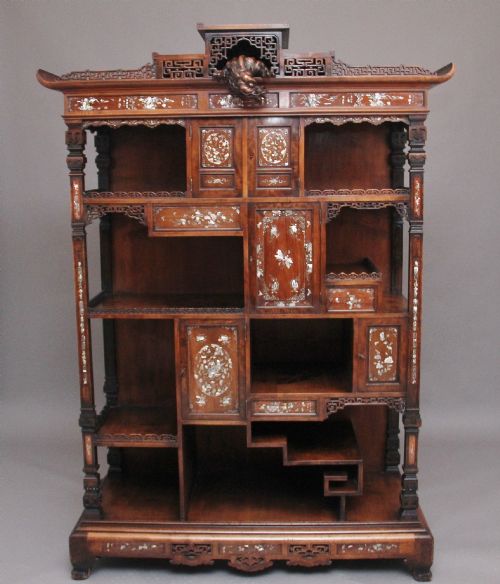
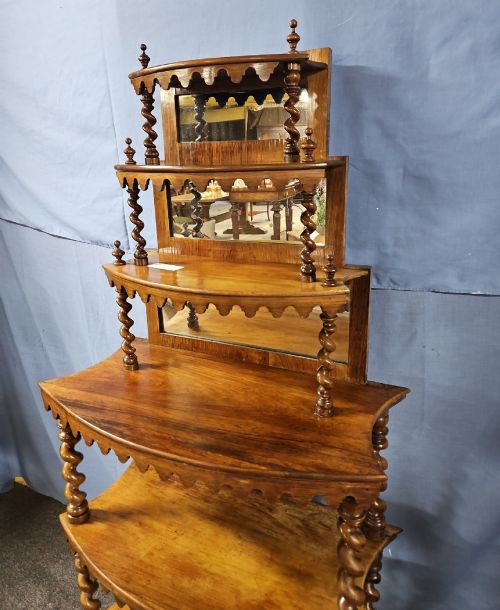
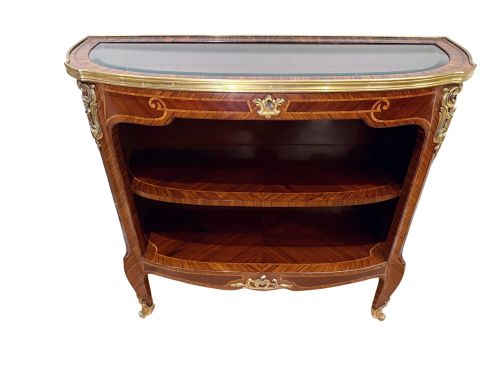
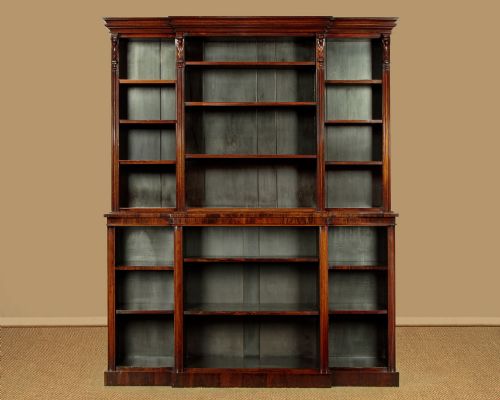
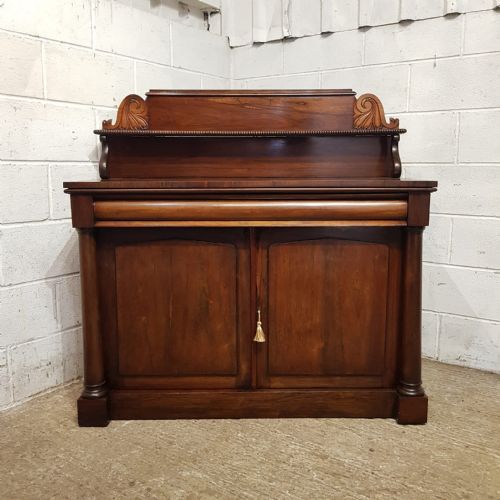
These rosewood cabinet with shelves pieces bring rich timbers and practical open or enclosed storage into a room.
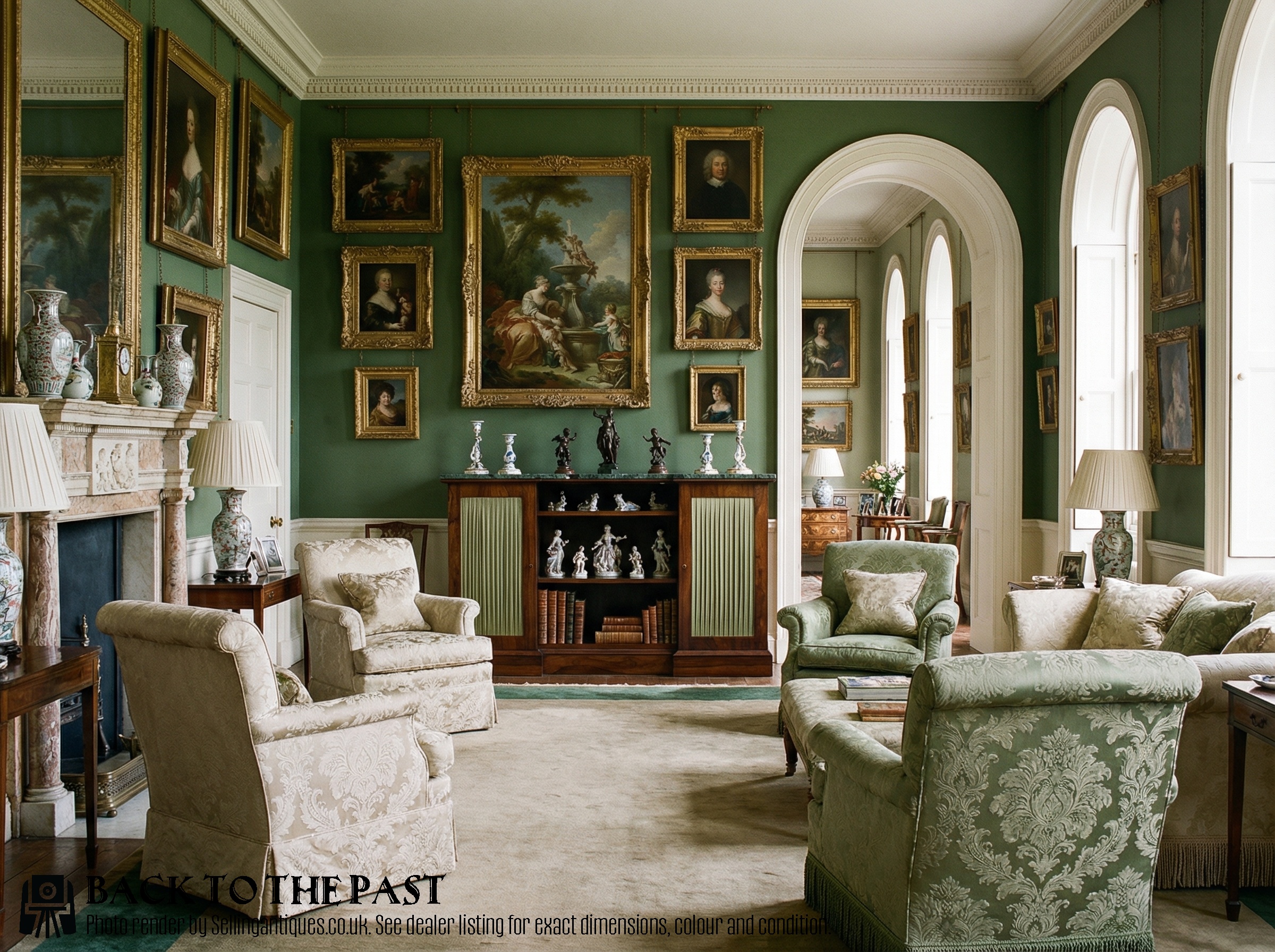
Rosewood Cabinet with Shelves
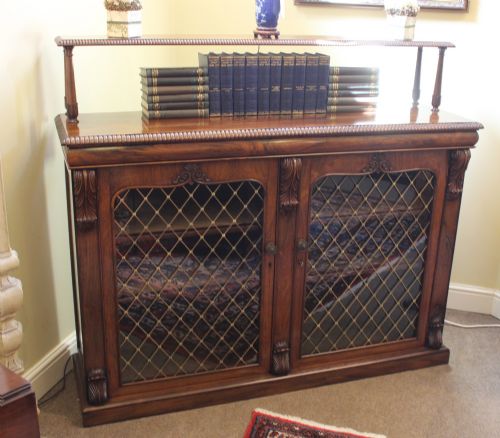
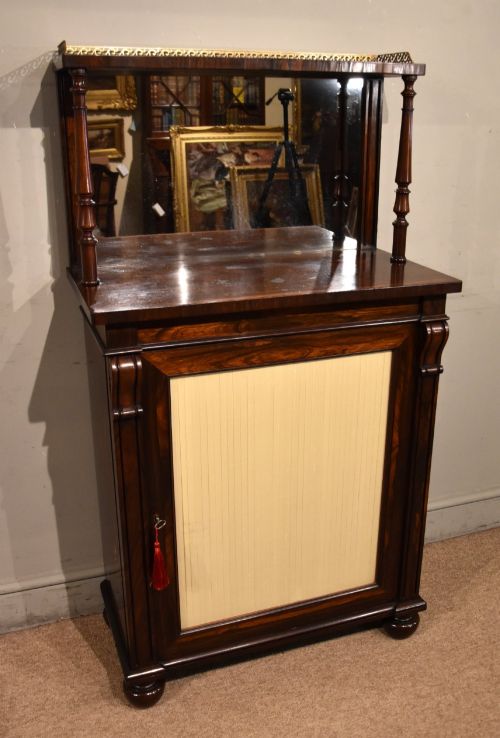
The chiffonier emerges as the most frequent form meeting the eye within these listings, often featuring lower enclosed storage paired with upper display space. Pieces span from the early nineteenth century through to the late nineteenth century, including revival expressions such as Louis XV style and Grand Regency examples.
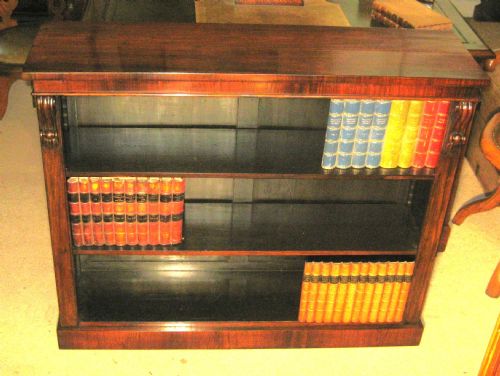
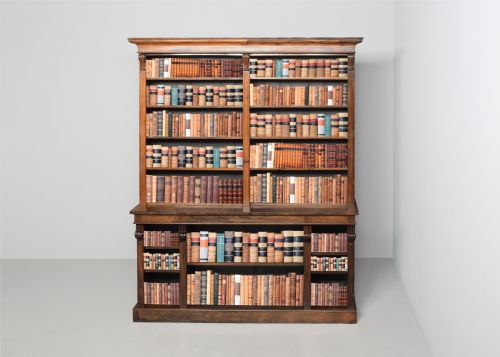
Makers and cabinetmakers of the past utilised these forms for displaying books, china, and decorative objects in principal reception rooms. The integration of adjustable shelving, glazed vitrine tops, and marble surfaces distinguishes many of the surviving examples.
How they were made
Construction relies upon solid timber foundations overlaid with figured rosewood veneer, sometimes enhanced by simulated graining or painted finishes. Carcasses frequently incorporate secondary timbers such as softwood alongside the dense primary wood.
Ornamentation involved meticulous brass inlay, ormolu mounts, and parcel gilt highlights, reflecting the high standards of nineteenth-century cabinet work. Interior elements sometimes include fabric linings, leather details, and adjustable wooden or glass shelves supported by traditional ratchets or peg systems.
Some nineteenth-century bookcases feature leather dummy books on the shelves, providing the visual weight of a library without the actual weight of literature.
What varies in quality
Quality reveals itself in the selection and bookmatching of the rosewood veneers, where grain patterns flow evenly across doors and drawer fronts. Superior examples display crisp brass marquetry, finely chased ormolu mounts, and robust internal carcase construction without warping.
John McLean
The Rosewood Cabinet with Shelves Glossary
- Chiffonier
- A low cabinet, popular in the Regency and Victorian eras, typically featuring enclosed lower cupboards and open or shelved upper sections. They served as serving surfaces and display areas in dining rooms and parlours.
- Ormolu
- Gilded bronze mounts applied to furniture for decorative effect during the eighteenth and nineteenth centuries. The technique involves applying a mercury and gold amalgam to cast bronze.
- Veneer
- A thin slice of figured rosewood applied to a stable secondary wood foundation to create decorative exterior surfaces. This method allowed craftsmen to display striking grain patterns economically.
- Vitrine
- A glass-fronted display cabinet designed for showing porcelain, books, or small objects of vertu. These units protect delicate items from dust while permitting all-round visibility.
- Cartonnier
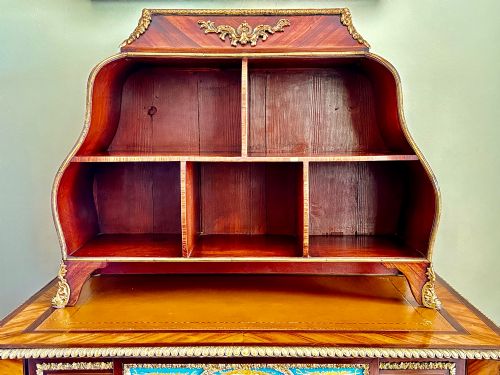
- A desktop cabinet fitted with tiers of pigeonholes or drawers for storing papers and documents. Such pieces often incorporate leather labels and fine mounts.
Rosewood Cabinet with Shelves: Frequently Asked Questions
What is a rosewood chiffonier?
A chiffonier is a low cabinet featuring lower cupboard doors and upper shelves designed for display and storage.
Craftsmen built these pieces extensively during the Regency and Victorian periods for drawing rooms and dining spaces.
Are the shelves adjustable?
Many examples include adjustable shelving systems using traditional wooden supports or metal pins.
This adaptability allowed owners to accommodate books of varying heights within the same cabinet.
How do I date a cabinet?
Dating relies upon stylistic markers, construction methods, and materials such as brass inlay or marble tops.
Regency and Georgian pieces generally show lighter proportions, while Victorian items often appear heavier and more robust.
Where should I place it?
These cabinets suit principal reception rooms, studies, or hallways where books and decorative objects require display.
Placing them away from direct sunlight protects the rosewood veneer from fading over time.