


Romantic Era Landscape Artwork
Romantic era landscape artwork captures the dramatic moods and sweeping vistas of the natural world through oil and watercolour.
Romantic Era Landscape Artwork
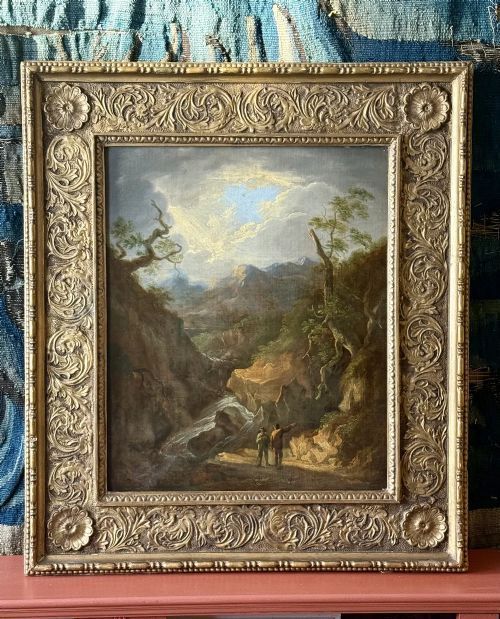
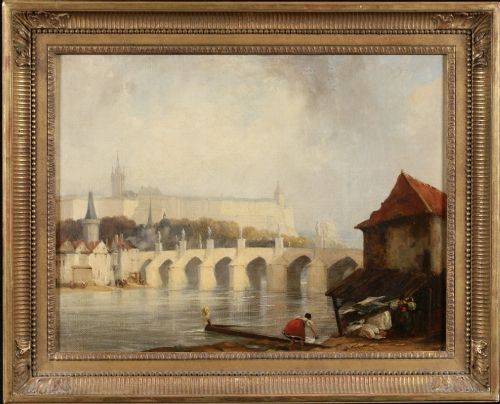
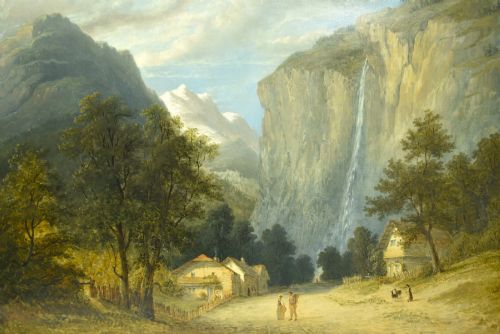
Romantic era landscape artwork brings together dramatic views of mountains, coastal scenes, and historical ruins from the nineteenth century. Buyers searching this phrase meet oil paintings on canvas and delicate watercolours on paper depicting subjects from Swiss waterfalls to Scottish abbeys.
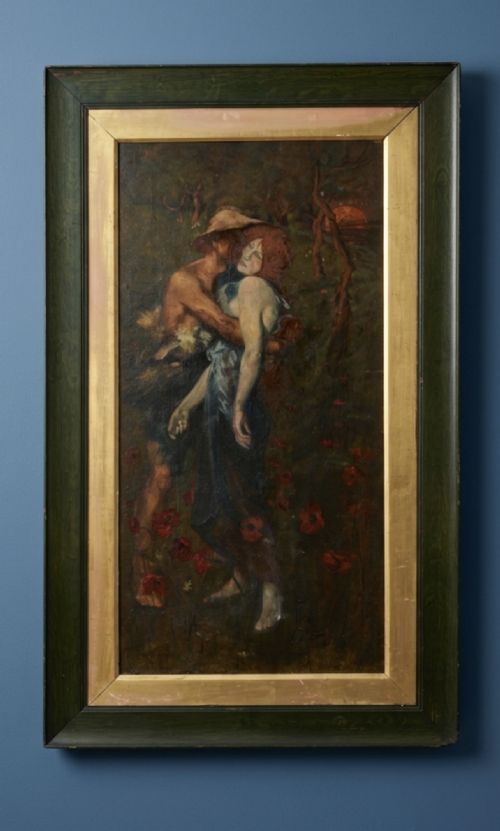
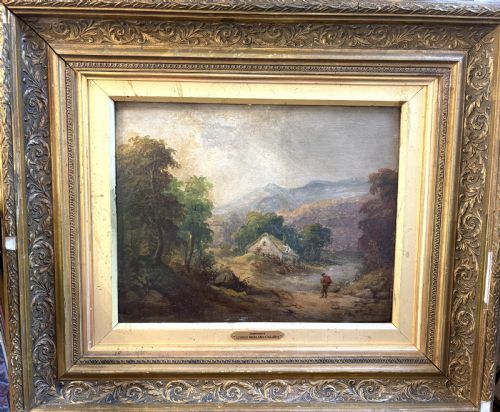
The works span the Georgian and Victorian periods, showcasing pastoral settings, stormy seascapes, and intimate figures within vast terrain. Many pieces arrive housed in their original giltwood and gesso frames.
Continental and British schools dominate these selections, ranging from unsigned studies to attributed works by period painters. Each piece reflects the nineteenth-century fascination with the untamed power and serene beauty of nature.
Materials and methods of creation
Artists of this period primarily utilised oil on canvas or board, alongside delicate watercolours on paper for lighter atmospheric studies. Canvas supports were stretched over wooden frames, whilst charcoal occasionally served for dramatic monochromatic compositions.
Giltwood and moulded gesso frames provided the traditional housing for these paintings, adding weight and decorative depth to the wall art. These gilded surrounds often feature original patination that marks their nineteenth-century origins.
Expect encounters with thirsty farmers, fighting dogs, and ponies grazing near coastal waters amid the mountain peaks.
Distinctions in quality and execution
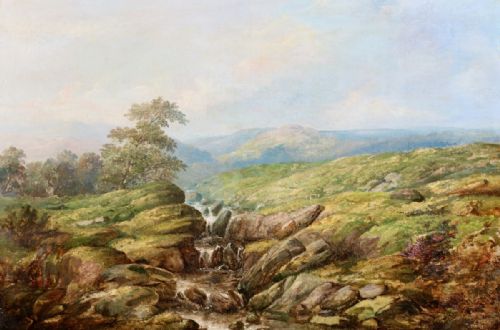
Quality rests upon the handling of light, atmospheric depth, and the naturalistic rendering of water, foliage, and stone. Superior examples demonstrate confident brushwork that conveys movement in clouds or surging waterfalls.
The preservation of the original giltwood frame and the stability of the canvas or paper support significantly influence the standing of a piece. Works retaining their initial unrestored surface retain greater integrity.
Benjamin Barker Of Bath·George Morland·Eugene Joseph Verboeckhoven·Abraham Hulk Snr·Frederick Richard Lee·James Ward·Julius Caeser Ibbetson
The Romantic Era Landscape Artwork Glossary
- Giltwood
- Wood carved and covered with a thin layer of gold leaf. It forms the decorative borders characteristic of nineteenth-century frames.
- Gesso
- A plaster mixture applied to wooden frames as a base for gilding. It allows for intricate moulded relief work.
- Pastoral
- A style of art depicting rural life and peaceful countryside scenes. These compositions often include figures, sheep, or cattle.
- Provenance
- The documented history of ownership of a work of art. It helps establish attribution and authenticity.
Romantic Era Landscape Artwork: Frequently Asked Questions
What periods do these artworks cover?
The listings encompass nineteenth-century works spanning the Georgian, Victorian, and Edwardian eras. Dates stretch from the late eighteenth century through to the early twentieth century.
Most pieces originate from the mid to late nineteenth century, reflecting the height of romantic landscape painting across Britain and the continent.
What materials are used in these paintings?
Artists employed oil paint on canvas and board, alongside watercolours on paper. Charcoal also appears in specific dramatic marine works.
Frames are constructed from wood, finished with gesso and gilt decoration to complement the pastoral or mountainous scenes.
How do I identify a continental school painting?
Continental school works often depict specific European geography such as Swiss waterfalls, Austrian lakes, or Dutch coastal shipping scenes. These subjects contrast with typical British rural views.
Stylistic cues in the handling of light and architectural ruins like Prague Castle further distinguish continental pieces from domestic counterparts.
Are these paintings in original frames?
Several selections retain their original giltwood and gesso frames from the nineteenth century. These frames show period construction methods and matching patination.
Unsigned and attributed works alike frequently preserve their historic housings, providing a complete historical object.