





Brown River Oil Painting
A brown river oil painting captures moving water and earthy banks through rich pigment, offering a timeless window into historic waterways.
Brown River Oil Painting
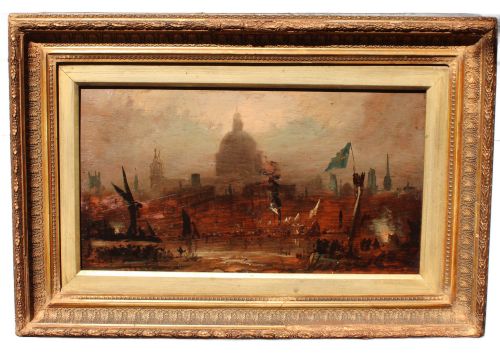
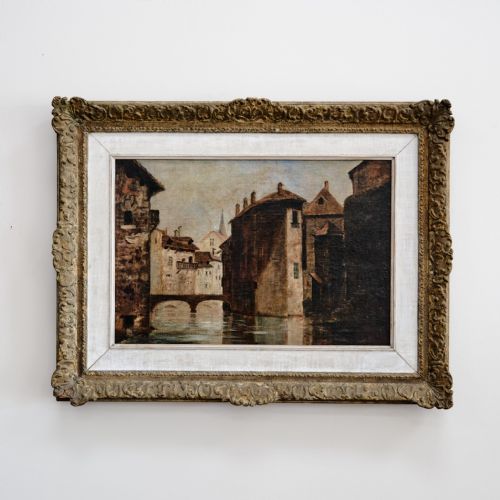
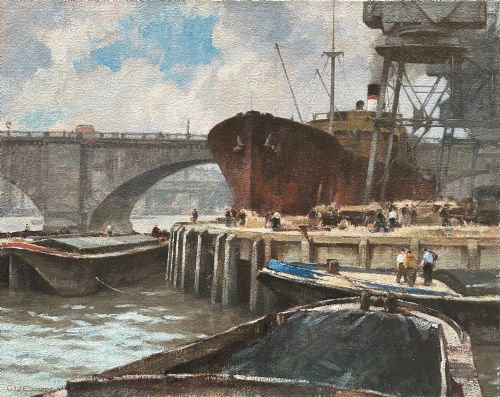
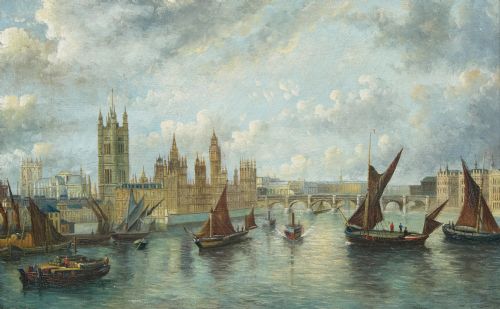
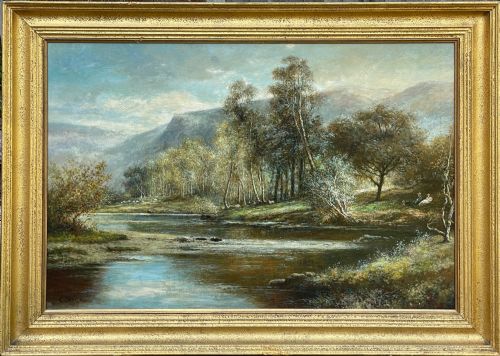
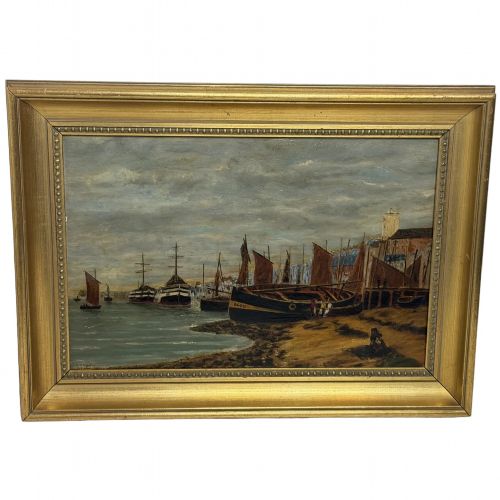
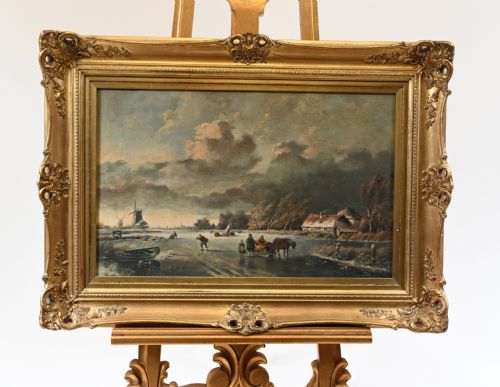
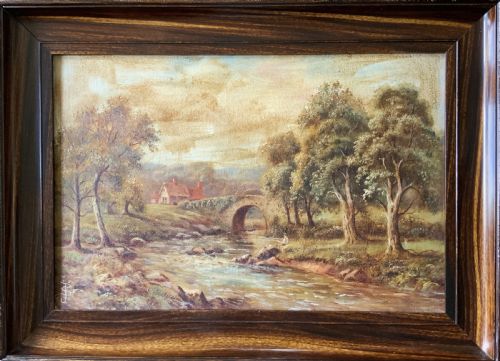
A brown river oil painting depicts natural waterways, bridges, and pastoral landscapes rendered with rich, earthy palettes. These works capture specific topographical scenes ranging from quiet country streams to bustling industrial rivers.
The selections available here span from the early nineteenth century through the mid-twentieth century, encompassing Victorian naturalism and British impressionism. Many pieces feature identifiable British and continental river locations, executed on canvas, wood panel, or board.
Materials and Technique
Artists built these works utilising oil paint applied to stretched canvas, wooden panels, or supporting boards. Pigments were manipulated with brushes and sometimes laid over preliminary sketches to establish depth in the water and foliage.
Certain works incorporate gilt or gold leaf within original frames, while structural alterations such as canvas laid onto board reflect period conservation methods.
The listings span from the eighteenth century to the mid-twentieth century, featuring oil on canvas, wood panel, and board.
Factors of Quality
The distinction between standard works and finer examples lies in the dexterity of brushwork and the handling of atmospheric light upon the water. Superior pieces demonstrate confident mark-making that conveys movement and texture within the landscape.
Provenance and attribution also influence standing, particularly works connected to recognised regional schools or documented painters rather than anonymous studio output.
Kenneth Cozens·Frederick Marriott·Albert Bierstadt·John Macvicar Anderson·Sydney Yates Johnson·John Horace Hooper·John Ferneley Senior·John Constable·Ron Folland·Owen Bowen·William Sydney Cooper·Edward Henry Eugene Fletcher·William Mellor·John Wright Oakes·Fred Stead·William Manners·William Traies·George Lambert·John Syer Junior·Frederick Richard Lee·Henry Birtles·Ernest Higgins Rigg
The Brown River Oil Painting Glossary
- Canvas
- A closely woven fabric stretched across a wooden frame to serve as a painting surface. It provides flexible tension well suited for retaining oil pigment.
- Oil paint
- A slow-drying medium composed of pigments suspended in a drying oil such as linseed. This medium allows artists to blend tones and build rich surface textures.
- Wood panel
- A rigid wooden support utilised by painters prior to the widespread adoption of canvas. Panels offer a stable ground for detailed brushwork.
- Gilt
- A thin layer of gold applied to the surface of a picture frame or object for decorative effect. It enhances the visual presentation of the artwork.
- Impressionism
- An artistic style characterised by relatively small, thin yet visible brush strokes and an emphasis on accurate depiction of light. It emerged in the nineteenth century to capture momentary visual experiences.
Brown River Oil Painting: Frequently Asked Questions
What subjects appear in these paintings?
The compositions frequently display British and continental waterways, encompassing rural streams, bustling merchant bridges, and quiet rural banks.
Artists often integrated figures such as fishermen, drovers, and children alongside barges and historic mills to animate the scenery.
How should I clean an oil painting?
Surface dust can be gently removed using a soft, dry natural-bristle brush without applying pressure to the pigment.
Chemical cleaners and water should be avoided entirely to prevent moisture damage and lifting of the historic oil layers.
How do I identify the period of a canvas?
Dating relies upon examining the preparation of the canvas, the construction of the stretcher frame, and stylistic markers of the brushwork.
Inscribed signatures, exhibition labels, and titled stretchers on the reverse often provide direct evidence of the creation date.
Where should I hang a landscape?
These works suit domestic spaces with stable humidity levels away from direct sunlight and strong heat sources.
Pairing the piece with traditional wall colours enhances the earthy tones characteristic of nineteenth-century river scenes.