
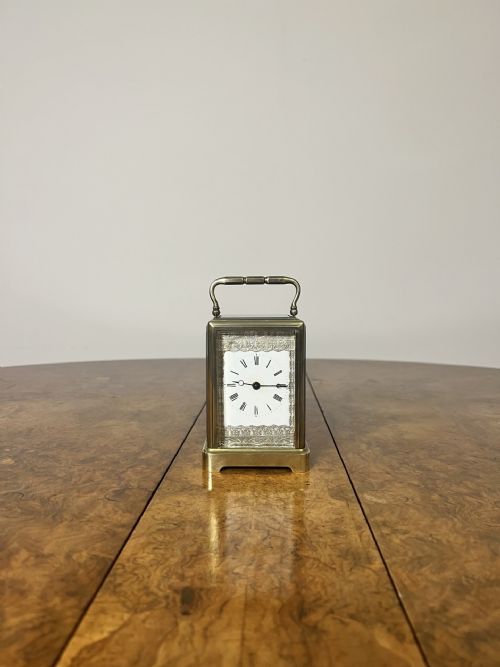
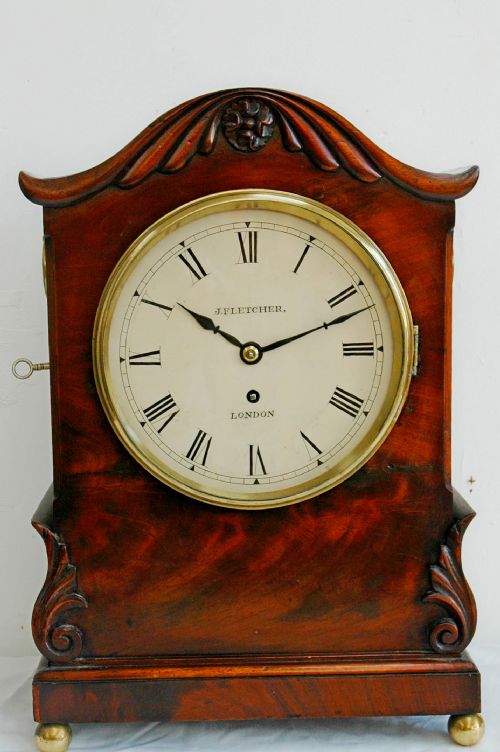


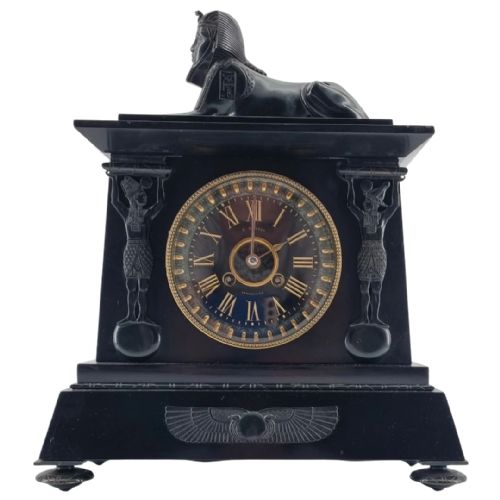
Roman Numeral Mantel Clock
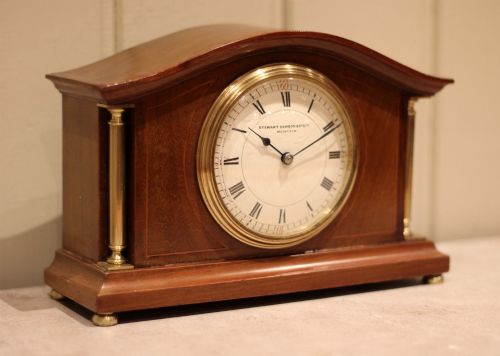
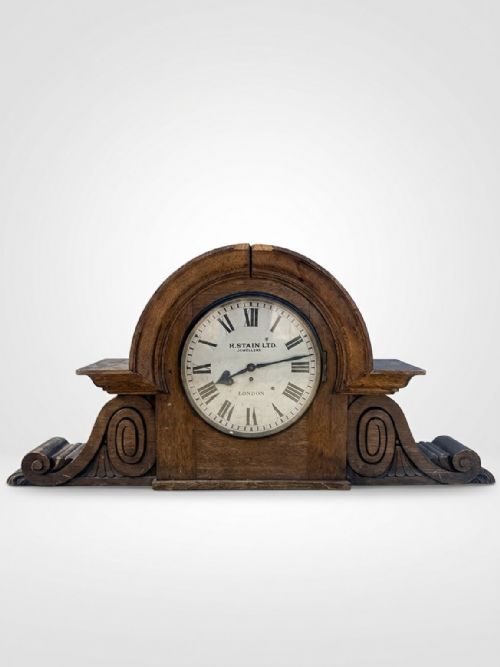
A roman numeral mantel clock sits quietly on a shelf, grounding a room with steady brass work and legible dials.
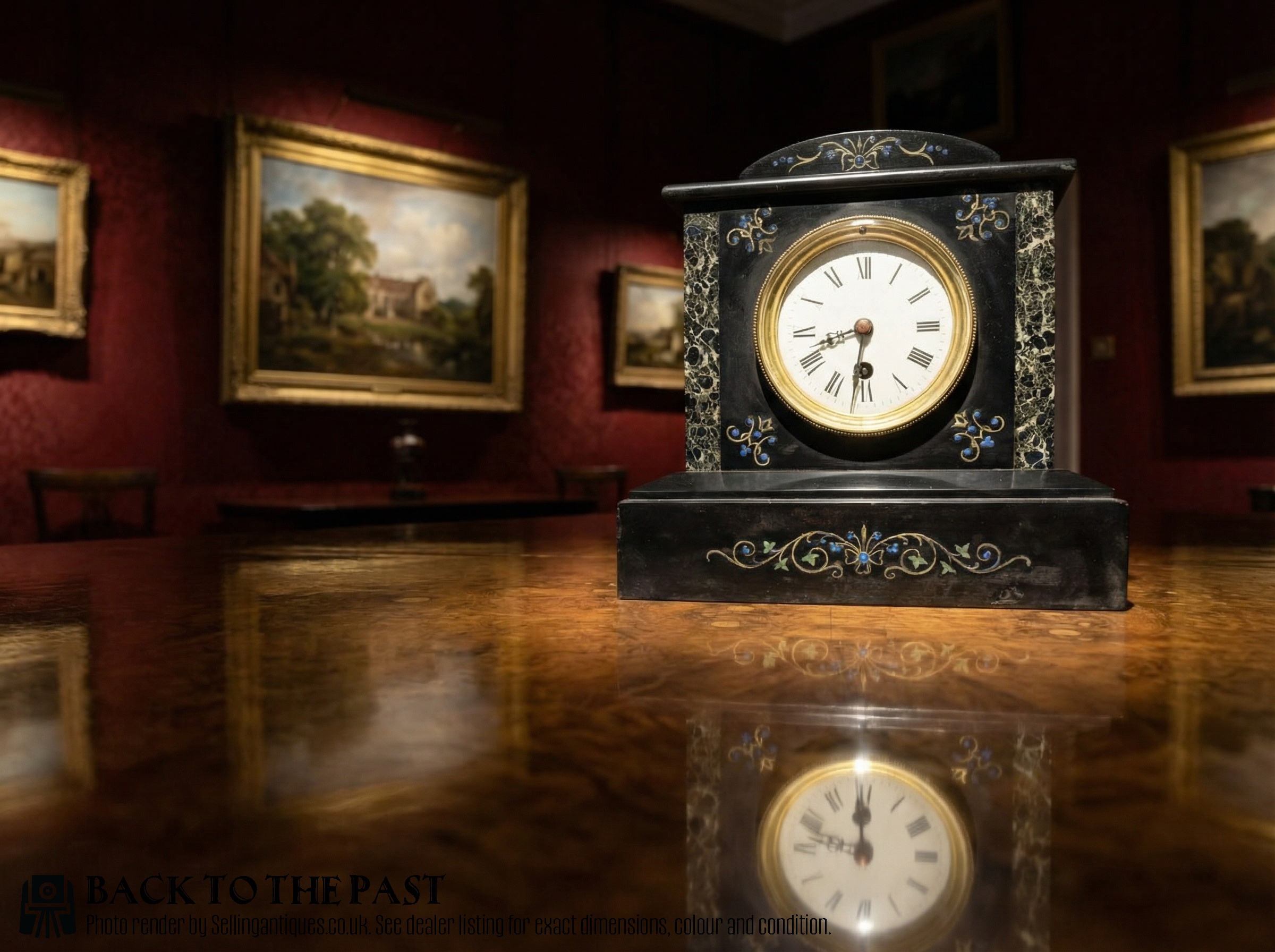
Roman Numeral Mantel Clock
A roman numeral mantel clock is a portable timekeeper designed for domestic display on a fireplace shelf, table, or bracket. These pieces span periods from the Regency era through to the mid twentieth century, with Edwardian and Victorian examples appearing frequently.
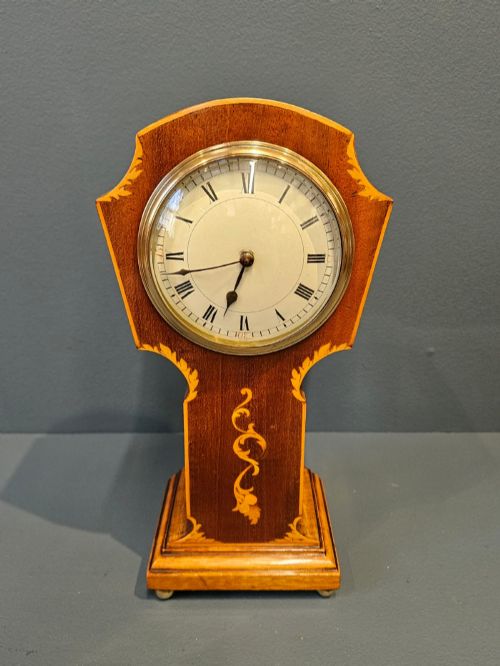
The objects take various forms including bracket clocks, carriage clocks, desk clocks, and balloon shaped mantel clocks. Most feature prominent dials marked with traditional numeric symbols to tell the hour.
Makers and retailers such as Garrards, Henry Marc, and Connell of London produced these domestic timepieces in woods like mahogany, walnut, and oak, alongside brass and marble housings.
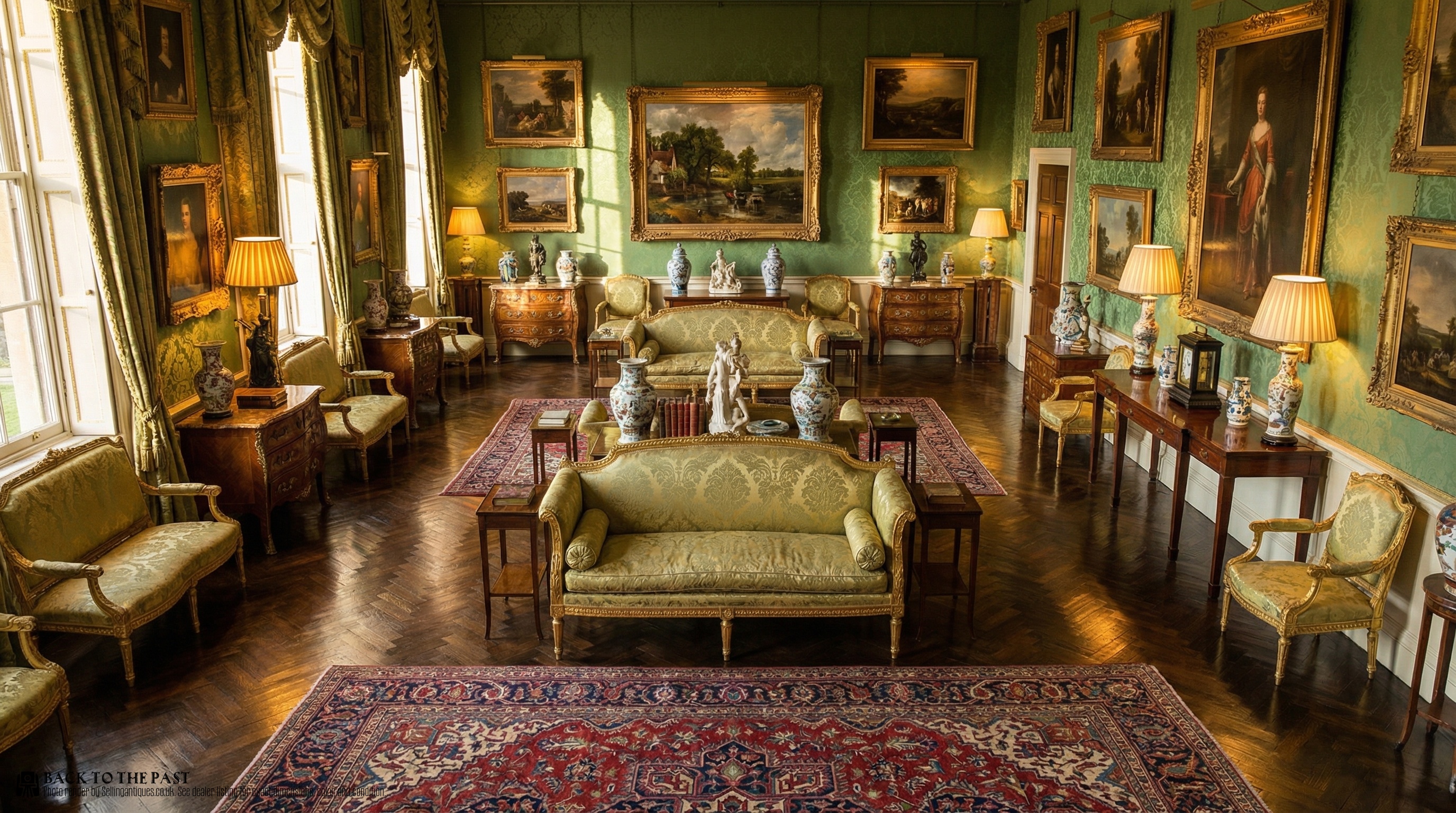
Materials and construction
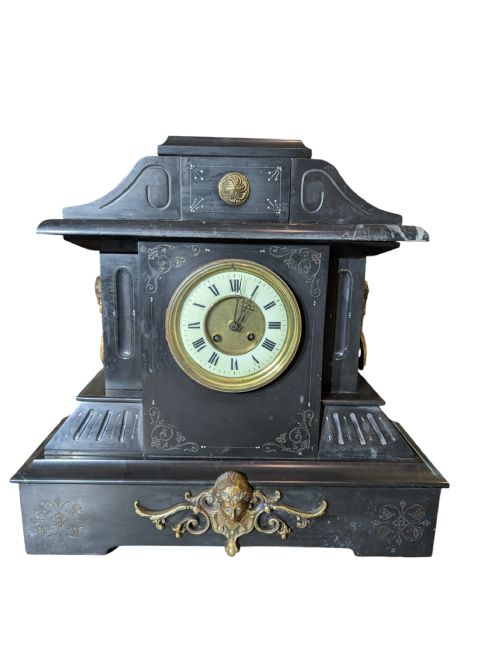
Casework relies heavily on timbers like mahogany, walnut, oak, and ebonised wood, often enhanced with marquetry or delicate inlay. Heavier architectural pieces utilise black marble and white marble for solid presence.
Dials incorporate crisp enamel faces marked with dark characters, paired with protective glass bezels and brass or silvered mountings. Movement housings deploy precision brass mechanisms designed for bell striking or simple timekeeping.
Roman Numeral Mantel Clock Retail Price Guide 2026
Typical asking prices for roman numeral mantel clock among the pieces listed under this phrase on Sellingantiques today, from the lower quarter to the upper quarter. They describe what is for sale here now, not the wider market.
Listings feature clocks spanning the Regency period through to 1960, constructed in mahogany, walnut, oak, marble, and brass.
Factors of quality
Superior examples demonstrate refined cabinetmaking through figured wood veneers, precise marquetry, and clean brass fittings that retain their original finish. The integration of named maker signatures on dials or movements elevates a piece.
Proportion and material weight dictate overall presence, moving from simpler timber timepieces to substantial marble housings or intricate carriage clock constructions.
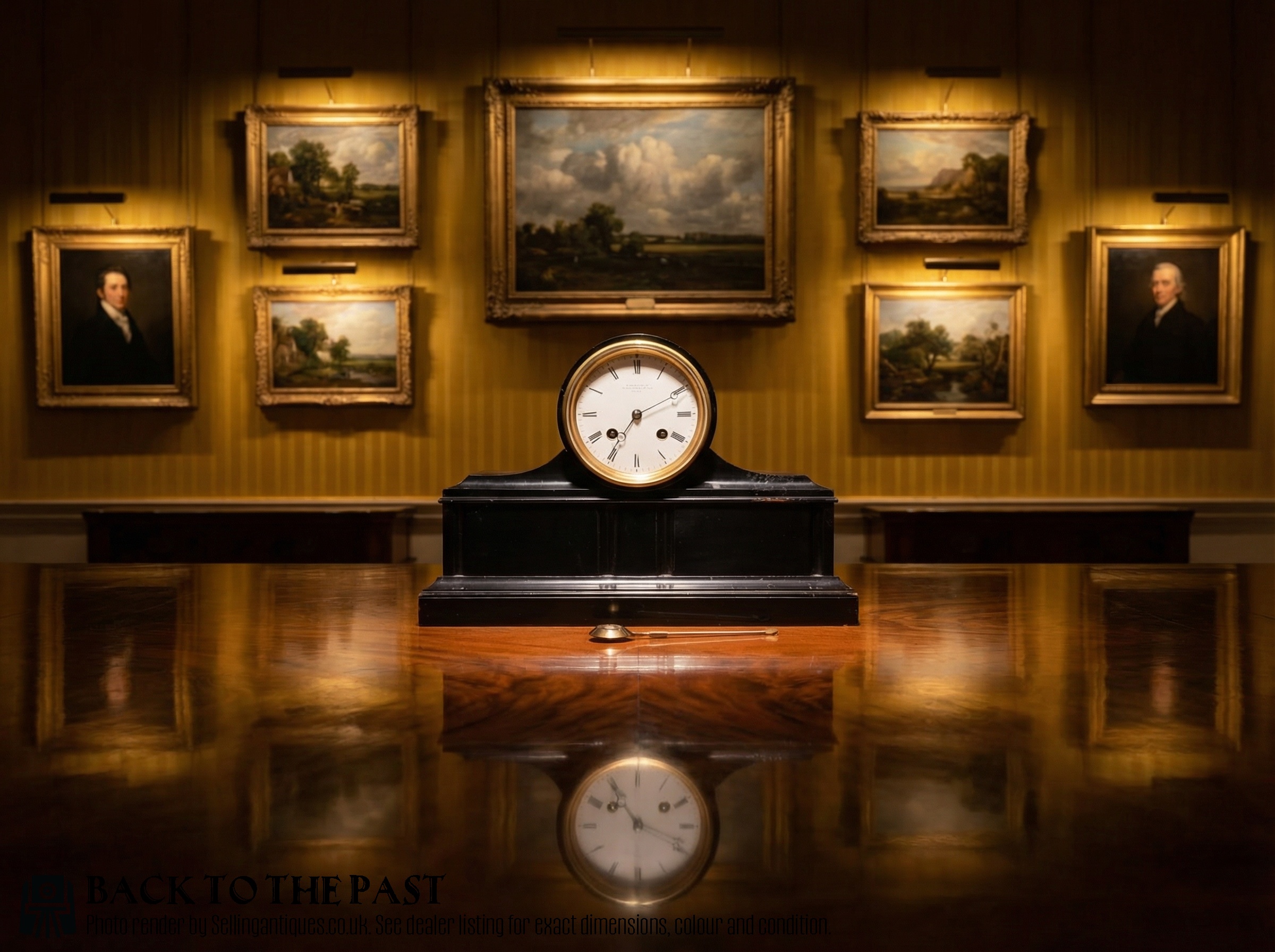
Garrards·Henry Marc·Connell of London·D Munsey of Cambridge·Jas Whitelaw of Edinburgh·Perigal and Duterrau·Baldwin of Loughborough
The Roman Numeral Mantel Clock Glossary
- Bracket clock
- A portable domestic clock originally designed to sit upon a wall bracket. They typically feature fine timber casework and handle fittings.
- Carriage clock
- A small, spring driven timekeeper with a glass panelled brass case and a folding handle above. They were originally built for travel.
- Timepiece
- A clock mechanism that measures and indicates the time without a striking train for hours or quarters. It requires only a winding for the going train.
- Ebonised wood
- Timber treated with a dark finish to imitate expensive ebony. This technique appears on Victorian mantel clocks for stark contrast against dials.
Roman Numeral Mantel Clock: Frequently Asked Questions
How do I wind my mantel clock?
Most mechanical clocks utilise a dedicated key inserted into the dial face to tension the internal springs. Care must be taken not to overwind the mechanism.
Consulting the specific movement requirements ensures the timepiece maintains accurate momentum without placing undue stress on the internal brass gears.
Where should I place a bracket clock?
Bracket clocks suit sturdy horizontal surfaces such as mantelpieces, sideboards, or dedicated wall shelves. A stable foundation keeps the pendulum or balance wheel beating evenly.
Avoid positioning clocks in areas subject to excessive vibrations or direct temperature fluctuations from heating sources.
What is the difference between a carriage clock and a mantel clock?
Carriage clocks are compact brass and glass timepieces featuring integrated carrying handles designed originally for travel. Mantel clocks are larger, heavier architectural pieces built for stationary domestic display.
Materials also differ, with carriage clocks favouring polished brass cases while mantel clocks frequently utilise mahogany, walnut, or marble.
How can I identify an Edwardian clock?
Edwardian timepieces often display lighter mahogany timbers with delicate string inlay and classical proportions. Dials typically feature clear enamel faces with crisp roman numerals under glass.
Comparing the woodwork style and dial typography against documented examples from the period helps confirm the date of manufacture.