



Roman Bust Sculpture
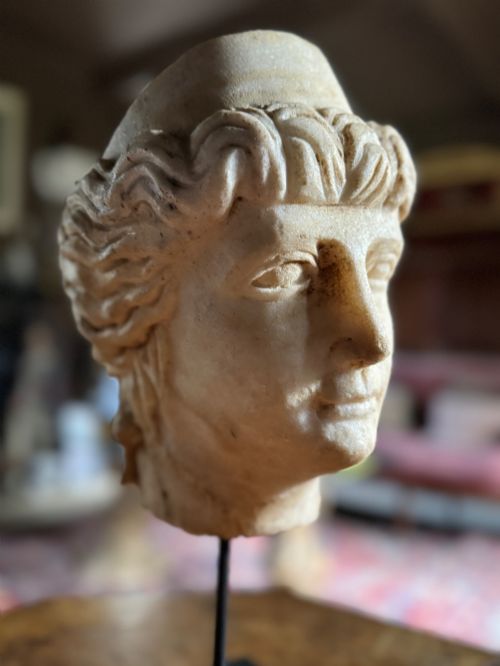
A roman bust sculpture brings classical antiquity indoors, offering sculpted marble, bronze, and stone likenesses of emperors, gods, and philosophers.
Roman Bust Sculpture
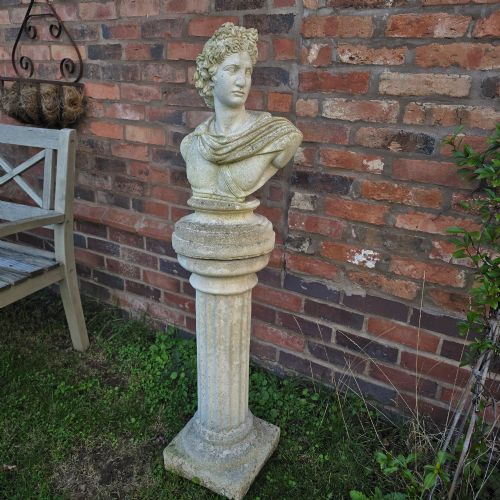
A roman bust sculpture captures classical figures like Julius Caesar, Augustus, and Marcus Aurelius, alongside mythological deities and philosophers. These works appear in forms ranging from monumental library pieces to Grand Tour souvenirs and garden statuary.
The selections span several centuries, with nineteenth-century neoclassical and Grand Tour interpretations appearing alongside earlier seventeenth- and eighteenth-century marble carvings and pre-sixteenth-century glass paste works. Buyers most frequently encounter nineteenth-century bronze and stone depictions of Roman emperors and historical personages.
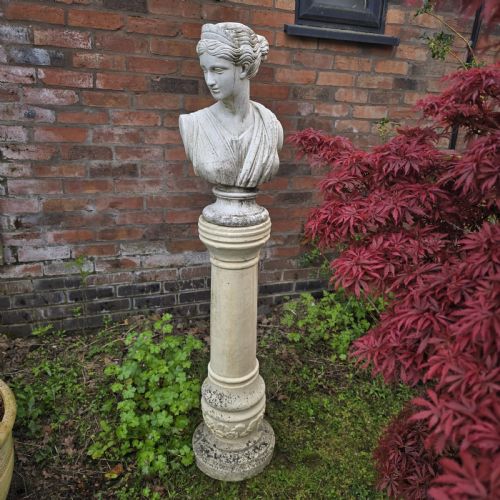
Objects vary in scale from intimate cabinet studies to substantial stone and marble portraits mounted on plinths. Subjects include specific emperors, gladiators, and mythological figures such as Hypnos and Juno.
How they were made
Sculptors carved subjects from solid blocks of marble and stone, or shaped them in terracotta and plaster for library studies. These traditional methods allowed for detailed rendering of facial expressions, drapery, and hair.
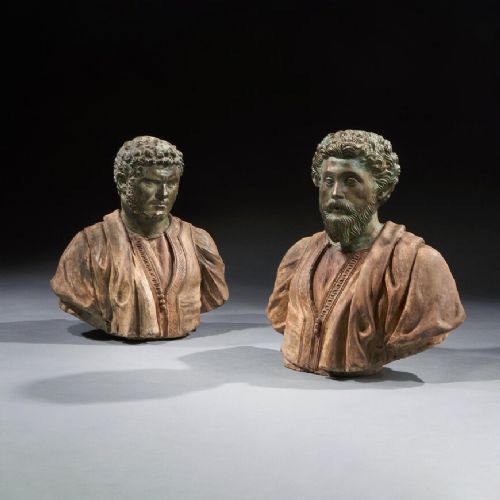
Foundries produced metal examples in bronze, often applying a verdigris patina to simulate antiquity. Glass paste and cast stone offered alternative mediums for capturing classical forms during different eras.
Roman Bust Sculpture Retail Price Guide 2026
Typical asking prices for roman bust sculpture among the pieces listed under this phrase on Sellingantiques today, from the lower quarter to the upper quarter. They describe what is for sale here now, not the wider market.
Listings feature marble, bronze, stone, and terracotta across periods from pre-sixteenth century to the twentieth century.
What varies in quality
Material choice and finishing contribute to the character of the piece, whether through the polished translucency of fine marble or the deliberate patination applied to bronze. The presence of a signed foundry mark or attribution to a notable sculptor elevates the historical interest of the work.
Mathurin Moreau·Richard Aurili
The Roman Bust Sculpture Glossary
- Grand Tour
- A cultural journey undertaken by European elites through Italy during the eighteenth and nineteenth centuries, resulting in the acquisition of classical art souvenirs.
- Neoclassical
- An artistic movement drawing inspiration from the classical art and culture of ancient Greece and Rome, prominent during the eighteenth and nineteenth centuries.
- Verdigris
- A green patina formed naturally or chemically on copper, brass, or bronze surfaces, often used on nineteenth-century bronzes to evoke ancient weathering.
- Glass paste
- A material formed by mixing powdered glass with a binder and firing it in a mould, utilised for small-scale antique sculptural objects.
Roman Bust Sculpture: Frequently Asked Questions
What materials were used?
Makers carved these sculptures from marble, stone, reconstituted stone, and cast stone. Other examples utilise bronze with verdigris patina, terracotta, plaster, and glass paste.
Selection depends on the intended placement, as heavy stone and marble suit gardens or large halls, while bronze and plaster suit library shelves.
How do I date a bust?
Dating relies on material analysis, casting technique, and stylistic markers associated with specific periods like the nineteenth-century Grand Tour or seventeenth-century Italian Baroque. Patination and tool marks provide further clues to the workshop era.
Examining the base, fixings, and any signatures helps distinguish nineteenth-century revival pieces from earlier works.
Who do these sculptures depict?
Subjects include Roman emperors such as Augustus, Julius Caesar, Marcus Aurelius, and Caracalla. Other common figures are philosophers, gladiators, and mythological deities like Juno and Hypnos.
These identities derive from classical history, literature, and surviving antique prototypes.
Where should I display them?
Smaller library busts sit comfortably on desks, bookcases, or mantelpieces. Larger stone and marble pieces require sturdy plinths or dedicated floor space.
Garden statuary versions are suited to outdoor courtyards or sheltered terraces, depending on the stone composition.