
Rococo Writing Bureau
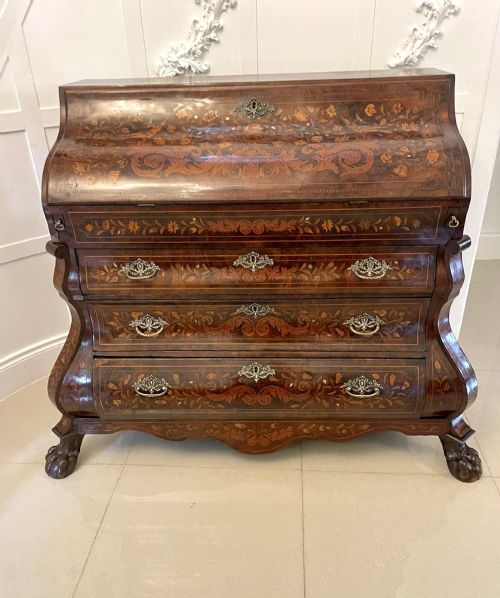
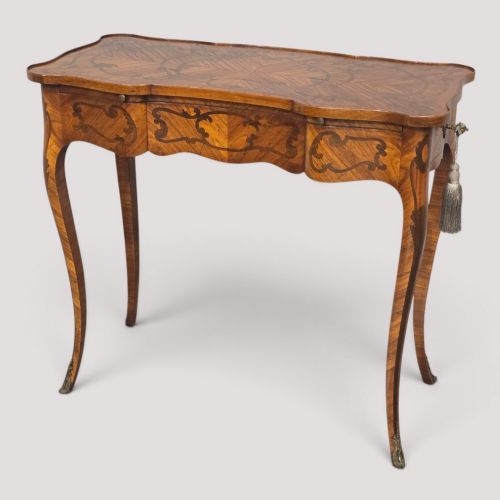
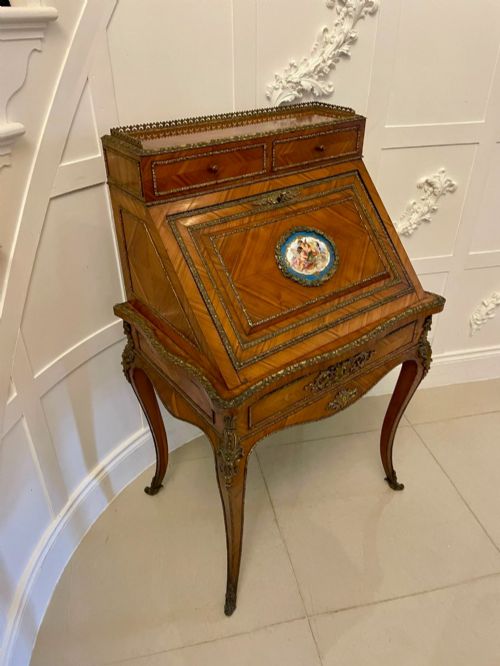
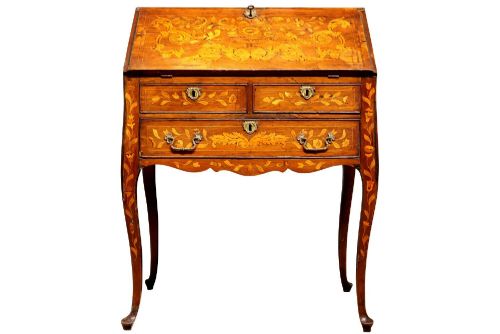
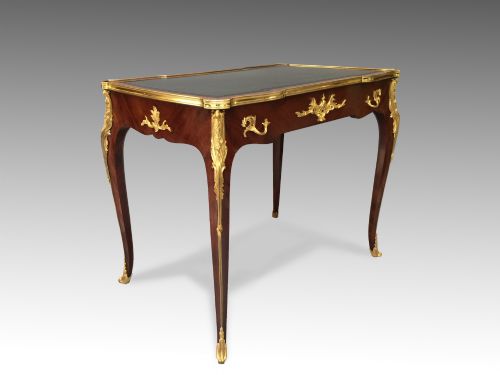
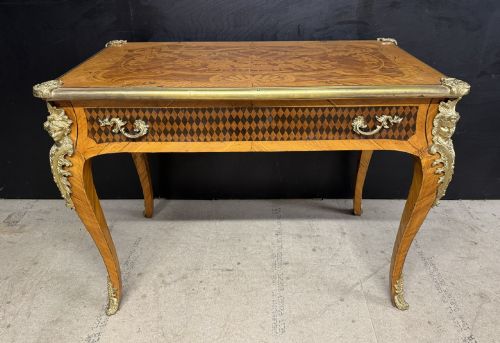
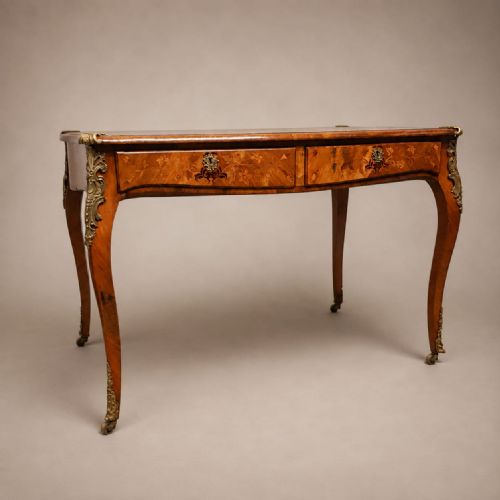
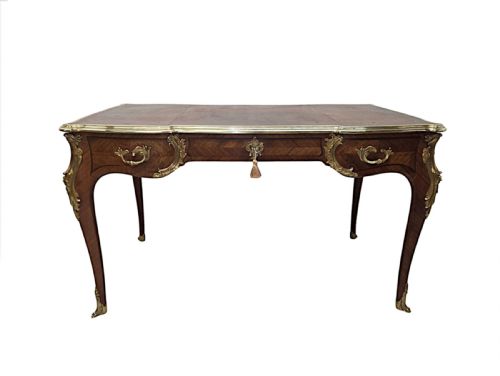
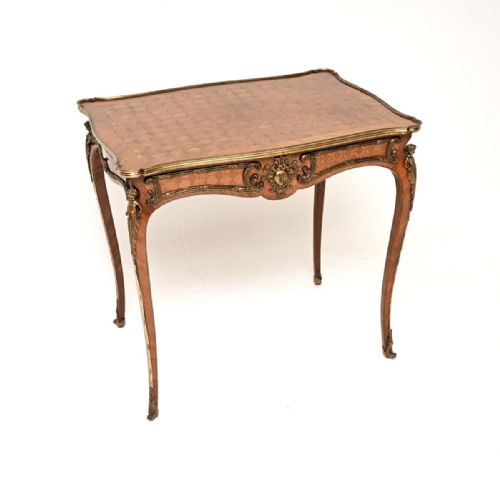
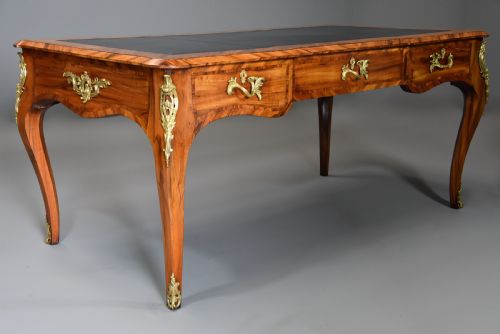
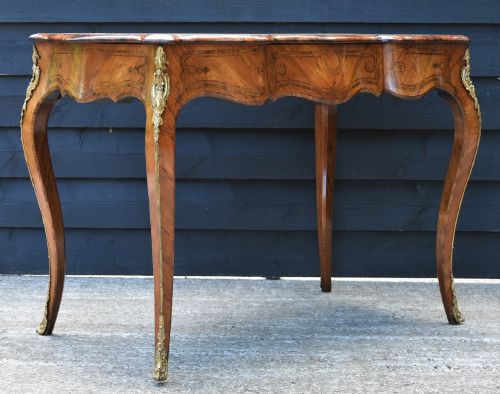
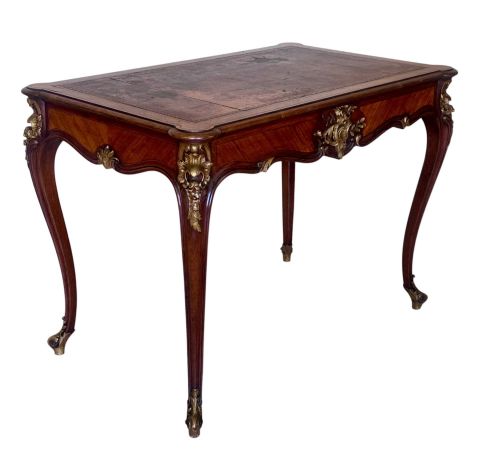
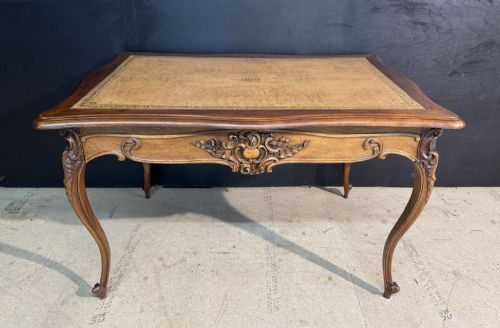
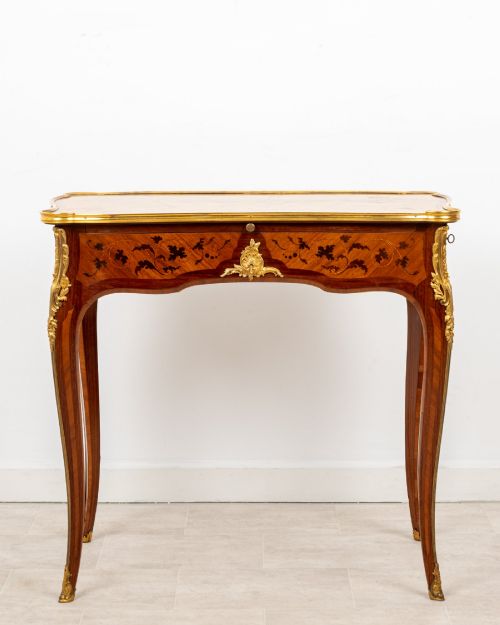
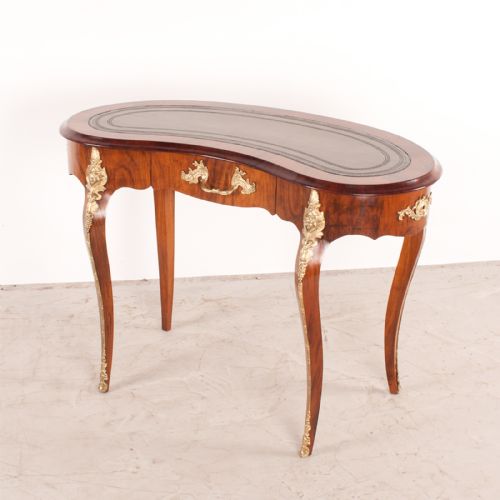
A rococo writing bureau brings together fluid serpentine lines, rich floral marquetry and gilt mounts for a sophisticated workspace.
Rococo Writing Bureau
When searching for a rococo writing bureau, a buyer encounters sophisticated writing furniture designed with organic, sweeping contours and asymmetrical decorative motifs. These pieces span both authentic mid-eighteenth-century examples and later nineteenth-century revival interpretations inspired by French and Dutch models.
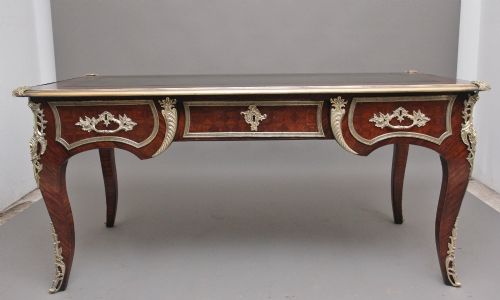
Originating from periods including the eighteenth century through to the early twentieth century, these items range from freestanding centre desks with leather inserts to substantial bureau bookcases with intricate floral marquetry.
Distinctions in Quality
Quality rests upon the precision of the marquetry and the crispness of the cast ormolu mounts applied to the structure. Superior examples exhibit seamless veneer matching across curved surfaces and substantial bronze work rather than lighter brass alternatives.
The architectural integrity of the piece, particularly how drawers operate within serpentine housings and the retention of original leather writing surfaces, separates finer workshops from standard production.
Listings feature items from the eighteenth, nineteenth, and early twentieth centuries, constructed in kingwood, walnut, and ormolu.
François Linke·Edwards and Roberts·CH. Jeanselme and Co·Durand
The Rococo Writing Bureau Glossary
- Bureau plat
- A freestanding writing table fitted with drawers beneath the top, lacking a superstructure. These desks typically feature leather writing inserts and finished backs for placement in the centre of a room.
- Bombe
- A swelling, outwardly curving contour found on the front and sides of case furniture. This shape requires advanced cabinetmaking skill to execute in solid wood and veneer.
- Marquetry
- Decorative patterns formed by fitting contrasting pieces of wood veneer into a background panel. Floral designs are especially common in Dutch and French iterations.
- Ormolu
- Gilt bronze mounts applied to furniture edges, corners, and feet for decorative emphasis. The term derives from the French for ground gold.
- Vernis Martin
- A simulated Japanese lacquer technique developed in France, utilised on cabinet panels to provide glossy, translucent painted decoration.
Rococo Writing Bureau: Frequently Asked Questions
What is a bureau plat?
A bureau plat is a double-sided writing table featuring drawers beneath a leather-lined top. It stands freely in a room rather than against a wall.
These desks were utilised in salons and private studies for correspondence and administrative tasks.
How do I identify a revival piece?
Revival pieces date predominantly to the nineteenth century, reproducing eighteenth-century Louis XV forms. They utilise machine-cut veneers and distinct internal construction methods.
Examination of timber shrinkage and hardware fixings helps distinguish nineteenth-century revival work from period originals.
Where were these bureaux made?
Production centred primarily in France, the Netherlands, and Italy during the eighteenth century, with subsequent revival manufacture spreading across Europe.
French workshops produced many of the bureau plats and marquetried cabinets seen on the market today.
How should I care for the leather top?
Leather writing surfaces require gentle cleaning with a damp cloth and occasional treatment with specialist leather balms. Avoid harsh chemical cleaners and excessive moisture.
Keeping the room humidity stable prevents the leather from cracking and protects the underlying timber.