
Pair French Desks
Pair french desks bring symmetrical elegance to a room, offering matching surfaces or seating styled through centuries of continental craftsmanship.
Pair French Desks
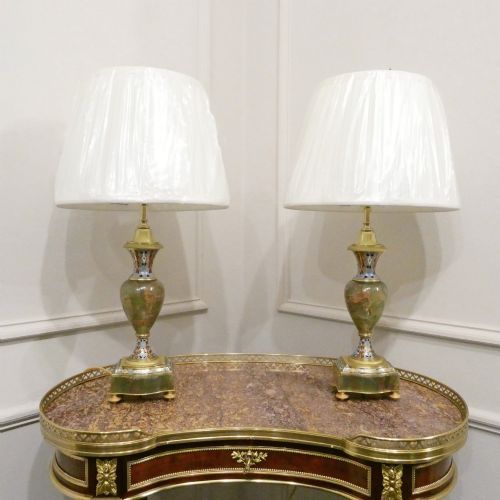
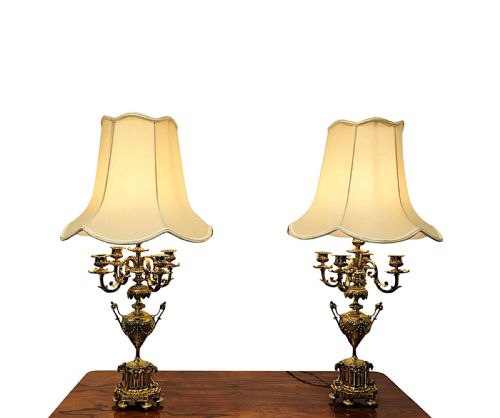
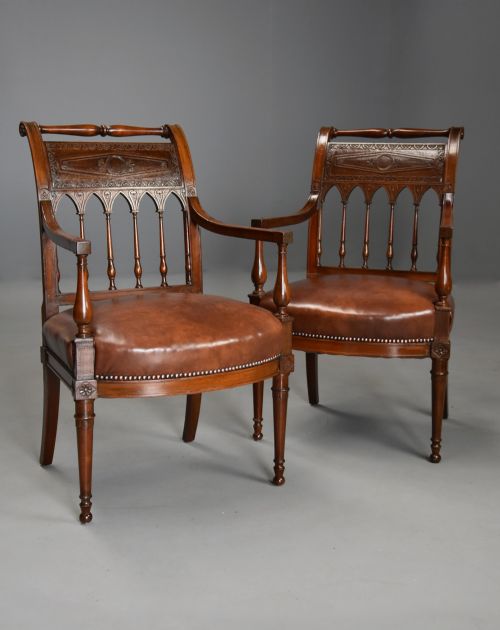
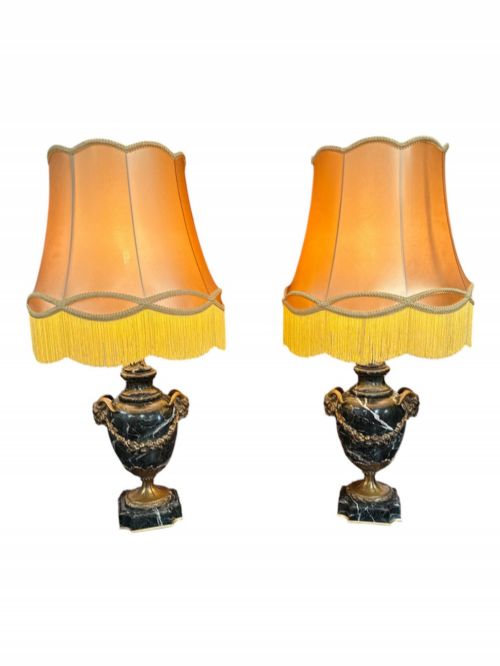
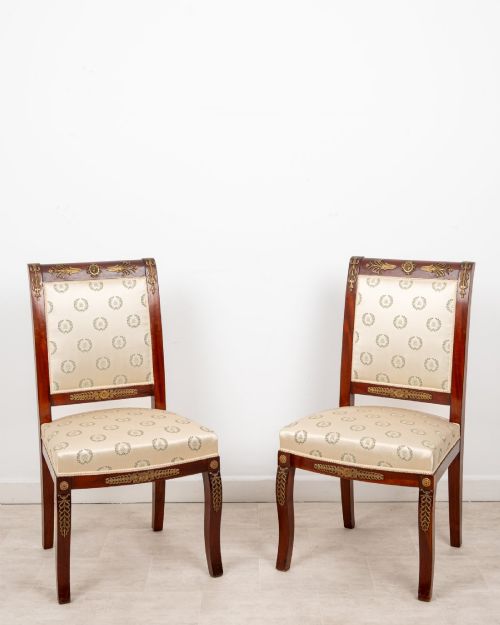
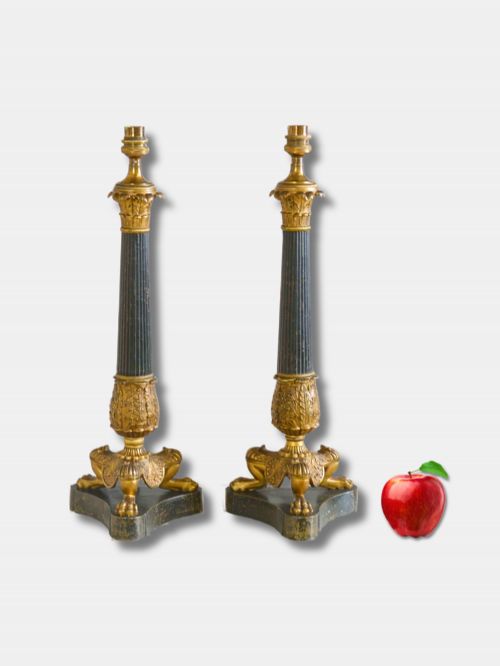
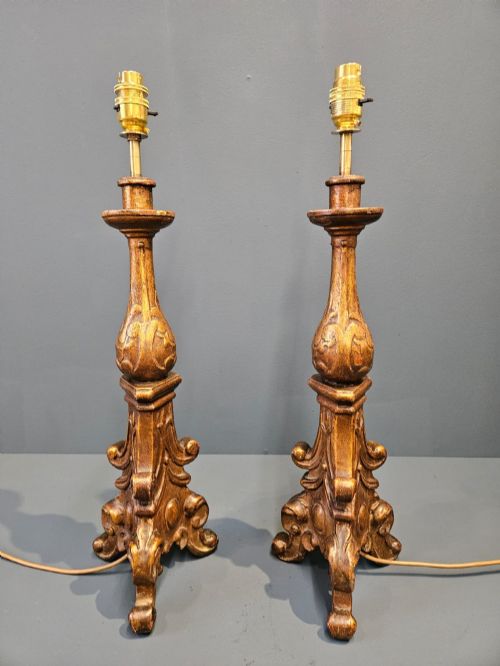
When searching for pair french desks, buyers encounter matched items originating from periods such as the 19th century, Victorian era, and the 1920s and 1930s. The historical archive reveals cylinder top desks alongside related seating and lighting forms designed in French Empire, Louis XVI, and Art Deco styles.
Continental seating and surfaces on this page demonstrate the enduring demand for balanced pairs in interior decoration. These objects reflect diverse materials spanning mahogany, walnut, and marble, shaped by classical design principles.
The selection ranges from early 19th-century cabinetwork to later revival pieces. Each pair maintains the dual composition characteristic of matching furnishings intended for libraries and reception rooms.
Materials and construction
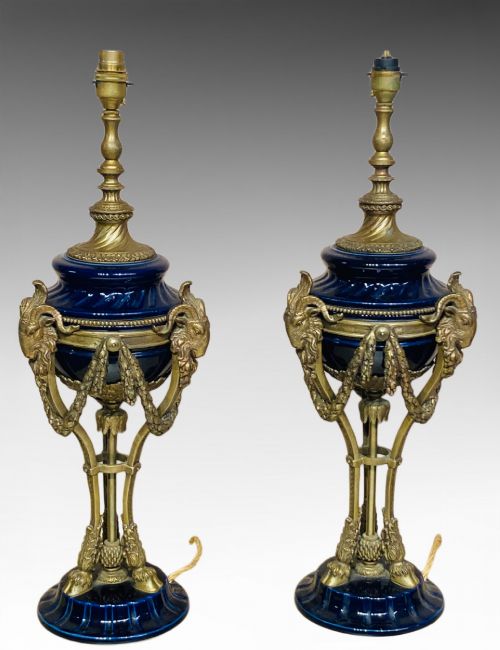
Cabinetmakers and metalworkers utilised a rich vocabulary of materials including mahogany, walnut, brass, ormolu, bronze, and rouge marble. Structural timbers provide the foundation for decorative mounts in gilt bronze and chased ormolu.
Surface details involve precise application of gilt metals and natural stone. Artisans combined cast bronze elements with polished marble and leather inserts to achieve the formal appearance associated with French classical furniture.
Listings feature 19th-century pieces alongside items from the 1900s, 1910s, 1920s, and 1930s, constructed in mahogany, walnut, brass, ormolu, and marble.
Judging execution and finish
Quality rests in the crispness of the bronze chasing and the selection of timber figures. Superior examples display sharply defined ormolu mounts and carefully matched veneers that demonstrate high workshop standards.
The integration of decorative elements dictates the visual success of each piece. Finely cast mounts and well-proportioned architectural details distinguish superior craftsmanship from standard production.
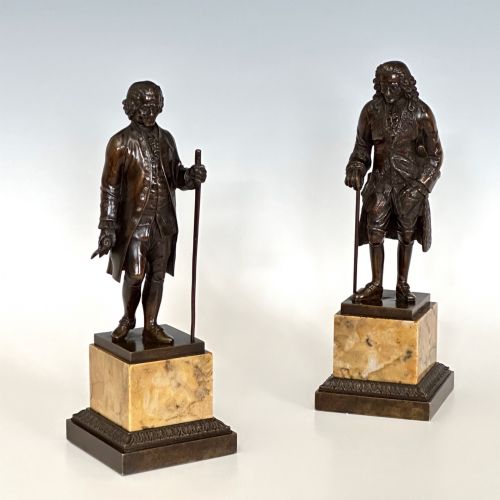
Edmé Samson
The Pair French Desks Glossary
- Ormolu
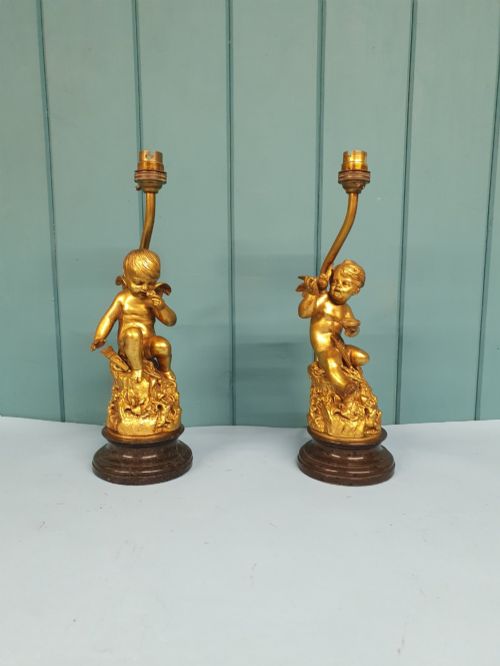
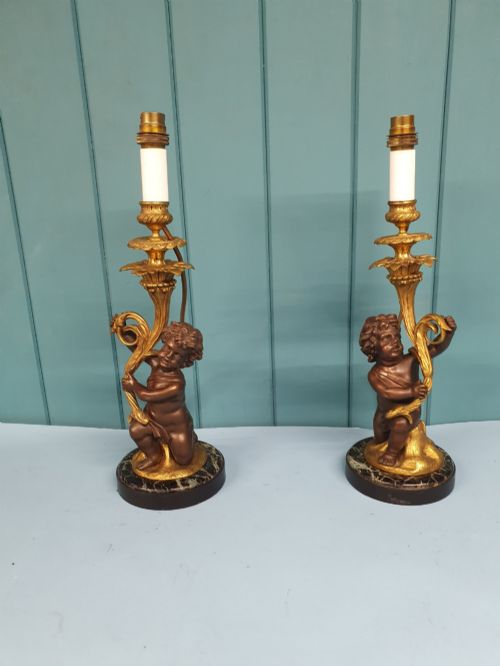
- Gilded bronze used for decorative mounts on furniture and lamps. The technique involves applying a gold amalgam to bronze before firing.
- Bureau plat
- A flat-topped writing desk finished on all sides for placement in the centre of a room. These desks usually feature leather writing surfaces and multiple drawers.
- Cassolette
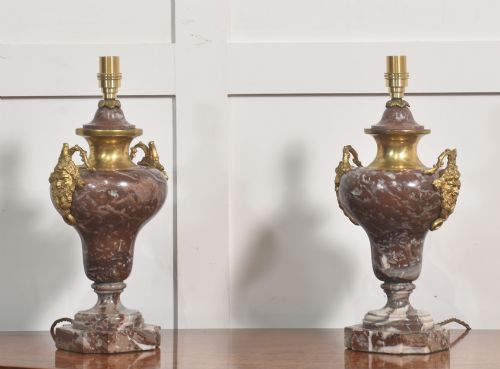
- A decorative vessel shaped like an urn or vase, frequently adapted as a lamp in French interiors. They often incorporate marble bodies with metal fittings.
- Directoire style
- A transitional design phase preceding the full French Empire period. It draws on neoclassical motifs with restrained classical lines.
Pair French Desks: Frequently Asked Questions
How do I identify French Empire style?
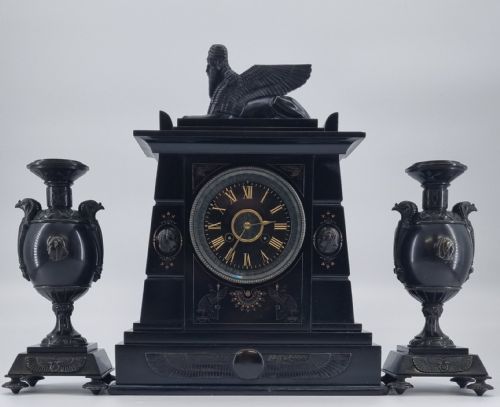
French Empire pieces display heavy classical influences inspired by ancient Rome and Egypt. Look for symmetrical forms, architectural columns, and prominent ormolu mounts depicting military or mythological motifs.
These designs prioritise grandeur and solid proportions, frequently utilising dark mahogany or bronze to create a commanding presence within a study or library.
Where were these pairs used historically?
Matched furnishings and writing pieces belonged in formal reception rooms, private libraries, and grand salons. Pairs of desks or matching tables provided balanced symmetry for writing and correspondence.
Such items served both functional administrative duties and decorative display roles within wealthy European homes.
How do I care for antique ormolu and marble?
Clean gilt bronze and ormolu gently using a dry, soft brush to remove dust without damaging the delicate gilding. Avoid chemical polishes that strip historical patination.
Marble surfaces require simple wiping with a damp cloth and mild soap. Protect stone from acidic liquids to prevent permanent surface etching.
What distinguishes Louis XVI style from earlier periods?
Louis XVI design shifts away from curving Rococo extravagance toward straight architectural lines and classical restraint. Details include fluted legs, ribbon twists, and urn motifs.
This aesthetic values proportion and geometric clarity, creating a lighter and more academic approach to decorative arts.