


Rococo Walnut Bureau Desk
A rococo walnut bureau desk combines rich timber figure with exuberant carved or inlaid ornament designed for writing.
Rococo Walnut Bureau Desk
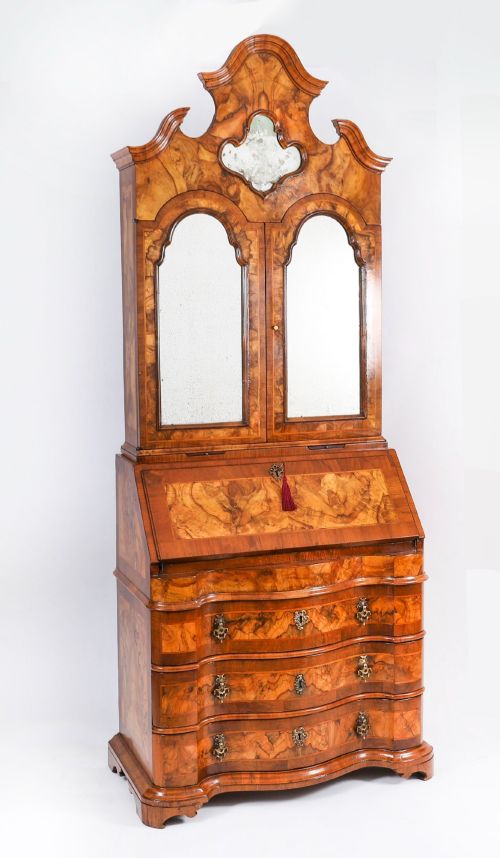
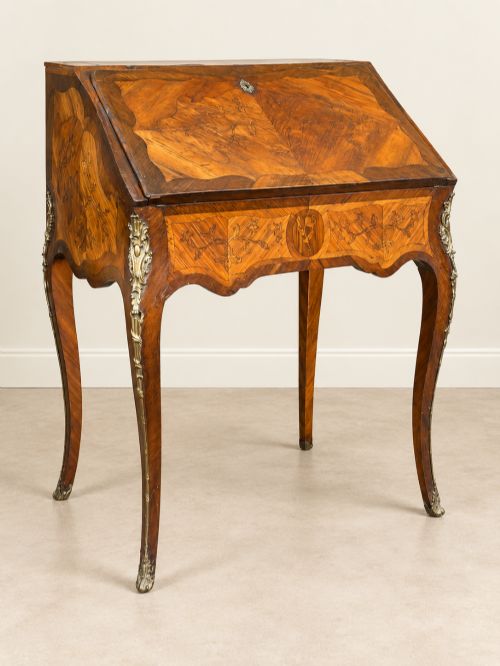
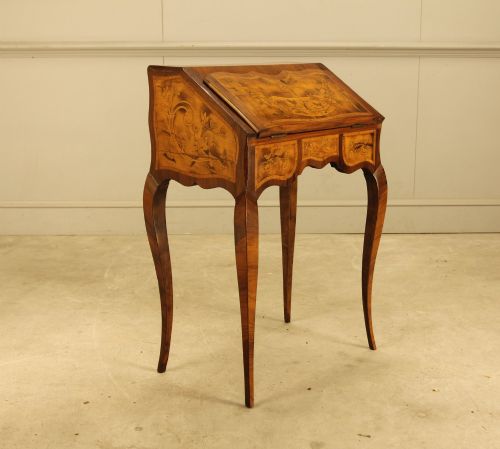
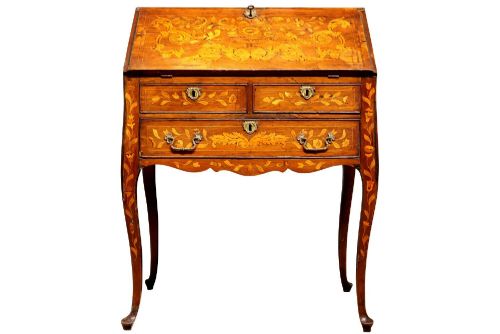
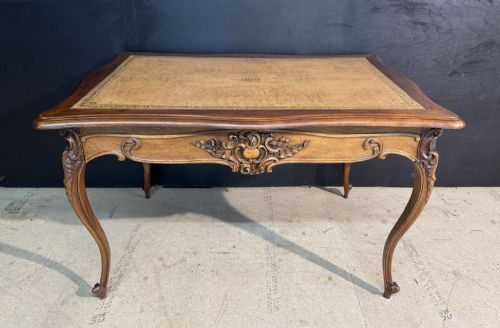
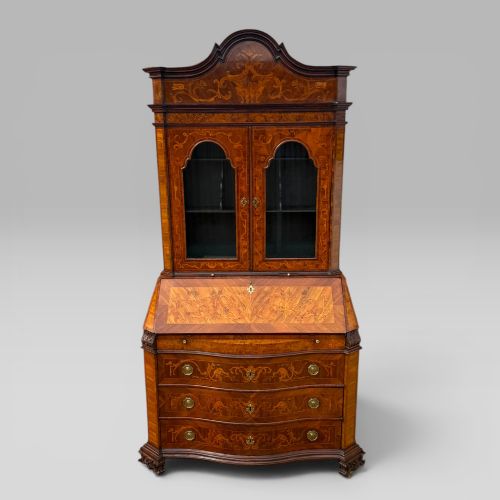
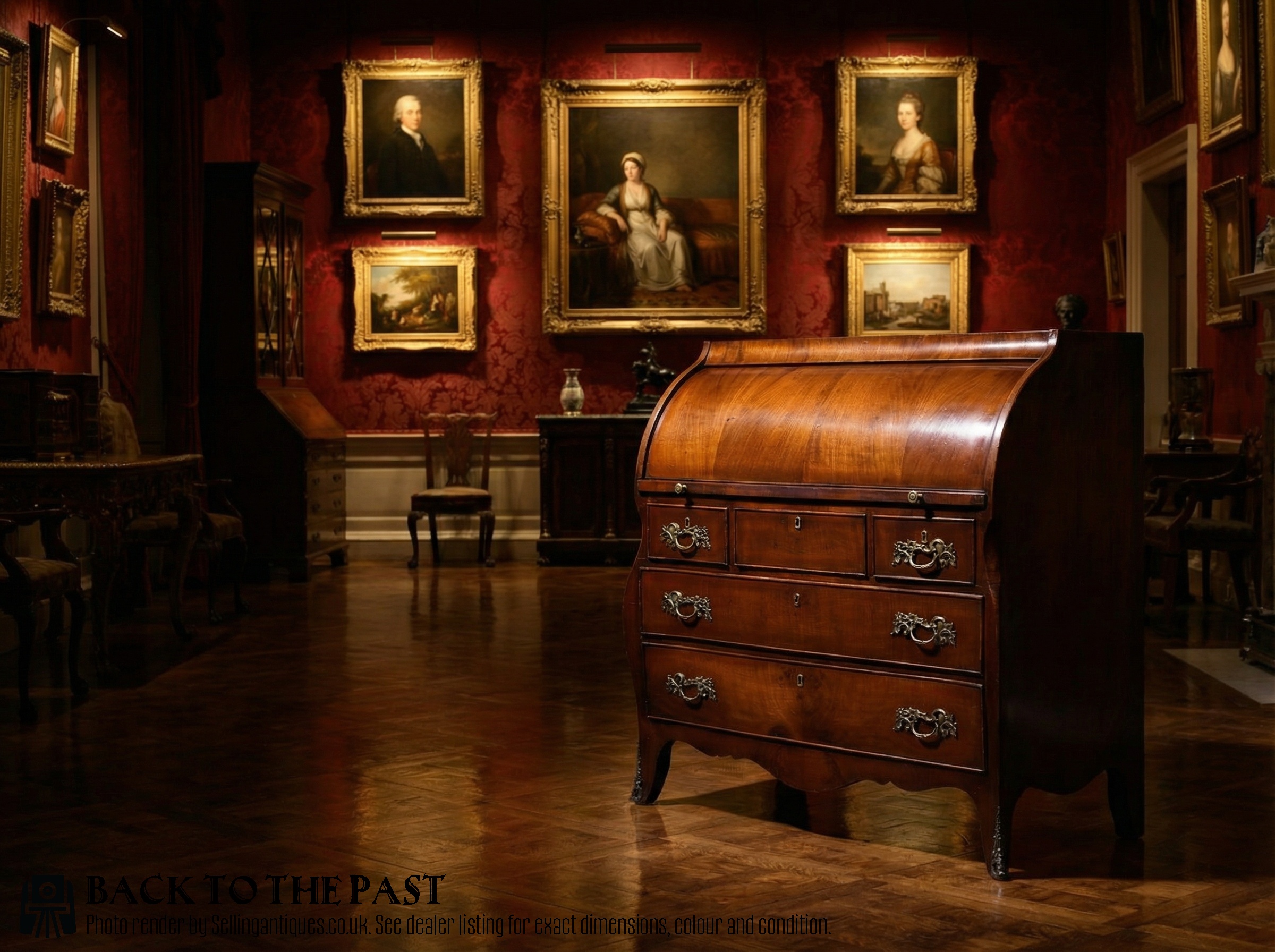
A rococo walnut bureau desk brings together organic cabinet forms and dynamic continental styling intended for correspondence and record keeping. The selection encompasses slant-front writing pieces, bureau bookcases with upper display shelving, and flat-topped writing tables shaped in the French or Dutch manner. These pieces originate across the eighteenth and nineteenth centuries, spanning Georgian, Victorian, and continental revival periods.
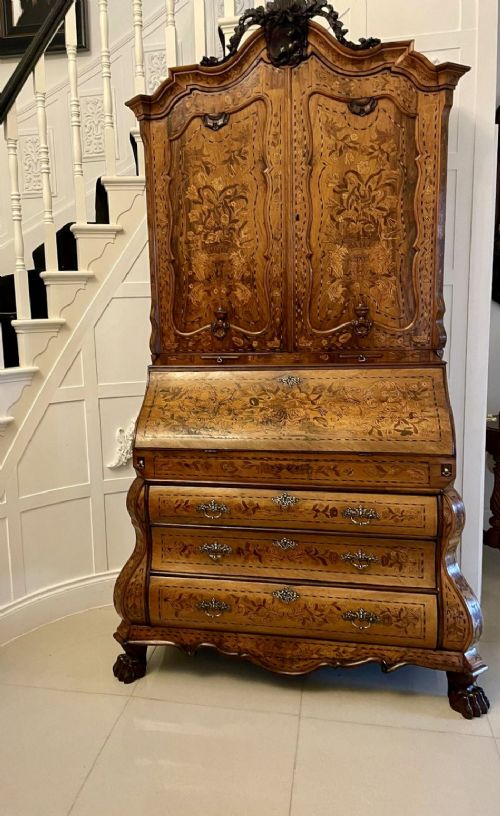
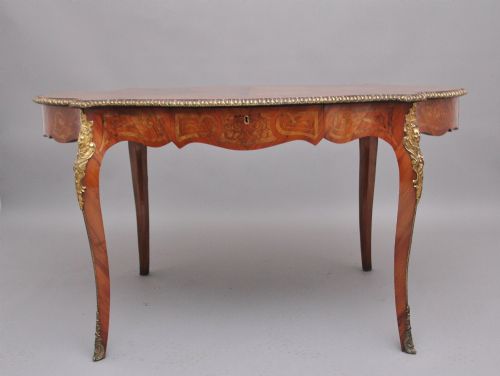
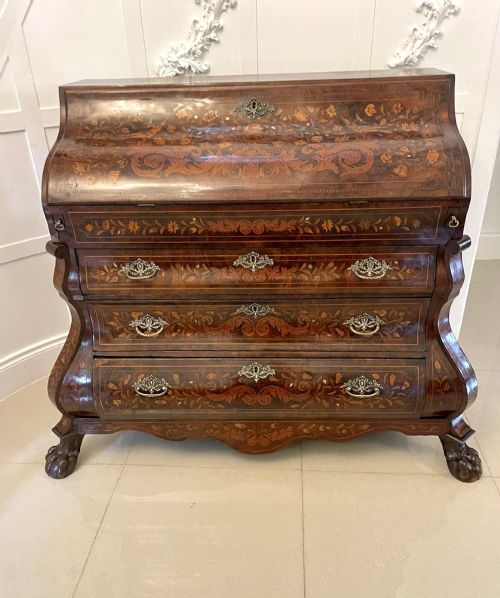
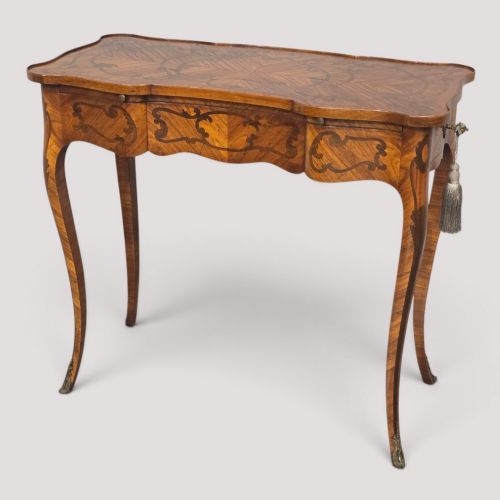
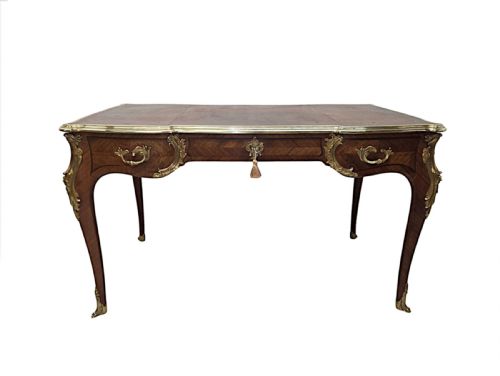
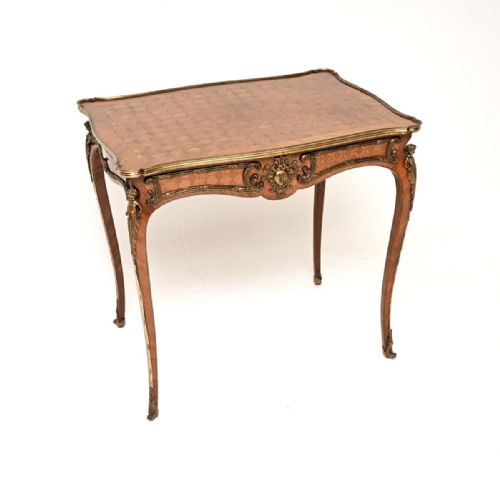
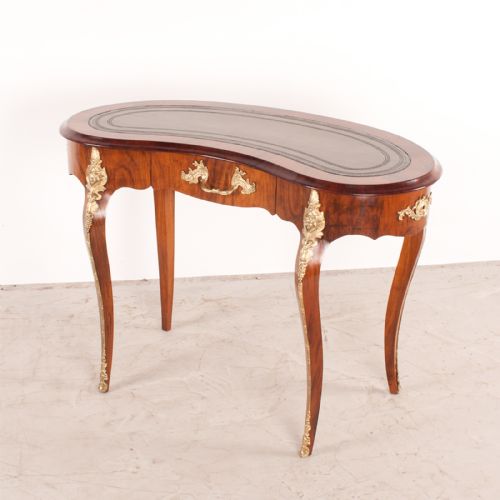
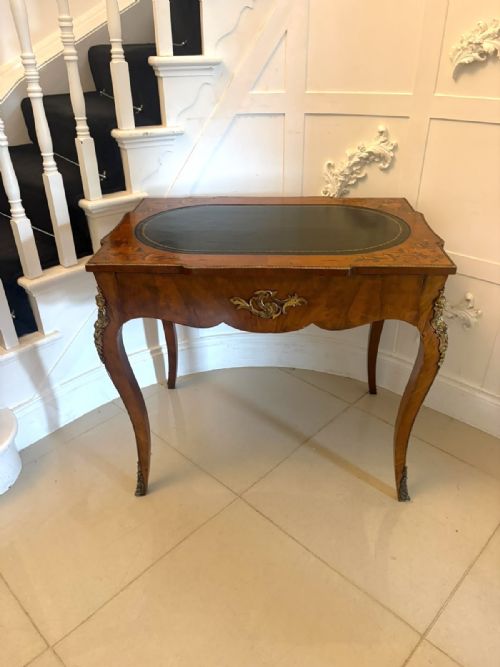
The version most commonly encountered on this page is the continental bureau, particularly Dutch and Italian examples featuring floral marquetry and bombe silhouettes. Alongside these stand French bureau plat desks and ladies desks ornamented with gilt bronze, ormolu, and parquetry. Walnut and burr walnut dominate the timber palette, often complemented by fruitwood and tulipwood inlay.
How they were made
Cabinet makers constructed these pieces using solid walnut and figured burr walnut veneers applied to secondary softwood or hardwood carcasses. Elaborate surface decoration relied on meticulous floral marquetry and geometric parquetry, cutting contrasting timbers like fruitwood and tulipwood into intricate pictorial motifs.
Metal enrichment played a defining role in the French tradition, utilising cast brass ormolu and gilt metal mounts fixed to corners, handles, and sabots. Writing surfaces frequently incorporated inset tooled leather panels framed by moulded timber borders.
Secret drawers tucked behind pigeonholes offered discreet storage for private correspondence.
What varies in quality
The hierarchy of quality rests primarily on the depth and complexity of the timber figure and the precision of the marquetry work. Superior examples display dense burr walnut matching across drawer fronts and harmonious floral compositions that flow seamlessly over bombe curves.
Execution of mounts and interior arrangement further separate standard production from exceptional workshops. Finely chased ormolu mounts, secret compartments within fitted interiors, and robust dovetail construction distinguish the finer pieces.
Edwards & Roberts·Gillows
The Rococo Walnut Bureau Desk Glossary
- Bombe
- A swelling, outward-curving contour found on the front and sides of continental furniture. This undulating profile requires skilled veneer work to follow the complex three-dimensional curves.
- Marquetry
- Decorative patterns formed by fitting together small pieces of veneer into wooden panels. Floral and urn motifs are typical of the Dutch and Italian workshops represented here.
- Bureau Plat
- A freestanding writing table fitted with drawers beneath the top, lacking an upper cabinet or slant front. These desks often feature leather writing surfaces and metal mounts.
- Ormolu
- Gilt bronze ornamentation applied to furniture, cast and chased for decorative effect. It accentuates the structural lines of French revival pieces.
- Parquetry
- Geometric wood inlay arranged in patterns such as cubes or chequers. It creates structured visual texture distinct from organic floral marquetry.
Rococo Walnut Bureau Desk: Frequently Asked Questions
What is a bureau bookcase?
A bureau bookcase combines a slant-front writing desk below with enclosed shelving or cabinet doors above. This dual-purpose form provided storage for correspondence and a display space for books.
Such pieces often feature double dome tops or architectural pediments, serving as substantial architectural focal points within period interiors.
How do I identify Dutch marquetry?
Dutch marquetry typically displays dense floral and bird motifs executed in lighter fruitwoods against a darker walnut ground. The inlay covers exterior surfaces including curved drawer fronts and sides.
This distinct decorative style flourished across the eighteenth century and saw revival interest during the nineteenth century.
Where were bureau plat desks used?
A bureau plat served as a freestanding writing desk positioned in the centre of a room rather than against a wall. The finished back allowed visibility from all angles.
These tables were utilised in studies and reception rooms for letter writing and administrative tasks.
What distinguishes rococo revival furniture?
Rococo revival furniture draws on eighteenth-century continental design, featuring asymmetric curves, scrollwork, and naturalistic motifs. Cabinetmakers of the nineteenth century reinterpreted these fluent lines.
Walnut and burr walnut veneers combined with cast metal mounts to replicate the earlier Louis styles.