


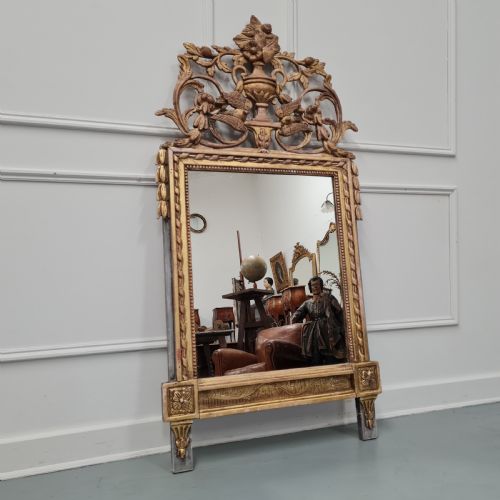


Rococo Style Urn
When you search for rococo style urn, you encounter nineteenth-century porcelain and gilt bronze vessels shaped by the lively asymmetry and botanical curves of the movement.
Rococo Style Urn
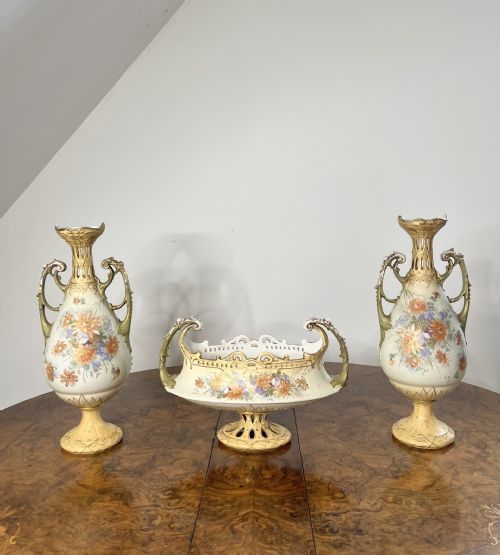
A rococo style urn combines sweeping, asymmetrical scrolls with naturalistic plant motifs, often appearing as lidded vases, potpourri jars, or garniture sets intended for formal mantelpieces.
The objects on this page predominantly date from the nineteenth century, reflecting nineteenth-century revivals of eighteenth-century French and German designs rather than original rococo production.
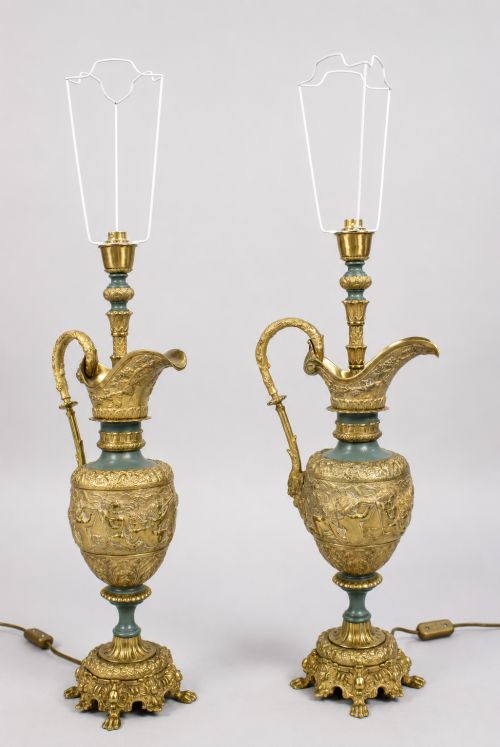
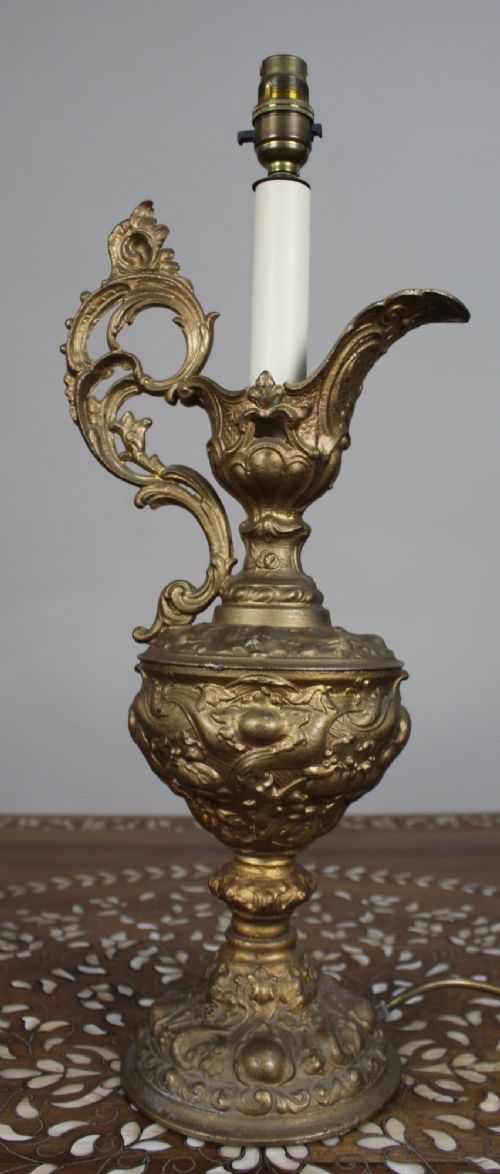
Many examples incorporate practical adaptations from later decades, such as electrical fittings converted into table lamps or clock movements integrated directly into porcelain and ormolu bodies.
Materials and construction methods
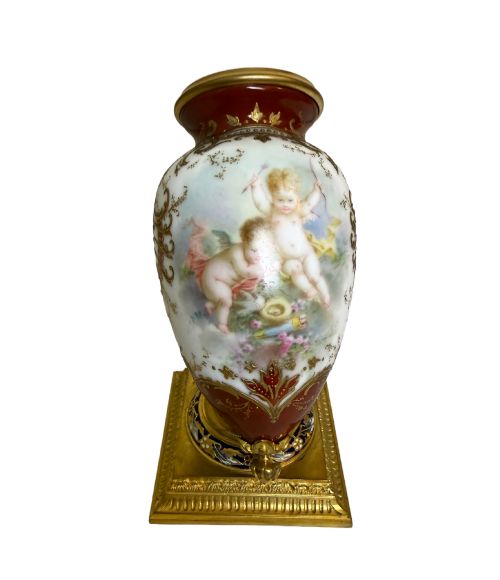
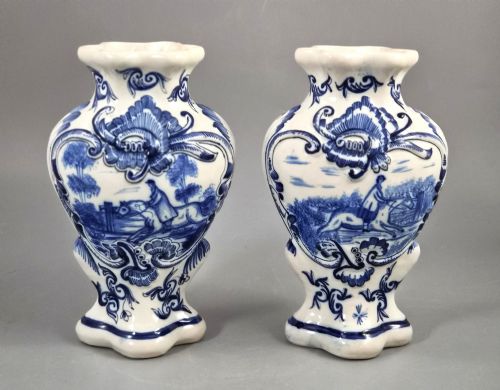
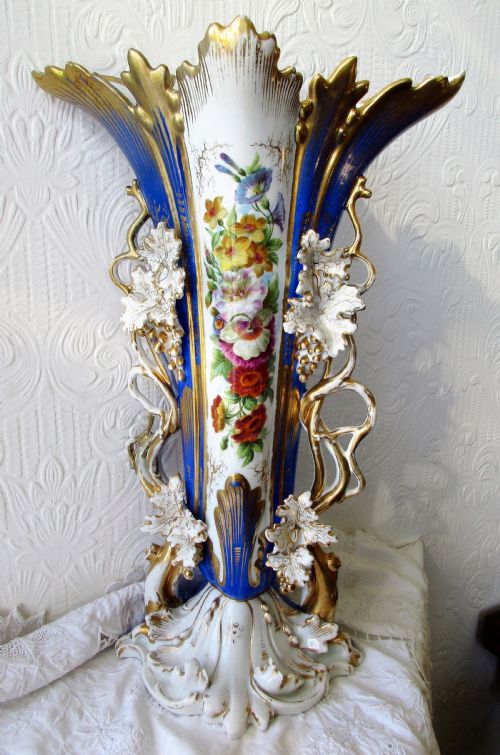
Potters shaped the body from hard-paste porcelain or faience, applying hand-painted floral scenes, cobalt blue grounds, and delicate enamel detailing before firing.
Foundries cast mounts, handles, and bases in bronze or brass, then finished them with mercury gilding, ormolu, or gold leaf to create high-contrast metallic highlights.
Casting seams, hand-chased metal mounts, and individually potted porcelain sections reveal the collaborative workshop methods typical of nineteenth-century European factories.
Cherubs frequently peer out from ormolu mounts, supervising the mantelpiece with stony indifference.
Distinguishing quality in the selection
Quality separates in the crispness of the chased metalwork and the precision of the hand-painted decoration, where sharper articulation of acanthus leaves and more disciplined brushwork indicate superior execution.
The integration between the porcelain body and its metal mounts signals the standard of workshop assembly, with finer pieces showing seamless alignment without excess adhesive or awkward gaps.
Fourmaintraux-Courquin·Samson Paris·Royal Vienna·Helena Wolfsohn·KPM Berlin·Sitzendorf Porcelain·Vincenti of Paris
The Rococo Style Urn Glossary
- Ormolu
- Gilt bronze mounted onto decorative objects. This technique involves applying a finely ground gold-mercury amalgam to cast bronze before heating.
- Garniture set
- A matched group of three or more vessels, usually comprising a central vase flanked by smaller matching urns or candlesticks for mantel display.
- Bleu céleste
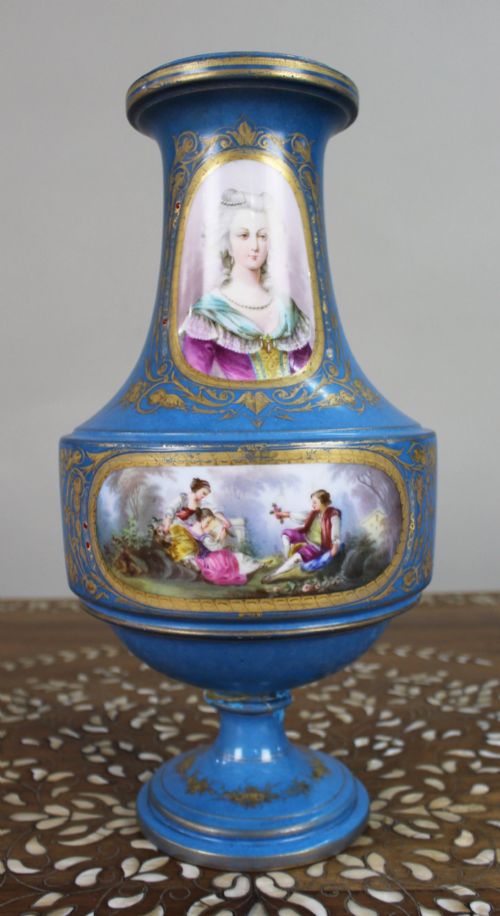
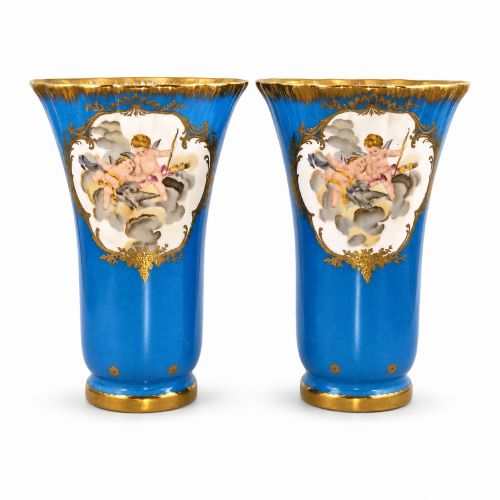
- A bright turquoise porcelain ground colour famously developed at the Sevres factory. It provides a vivid backdrop for gilt accents and painted reserves.
- Potpourri
- A vessel equipped with a pierced lid designed to diffuse scent from dried flower petals. These items often feature elaborate rococo scrollwork across the body.
Rococo Style Urn: Frequently Asked Questions
What is a rococo style urn used for?
These decorative vessels served primarily as mantelpiece ornaments, garniture centrepieces, or housing for potpourri within nineteenth-century drawing rooms.
Over subsequent decades, owners occasionally converted the larger examples into table lamps while retaining the decorative ceramic and metal bodies.
How do I identify Sevres style pieces?
Pieces executed in the Sevres style typically feature rich coloured grounds, such as cobalt blue or turquoise, combined with hand-painted pastoral scenes within gilded cartouche borders.
Makers across nineteenth-century Europe frequently adopted these specific aesthetic markers to echo the famous French royal porcelain manufactory.
Are these urns from the eighteenth century?
The overwhelming majority of these objects date from the nineteenth century, specifically the Victorian era and the various revivals of Louis XV and Louis XVI designs.
Nineteenth-century workshops in France, Germany, and England reinterpreted earlier eighteenth-century aesthetics using contemporary manufacturing techniques.
How should I clean gilt bronze mounts?
Dust the metal surfaces gently with a soft, dry brush to prevent the accumulation of grit within the recessed chased details of the rococo scrollwork.
Avoid chemical polishes and abrasive cloths, as these substances can strip away the original gold leaf or ormolu finish entirely.