
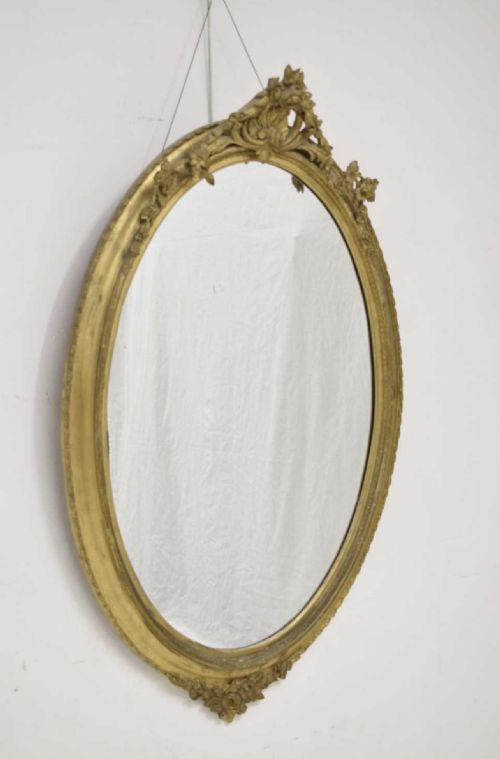
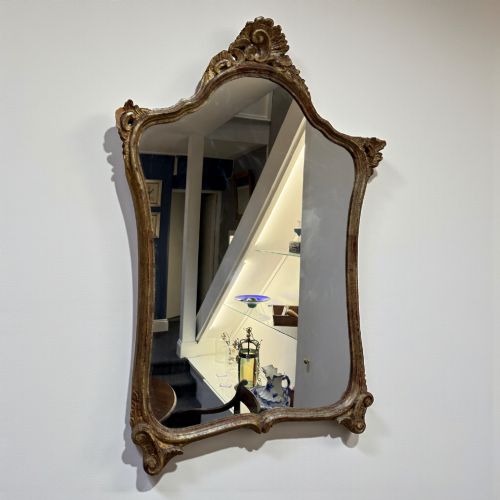
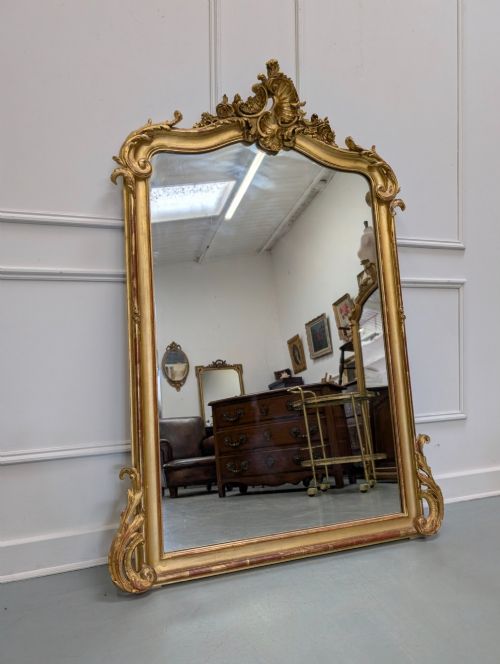
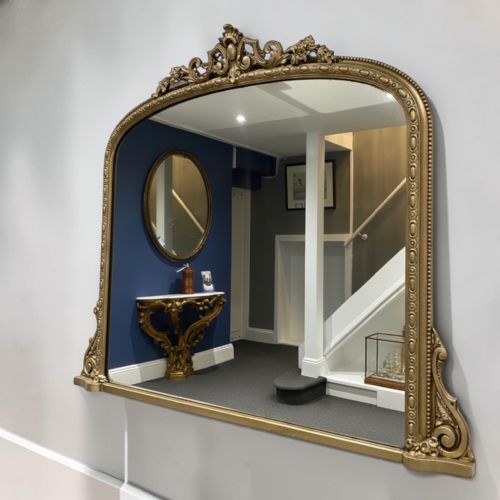
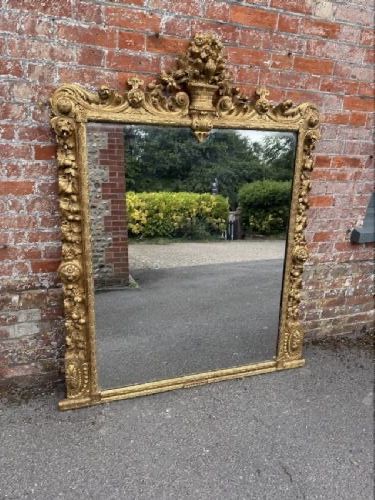
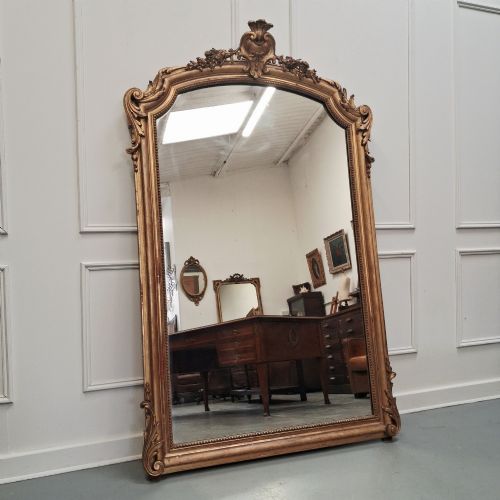
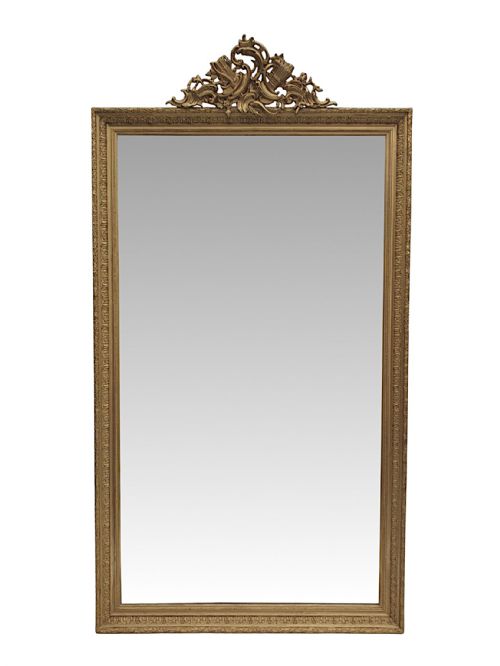
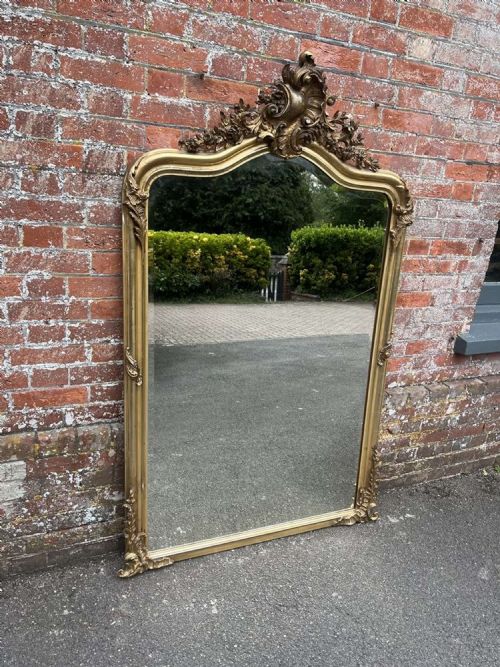
Rococo Style Crest Mirror
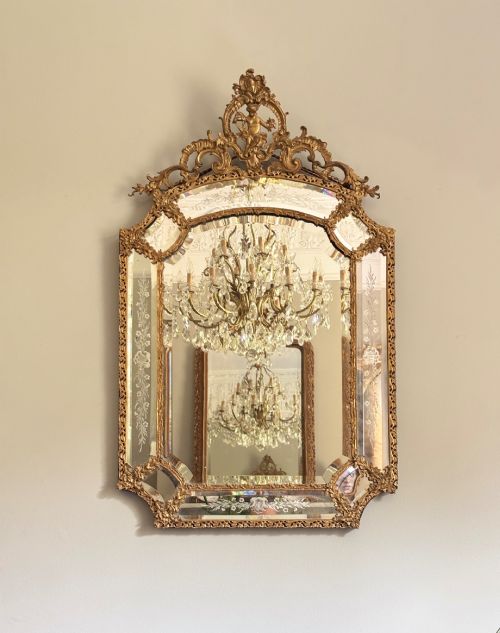
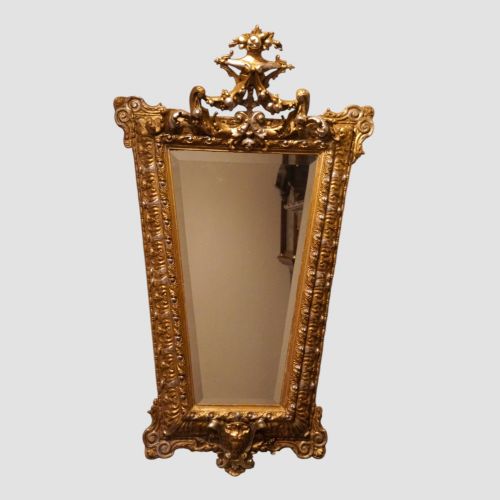
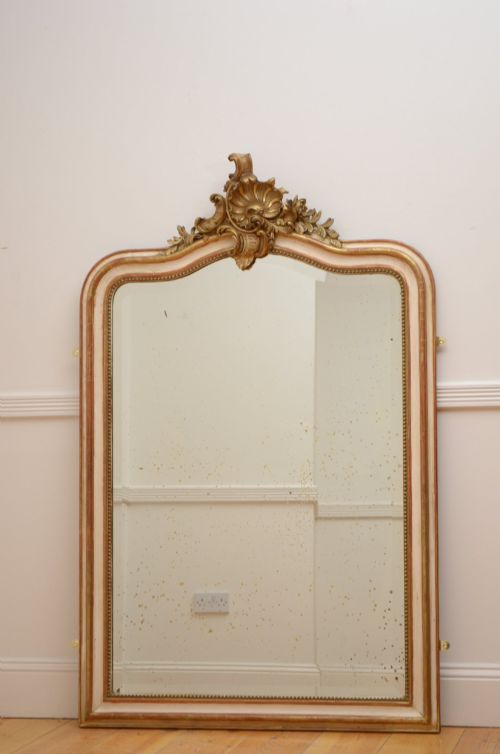
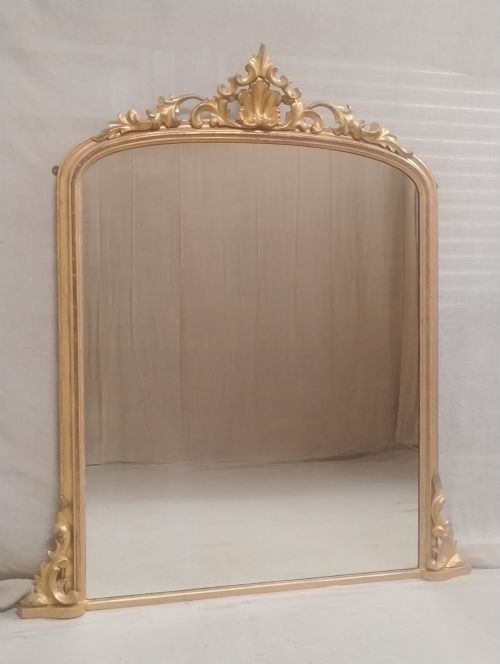
These rococo style crest mirror pieces bring exuberant 18th and 19th-century French and English ornamentation into modern interiors.
Rococo Style Crest Mirror
When searching for a rococo style crest mirror, collectors encounter substantial wall and overmantel mirrors spanning the 18th century through the early 20th century. The selection on this page leans heavily towards 19th-century French pieces, alongside Victorian English examples sharing similar ornate sensibilities.
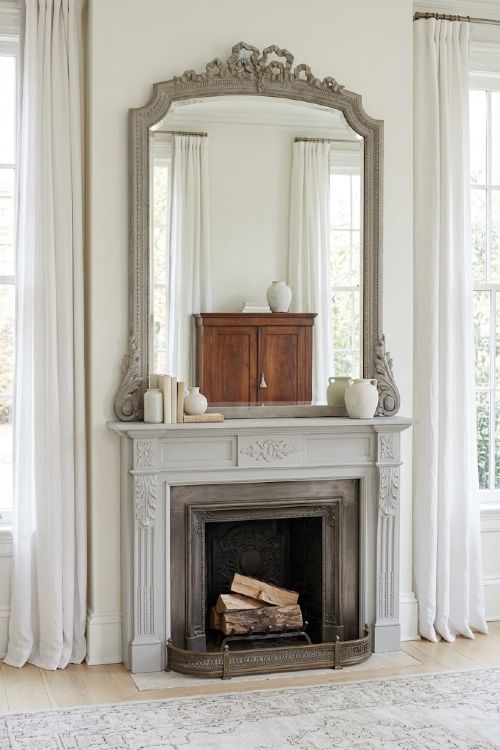
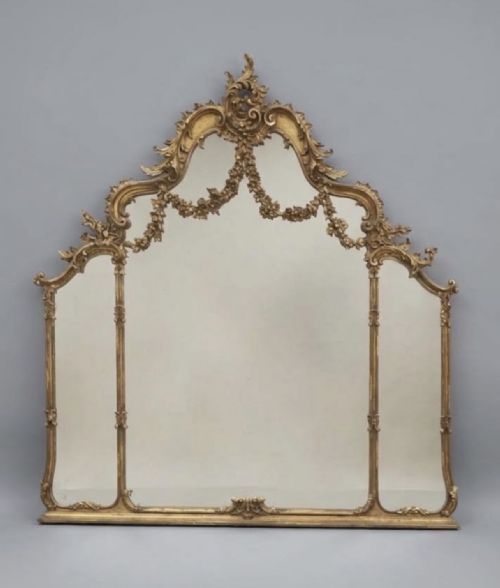
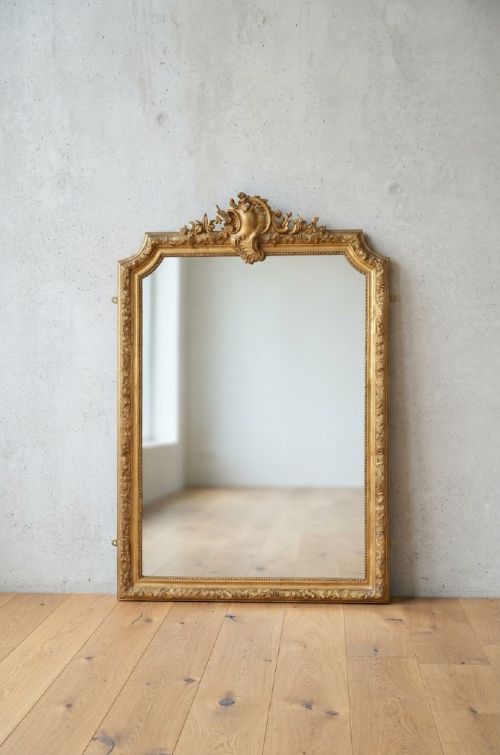
Forms vary from large overmantel mirrors designed to sit above a fireplace to tall leaner mirrors, architectural wall mirrors and smaller marriage or pier mirrors. Many incorporate elaborate crests with carved wooden motifs reflecting French Rococo, Baroque Revival and Louis XV influences.
Materials and construction
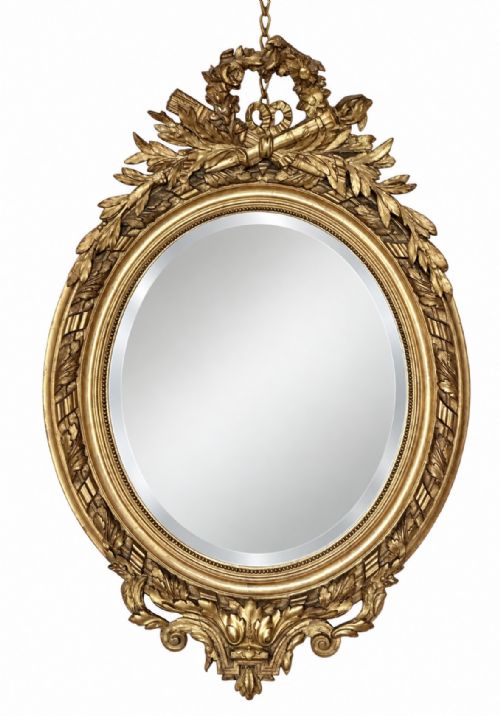
Makers shaped these frames primarily from carved wood, applying layers of gesso to build up the intricate scrollwork, asymmetrical curves and floral crests characteristic of the style. Gilding, gold leaf and silver-gilt finishes were then applied to the prepared surfaces to create a luminous metallic sheen.
Reflecting plates include early mercury glass with characteristic foxing alongside traditional glass. Frames alternate between solid carved wood, giltwood, composition ornamentation over wooden cores, and occasionally mahogany or walnut.
Some antique marriage mirrors carry secret compartments or symbols historically intended to bring lifelong harmony to newlyweds.
Assessing quality
Quality rests upon the depth and crispness of the hand-carving within the wooden frame and the finesse of the gesso application beneath the gilding. Deeply undercut scrollwork and sharply defined crest details indicate superior craftsmanship compared to heavily moulded composition work.
The integrity of the original mercury glass plate or the condition of the gold leaf surface further distinguishes finer examples. Substantial scale and architectural presence, particularly in grand overmantel and country house mirrors, elevate certain pieces above standard decorative items.
The Rococo Style Crest Mirror Glossary
- Giltwood
- Wood that has been coated with thin sheets of gold leaf or gold powder over a prepared base. This finish provides the characteristic metallic brilliance seen on period frames.
- Gesso
- A plaster-like mixture applied to wood frames to create a smooth surface for carving or gilding. It allows for crisp, intricate sculptural detail.
- Overmantel mirror
- A large horizontal mirror specifically proportioned to hang on the wall directly above a fireplace mantelpiece. These often feature prominent decorative crests.
- Mercury glass
- An early type of double-walled glass blown with a silvering mixture inside. It frequently develops dark spots known as foxing over time.
- Foxing
- The natural ageing process in mirror glass resulting in small dark spots and patination. This oxidation adds character and confirms the age of antique plates.
Rococo Style Crest Mirror: Frequently Asked Questions
How do I hang a heavy overmantel mirror?
Due to the substantial weight of carved wood and gesso frames, these mirrors require professional wall anchoring into structural studs. Leaner versions placed on the floor must also be secured to the wall with appropriate brackets to prevent tipping.
Ensure the chosen hardware matches the weight distribution of the specific frame. Heavy antique pieces demand robust load-bearing fixings rather than standard picture hooks.
Where should I place a large French mirror?
These pieces function traditionally above mantelpieces or as grand wall anchors in reception rooms and hallways. Positioning them opposite a window helps maximise natural light and visually expands the room.
Consider the scale of the surrounding furniture to ensure the ornate crest and frame proportions complement the room's architecture.
How do I clean antique giltwood frames?
Dust the intricate carved crest and frame gently using a soft, dry brush or a feather duster. Avoid using water, chemical sprays or abrasive cloths, which can damage delicate gold leaf and gesso.
Professional restoration is recommended if the gilding begins to flake or separate from the wooden substrate.