
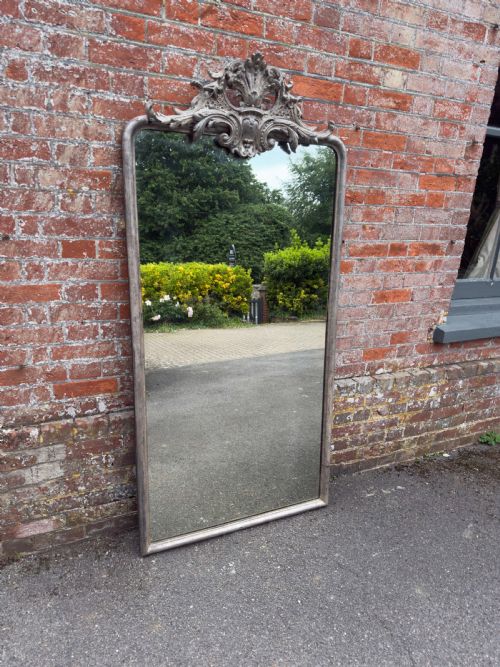


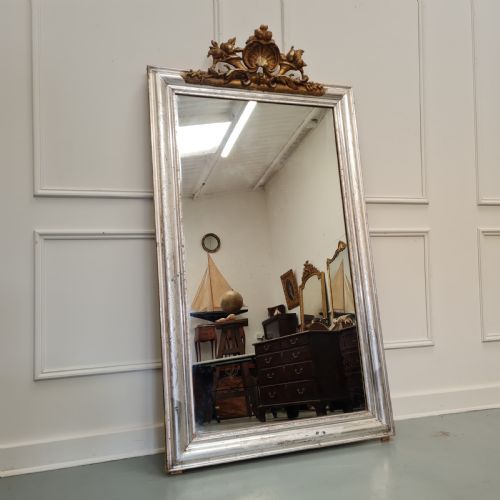


Rococo Silver Mirror
A rococo silver mirror brings extravagant, flowing curves and shimmering reflective surfaces into a room, offering both historic charm and functional light.
Rococo Silver Mirror
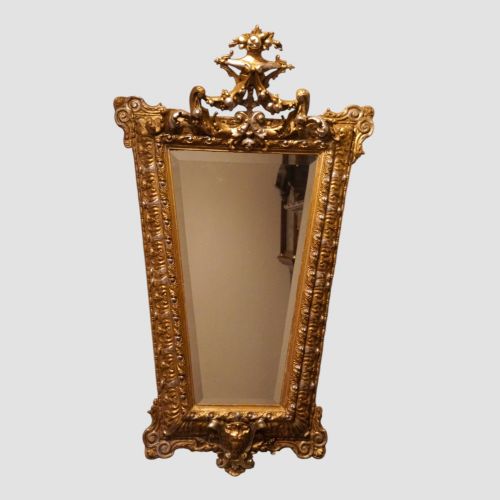
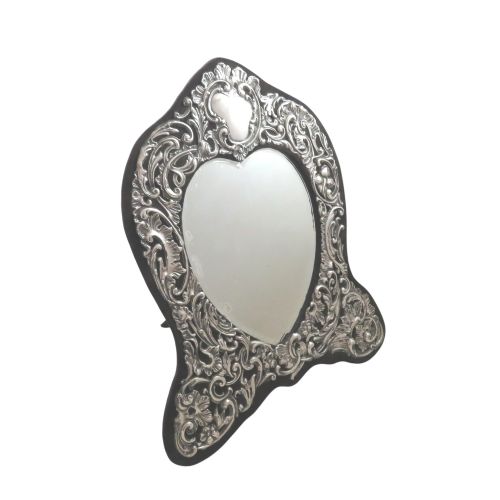
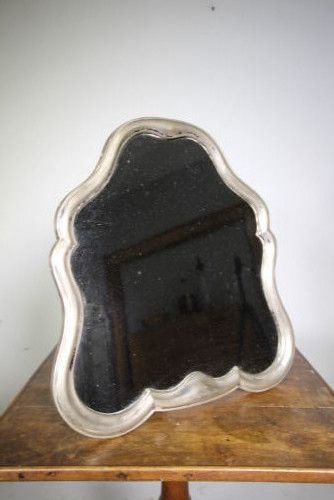
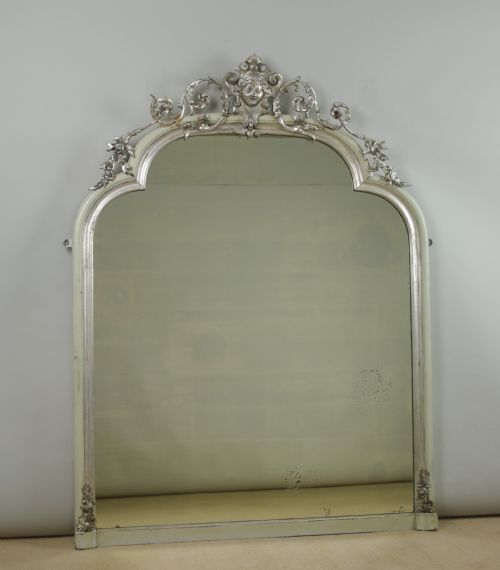
When you search for a rococo silver mirror, you encounter elaborate wall mirrors, overmantels, and dressing table mirrors spanning the eighteenth, nineteenth, and early twentieth centuries. These pieces display the characteristic asymmetry, scrollwork, and shell motifs of the style, rendered in silver leaf, silver gilt, and painted silver finishes.
You are most likely to meet nineteenth-century revival pieces on this page, particularly French and Italian interpretations featuring carved wood and gesso frames. Alongside these, eighteenth-century originals and Venetian examples appear, offering diverse forms from small easel pieces to large architectural overmantels.
The objects serve primarily as decorative focal points in principal rooms, combining reflective glass with ornate metallic surfaces. Their forms range from simple heart shapes and trapezoids to grand arched top designs.
How they were made
The construction of these pieces relies on carved wood and gesso foundations, which provide the base for intricate sculptural detail. Artisans sculpted the wooden frames and applied layers of gesso to build up the complex curves and relief ornamentation characteristic of the style.
Surfaces were finished with silver leaf, gold leaf, or silver gilt applied by hand, sometimes paired with painted silver treatments. In later pieces, techniques such as silver deposit on porcelain appear alongside traditional mirror glass.
Listings feature materials including glass, silver leaf, wood, gesso, carved wood, giltwood, and gold leaf across the eighteenth, nineteenth, and early twentieth centuries.
What varies in quality
The depth and crispness of the hand-carved wooden relief separate superior frames from simpler moulded examples. Master carvers achieved fluid, naturalistic asymmetrical scrolls that cast subtle shadows, whereas lesser pieces display softer, repetitive casting or moulding.
The integrity of the metallic surface finish also dictates grade. Hand-applied silver leaf and silver gilt patinate with distinct luminosity compared to flat, uniform modern paints or degraded mirror plates.
The Rococo Silver Mirror Glossary
- Gesso
- A plaster-like mixture applied to wooden frames as a base for carving and gilding. It allows artisans to achieve sharp, intricate relief details before applying silver leaf.
- Silver Leaf
- Extremely thin sheets of silver beaten out and applied to a prepared surface. It provides a bright, reflective metallic skin distinct from solid metal.
- Overmantel Mirror
- A large mirror designed to hang specifically above a fireplace mantel. These pieces often feature wide proportions to balance the hearth below.
- Silver Gilt
- Silver or a silver-plated base coated with a thin layer of gold, or alternatively silver leaf treated to produce a warm tone. This finish combines silver and gold properties.
Rococo Silver Mirror: Frequently Asked Questions
Can I place these mirrors in a bathroom?
High humidity and moisture in bathrooms can damage historic gesso, wooden frames, and delicate silver leaf surfaces. These antique pieces perform best in dry living spaces, hallways, or bedrooms.
Keep them away from direct water sources and sudden temperature fluctuations to preserve the antique finish.
How do I clean an antique silvered mirror?
Dust the carved frame gently with a soft, dry brush to prevent dirt accumulation in the recessed scrollwork. Avoid commercial chemical sprays that can strip silver leaf or damage aged gesso.
Clean the glass portion sparingly with a barely damp cloth, taking care not to let moisture seep behind the mirror plate.
What distinguishes French rococo revival from Venetian styles?
French revival pieces typically emphasise dynamic carved wood and gesso frames with prominent asymmetrical scrolls and arched tops. Venetian examples often incorporate engraved mirror glass panels within the frame itself.
Both styles share the love for extravagant curves, but regional craftsmanship dictates the surface ornamentation.