



Rococo Revival Sconces
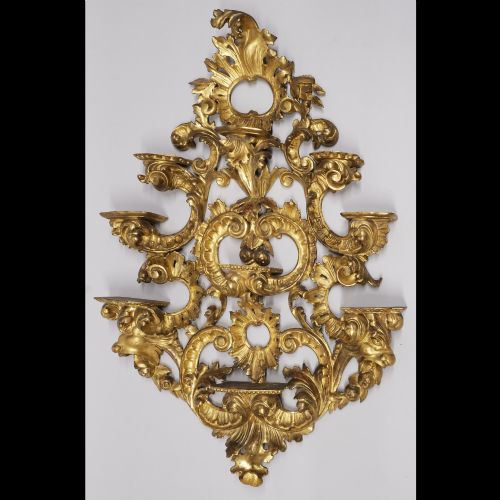
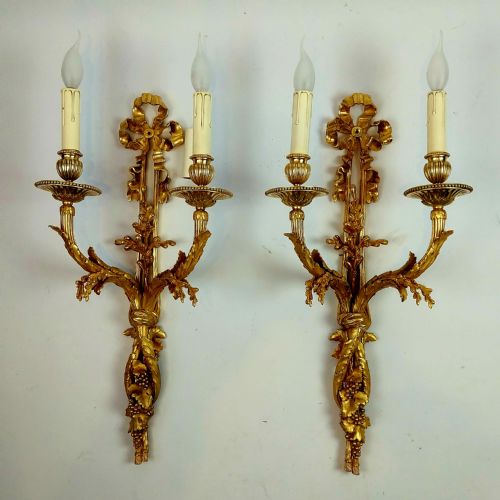
Rococo revival sconces bring flamboyant, asymmetrical curves and exuberant natural motifs to interior walls, offering a dramatic focal point for period rooms.
Rococo Revival Sconces
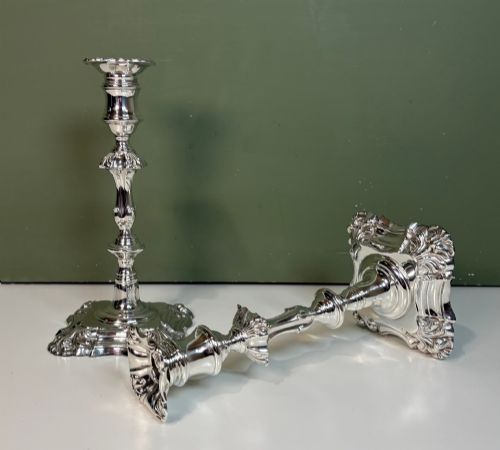
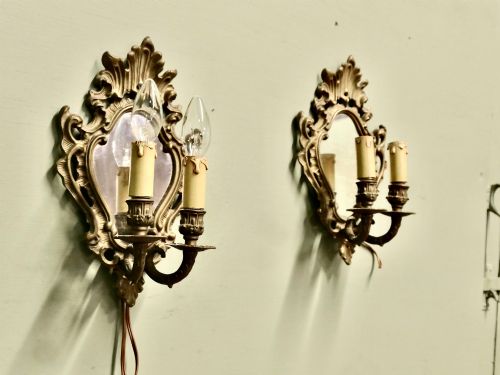
Rococo revival sconces encompass wall-mounted light fixtures, girandoles, brackets, and mirrors produced during the nineteenth and early twentieth centuries. These pieces draw heavily on eighteenth-century French design, translating natural elements into dynamic forms.
Makers working within this style embraced asymmetry, scrollwork, and shell motifs, creating decorative illumination that defined period interiors. Buyers encounter both French Louis XV revival interpretations and English variants executed in brass, ormolu, and giltwood.
Materials and construction methods
Makers utilised cast metals such as brass, gilt bronze, and ormolu to achieve the sweeping, fluid lines characteristic of the style. These metal components were frequently chased and gilded to catch candlelight effectively.
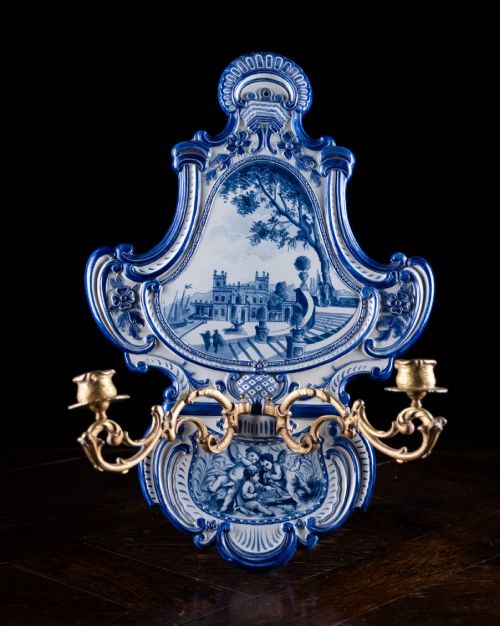
Carved giltwood and silver-plated elements appear alongside ceramic and porcelain figures, notably from factories such as Minton and Sitzendorf. Glass plates and mirror components were integrated into girandole designs to multiply the available light.
Rococo Revival Sconces Retail Price Guide 2026
Typical asking prices for rococo revival sconces among the pieces listed under this phrase on Sellingantiques today, from the lower quarter to the upper quarter. They describe what is for sale here now, not the wider market.
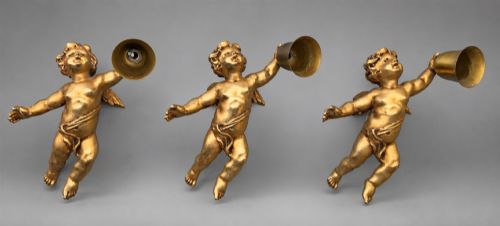
Gardener figures with baskets and winged cherub putti populate these wall lights, bringing unexpected miniature gardening scenes to living room walls.
Assessing quality in the range
Quality reveals itself in the crispness of the casting and the depth of the chasing, where sharper botanical details and smoother asymmetrical sweeps separate superior work from simpler productions. Hand-painted porcelain figures and well-executed gilding indicate higher-tier manufacturing.
The integrity of the structural joints and the weight of the metal components also distinguish finer examples. Heavier bronze or ormolu mounts and carefully integrated mirror plates demonstrate greater workshop investment.
Villeroy and Boch·Sitzendorf·Minton
The Rococo Revival Sconces Glossary
- Girandole
- A branched wall light or sconce, frequently incorporating a mirror plate to reflect the flame. These fixtures served both decorative and illumination purposes in formal reception rooms.
- Ormolu
- Finely ground high-carat gold applied to a bronze base, often used on French lighting fixtures. This technique produces a durable, warm metallic lustre.
- Giltwood
- Timber carved and coated with a thin layer of gold leaf or gesso. It provides a lightweight alternative to cast metal while retaining a reflective surface.
- Putti
- Representations of plump, winged infant figures frequently incorporated into ornamental scrollwork. They populate the cast metal mounts of various wall lights.
- Chippendale revival
- A later design movement reinterpreting mid-eighteenth-century English furniture and decorative arts. Pieces in this style often incorporate rococo asymmetry and elaborate fretwork.
Rococo Revival Sconces: Frequently Asked Questions
How do I wire a rococo revival sconce for electricity?
Many of these fixtures began life holding candles or were later adapted for electrical fittings by specialist restorers. Professional rewiring ensures modern safety standards while preserving the antique metalwork and porcelain components.
Consult a qualified electrician who has experience with antique wall lights to handle the internal wiring safely without damaging the vintage frame.
Where should I place wall sconces in a room?
Sconces work effectively flanking a fireplace, mirror, or doorway to provide balanced ambient illumination. Positioning them at eye level ensures the decorative backplates and branching arms can be appreciated fully.
Ensure the wall construction can support the weight of heavier cast bronze or giltwood pieces before installation.
How do I clean gilt bronze and ormolu?
Dust these surfaces gently with a soft, dry brush to prevent dirt from accumulating in the recessed chased details. Avoid harsh chemical cleaners or abrasive cloths that can strip the delicate gilding.
Professional conservation advice should be sought if deeper cleaning is required to remove tarnish.
What is the difference between ormolu and brass?
Ormolu consists of gilt bronze, featuring a layer of gold applied to a bronze substrate for a richer golden finish. Brass is an alloy of copper and zinc that maintains a different hue and lighter weight.
Victorian makers utilised both materials depending on the desired decorative effect and cost of production.