
Rococo Sconce Pair
A rococo sconce pair brings dramatic, asymmetrical curves and warm candlelight to a room, offering striking wall decoration rooted in centuries of craftsmanship.
Rococo Sconce Pair
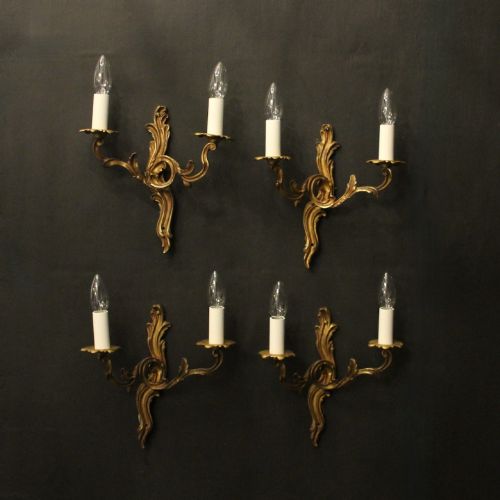
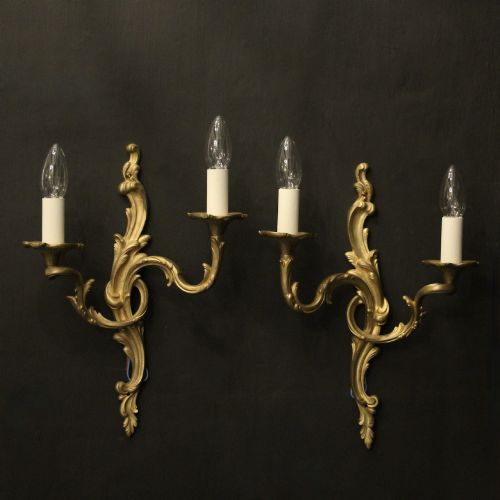
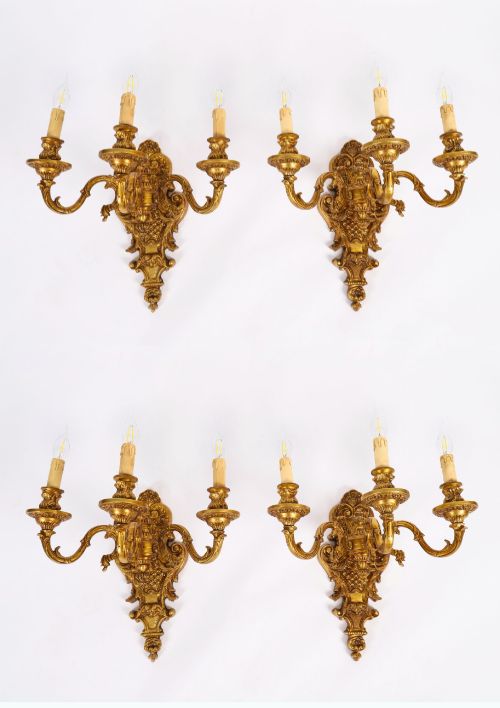
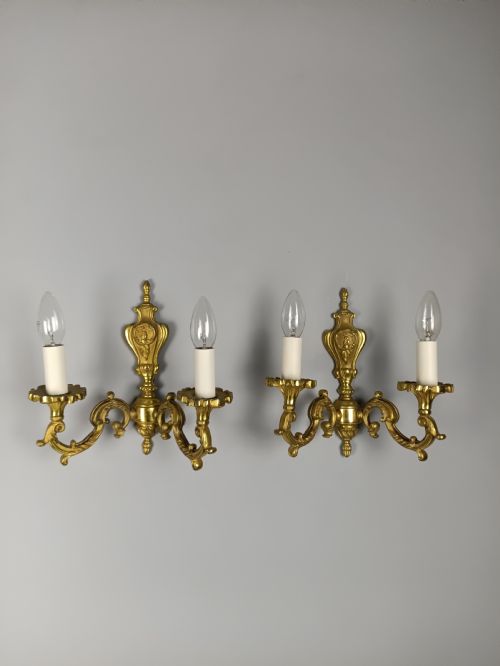
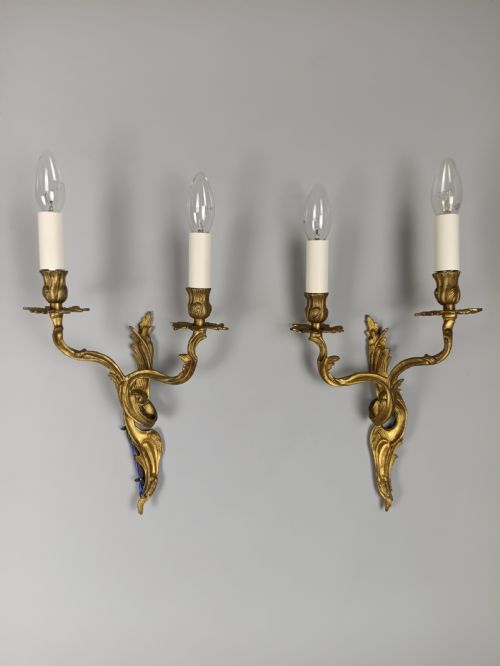
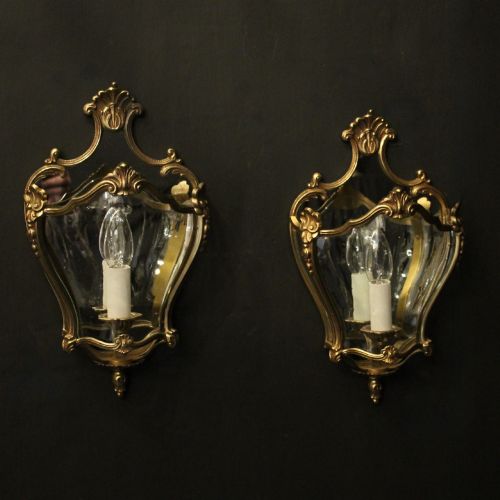
A rococo sconce pair consists of matching wall-mounted lighting fixtures or candleholders designed in the ornate, fluid style of the eighteenth century and its later revivals. Buyers searching this phrase most frequently encounter French and Italian examples dating from the nineteenth and early twentieth centuries.
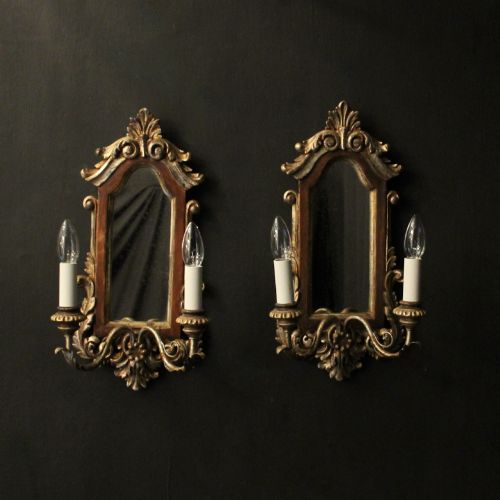
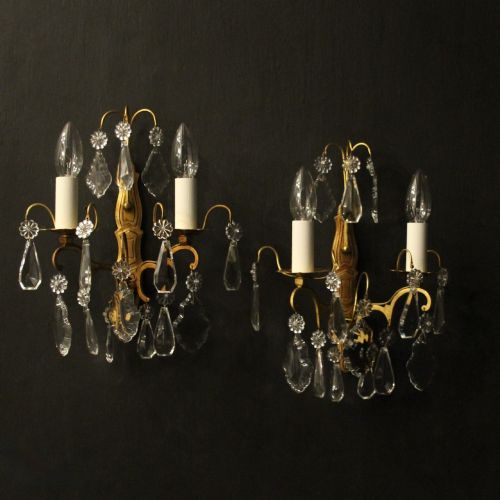
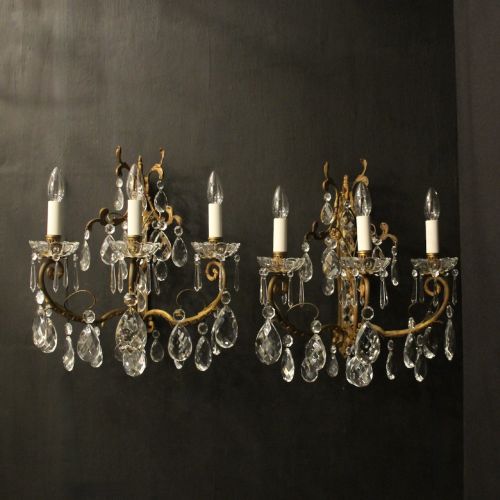
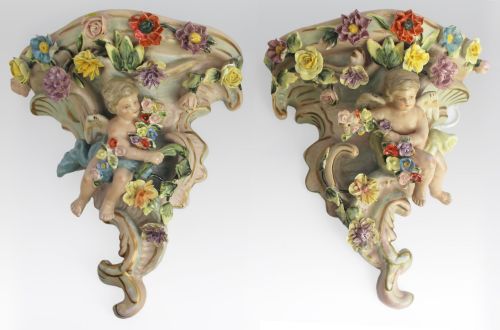
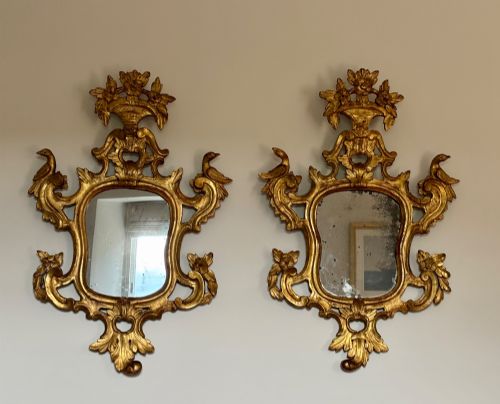
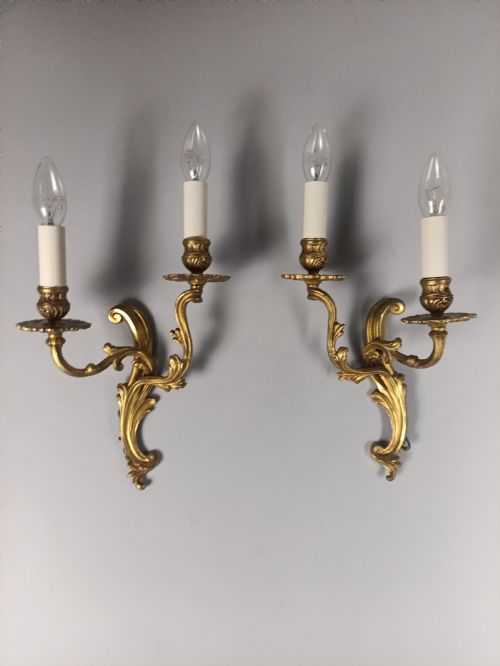
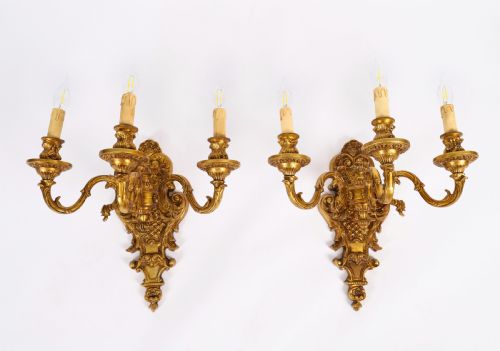
The selections span double-arm and triple-arm configurations, often paired with matching mirrors or incorporating carved cherubs and floral porcelain elements. These decorative wall lights emerge predominantly in gilded finishes, reflecting historical tastes for lavish interiors.
How they were made
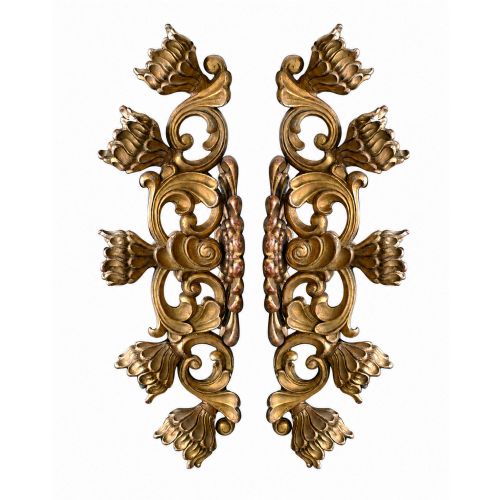
Metal components such as bronze, brass and ormolu were cast and meticulously chased to achieve the characteristic scrolling foliage and asymmetrical shell motifs of the style. Gilding was then applied to the surfaces, whether through traditional leaf application on carved wood or fire gilding on metal fixtures.
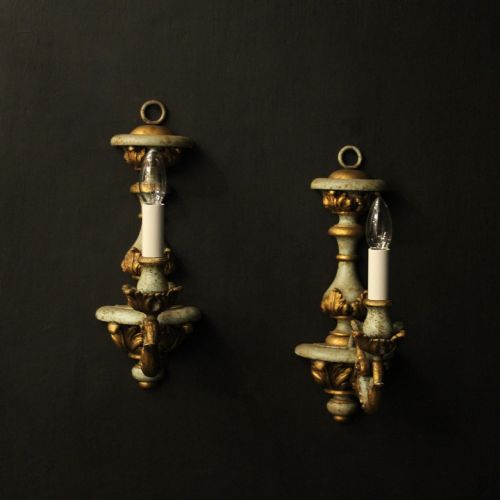
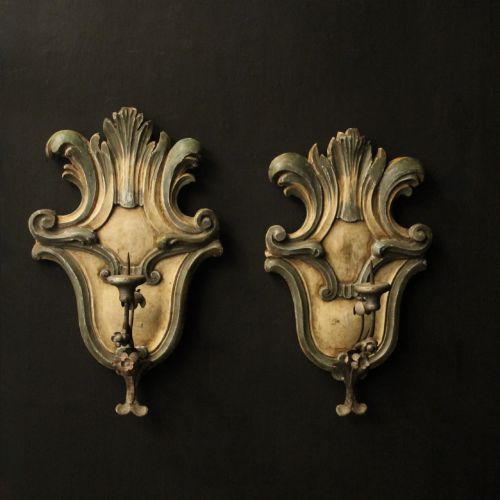
Wooden girandoles and wall brackets relied on hand-carving techniques to shape intricate frames before the application of gesso and gold leaf. Porcelains, when included, were shaped and glazed to introduce delicate floral or figural details to the metallic framework.
Materials documented across the inventory include ormolu, hand-carved giltwood, Murano glass, and hard paste porcelain elements.
What varies in quality
The depth and crispness of the chasing on bronze and ormolu distinguish superior examples from simpler cast reproductions. Finely articulated hand-carving in giltwood frames demonstrates a higher level of artisanal skill compared to heavily moulded or flat decoration.
The integration of secondary materials, such as hand-painted porcelain flowers or fine Murano glass elements, alters the sophistication of the design. Preservation of the original gilding layers and structural integrity also heavily influence the standing of any given set.
The Rococo Sconce Pair Glossary
- Ormolu
- Gilded bronze, where finely ground gold is amalgamated with mercury and applied to a bronze base through heat. This technique creates a durable, luminous golden finish characteristic of high-end French metalwork.
- Girandole
- A branched wall light or candelabrum, frequently incorporating a mirror to reflect and amplify the candlelight. These pieces combine illumination with decorative reflective surfaces.
- Appliqué
- A wall sconce or decorative wall-mounted light fitting fixed directly to the surface. The term is commonly used interchangeably with wall lights in French decorative arts.
- Giltwood
- Wood that has been coated with a very thin layer of gold leaf over a prepared gesso ground. It provides a rich, warm metallic lustre suited to elaborate carving.
- Pricket candle
- A candleholder featuring a sharp central spike upon which the base of a candle is impaled. This historic method secures tapers without requiring a socket.
Rococo Sconce Pair: Frequently Asked Questions
How were sconces used historically?
Historic wall lights held candles to illuminate rooms, often positioned beside mirrors to maximise the available light.
Their reflective gilded surfaces helped bounce flickering candle flames around dark panelled chambers before the advent of electricity.
How do I wire antique wall lights?
Many antique fittings are adapted for modern electrical wiring by professional conservators using internal conduits.
It is essential to have a qualified electrician inspect and install older brass or bronze fixtures to ensure safety compliance.
How do I identify a revival period?
Revival pieces from the nineteenth and early twentieth centuries borrow the sweeping asymmetry and floral motifs of eighteenth-century design.
Examination of the casting methods, screw threads and underlying metal composition helps differentiate original period items from later interpretations.
What is the difference between brass and ormolu?
Ormolu consists specifically of gilded bronze, whereas brass is a distinct copper and zinc alloy with its own inherent yellowish tone.
Ormolu generally displays a deeper, more refined golden surface due to the amalgamation process used by period metalworkers.