

Rococo Revival Salon Chair
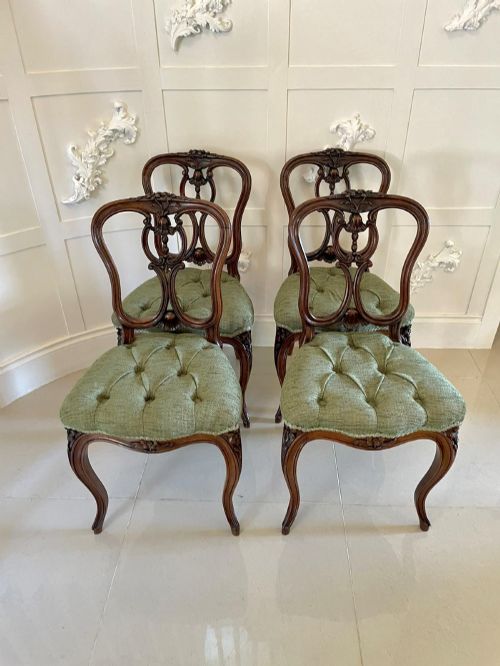
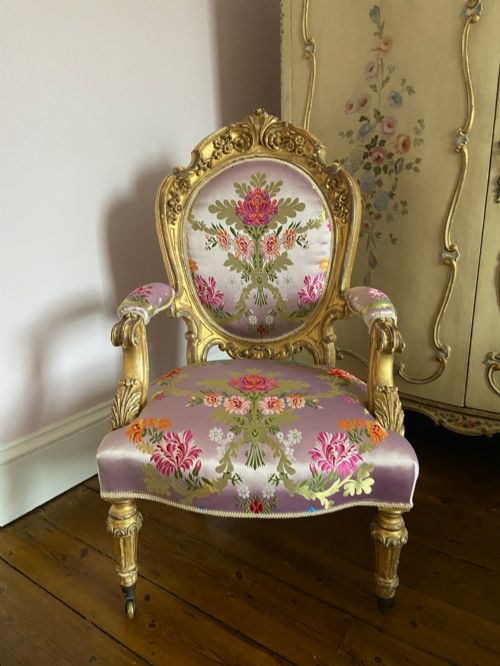
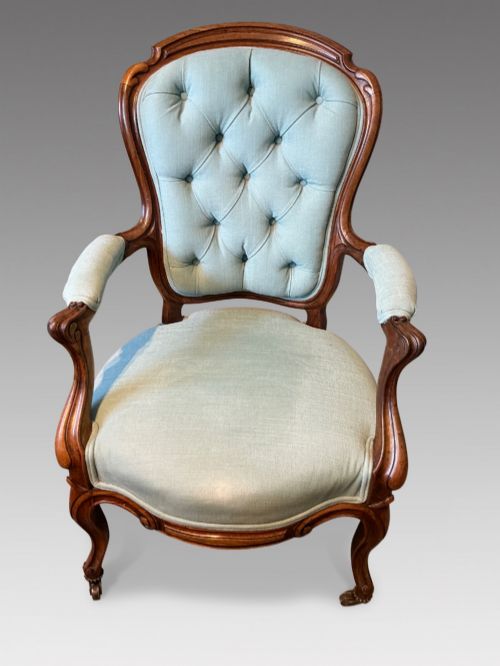
A rococo revival salon chair brings sweeping Victorian curves and carved flourishes into a drawing room.
Rococo Revival Salon Chair
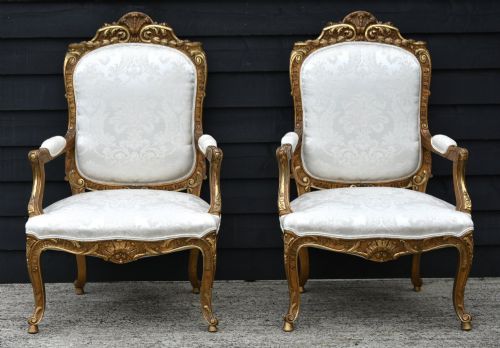
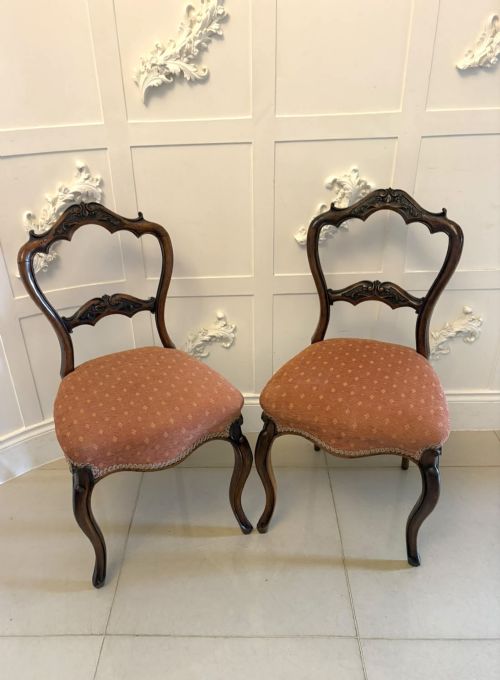
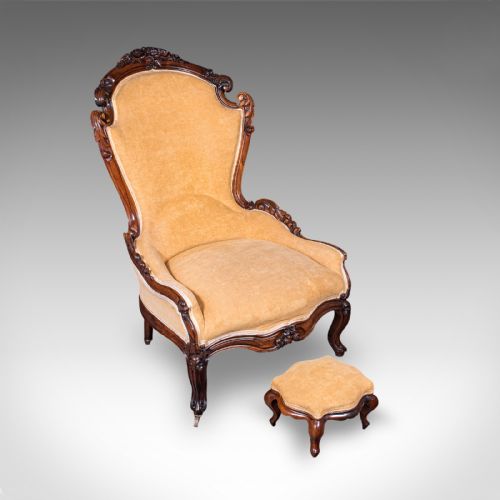
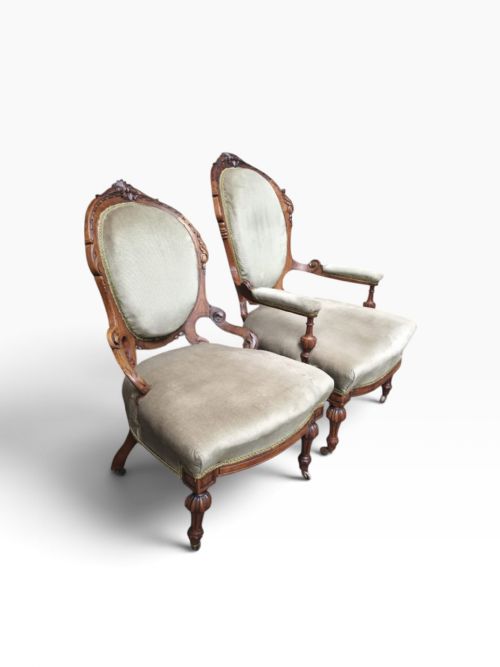
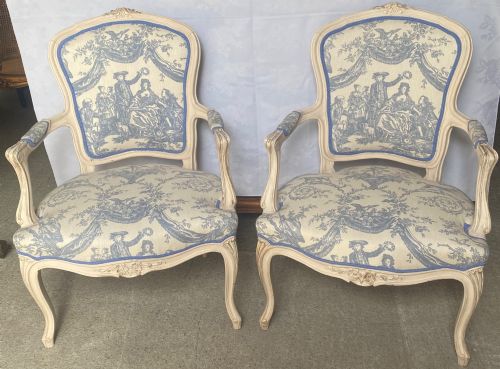
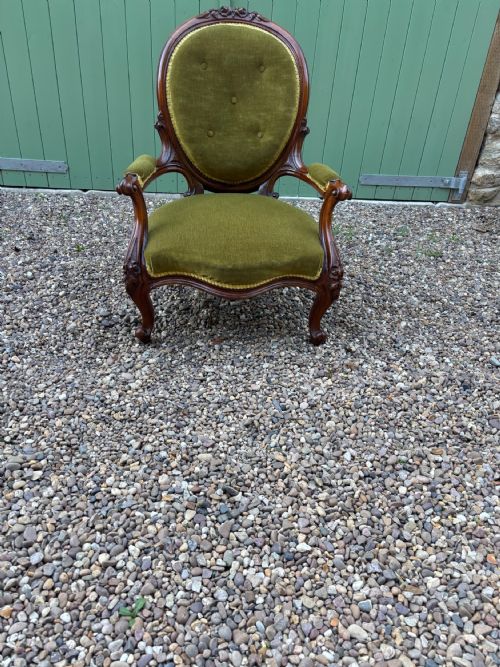
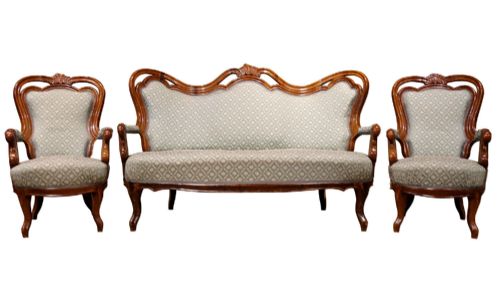
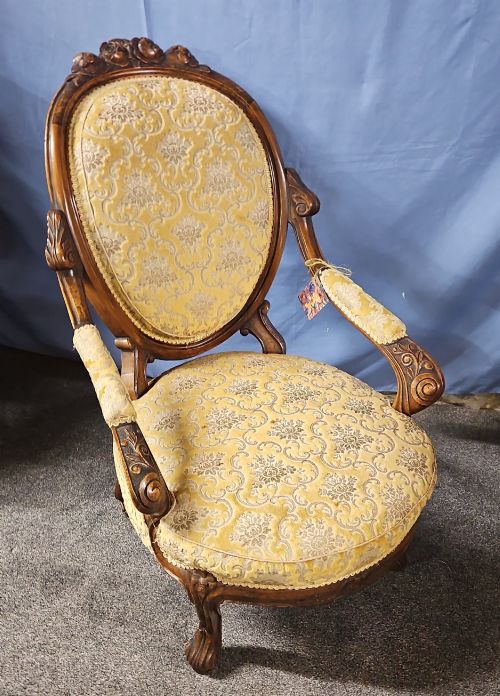
When you search for a rococo revival salon chair, you are looking at nineteenth-century seating that revives the flamboyant, asymmetrical forms of the mid-eighteenth century. The pieces you meet on this page date principally from the Victorian era, spanning decades from eighteen-fifty to nineteen-ten, and include armchairs, side chairs, and larger salon suites.
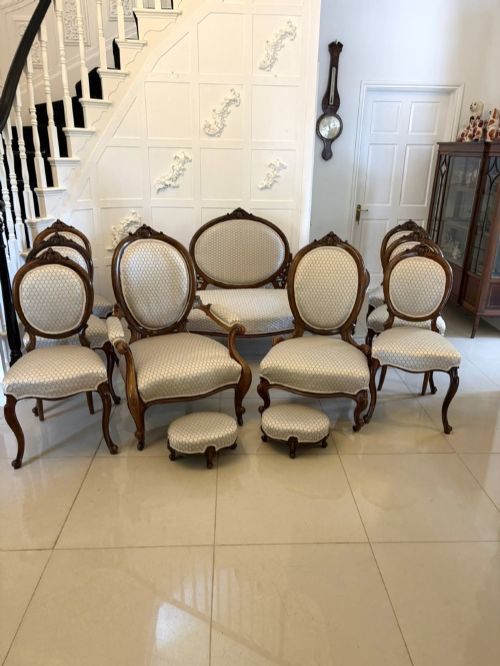
Makers shaped these frames primarily from dense hardwoods like walnut, mahogany, and rosewood, alongside gilded wood and kingwood. You encounter them as single open armchairs, matched pairs, or larger sets intended for formal entertaining and leisurely parlor use.
How they were made
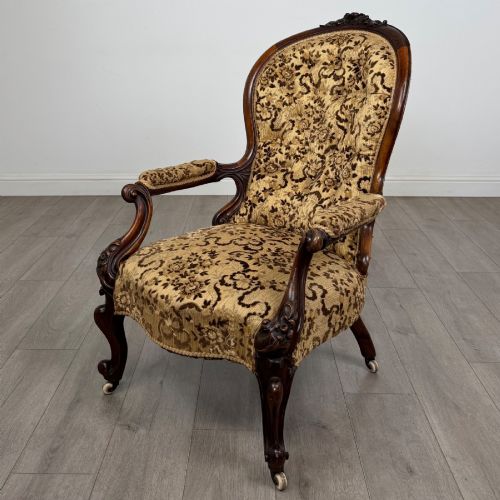
Cabinetmakers constructed these frames using solid walnut, mahogany, and rosewood, often employing deep hand-carving to achieve the signature serpentine rails and floral motifs. Workshops combined exposed timber framing with sprung upholstery covered in velvet, silk, or needlework.
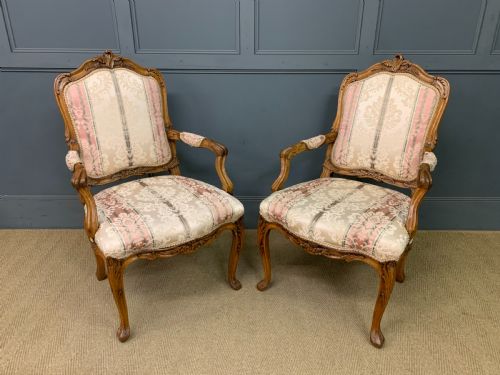
French examples incorporate decorative elements such as giltwood surfaces and ormolu mounts fitted to exotic woods like kingwood. Upholstery techniques varied from traditional stuffed backs to sprung spoonback designs and low nursing seats.
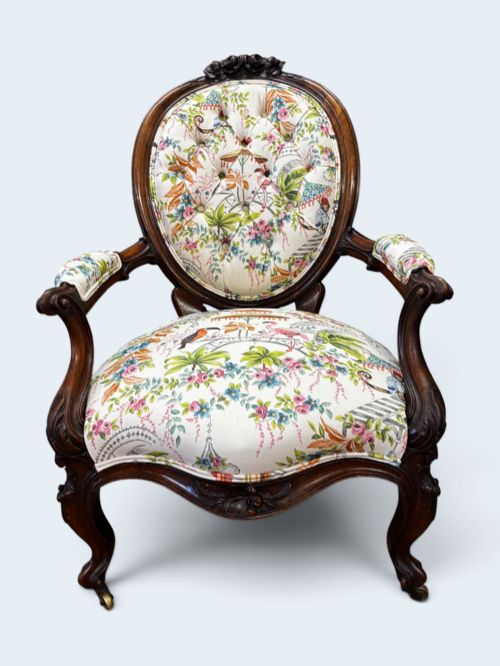
Upholstery materials seen include contemporary fabric, velvet, silk parrot design textiles, and hand-worked needlework covers.
What varies in quality
The distinction between standard seating and top-tier examples lies in the crispness of the wood carving and the weight of the timber frame. Fine pieces display deep, fluid relief work along the cabriole legs and crest rails rather than shallow, mechanical shaping.
Cohesion across a matching set or salon suite elevates a piece, as does the integration of specialist decorative touches like ormolu mounts or intricate parquetry work. The choice of original or sympathetic upholstery fabrics also separates basic utility seating from grand parlor centerpieces.
Morison & Co of Edinburgh
The Rococo Revival Salon Chair Glossary
- Cabriole leg
- A furniture leg that curves outward at the knee and tapers inward toward the foot, mimicking animal limbs. This form is central to the rococo revival aesthetic.
- Spoonback
- An upholstered chair back shaped in a concave oval resembling the bowl of a spoon. It fits the human spine closely for comfort.
- Ormolu
- Gilded bronze mounts applied as decorative highlights to furniture frames. It appears frequently on fine French pieces.
- Parquetry
- Geometric patterns of wood veneer laid down on a surface. It creates detailed mosaic effects across chair frames and tabletops.
Rococo Revival Salon Chair: Frequently Asked Questions
What is a rococo revival salon chair?
A rococo revival salon chair is a nineteenth-century seat modelled on eighteenth-century French Louis the fifteenth designs. These pieces feature curved wooden frames and floral carvings.
You find them in walnut, mahogany, and rosewood, often upholstered in velvet, silk, or needlework for formal Victorian parlours.
How do I date a rococo revival chair?
Dating relies on timber choice, construction methods, and stylistic indicators recorded across the Victorian period. Walnut and rosewood dominate mid-nineteenth-century examples.
Later pieces from the eighteen-nineties onward often display heavier Continental influences or modified cabriole legs characteristic of the period.
Where were these chairs used?
These seats furnished formal Victorian drawing rooms, parlours, and reception spaces where entertaining guests took place. Open armchairs and matching suites provided decorative seating options.
Smaller side chairs and nursing seats were easily moved around the room to accommodate gatherings and conversation circles.
How do I care for antique upholstery?
Protect antique textiles by keeping them out of direct sunlight to prevent fading of delicate fabrics like silk and velvet. Gentle vacuuming with a soft brush attachment removes surface dust.
Condition wooden frames with appropriate furniture wax while avoiding harsh chemical cleaners that might damage the polished timber finish.