
Vintage Cream Upholstered Chair
A vintage cream upholstered chair brings tactile texture and period presence to a room, spanning styles from Victorian and Edwardian to Art Deco.
Vintage Cream Upholstered Chair
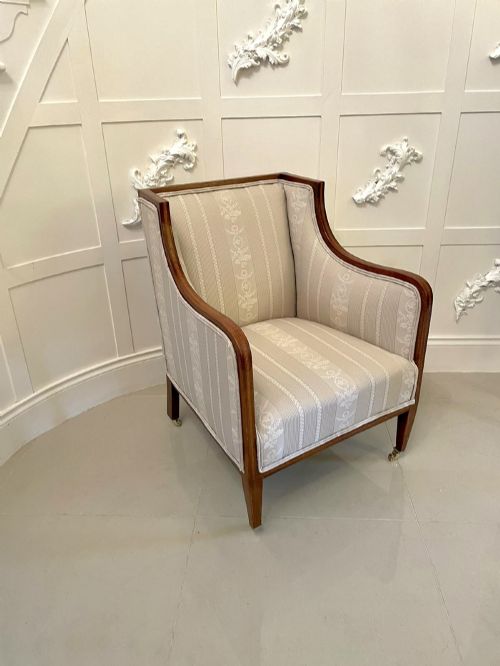
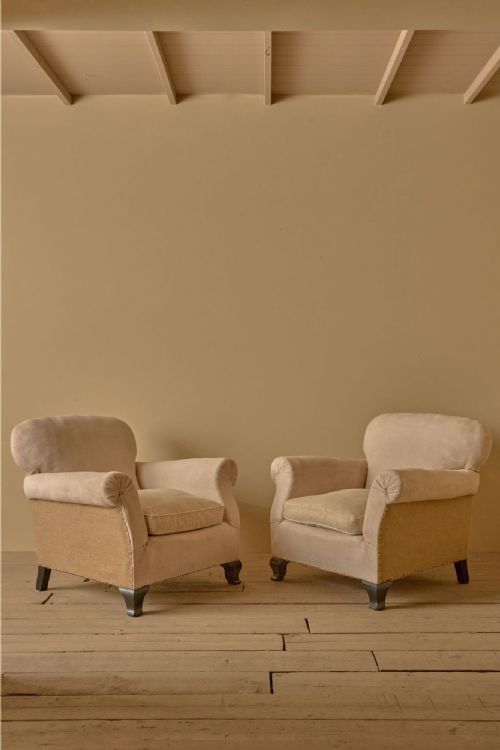
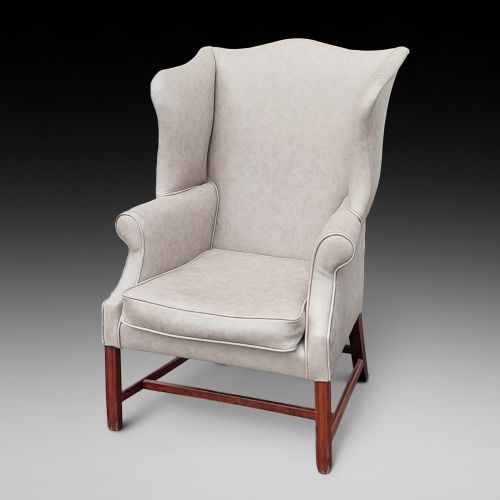
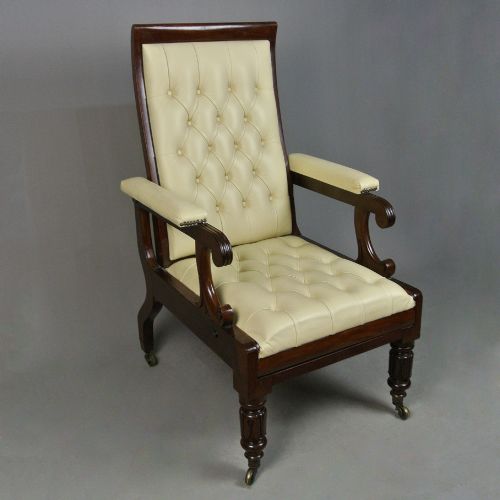
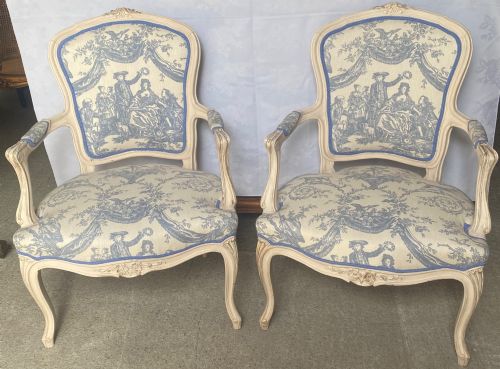
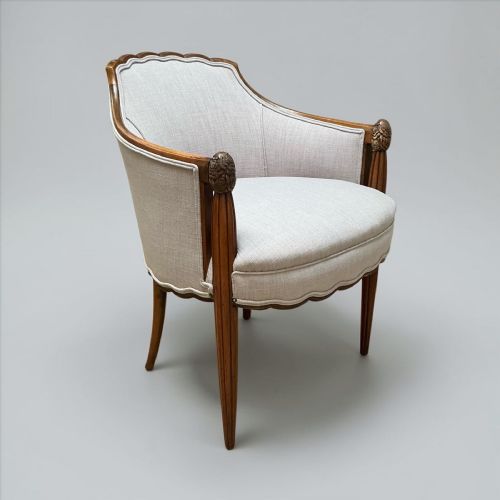
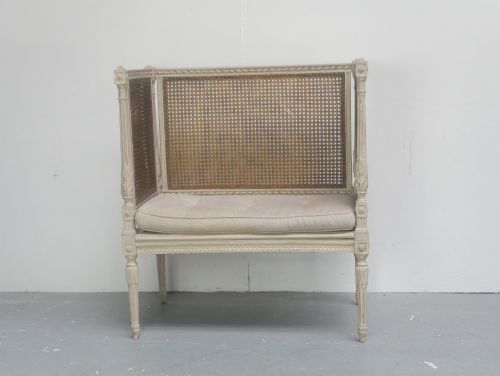
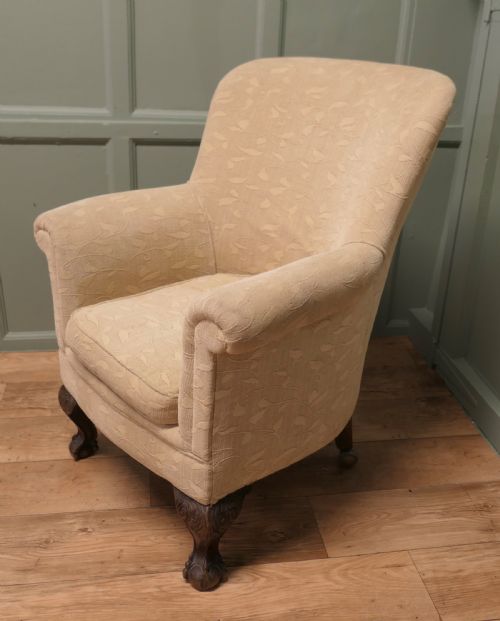
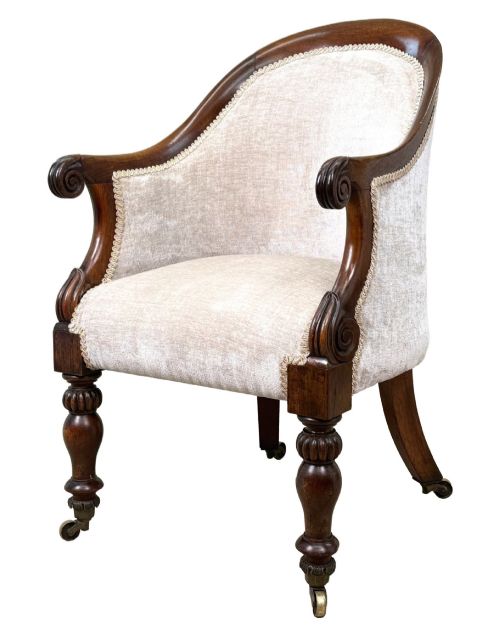
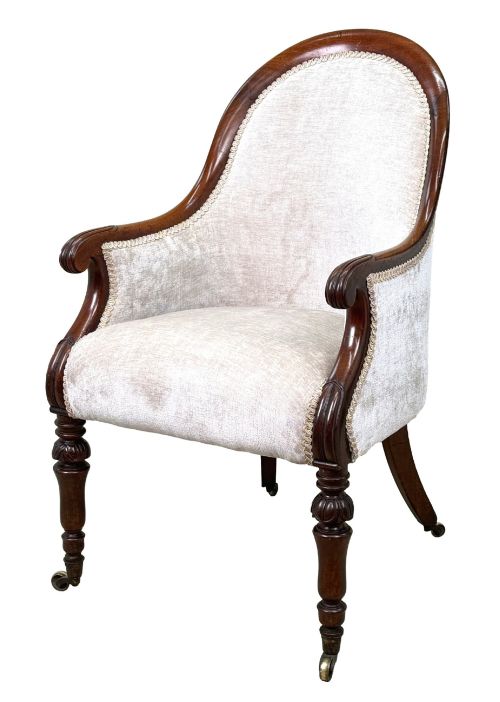
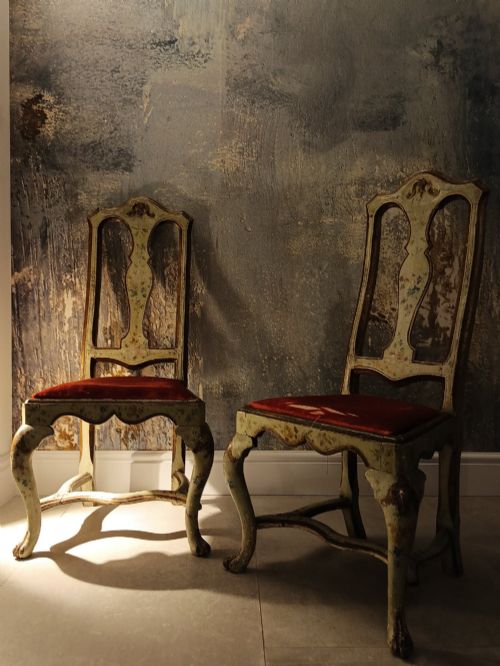
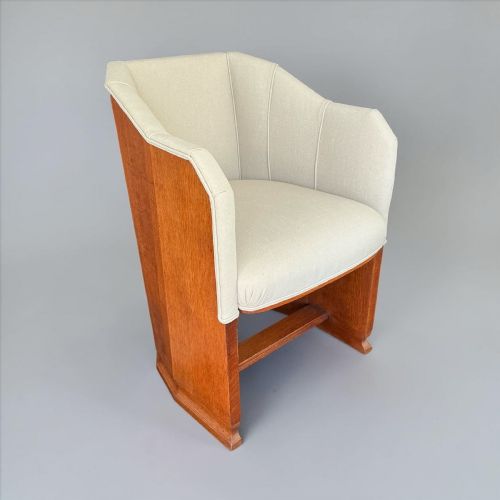
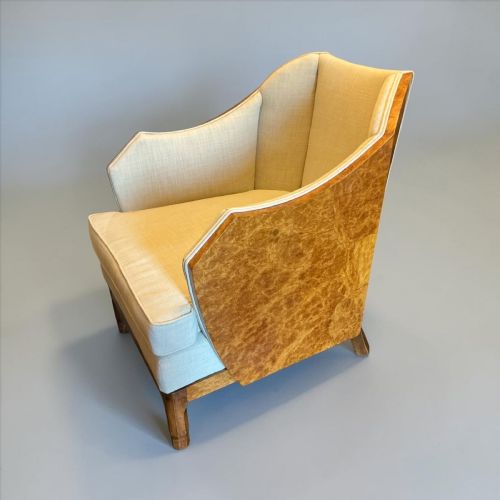
When searching for a vintage cream upholstered chair, buyers encounter seating spanning the eighteenth, nineteenth, and twentieth centuries, including Victorian, Edwardian, and Art Deco periods. Forms range from library armchairs and tub chairs to dining chairs, side chairs, and daybeds.
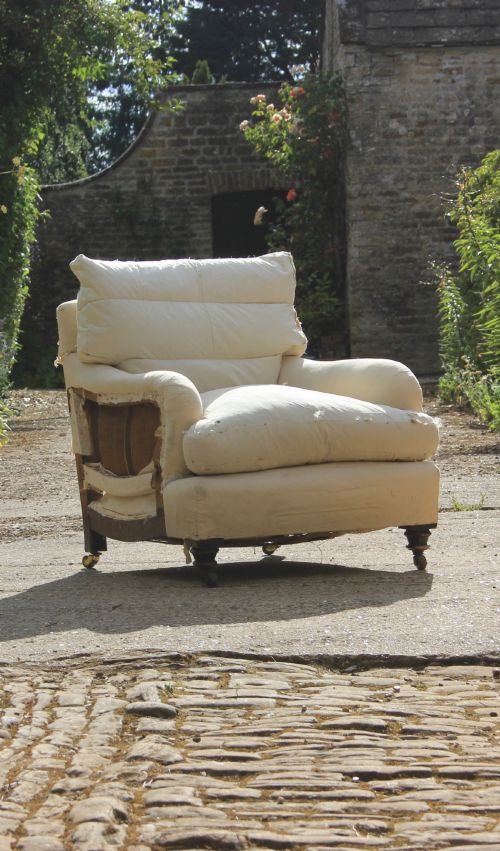
The material palette of these pieces often combines exposed timber frames in mahogany, walnut, rosewood, or painted finishes with pale fabric upholstery such as calico.
What varies in quality
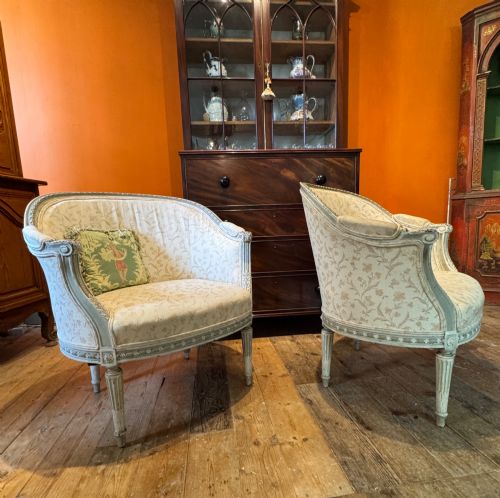
The distinction between tiers rests upon the precision of the timber carving, the integrity of the frame construction, and the harmony of the chosen style, whether French Provincial, Regency, or Louis XV.
Original finishes, such as early paint layers or patinated mahogany and walnut surfaces, elevate the character of a piece compared to later alterations.
Periods represented span from the 18th century through the Victorian and Edwardian eras into Art Deco and mid-20th-century French designs.
Mellier and Co·Bath Cabinet Makers
The Vintage Cream Upholstered Chair Glossary
- Calico
- A plain-woven unbleached cotton textile frequently used as a base upholstery layer or covering on antique seating. It provides a neutral, durable surface before topcovers are applied.
- Tub armchair
- An upholstered seat with a continuous curved back and arms forming a rounded enclosure. This form appears frequently across nineteenth-century and Edwardian designs.
- Bergere
- An enclosed upholstered armchair with wooden framing around the sides and back. French examples often feature exposed painted or carved wood elements.
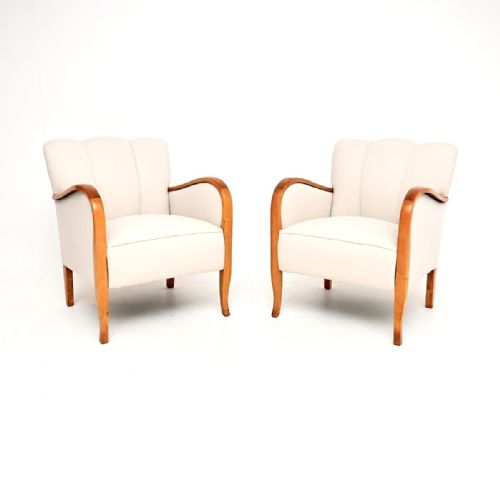
- Satin birch
- A pale, figured timber utilised in Scandinavian Art Deco pieces. It offers a smooth grain and warm tone that complements lighter upholstery.
- Goncalo Alves
- A dense exotic hardwood sometimes called zebrawood, used for distinct nineteenth-century armchair frames. Its contrasting grain patterns bring strong visual weight to a room.
Vintage Cream Upholstered Chair: Frequently Asked Questions
How do I clean cream upholstery?
Maintenance depends entirely on whether the fabric is a natural cotton, calico, or leather. Gentle surface brushing removes loose dust without disturbing the fibres.
Spot cleaning requires testing a mild solution on a hidden area first. Professional cleaning is advisable for antique textiles to protect the underlying frame.
Are these chairs suitable for daily seating?
Most nineteenth and twentieth-century chairs are structurally robust for regular use. Solid hardwood frames in mahogany and walnut offer lasting stability.
Checking the internal webbing and joints ensures the seat supports daily sitting safely. Lighter decorative bedroom chairs suit less rigorous service than library armchairs.
How do I identify Art Deco chairs?
Art Deco pieces from the nineteen-thirties feature streamlined geometric forms and materials like satin birch. They often discard ornate carving in favour of clean, symmetrical silhouettes.
Matching suites and club chairs are typical of this modernist movement. Their upholstery lines follow the architectural curves of the wooden or leather frame.