


Rococo Revival Candlesticks
Rococo revival candlesticks bring exuberant 19th-century asymmetrical curves, scrolling foliage, and figural charm directly to the table.
Rococo Revival Candlesticks
Rococo revival candlesticks channel the flamboyant spirit of earlier continental design through 19th-century manufacturing methods. Pieces on this page span the Victorian era, the French Second Empire, and the Napoleon III period, alongside specific dates from the 1850s to the 1920s.
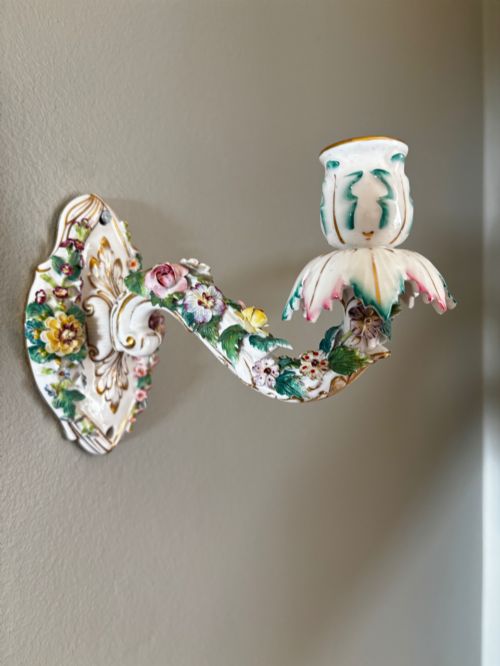
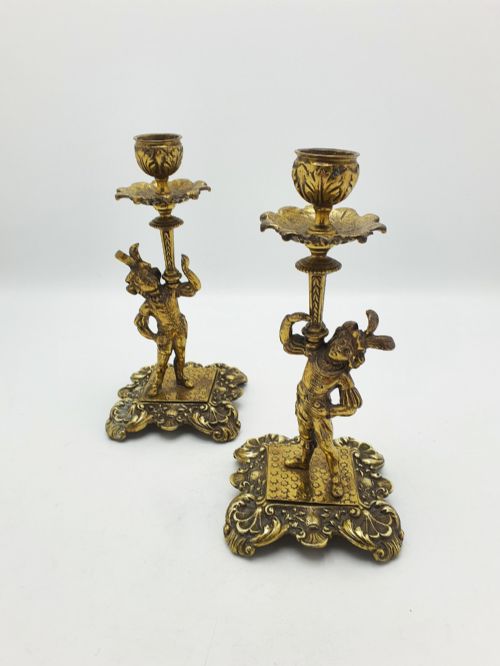
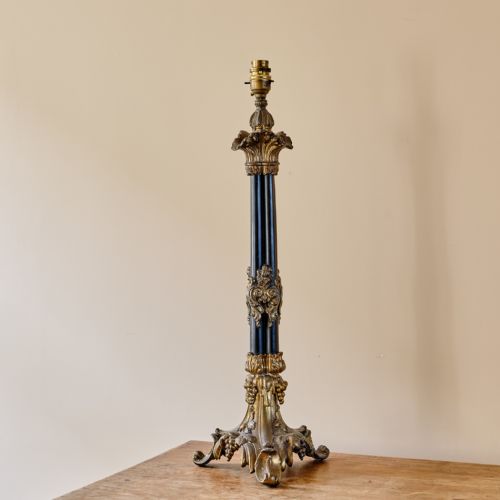
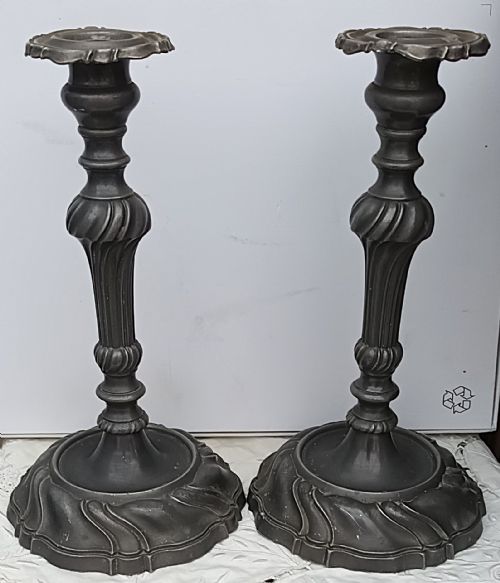
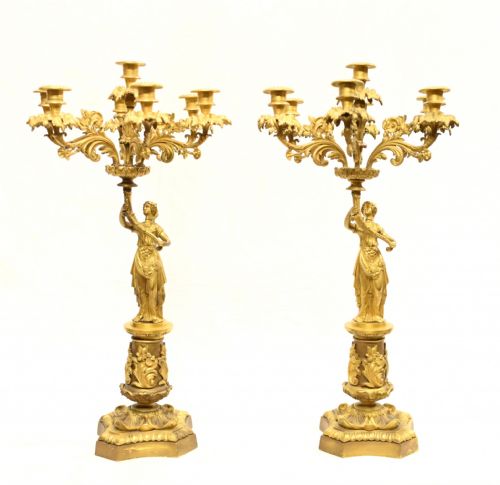
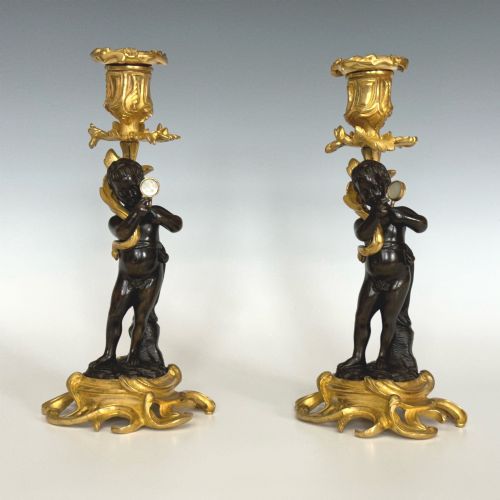
Forms extend beyond simple single-light sticks to include multi-branch candelabra, wall sconces, go-to-bed taper sticks, and bases later adapted into table lamps. French and German ateliers dominate the selection, frequently pairing sculptural human figures or cherubs with elaborate naturalistic bases.
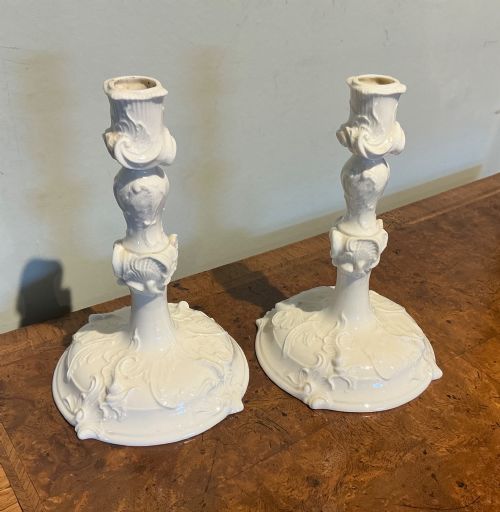
The aesthetic relies on shell motifs, C-scrolls, and plant tendrils that curve organically without strict symmetry. Buyers will encounter pairs cast in metal as well as glazed porcelain figural groups supporting candle nozzles.
Materials and construction
Foundry methods of the period utilised cast bronze, brass, ormolu, and pewter to create robust metal frames with deep relief decoration. Ormolu involves applying finely ground high-carat gold to a bronze base, producing a warm and enduring metallic lustre.
Ceramic examples employ hard-paste porcelain shaped in moulds, then hand-painted with polychrome enamels and gilt highlights. Marble plinths frequently provide a heavy, contrasting foundation for bronze or gilt-metal figures.
Rococo Revival Candlesticks Retail Price Guide 2026
Typical asking prices for rococo revival candlesticks among the pieces listed under this phrase on Sellingantiques today, from the lower quarter to the upper quarter. They describe what is for sale here now, not the wider market.
Several Victorian pieces feature cheerful ceramic gardeners and lute players cheerfully multitasking while holding up your evening illumination.
Assessing quality and execution
Porcelain examples derive their standing from the delicacy of modelled flowers, fingers, and drapery, paired with precise hand-painting rather than flat decal application. Original matching components, such as drip pans and detachable nozzles, maintain the integrity of the piece.
Meissen·Sitzendorf·Minton·Nymphenburg·Dresden
The Rococo Revival Candlesticks Glossary
- Ormolu
- Gilded bronze produced by applying a mercury-gold amalgam to a bronze object and heating it until the mercury vaporised, leaving a durable golden coating.
- Candelabra
- A branched candlestick holding multiple lights on separate arms diverging from a central shaft.
- Go-to-bed
- A small, compact candlestick designed for carrying up to the bedroom before the invention of electric lighting.
- Sconce
- A wall-mounted lighting fixture with brackets to support candles or lamps.
- Enamel
- A glassy substance fused to metal or ceramic surfaces through firing to add colour and protective decoration.
Rococo Revival Candlesticks: Frequently Asked Questions
What is the difference between a candlestick and a candelabra?
A candlestick holds a single candle in an upright socket atop a shaft and base. A candelabra branches out into multiple arms to support several candles simultaneously.
While both serve lighting functions, multi-branch examples were typically used as decorative centrepieces on dining tables or sideboards during the 19th century.
How are porcelain figures incorporated into the design?
Porcelain figures often depict cherubs, shepherds, or allegorical characters intertwined with floral bowering and scrolling candle nozzles. These sculptural elements were moulded in sections, fired, and hand-painted.
German factories frequently specialised in these elaborate figural groups resting on rocaille bases.
Were these items electrified later?
Many 19th-century metal and porcelain lighting pieces were converted to electricity during the 20th century to serve as table lamps. Some retain their original socket fittings, while others were adapted without drilling the base.
Buyers should examine the wiring pathway and fitting type to understand the history of the object.
How do I care for gilt bronze and ormolu?
Gilt bronze and ormolu require gentle dusting with a soft, dry cloth to prevent accumulation in recessed crevices. Water and commercial metal polishes must be avoided, as abrasive cleaning strips the thin gold layer from the bronze underneath.
Stable indoor humidity preserves both the metal surfaces and any marble plinths supporting them.