

Rococo Picture Frame
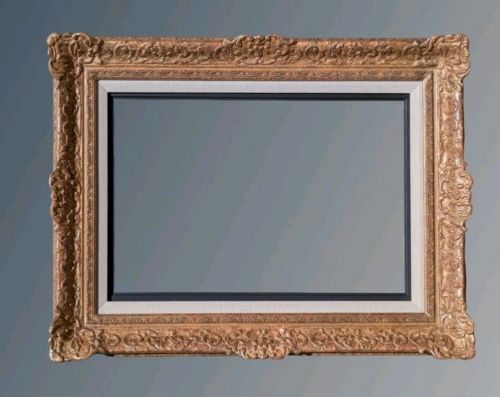
A rococo picture frame brings exuberant C-scrolls, asymmetric curves, and organic leaf motifs to any artwork it holds.
Rococo Picture Frame
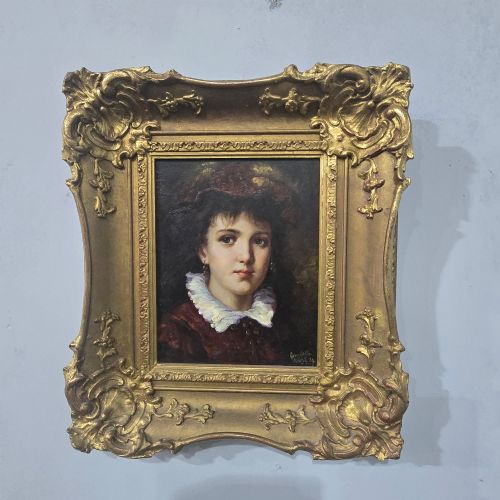
A rococo picture frame is a decorative border designed to enclose paintings, mirrors, portraits, and prints while serving as a sculptural artwork in its own right. These pieces emerge from historical periods spanning the eighteenth, nineteenth, and early twentieth centuries, reflecting enduring revivals of decorative arts.
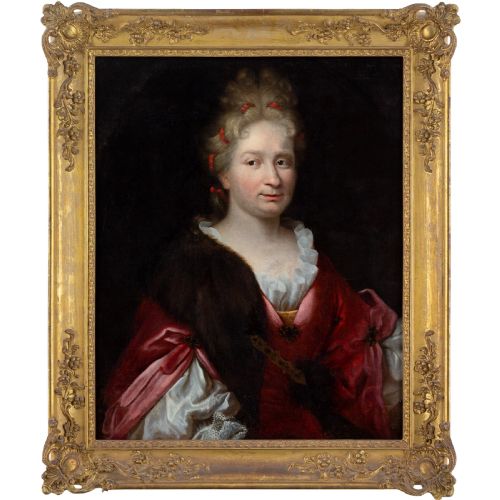
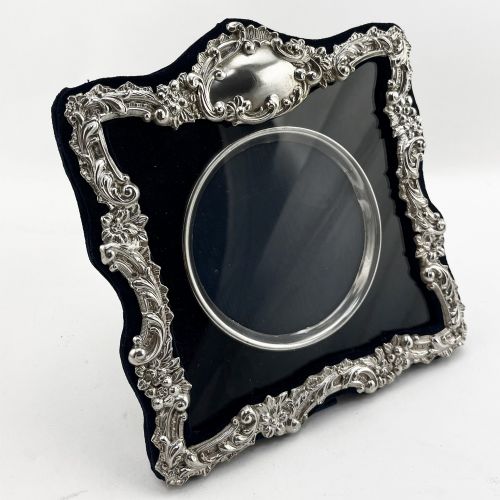
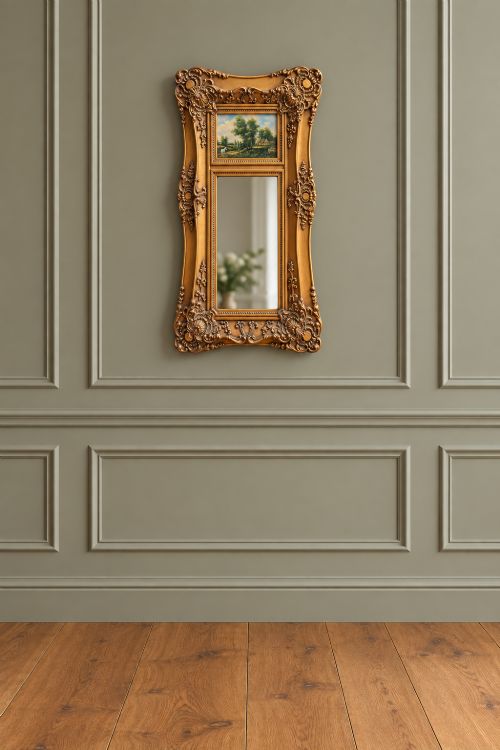
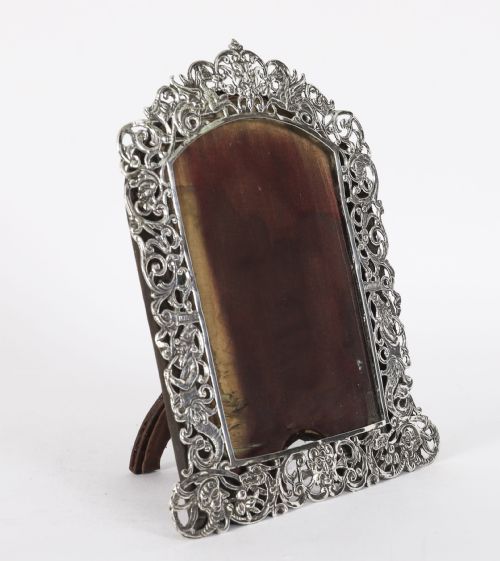
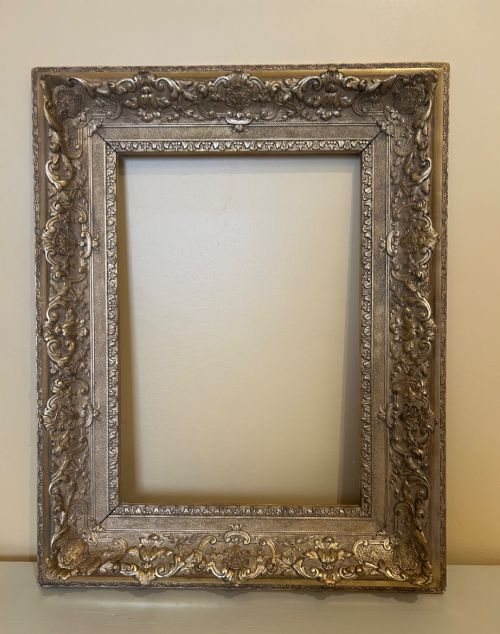
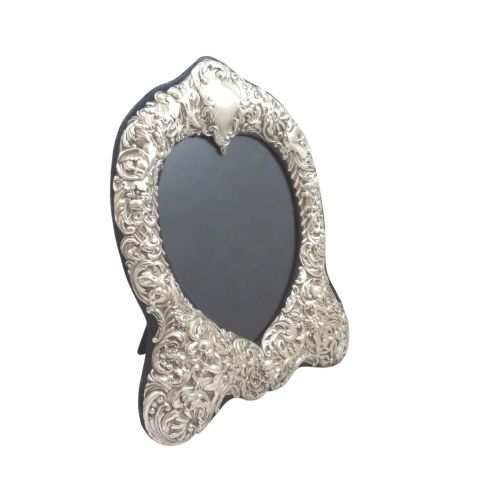
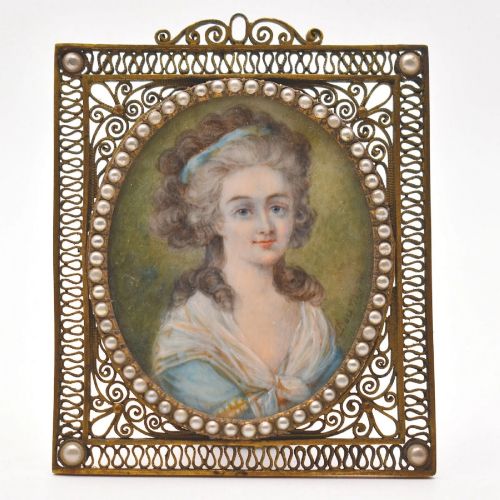
Buyers will encounter various forms ranging from large swept wooden wall mirrors and oil painting surrounds to smaller sterling silver and brass photo frames. Many examples display the dramatic, undulating profiles characteristic of Victorian rococo revival and French rococo styles.
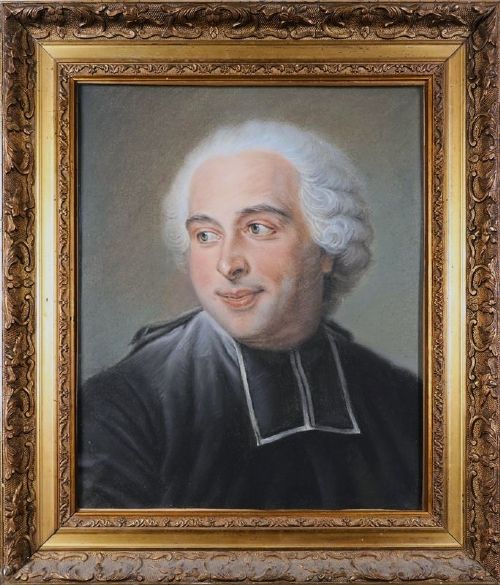
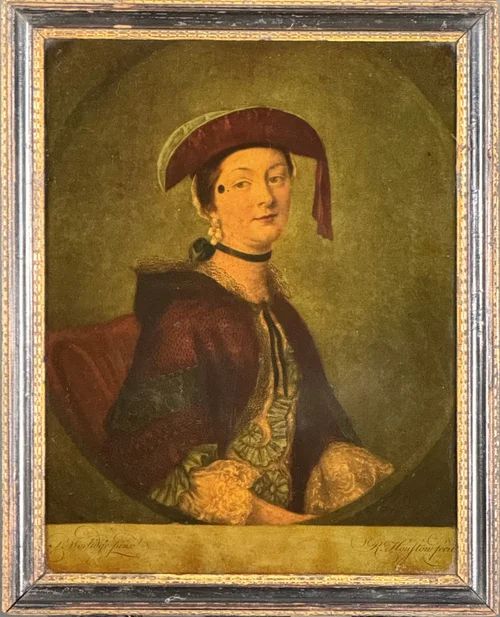
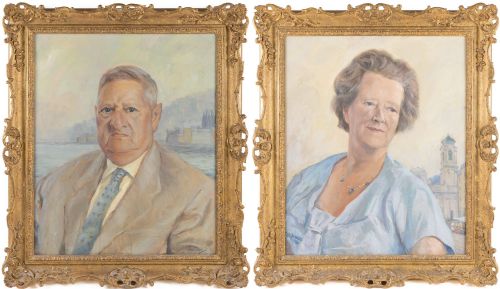
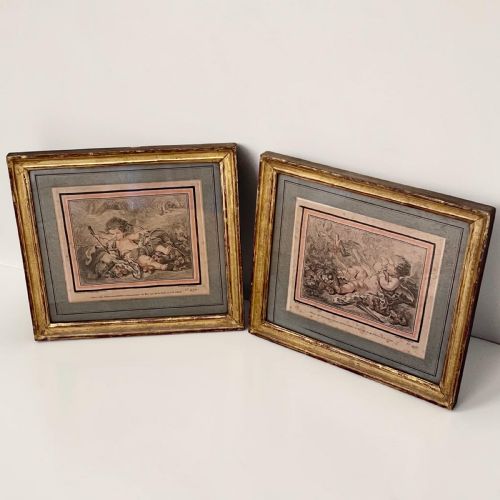
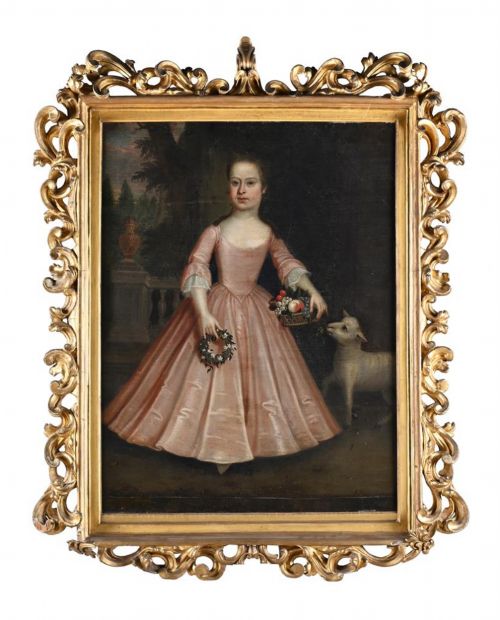
The selection includes empty framing designed for canvases as well as complete historic items housing period watercolours, oil paintings, engravings, and needlework pictures. These items function equally well as standalone wall decor or as period-correct housings for historic canvases and photographs.
How they were made
Makers constructed the primary structure of these items using timber foundations, applying layers of gesso to build up the intricate relief ornament. Craftsmen then sculpted or moulded the plaster mixture into asymmetrical scrolls, shell motifs, and floral garlands before applying gold leaf or liquid gilding.
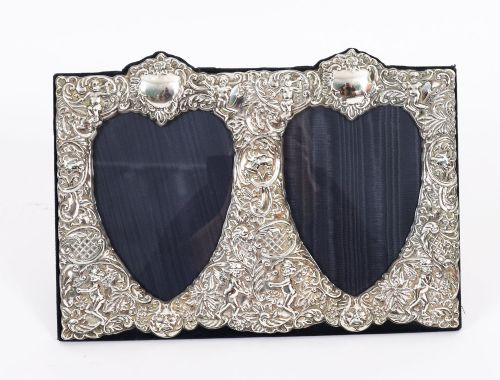
Metal versions utilise sterling silver or brass, often shaped through casting and embossing techniques to achieve similar flowing curves and figural details like cherubs and angels. Wooden frames frequently employ swept profiles, where deep mouldings curve outward to create a sense of theatrical depth around the image.
Several pieces on offer manage to squeeze cherubs, angels, birds, and an entire garden music recital into their gilded metallic borders.
What varies in quality
The standard of carving and moulding dictates the visual impact of each piece, distinguishing hand-shaped wooden relief work from repetitive cast plaster production. Crisp definition in the C-scrolls, foliage, and corners indicates superior craftsmanship during the initial shaping process.
The integrity and application of the gilding further define the upper tier of objects, where original gold leaf ages with a soft, uniform warmth rather than flat modern paint. Heavier timber construction and deeply swept wooden profiles also provide greater structural stability and visual presence.
Rosenthal Jacob & Co·Charles Spooner·Jonny Gaston
The Rococo Picture Frame Glossary
- Gesso
- A plaster-like mixture applied to wooden frames as a base for moulding and gilding. This substance allows artisans to carve intricate relief patterns before applying gold leaf.
- Giltwood
- Timber that has been coated with gold leaf or gold paint. This finish provides the characteristic metallic brilliance seen on period surrounds.
- Swept frame
- A frame profile featuring deep, curving mouldings that sweep outward from the inner edge. This design creates a dramatic theatrical border around the artwork.
- Rococo Revival
- A nineteenth-century artistic movement that revived the ornate, asymmetrical styles of the eighteenth-century French court. Pieces from this era lean heavily into flowing scrollwork and natural motifs.
- Embossing
- A metalworking technique where a design is raised from the reverse side using hammers and punches. Silver photo frames often utilise this method to depict cherubs or floral scenes.
Rococo Picture Frame: Frequently Asked Questions
How do I date a rococo picture frame?
Dating relies heavily on examining the underlying construction materials, such as the type of wood, the composition of the gesso, and fastening methods like old nails or screws. Stylistic shifts between the eighteenth century and later nineteenth-century revivals also provide clues through the crispness and complexity of the cast ornament.
Secondary indicators include backing materials, labels, and the nature of any gilding present. Earlier examples often show hand-carved detailing beneath the gesso, whereas later revival pieces may rely more heavily on moulded plaster relief.
Can I hang a heavy antique frame safely?
Hanging these items requires assessing the structural integrity of the corners and the weight of the timber and gesso construction. Many pieces feature substantial wooden cores that demand robust wall fixings rather than standard picture hooks.
Professional mirror plates or heavy-duty D-rings screwed securely into the wooden frame backing provide the necessary support. Checking that the joints remain rigid ensures the surround can safely bear its own weight over time.
Are silver photo frames marked with hallmarks?
Sterling silver examples frequently carry assay office hallmarks, maker's marks, and date letters stamped directly onto the silver border. These official stamps allow collectors to verify the exact year of manufacture and the silversmith responsible.
Common marks on these pieces point to late-nineteenth-century production periods. Examining these tiny stamps with a loupe reveals valuable history regarding the origin and authenticity of the metalwork.
What is the difference between a mirror and a picture frame?
While both share identical decorative moulding styles and construction methods, picture frames are historically proportioned to hold canvases, panels, or paper art. Wall mirrors integrate a mirrored glass plate directly into the rebates, often backed with protective boards.
Many large swept items were utilised interchangeably as mirrors or painting surrounds during the nineteenth century. Examining the backing and interior rebates usually clarifies whether the piece was originally built to display artwork or reflect a room.