

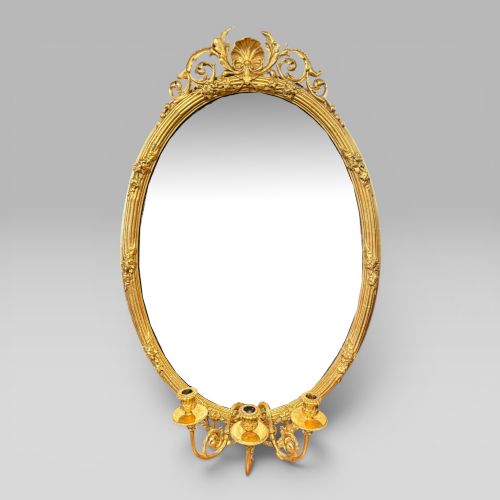
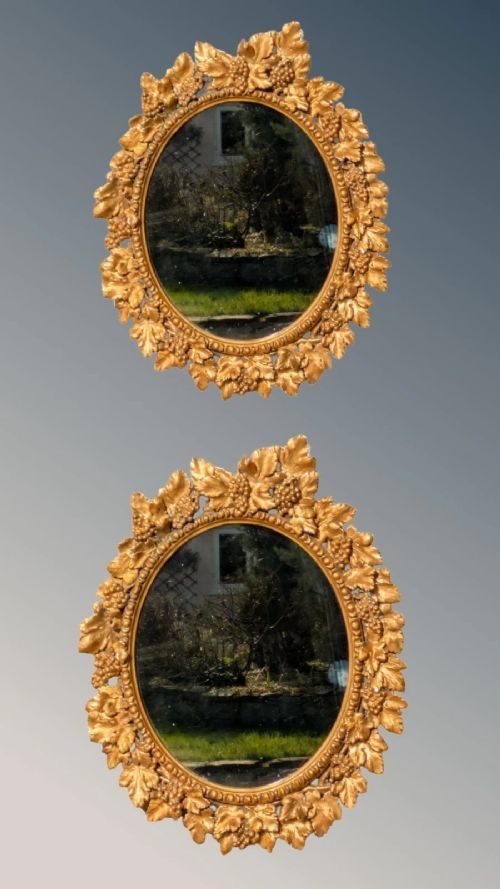
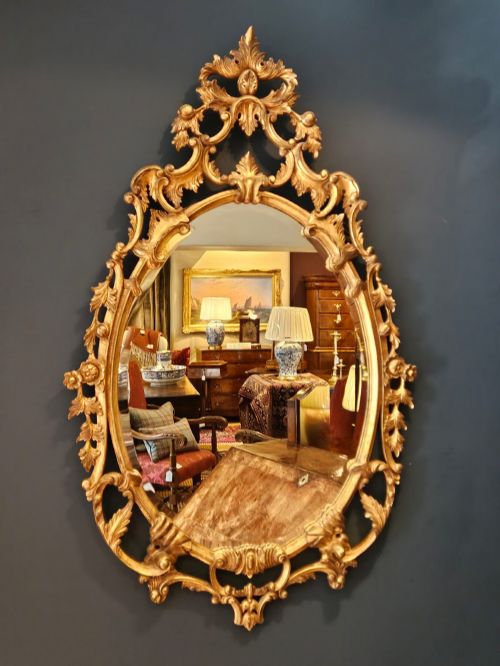
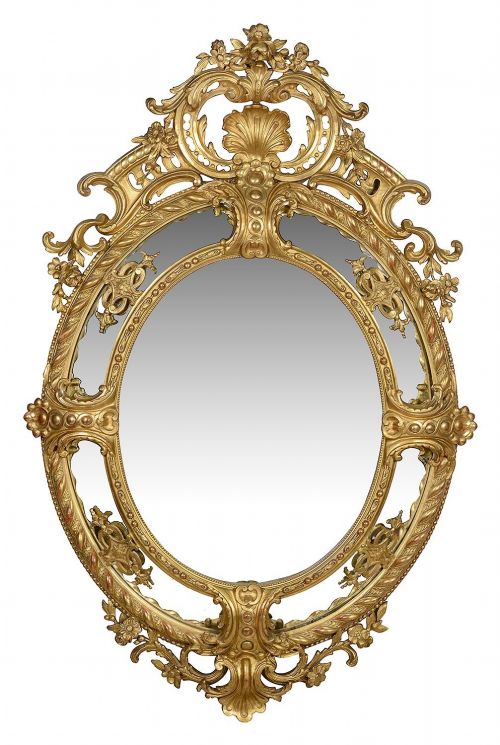
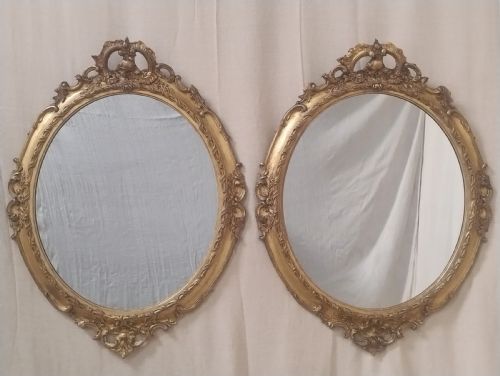


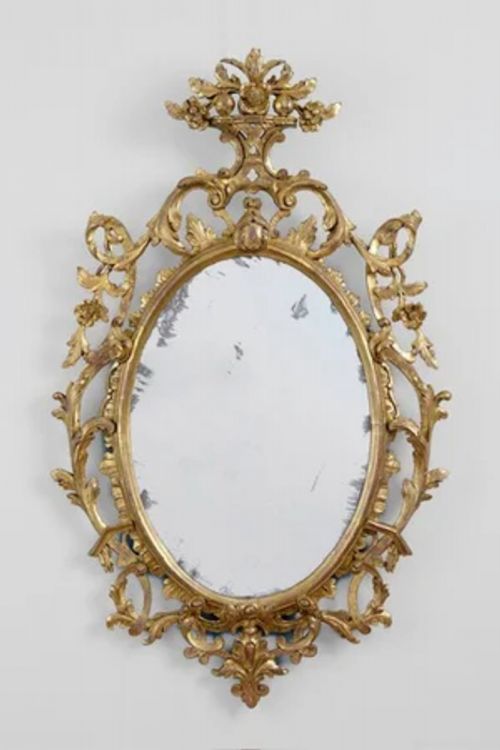


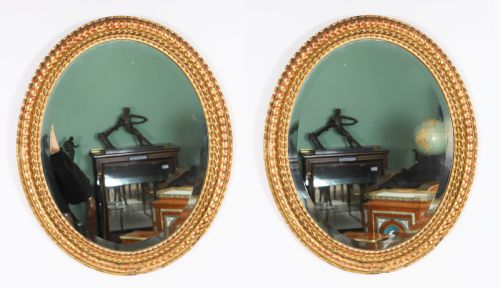
Rococo Oval Wall Mirror
A rococo oval wall mirror brings fluid, asymmetric curves and reflected light to a room, drawing the eye with pierced scrollwork and naturalistic ornament.
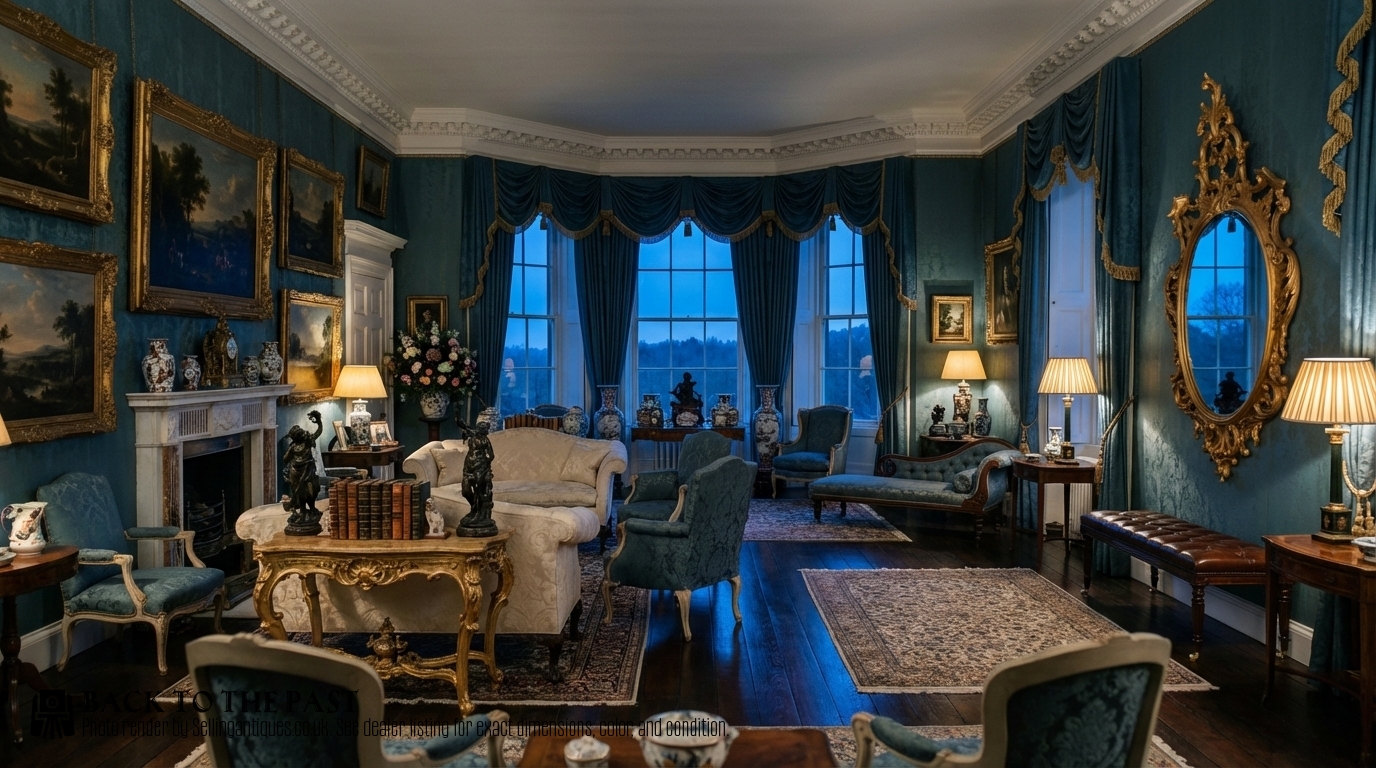
Rococo Oval Wall Mirror
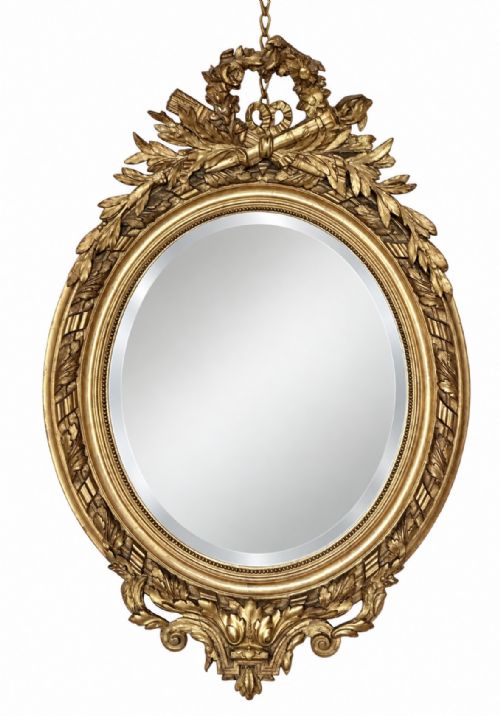
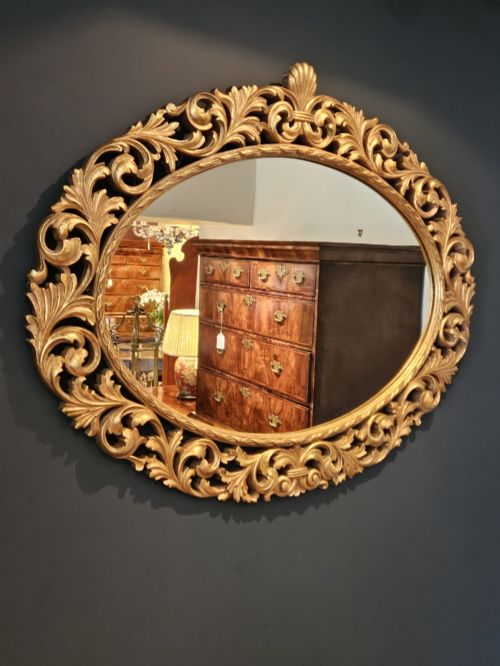
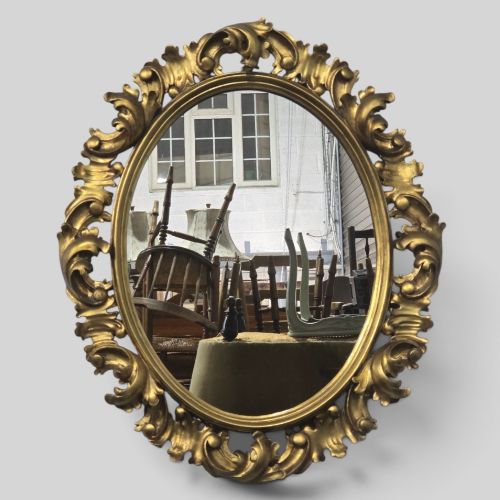
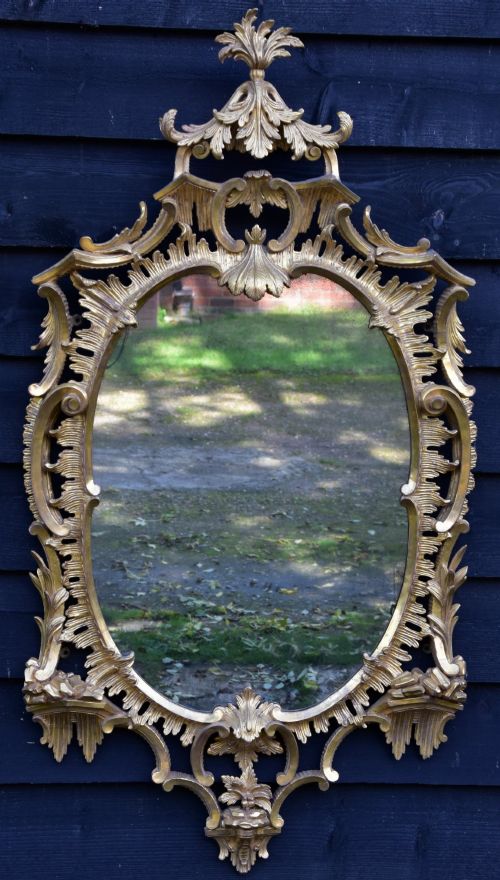
A rococo oval wall mirror is a decorative looking glass defined by ornate frames of C-scrolls, S-scrolls, foliage and asymmetrical motifs. These mirrors range from small boudoir pieces to grand overmantels designed to anchor a principal room.
The versions most commonly met on this page date from the nineteenth century, including Victorian interpretations and French revival pieces, alongside eighteenth-century Georgian and continental examples. They span forms designed for halls, piers and overmantels, frequently utilising giltwood or gesso frames.
How they were made
Makers fashioned the characteristic frames by carving solid timber such as pine or mahogany, or by applying layers of gesso onto a wooden base to take crisp, intricate mouldings. Composition material was also pressed into moulds for repetitive ornamental details.
Gilding involved laying thin sheets of gold leaf over a prepared bole ground, which was then burnished to achieve a brilliant metallic sheen. Silver metal, bronze and ebonised finishes also appear alongside parcel-gilt treatments.
Periods represented range from eighteenth-century Georgian and Florentine pieces through to Victorian and early twentieth-century revivals.
What varies in quality
Quality rests in the depth and crispness of the carving, where hand-tooled depth in the wooden scrollwork and acanthus leaves surpasses the uniformity of moulded composition. Superior examples retain their original mercury or antique glass plates, showing subtle age imperfections rather than modern silvering.
The integrity of the frame construction and the preservation of the original gilt surface dictate the standing of a piece. Finer mirrors display harmonious proportions where the organic asymmetry of the rococo style flows naturally without appearing cluttered.
The Rococo Oval Wall Mirror Glossary
- Giltwood
- Wood that has been coated with gold leaf. This finish gives the characteristic warm, reflective surface seen on period frames.
- Gesso
- A mixture of plaster of Paris and glue binder applied to wood. It provides a smooth base for carving or applying gold leaf.
- Girandole
- A decorative wall mirror fitted with candle sconces attached to the frame. The polished glass and gold leaf helped multiply the flickering candlelight.
- Pier glass
- A tall mirror designed to hang on the wall space between two windows. They often sat above small console tables or pier tables in formal rooms.
- Overmantel
- A large horizontal or vertical mirror designed to be positioned directly above a fireplace mantelpiece. These pieces visually expand the room and reflect hearth fire.
Rococo Oval Wall Mirror: Frequently Asked Questions
How do I date a rococo oval wall mirror?
Dating relies on examining the construction methods of the wooden frame, the composition of the gesso, and the backboards. Eighteenth-century examples typically feature hand-carved pine with distinct tool marks, whereas nineteenth-century revival pieces often utilise machine-sawn timber or moulded composition details.
The mirror plate itself offers clues, as older glass often displays subtle distortions, bevelling irregularities, or oxidisation spots. Comparing the specific style of the scrollwork and floral motifs against known revival periods helps narrow down the decade of manufacture.
Where should I hang an oval wall mirror?
These mirrors suit spaces where their vertical or horizontal proportions can command attention, such as above a fireplace, a hallway console, or a dressing table. Positioning them opposite a window maximises natural light distribution throughout the room.
Because many of these frames possess considerable weight due to their carved timber and gesso construction, secure wall fixings into masonry or studs are essential. Ensure the hanging wire or brackets match the load capacity to protect the antique frame.
Are these mirrors fragile?
The protruding scrollwork and delicate gesso or giltwood ornaments require careful handling during relocation or cleaning. Bumps can chip the raised plaster details or flake the thin gold leaf surface.
Routine maintenance involves gentle dusting with a soft, dry brush rather than liquid polishes that might degrade the finish. Preserving the original gilding means avoiding abrasive cloths or chemical cleaners on the frame entirely.
What is the difference between original and revival pieces?
Original eighteenth-century pieces, such as those from the Georgian era, display the direct craftsmanship of period artisans using traditional joinery and hand-carved embellishments. Revival pieces from the nineteenth and early twentieth centuries emulate those earlier aesthetics, incorporating Victorian or Edwardian interpretations of French rococo design.
While both categories offer high aesthetic value, eighteenth-century items generally command greater interest from collectors due to their age and historical scarcity. Revival pieces, nevertheless, provide robust construction and the same decorative opulence.