




Rococo Marble Hall Table
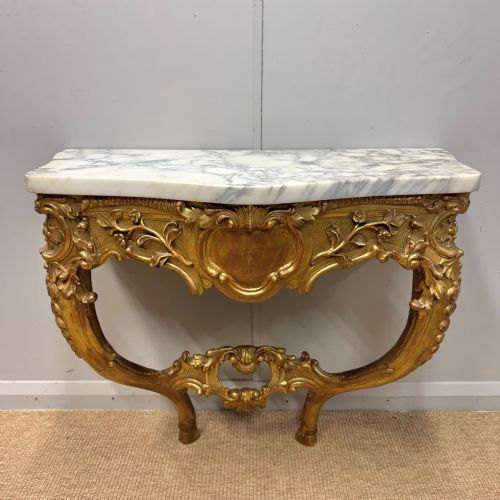
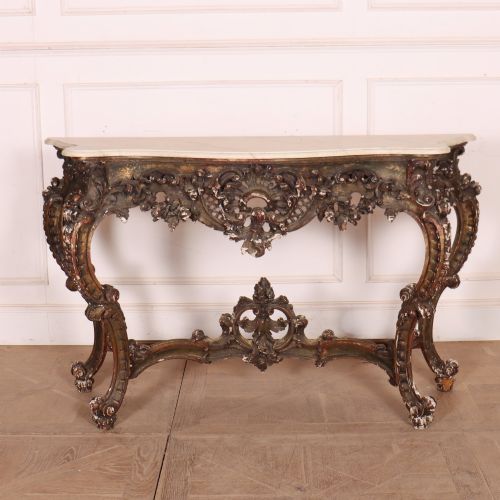
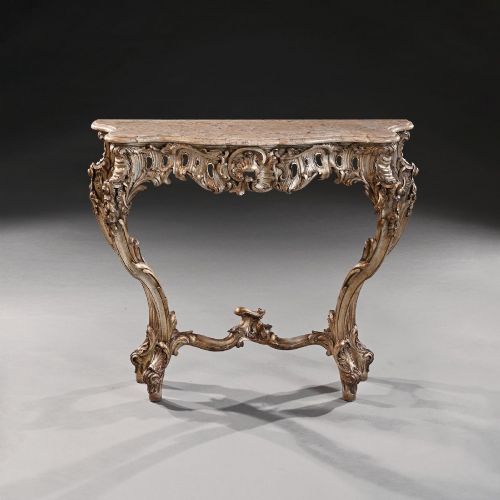
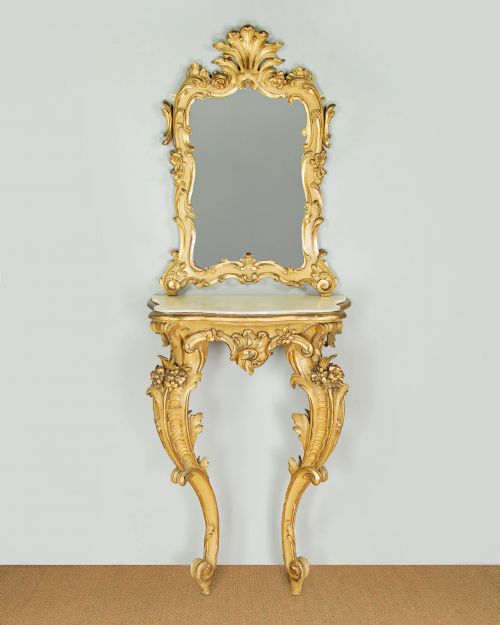
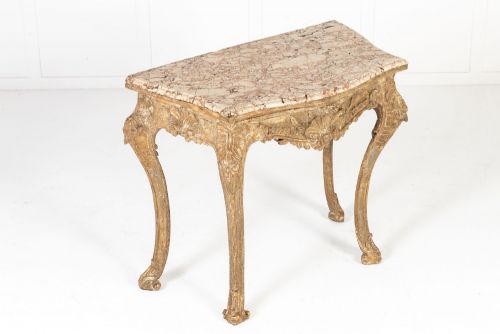
A rococo marble hall table brings flamboyant curves and solid stone surfaces together, offering a grand statement for an entranceway.
Rococo Marble Hall Table
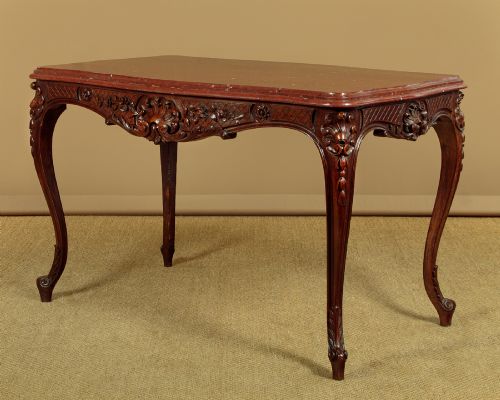
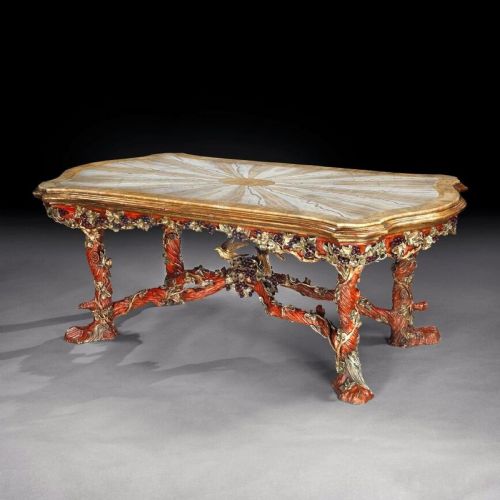
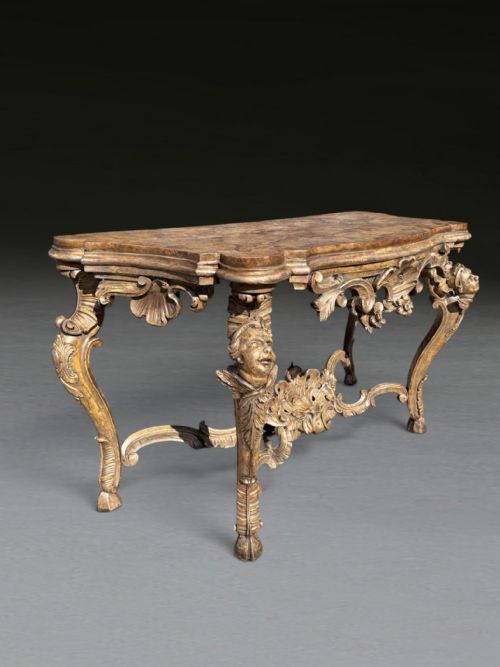
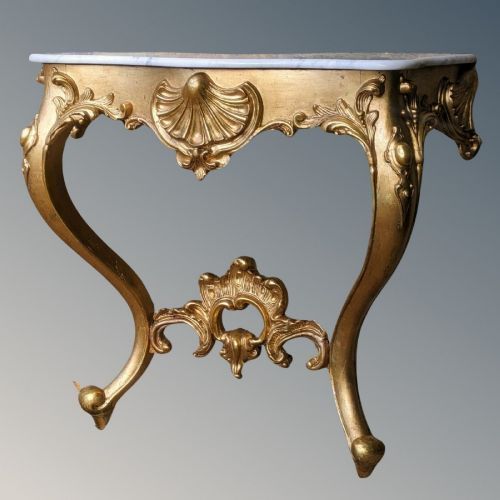
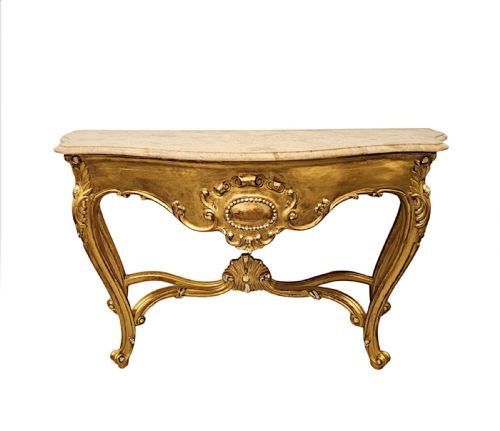
A rococo marble hall table encompasses console tables, centre tables, pier tables, and matching table and mirror sets designed for grand interiors. When searching for a rococo marble hall table, buyers encounter ornate furnishings originating from French and Italian workshops spanning the eighteenth, nineteenth, and early twentieth centuries.
The form typically rests against a wall as a console or pier table, though freestanding centre tables also appear frequently in the listings. These pieces combine heavy stone surfaces with elaborate wooden frames shaped by undulating serpentine fronts and asymmetrical scrolling motifs.
Materials and construction
Carved wood forms the structural foundation of these tables, utilising walnut, oak, kingwood, rosewood, and gesso applied over timber bases. Skilled artisans shaped these woods into deep relief carvings featuring floral garlands, scrolls, and shell motifs characteristic of the style.
Gilding with gold or silver leaf, paint, and polychrome finishes enrich the wooden frames, whilst heavy stone slabs form the upper surfaces. These stone tops feature marble, rouge marble, onyx, and white Carrara marble, fitted precisely to the serpentine or rectangular contours of the frames.
Listings feature items spanning the eighteenth century through to 1920, incorporating Italian and French regional styles.
Assessing craftsmanship
The depth and fluidity of the wooden carving separate standard examples from exceptional pieces, particularly where hand-chiseled scrolls and pierced woodwork meet the frame. Finer items exhibit crisp execution in the leaf work and animal or floral motifs without the softness seen in hurried production.
The integration between the heavy stone top and the wooden base dictates structural integrity, with superior examples featuring custom-cut marble that follows every curve of the serpentine apron precisely. The application of gold leaf, silver leaf, or polychrome paint also varies, with older surfaces showing nuanced patination rather than flat modern finishes.
Amleto Bertoni
The Rococo Marble Hall Table Glossary
- Console table
- A table designed to stand against a wall, frequently secured with brackets because the front legs bear the primary visual weight. These tables often feature shaped marble tops and ornate carved aprons.
- Pier table
- A specific type of console table made to fit into the wall space or 'pier' between two windows, often paired with a matching wall mirror. They share the same decorative carved wooden frames and stone surfaces.
- Giltwood
- Timber that has been coated with a thin layer of gold leaf over a prepared gesso ground. This technique provides the luminous metallic finish seen on many eighteenth and nineteenth century frames.
- Serpentine front
- A furniture front characterised by a wavy outline featuring a central convex curve flanked by concave curves. This contour requires precise stone-cutting to fit the marble top correctly.
- Gesso
- A plaster-like mixture applied to wood surfaces as a smooth base for gilding or painting. It allows artisans to carve fine details before applying gold leaf.
Rococo Marble Hall Table: Frequently Asked Questions
Where should I place a console table?
These tables find their traditional home in entrance halls, corridors, and living rooms where wall space allows for a commanding focal point. Because many console designs rely on wall support or brackets for stability, placement against a solid wall is essential.
They also pair effectively with matching wall mirrors to create a unified decorative scheme in larger entryways.
How do I care for the marble top?
Stone surfaces require gentle cleaning with a damp cloth and neutral soap, avoiding acidic cleaning agents that etch polished marble. Using coasters and protective mats prevents liquid rings and scratches from damaging the historic stone.
Periodic waxing of the wooden or gilt base helps preserve the finish without affecting the stone insert.
Are these tables freestanding?
Console tables and pier tables are designed to stand against a wall, and some historical examples require wall fastening for complete stability. Centre tables, however, feature finished carving on all sides and stand independently in the middle of a room.
Checking the leg configuration and frame structure reveals whether a piece requires wall support.
How do I distinguish eighteenth and nineteenth century pieces?
Eighteenth century examples, including those from the classical revival periods, display hand-carved joinery and authentic period gilding techniques over walnut or oak. Nineteenth century revival pieces often utilise heavier proportions and mechanical tooling alongside traditional hand finishing.
Examining the underside of the woodwork and the wear patterns on the gold leaf helps clarify the manufacturing era.