
Carved Wood Marble Table
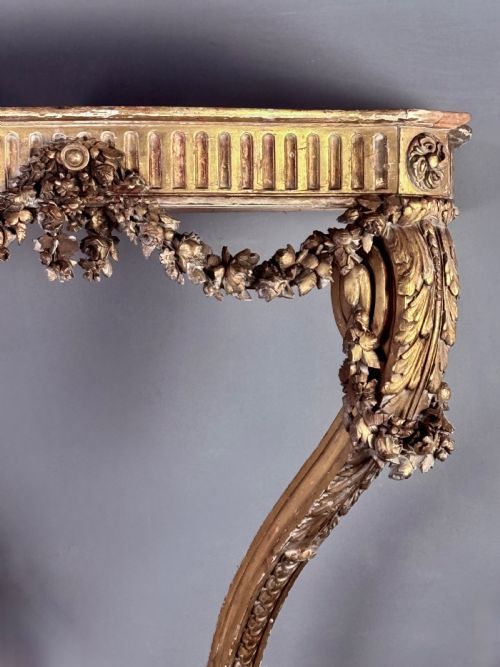
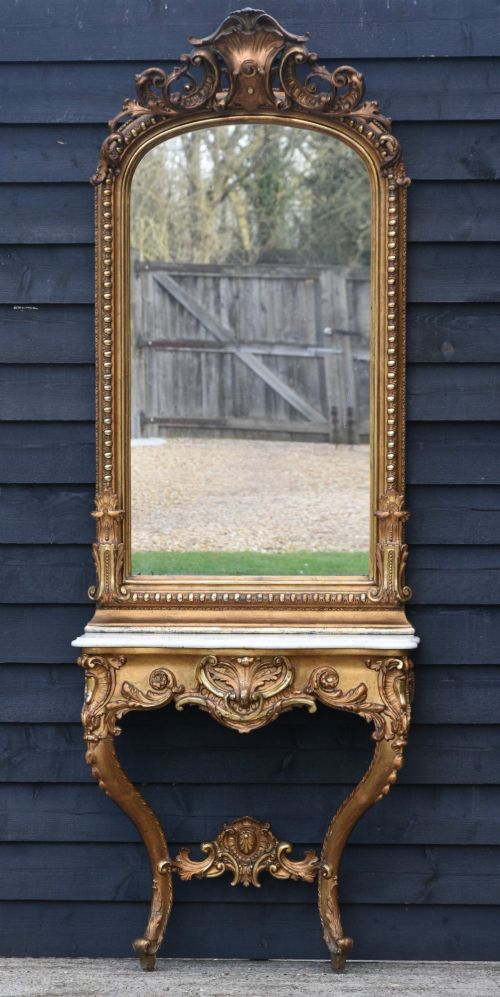
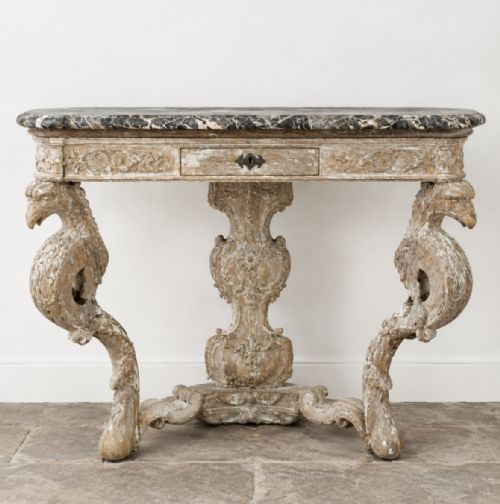
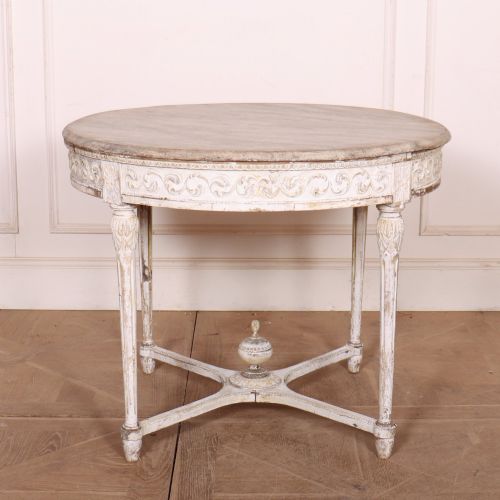
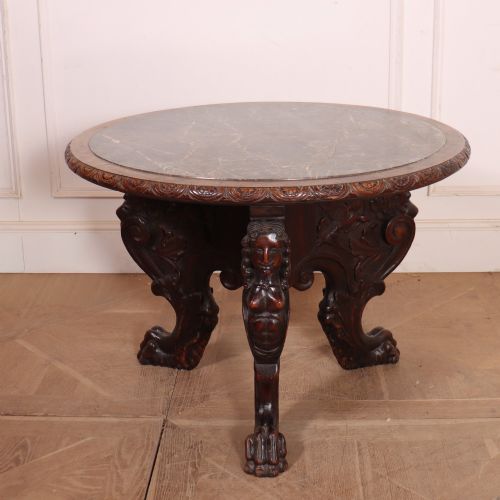
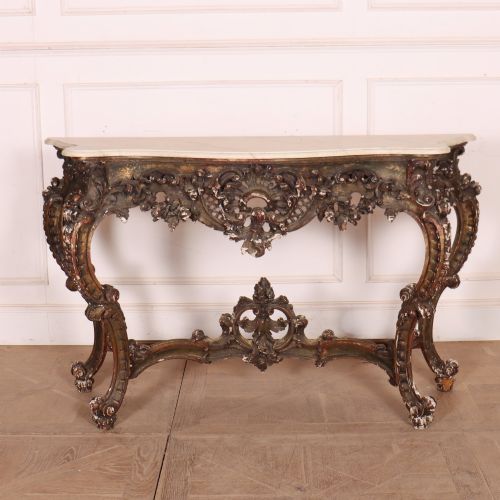
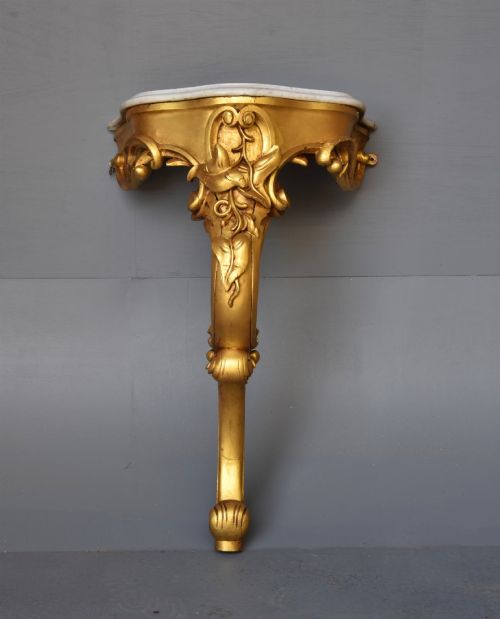
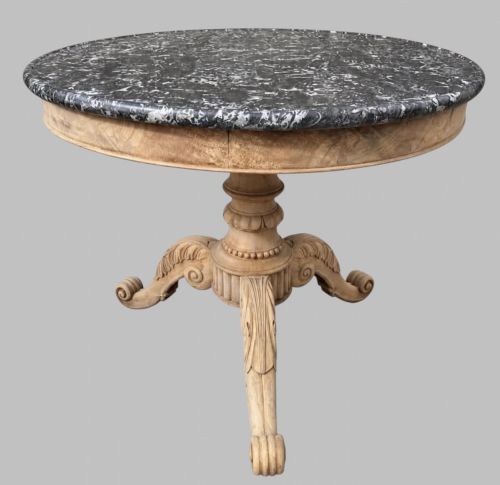
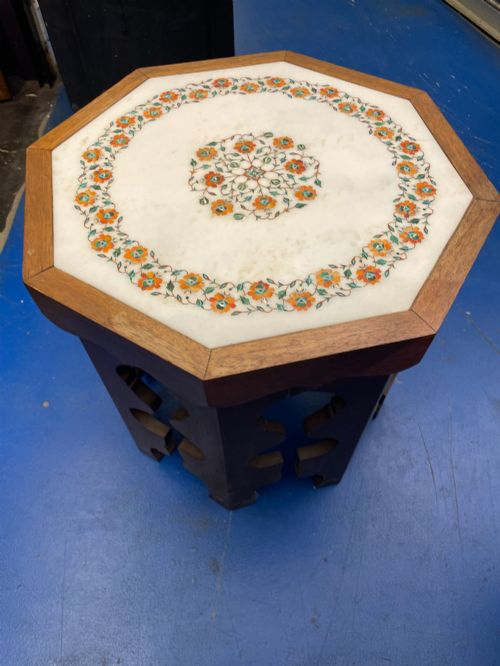
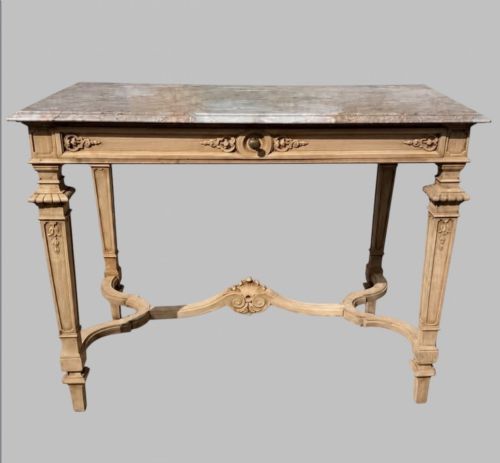
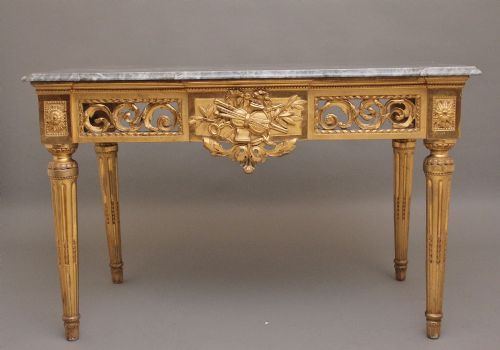
When seeking a carved wood marble table, collectors encounter elaborate console tables, plant stands, and centre tables spanning the eighteenth to early twentieth centuries.
Carved Wood Marble Table
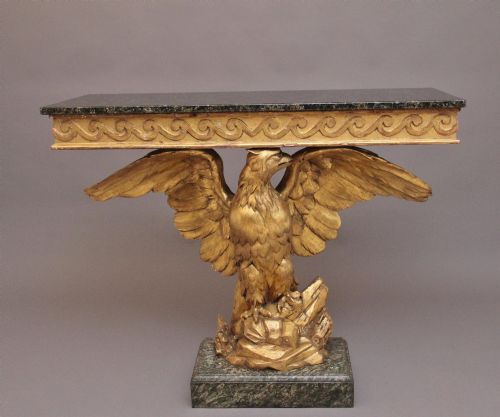
A carved wood marble table combines a heavy stone surface with an intricately shaped wooden base, fulfilling both decorative and functional roles in historic interiors. These pieces appear most frequently as console tables designed to stand against walls, alongside freestanding centre tables and low plant stands.
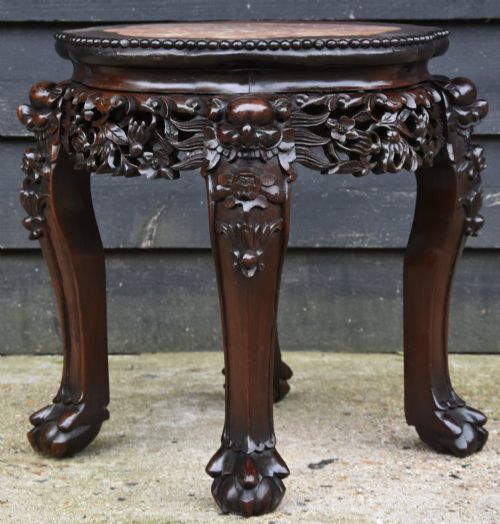
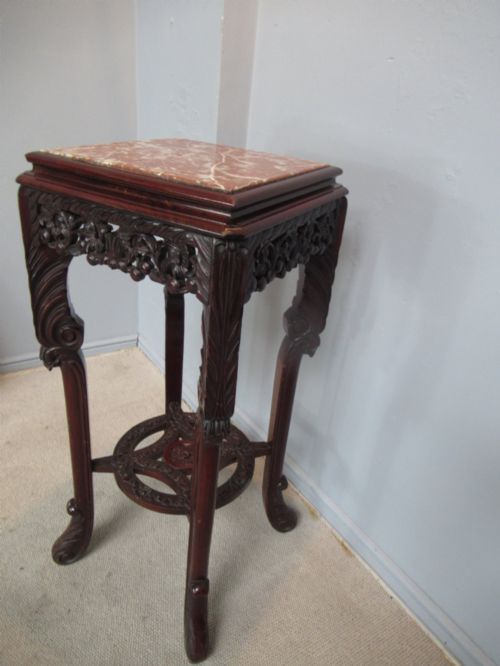
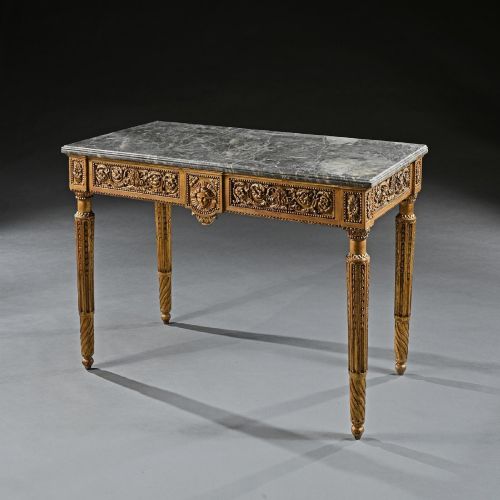
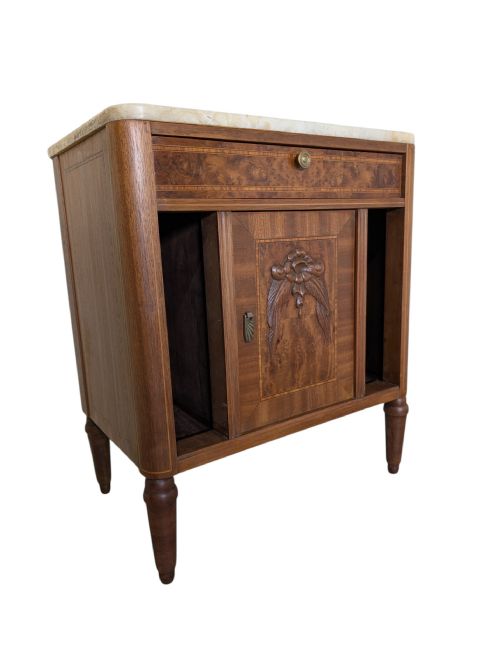
The selections span multiple eras, encompassing eighteenth-century Italian rococo designs, nineteenth-century French giltwood furniture, and Chinese Qing Dynasty hardwood stands. Makers constructed these items in various formats, ranging from tall pier tables with matching mirrors to compact bedside cabinets and coffee tables.
European examples often display neoclassical or baroque influences with heavily ornamented frames, whilst Asian variants utilise dense hardwoods combined with inset marble panels. Buyers evaluate these forms based on how well the wooden carving harmonises with the natural veining of the stone top.
Materials and Construction
Craftsmen utilised supportive timbers such as mahogany, walnut, fruitwood, and rosewood, alongside pliable woods like lime and pine intended for heavy gilding or polychrome paint. Giltwood surfaces typically received layers of gesso before applying gold leaf, creating a reflective finish that contrasted with smooth stone.
Masons fitted polished marble, onyx, or figured stone directly into recessed wooden frames, securing the heavy slabs to prevent shifting. Structural joinery involved traditional techniques suited to supporting dense stone weight, accommodating the expansion and contraction of timber over centuries.
Materials documented across the inventory include giltwood, rosewood, mahogany, walnut, brass, gesso, and various figured marbles and onyx.
Evaluation of Quality
The depth, precision, and sharpness of the wood carving distinguish superior examples from plain production work, as skilled artisans achieved intricate undercut details without splintering the grain. Hand-chased gilt surfaces and high-grade timber selections indicate workshop output of a higher order.
The quality of the stone insert significantly influences the piece, with figured marbles like breche d'alep or richly toned onyx commanding greater interest than plain slabs. Original integration between the stone top and the wooden base remains a key indicator of unified period construction.
Amleto Bertoni
The Carved Wood Marble Table Glossary
- Console table
- A wall-mounted or freestanding table supported by front legs, frequently paired with a matching wall mirror. These pieces serve prominent display functions in entrance halls and formal reception rooms.
- Giltwood
- Timber coated with gold leaf over a prepared gesso ground. This treatment creates a brilliant metallic lustre characteristic of European decorative furniture.
- Gueridon
- A small French freestanding circular table. These items function as centre tables or lamp tables within domestic interiors.
- Qing Dynasty
- The final imperial dynasty of China, lasting from sixteen forty-four to nineteen twelve. Furniture from this era often incorporates dense carved hardwoods and inset marble panels.
Carved Wood Marble Table: Frequently Asked Questions
Where should I place a console table?
Console tables function effectively in entrance hallways, narrow corridors, or against living room walls beneath large mirrors or artwork. Their shallow depth allows them to occupy minimal floor space whilst providing a surface for decorative objects.
Historically, pier tables sat directly between windows in formal reception rooms. Modern placements benefit from positioning them where the carved woodwork and stone top receive adequate ambient light.
How do I care for the marble top?
Marble surfaces require gentle cleaning with soft cloths and neutral pH solutions to avoid damaging the polished finish. Acidic liquids such as wine or citrus juice can etch the stone if left unattended.
Applying a specialised stone wax provides a protective barrier against moisture rings and everyday wear. Regular dusting preserves the natural lustre of the veining.
What is the difference between a console and a centre table?
Console tables feature finished fronts designed to stand directly against a wall, often relying on wall brackets or front legs for stability. They typically anchor mirrors or display pieces in formal entryways.
Centre tables possess symmetrical decoration on all sides because they stand freely in the middle of a room. These round or square formats served as central focal points for domestic gatherings.
How do I identify the period of the carving?
Stylistic motifs provide primary clues to date a piece, such as rococo asymmetry, neoclassical symmetry, or Qing Dynasty botanical reliefs. The handling of the wood grain and tool marks beneath the frame also indicate period manufacturing methods.
Comparing the joinery techniques against known historical exemplars helps verify the age of the wooden base. Natural ageing of the timber and gesso layers corroborates the timeline.