


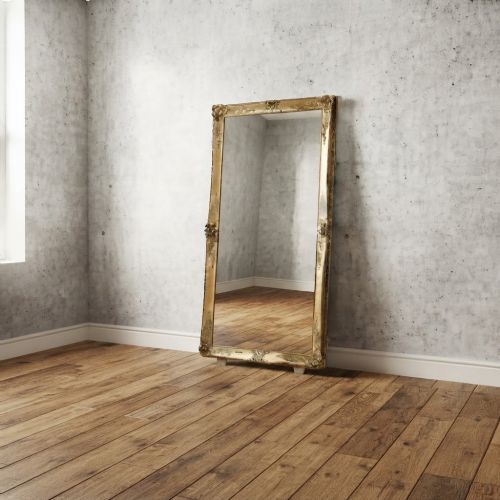
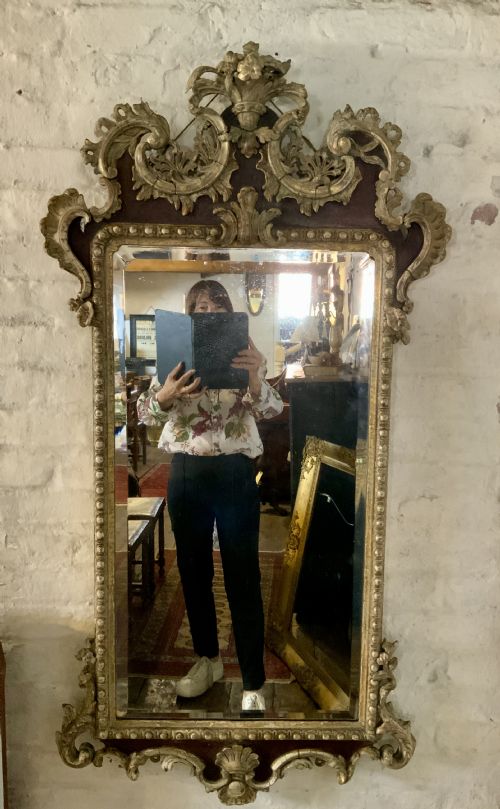
Rococo Gilt Wood Mirror
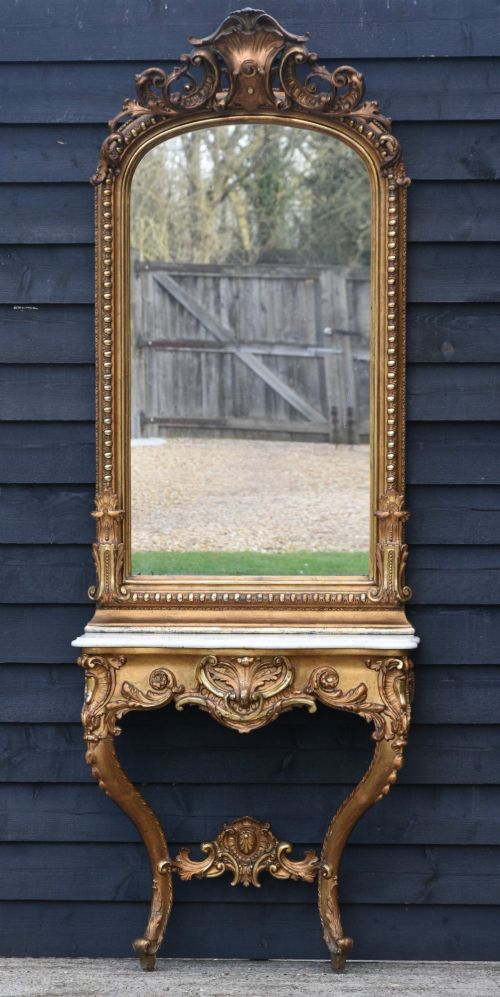
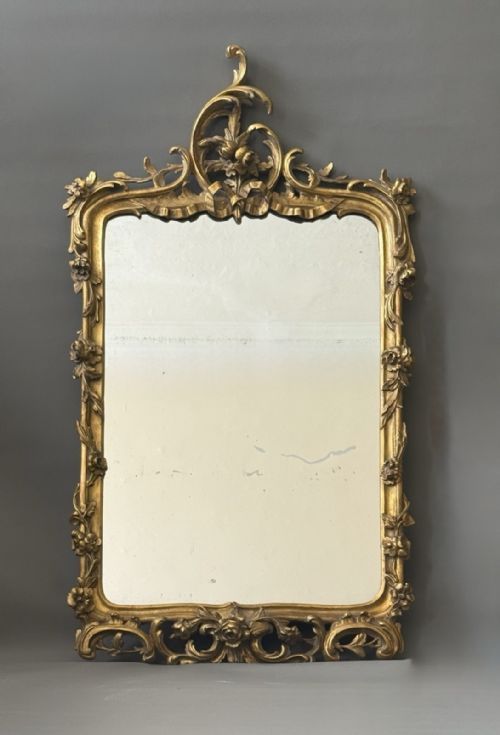
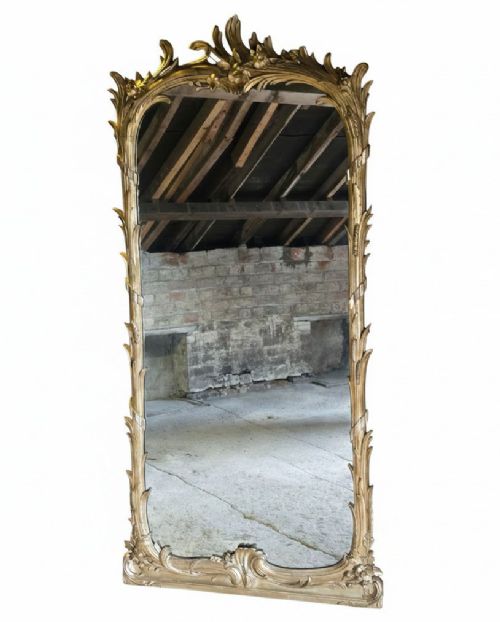
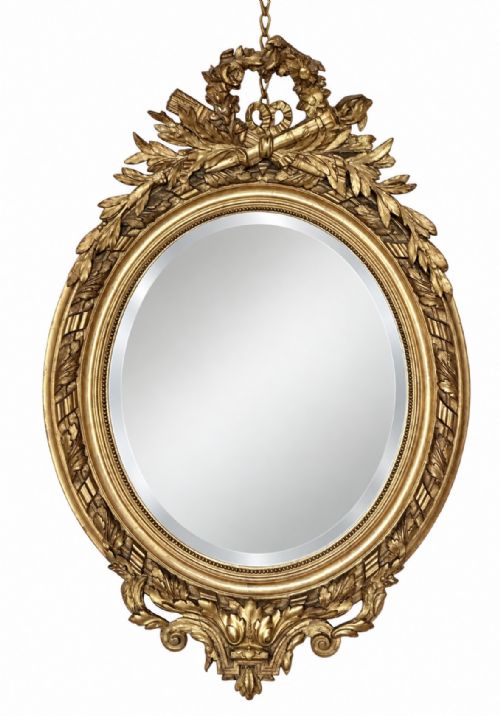
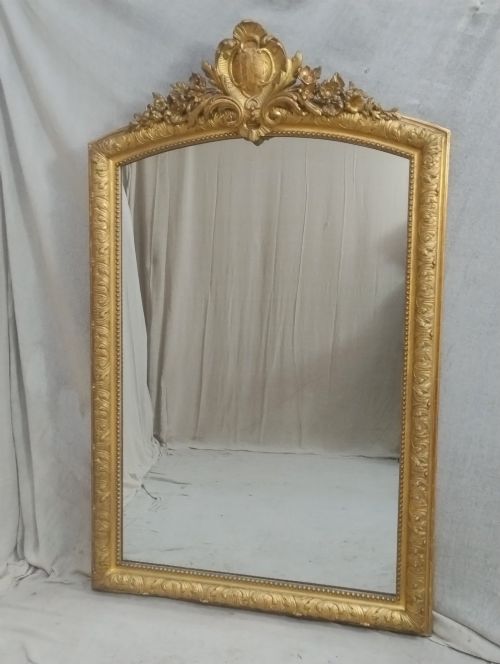
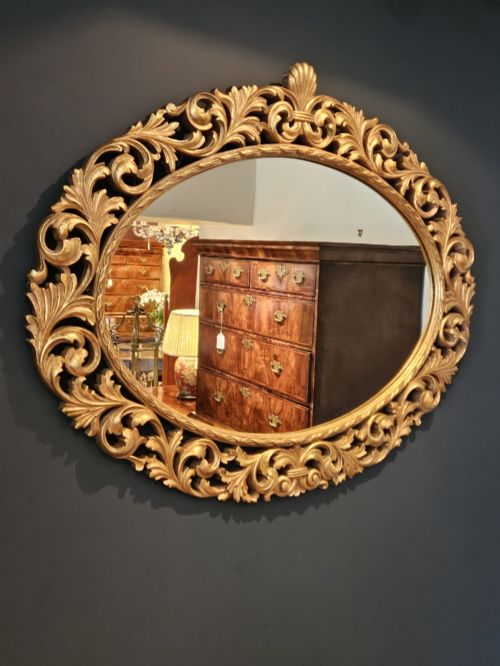
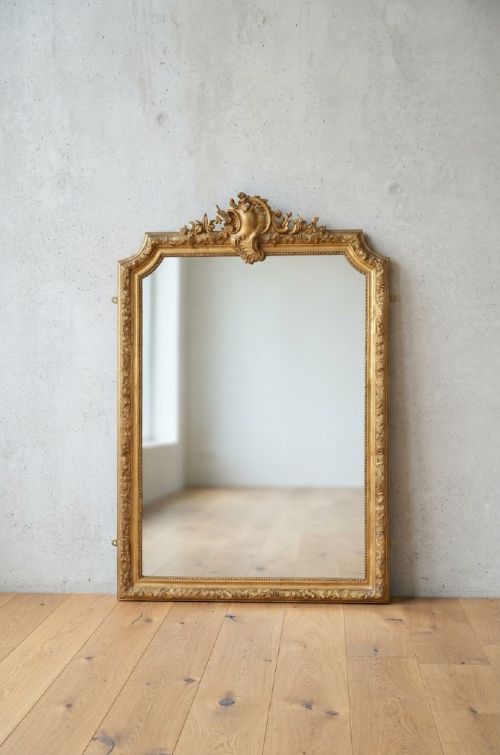
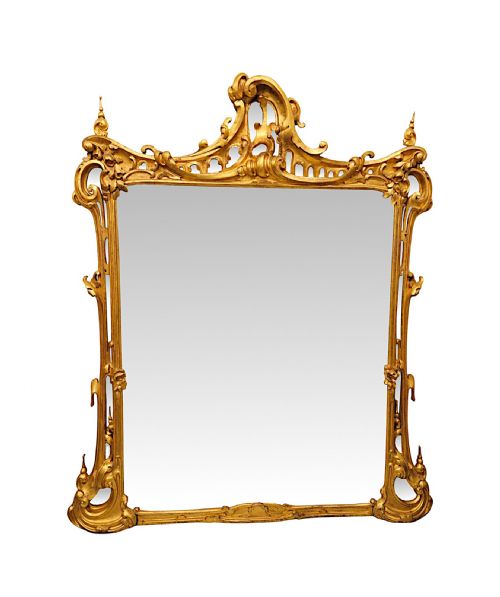
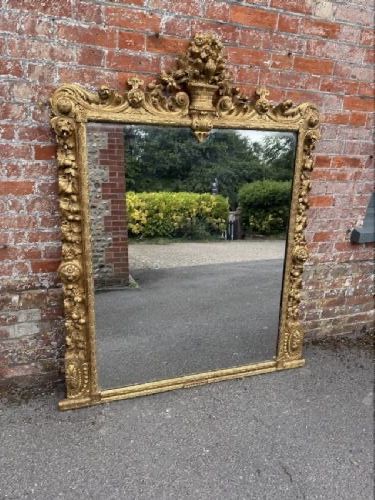
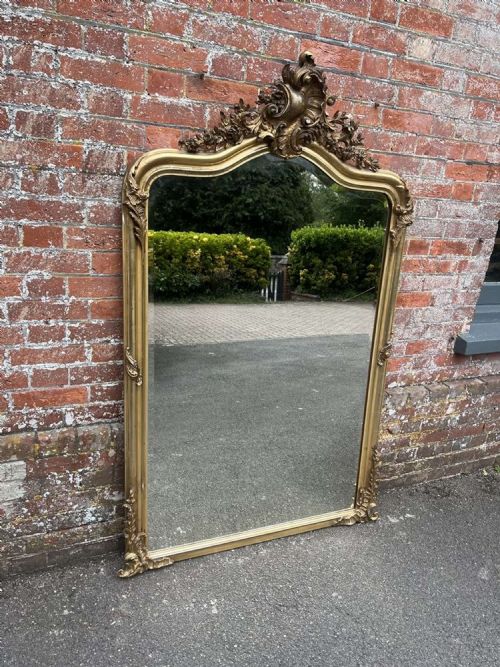
The search for a rococo gilt wood mirror brings forth heavily carved, gilded statements that dominate a room with asymmetric curves and swirling foliate motifs.
Rococo Gilt Wood Mirror
A rococo gilt wood mirror displays the exuberant, scroll-heavy aesthetic that first gained favour during the eighteenth century and saw major revivals throughout the nineteenth century.
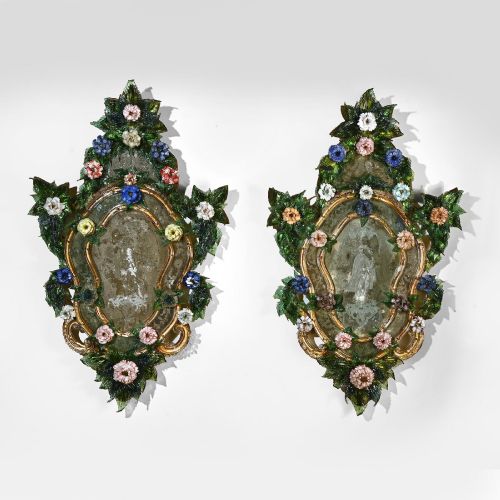
Most examples encountered here originate from nineteenth-century France and Italy, spanning grand overmantels, tall pier mirrors, and smaller wall-hanging formats.
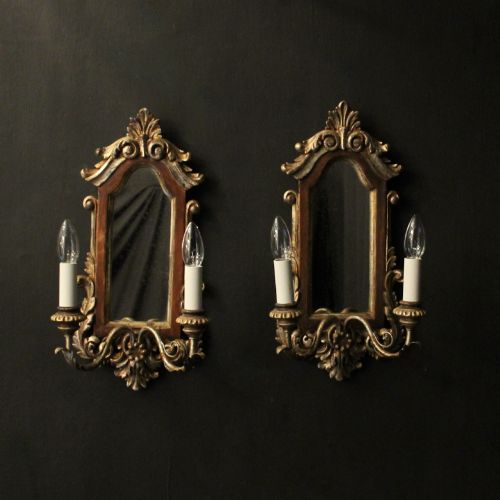
Forms range from simple carved wood ovals to monumental frames incorporating girandole arms, console tables, and oil paintings set into trumeau panels.
Construction and materials
Carvers shaped frames from timber before applying layers of gesso to build up the intricate relief work found on acanthus leaves and C-scrolls.
Gilding was achieved by laying gold leaf over the prepared gesso base, often burnished to create contrasting matte and bright reflective surfaces.
Original plates consist of antique mirror glass, frequently showing foxing, age spots, or mercury backing developed over centuries of existence.
Judging the quality
Depth and sharpness of the wood carving distinguish superior frames from mechanical or shallow press-moulded compositions.
The warmth and integrity of the original gold leaf surface, rather than modern repainting, dictate the visual depth of the piece.
Integration between the glass plate and the frame indicates whether a mirror retains its original components or represents a later marriage.
The Rococo Gilt Wood Mirror Glossary
- Gesso
- A plaster-like mixture applied to wood frames to provide a smooth, absorbent base for gilding. It allows carvers to achieve crisp detail in ornamental scrolls.
- Mercury glass
- An early double-walled glass blown with a silvering mixture trapped between the layers. It creates a cloudy, dark reflection distinct from modern flat glass.
- Overmantel
- A large horizontal mirror designed specifically to hang above a fireplace mantelpiece. These often anchor the proportions of a reception room.
- Trumeau
- A decorative wall panel containing a mirror combined with an oil painting or carved motif. They were built to fit the architectural space between windows.
- Girandole
- A wall-mounted mirror featuring attached candle sconces. The candle arms multiply the light within a dimly lit interior.
Rococo Gilt Wood Mirror: Frequently Asked Questions
How do I hang a heavy overmantel mirror safely?
Large frames require professional wall fixings distributed evenly across the primary timber structure rather than relying on a single central wire.
Weight loads must be transferred directly into masonry or solid wall studs to prevent the mounting from pulling free over time.
What causes dark spots on antique mirror glass?
Foxing occurs when moisture or atmospheric gases seep behind the glass plate and degrade the silvering layer over decades.
Many collectors value this speckled ageing process because it confirms the antiquity of the glass plate.
How do I tell an 18th-century frame from a 19th-century revival?
Eighteenth-century originals generally feature hand-carved pine or softwoods with organic tool marks beneath the gesso layers.
Nineteenth-century revival pieces often incorporate denser composition ornamentation and machine-tooled elements hidden within the heavily gilt relief.
Can I clean antique giltwood safely?
Dusting should be performed gently using a soft, dry brush to avoid catching fragile areas of raised gesso and leaf.
Liquid cleaners and abrasive cloths must be avoided completely because moisture strips away historical water gilding instantly.