


Rococo Chelsea Porcelain
Rococo chelsea porcelain combines theatrical forms with soft glazes, offering collectors an exquisite taste of eighteenth-century theatricality.
Rococo Chelsea Porcelain
When you search for rococo chelsea porcelain, you are looking at soft-paste and hard-paste decorative objects, figurines, and tableware that echo the extravagant curves of the mid-eighteenth century. The selection ranges from eighteenth-century originals carrying red or gold anchor marks to nineteenth-century revival interpretations.
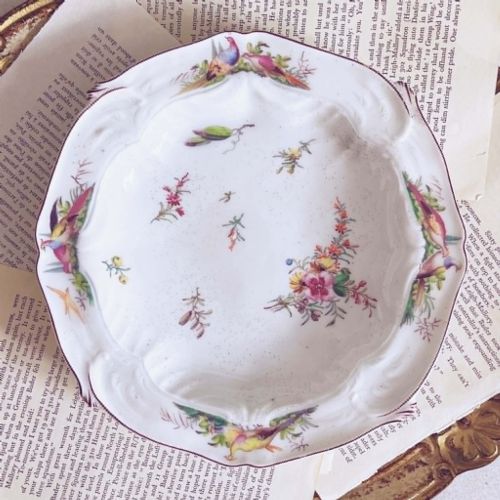
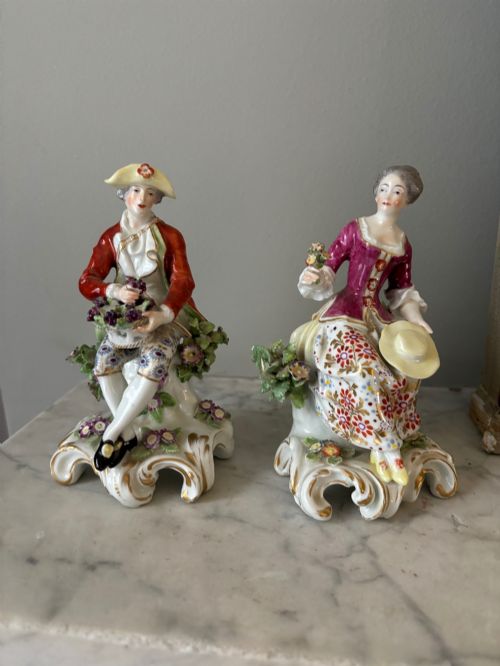
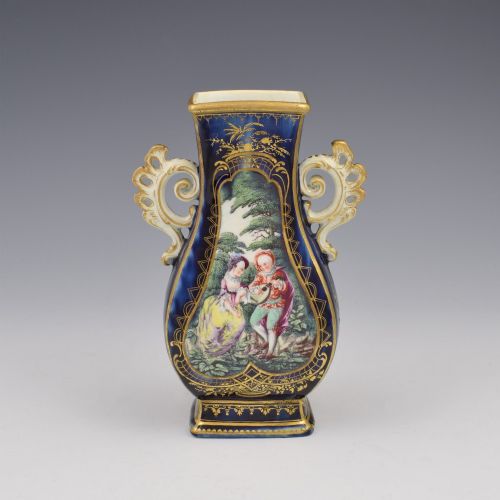
The domestic forms include moulded dishes, lettuce-form sauce boats, plates, and bowls, alongside vases with blue grounds and hand-painted scenes. Figures and allegorical statuettes represent seasons, continents, and pastoral figures framed by floral bocage backgrounds.
Nineteenth-century pieces produced by makers such as Edme Samson in Paris appear frequently alongside Georgian originals. These later works adopt the Chelsea style and anchor marks while maintaining distinct nineteenth-century manufacturing traits.
Materials and methods of production
The early works utilise soft-paste porcelain fired at lower temperatures to produce a warm, creamy body that absorbs enamel colours deeply. Later nineteenth-century interpretations often employ harder porcelain bodies alongside crisp hand-painted polychrome enamels.
Gilding and gold leaf highlight the moulded scrollwork typical of the rococo revival style. Enamel painting defines the botanical details, bird plumage, and pastoral scenes adorning the plates, vases, and figurines.
The listings feature eighteenth-century pieces alongside nineteenth-century revival works from English, French, and German makers.
Distinctions in quality
The refinement of the modelling separates superior examples from simpler production pieces, particularly in the delicate rendering of facial expressions and fingers on figurines. Crispness in the moulded rococo scrolls and the precision of the hand-painted polychrome enamel details dictate the standing of an object.
Period authenticity also plays a major role, distinguishing eighteenth-century anchor-marked originals from nineteenth-century revival items made in Paris or Germany. The weight and translucency of the paste, together with the integration of the bocage foliage, signal the care taken by the potter.
Edme Samson·Samson Paris·Chelsea Derby
The Rococo Chelsea Porcelain Glossary
- Soft-paste porcelain
- A ceramic composition containing glass frit and white clay, fired at a lower temperature than hard paste. It yields a distinctive warm glaze texture found on eighteenth-century pieces.
- Bocage
- An arbour of applied leaves and flowers framing ceramic figures. This leafy background requires meticulous hand assembly before firing.
- Polychrome
- Decoration employing multiple enamel colours. Painters applied these pigments over or under the glaze to render birds, flowers, and pastoral scenes.
- Gold anchor mark
- A ceramic stamp applied to pieces produced during a specific eighteenth-century phase of the factory. Later revival makers occasionally replicated this mark on nineteenth-century wares.
- Lettuce-form
- A moulded tableware shape mimicking overlapping salad leaves. These pieces display naturalistic ribbed details enhanced by green and yellow enamel washes.
Rococo Chelsea Porcelain: Frequently Asked Questions
How do I spot a reproduction?
Examine the paste under magnification to check for the translucency and glaze characteristics typical of eighteenth-century soft paste versus nineteenth-century hard paste. The clarity of the hand-painted enamels and the crispness of the scroll mouldings also provide strong indicators.
Compare the anchor mark carefully with documented examples from the period. Revival pieces often display slight discrepancies in the gold or red pigment application.
What is rococo revival?
Rococo revival describes the nineteenth-century artistic movement that imitated the asymmetrical curves, C-scrolls, and natural ornamentation of the mid-eighteenth century. Makers in Paris and Germany drew direct inspiration from earlier Chelsea models during this period.
These later interpretations capture the theatrical spirit of the original works while utilising the manufacturing techniques and brighter enamels of the Victorian era.
How should I display figurines?
Place figurines in stable cabinets away from direct sunlight to protect the fragile polychrome enamels and gold leaf highlights. Ensure the display surface is free from vibrations, as delicate bocage backgrounds and protruding limbs are vulnerable to knocks.
Keep pieces at a moderate distance from heat sources to prevent stress on the historical ceramic bodies and old glazes.
What are anchor marks?
Anchor marks serve as factory identifiers stamped or painted onto the base of porcelain pieces. The red anchor generally signifies work from the mid-eighteenth century, whilst the gold anchor denotes the slightly later luxury period.
Later continental workshops subsequently adopted these exact anchor symbols on nineteenth-century revival wares, making careful study of the paste essential.