



Rococo Ceramic Figure
When you search for a rococo ceramic figure, you enter a world of porcelain putti, allegorical groups and eighteenth-century pastoral charm.
Rococo Ceramic Figure
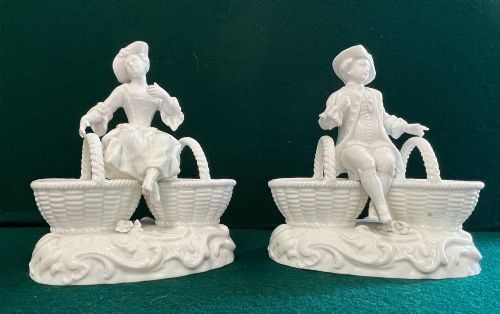
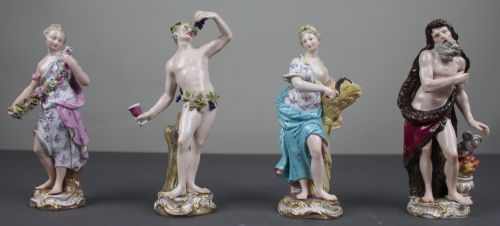
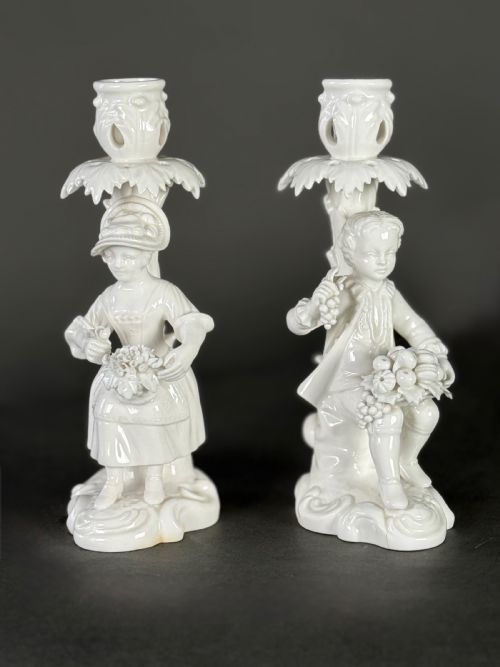
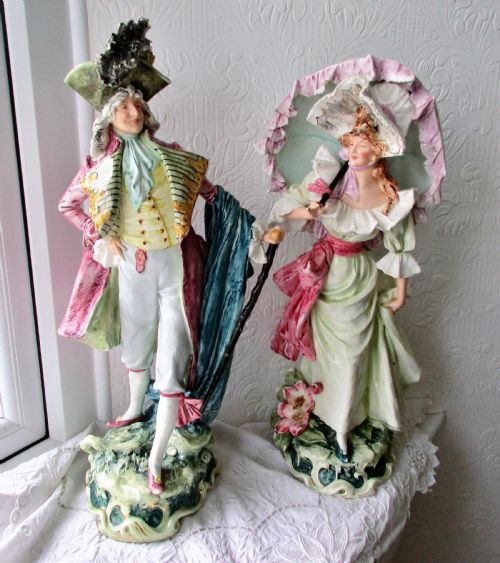
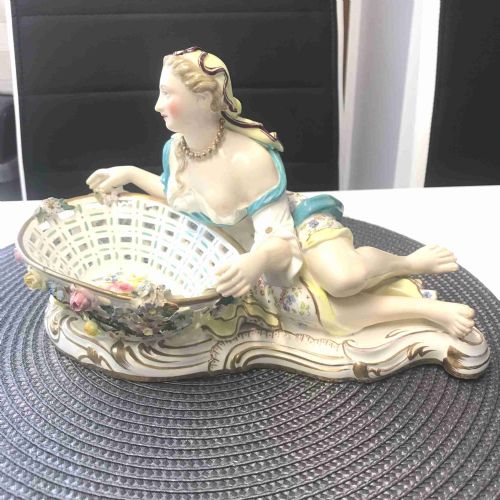
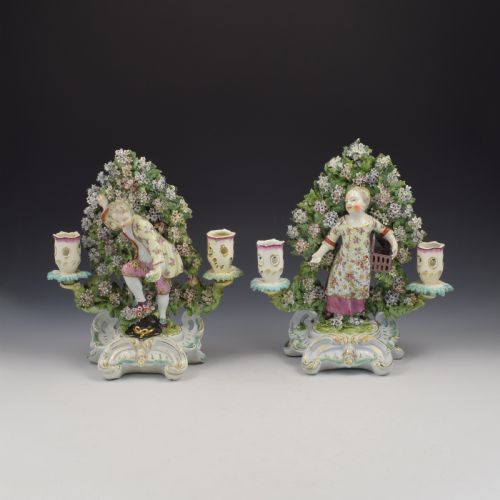
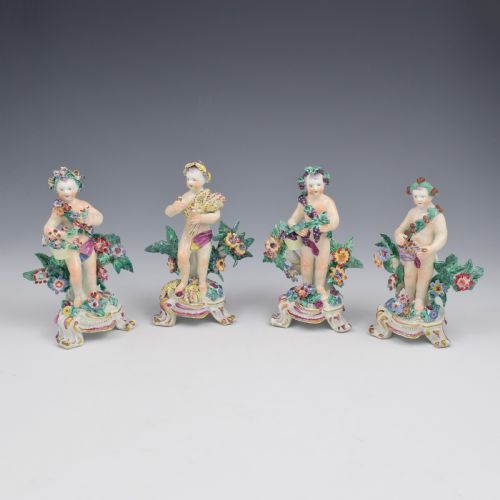
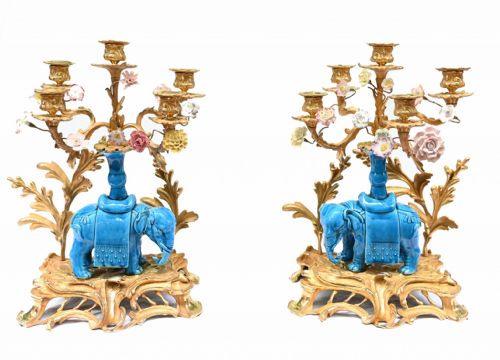
A rococo ceramic figure takes many forms, ranging from single figures of gardeners and street traders to pairs of candlesticks, sweetmeat dishes and elaborate allegorical representations of the seasons and elements.
The pieces on this page span the eighteenth and nineteenth centuries, capturing the spirited modelling of Georgian factories alongside later revivals from Meissen, Derby, Bow and Parisian workshops.
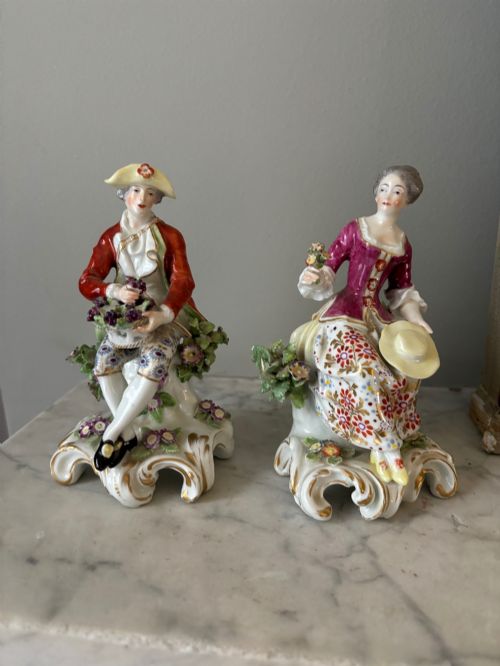
Buyers encounter pastoral subjects, gallant couples, musicians and mythological figures, often framed by characteristic foliage or rocaille scrollwork.
How They Were Made
Potters utilised hard-paste and soft-paste porcelain, shaping the paste through intricate moulding before applying delicate enamel colours and gilding.
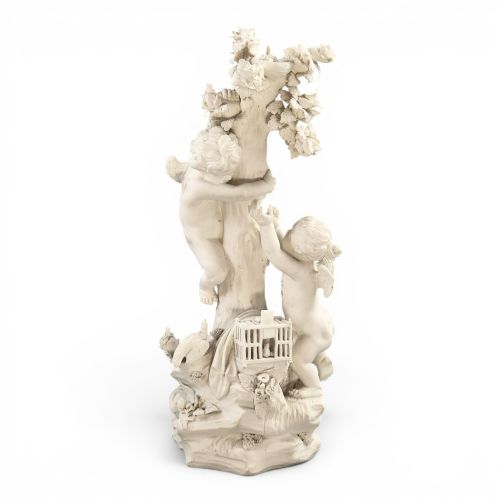
Many elaborate eighteenth-century and nineteenth-century examples incorporate bocage backgrounds, where modelled leaves and flowers surround the central figures.
Selected workshops integrated specialised elements such as applied lace details and gold leaf highlights to enhance the theatrical composition.
Listings feature hard-paste porcelain, soft-paste porcelain, enamel, and gold leaf applied across Georgian and Victorian periods.
What Varies in Quality
Subtlety in hand-painted enamelling and the preservation of delicate applied elements, such as leaves and fingers, dictate the standing of a piece within its period.
Meissen·Edme Sampsom·Derby·Bow·Bourdois & Bloch·Volkstedt·Samson·La Coutille Factory
The Rococo Ceramic Figure Glossary
- Bocage
- An applied background of leaves and branches made from porcelain, frequently seen behind figures in eighteenth-century groups. It creates a lush, naturalistic frame for pastoral scenes.
- Putto
- A plump, winged child figure, often representing mythological motifs like the seasons or elements. These playful figures are a staple of rococo design.
- Hard-paste porcelain
- A dense ceramic body composed of kaolin and petuntse fired at high temperatures. It yields a durable, translucent material favoured by major European factories.
- Soft-paste porcelain
- An artificial porcelain compound fired at lower temperatures, producing a warm texture and a slightly softer glaze. This body is common in early English factory production.
- Gilding
- The application of gold leaf or gold paint to highlights, borders and bases. It accentuates the rococo scrolls and decorative elements.
Rococo Ceramic Figure: Frequently Asked Questions
How were these figures used?
In period interiors, porcelain figures served as sophisticated table decorations, mantel ornaments and centrepieces for formal dining. Candlestick variants combined illumination with decorative sculptural art.
Wealthy households displayed them to signal cultural refinement, often arranging allegorical sets representing the four seasons or elements across reception rooms.
How do I live with them?
Display these delicate porcelain objects in secure cabinets or on stable surfaces away from heavy foot traffic or direct sunlight. Their intricate painted surfaces and applied elements require careful dusting with a soft brush.
Pairing single figures or matching pairs with period furniture helps contextualise their eighteenth-century and nineteenth-century origins in a modern interior.
How can I tell periods apart?
Early eighteenth-century pieces often exhibit the lively hand-modelling and distinct paste characteristics of factories like Meissen, Bow and early Derby. Later nineteenth-century revivals frequently display heavier bases, brighter synthetic enamels or factory marks associated with Victorian copies.
Examining the underside, glaze texture and style of painting helps distinguish original Georgian production from later nineteenth-century French and German interpretations.