
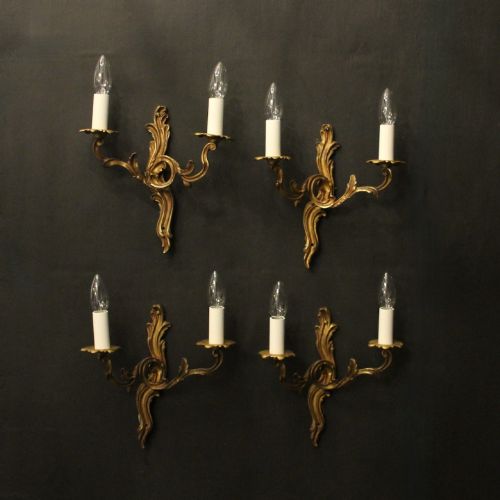
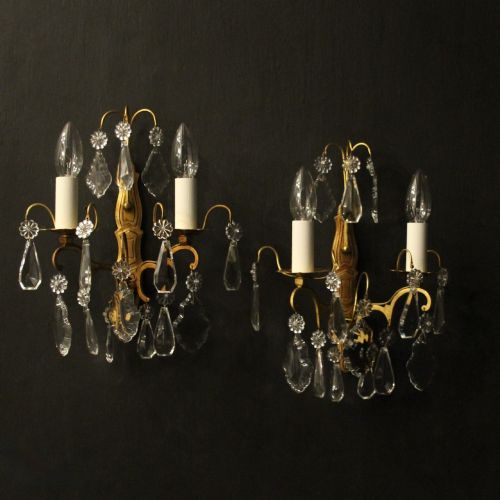
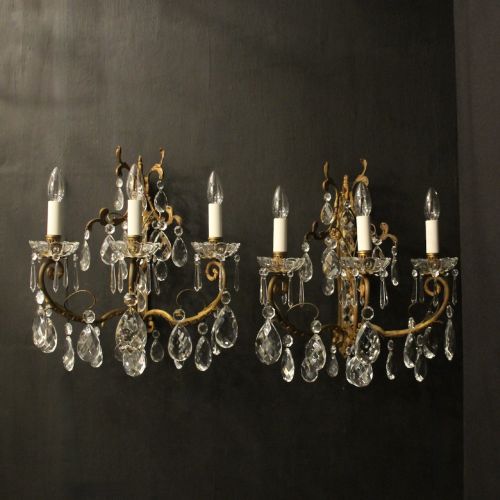
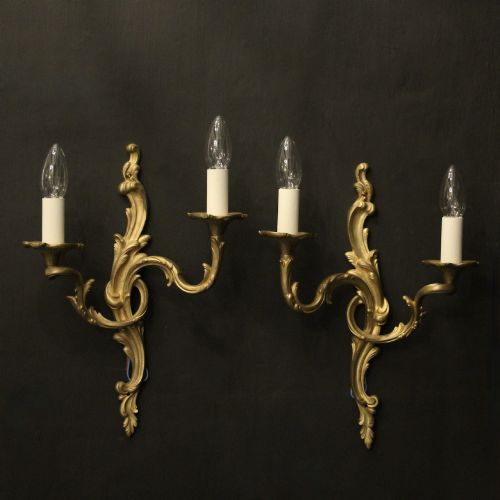

Rococo Brass Wall Light
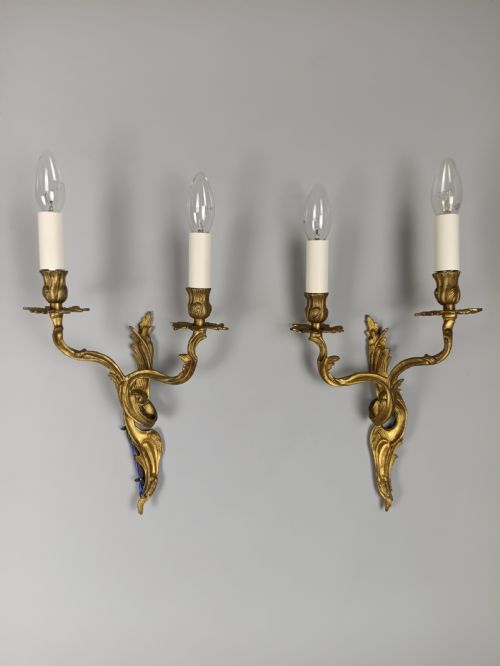
When you select a rococo brass wall light, you bring home an ornate French fixture designed to cast soft, directional illumination through scrolled arms.
Rococo Brass Wall Light
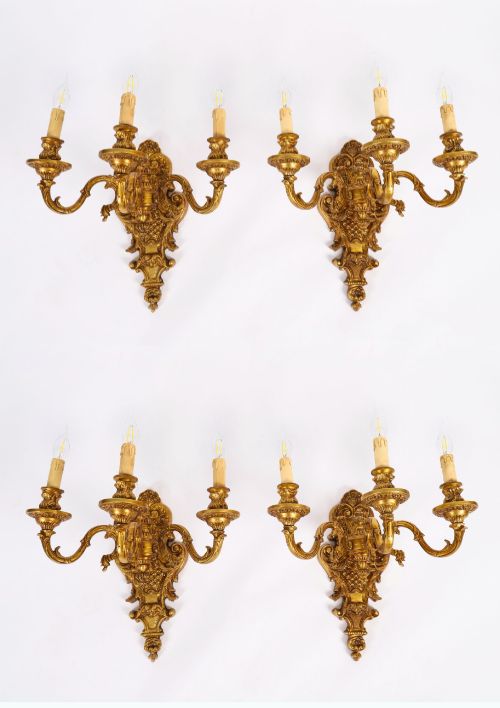
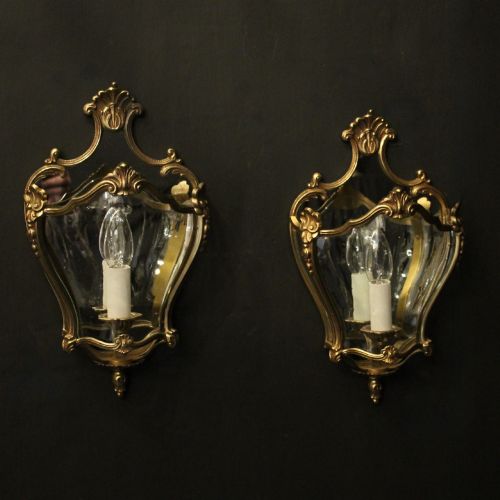
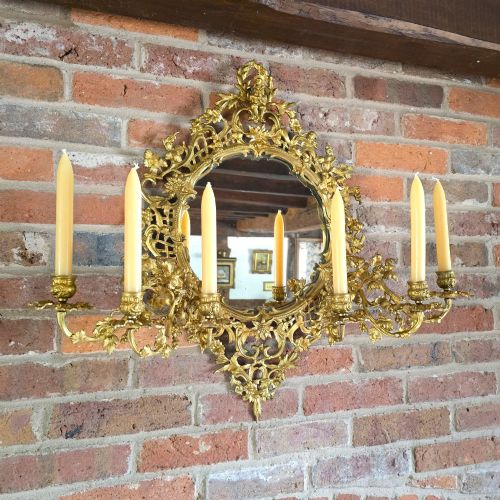
A rococo brass wall light takes the form of a decorative branch, sconce, or mirror frame designed to mount directly onto domestic walls. These pieces draw heavily on French design vocabulary from the nineteenth and early twentieth centuries, particularly Louis XV revival aesthetics.
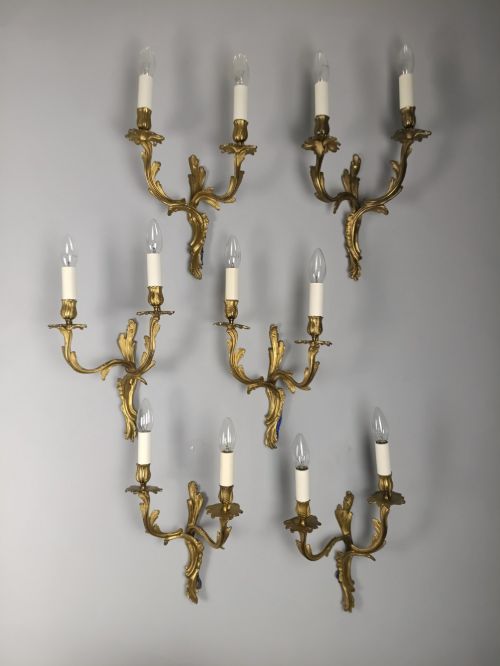
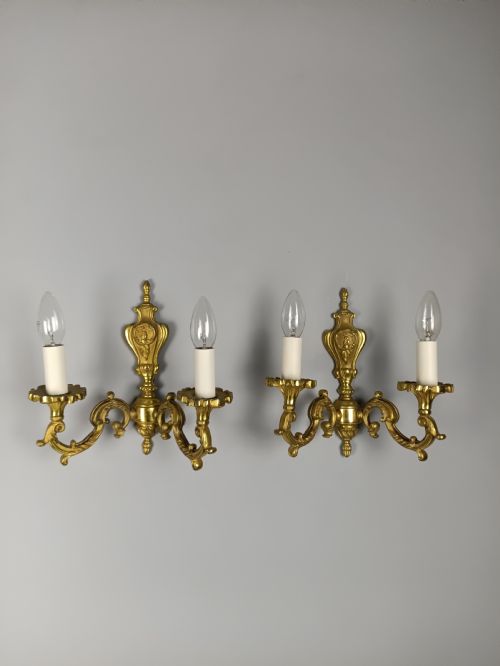
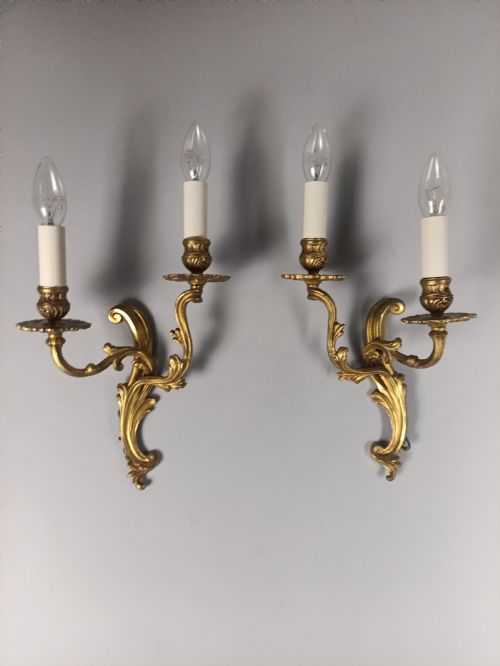
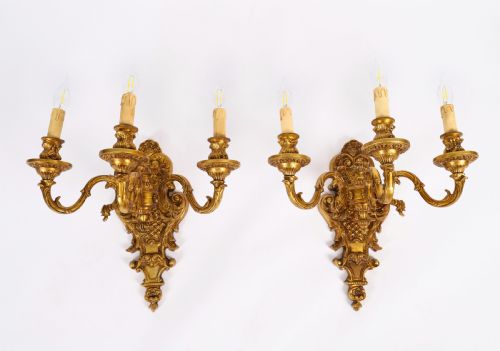
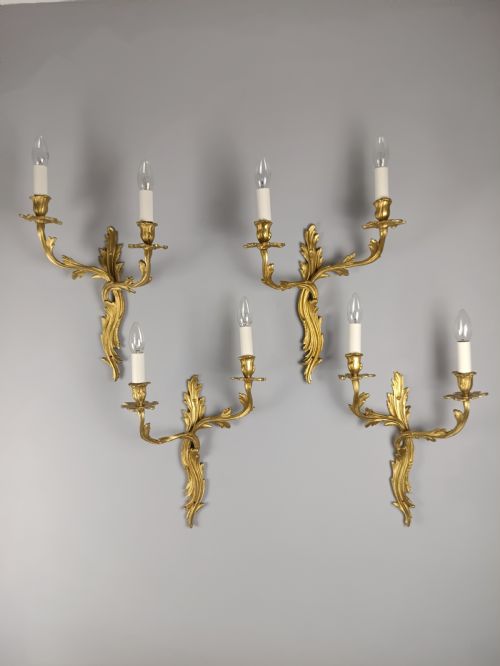
Most examples found in current records comprise twin or triple arm configurations cast in brass or bronze, frequently coated in a layer of gilt. Pairs and larger sets dominate the selection, often originating from French workshops active around nineteen-thirty or stretching back into the late nineteenth century.
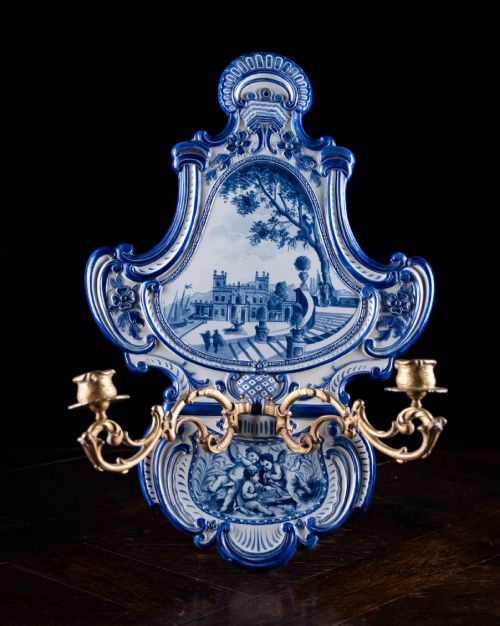
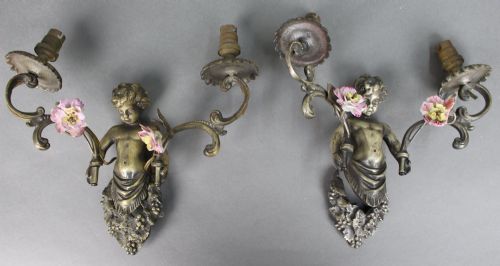
Makers shaped these fixtures with characteristic asymmetrical curves, C-scrolls, and naturalistic leaf motifs typical of the rococo revival movement. Variants incorporating porcelain flowers, putti, or wall mirrors also appear among the selections.
Materials and casting techniques
Foundry workers utilised traditional sand-casting or lost-wax methods to form the intricate brass, bronze, and ormolu frames. Molten metal poured into detailed moulds captured the sweeping scrolls and organic contours demanded by the style.
Surface finishes relied heavily on fire gilding or gold plating, creating the characteristic warm sheen known as ormolu or gilt brass. Artisans then chased the cooled metal surfaces by hand, sharpening the feathering on leaves and the crisp edges of scrolls before assembly.
Some mischievous nineteenth-century models hide tiny bronze cherubs peering out from behind the scrolling acanthus leaves.
Evaluating craftsmanship
The weight of the cast metal and the crispness of the hand-chased surface details set superior examples apart from standard production pieces. Finer specimens display deep, articulate relief work where acanthus leaves and scrolls appear sharp rather than softened by worn moulds.
The integrity of the original gilding and the structural stability of the arm joints determine the overall grade of the fixture. Heavier bronze castings with intact fire gilding represent the higher tier of the surviving selection.
The Rococo Brass Wall Light Glossary
- Ormolu
- A technique of applying finely ground high-carat gold to a bronze object, or the finished object itself. This finish provides a durable, deep lustre characteristic of finer French lighting.
- Sconce
- A wall-mounted lighting fixture designed to hold candles or electric lamps. These units project outward to distribute light across a room.
- Applique
- A decorative wall sconce or bracket light mounted flat against the wall surface. The term frequently appears in French antique trade descriptions.
- Girandole
- An ornamental branched wall light, often incorporating a mirrored backplate to multiply the reflected illumination. Mirrors placed behind the candles intensified the available light in historic interiors.
- Candelabra
- A branched candlestick holder designed to support multiple candles from a single base or wall attachment. These branches divide the weight and flame across several arms.
Rococo Brass Wall Light: Frequently Asked Questions
How do I wire these for modern use?
Many antique fixtures arrive already rewired or prepared for installation by a qualified electrician. Modern wiring threads discreetly through the hollow cast arms and backplates to meet current safety standards.
Consult a professional to ensure the internal components comply with local regulations before mounting the fixture to the wall.
Were these originally for candles or electricity?
The earlier examples dating to the nineteenth century were constructed exclusively for wax candles or oil. Electrification typically occurred during later refurbishments or modern restorations.
Twentieth-century iterations often incorporated wiring channels from the outset while retaining traditional mock-candle drip pans.
How do I date a brass wall light?
Dating relies on examining the casting quality, assembly methods, and surface wear patterns. Pieces from the late nineteenth century often display heavier bronze construction and hand-chased details, whereas nineteen-thirty items show standardised mounting plates.
Stylistic cues such as the specific interpretation of Louis XV revival motifs also help narrow the production window.
Can I hang these in pairs?
Sourcing matching pairs or sets of four and six remains common within this category. Symmetrical placement flanking a fireplace, mirror, or doorway forms the traditional method of display.
Single sconces also appear for narrower wall spaces where paired arrangements would overwhelm the room proportions.