




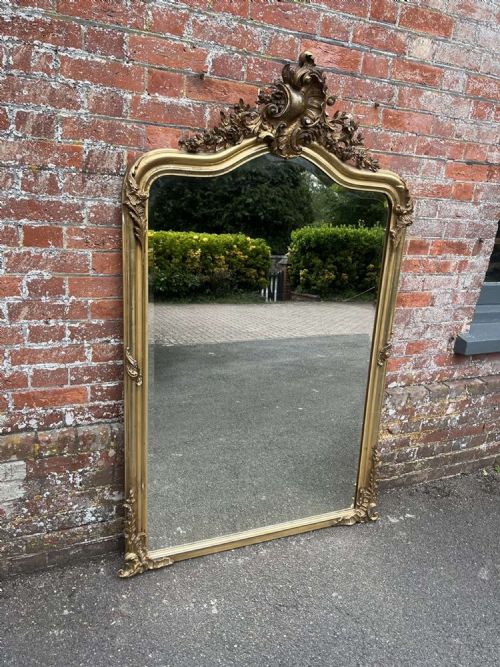
Rococo Arched Mirror
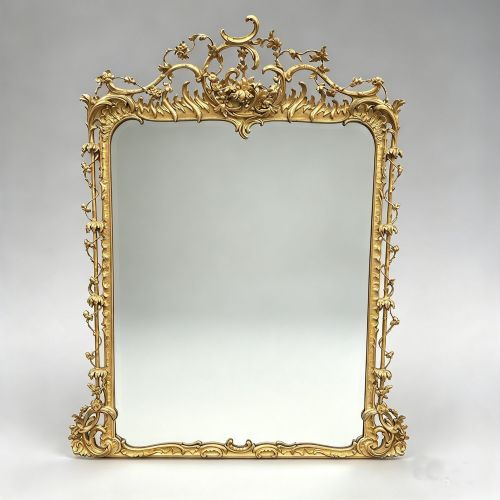
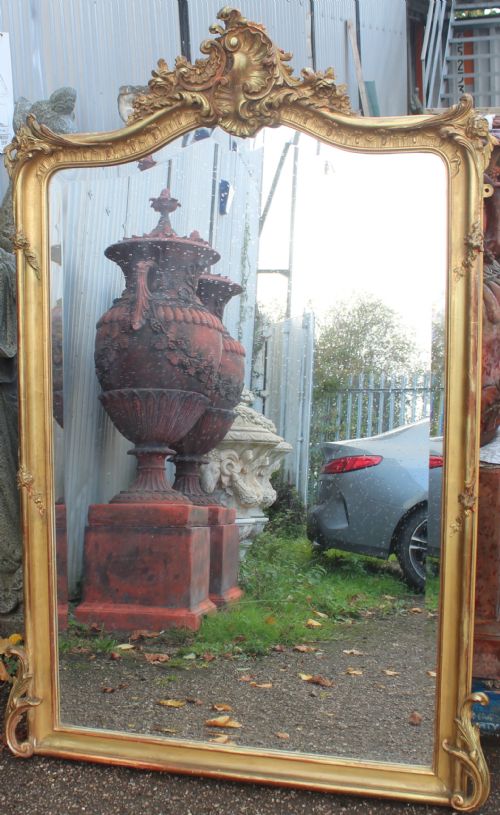
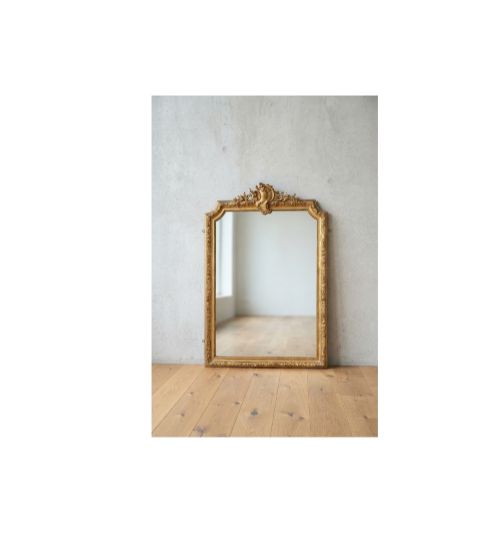
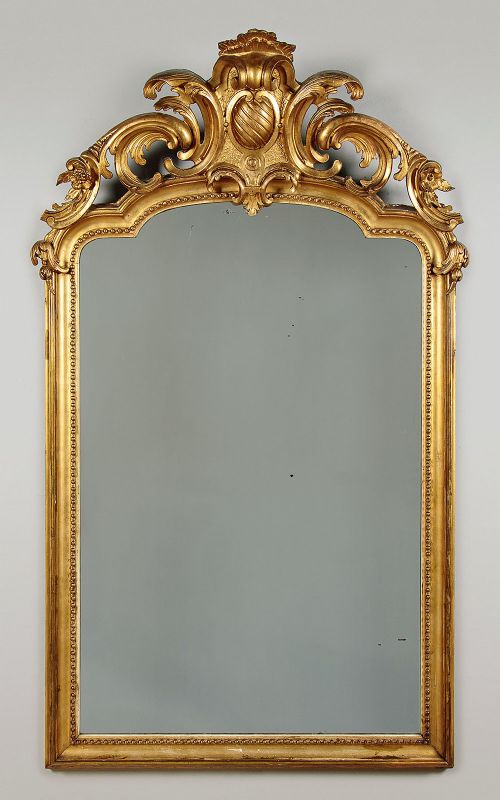
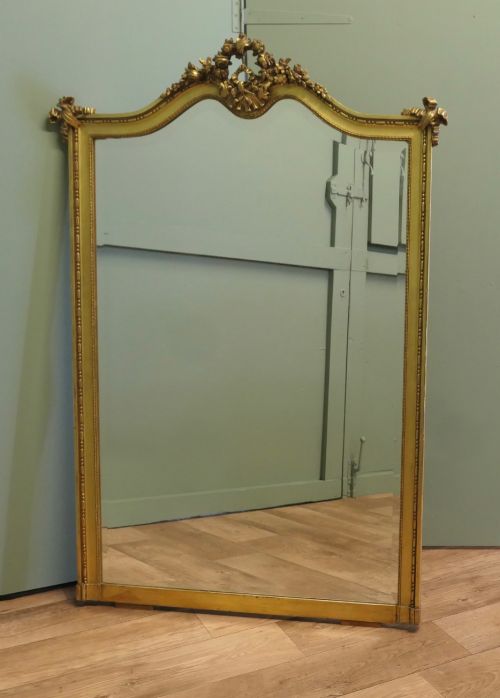
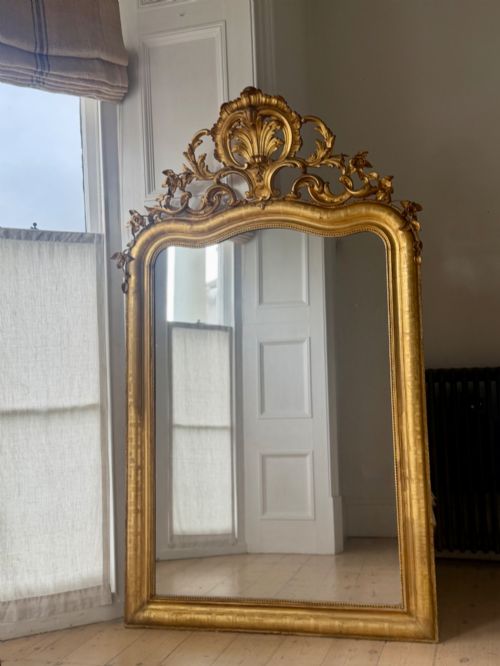
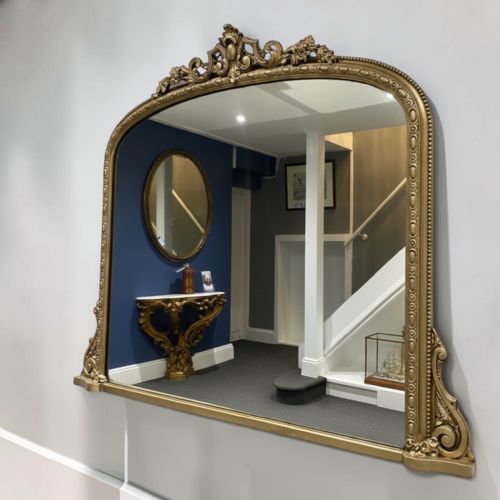
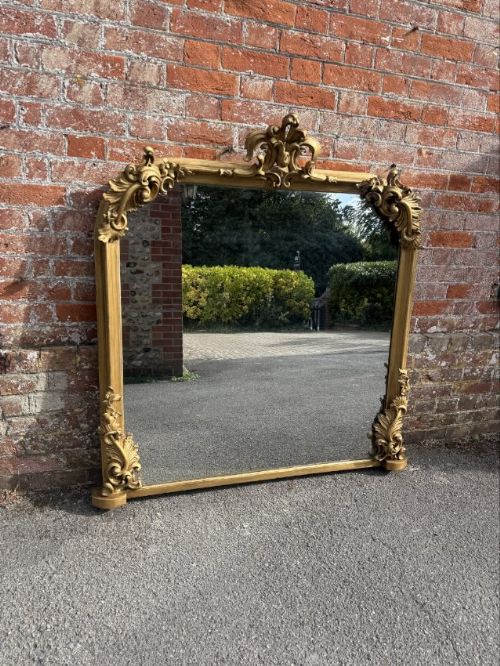
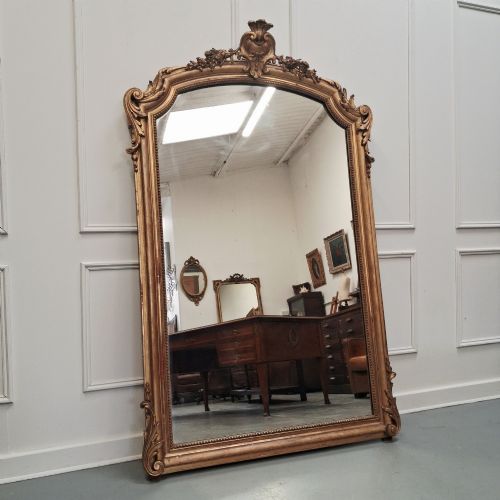
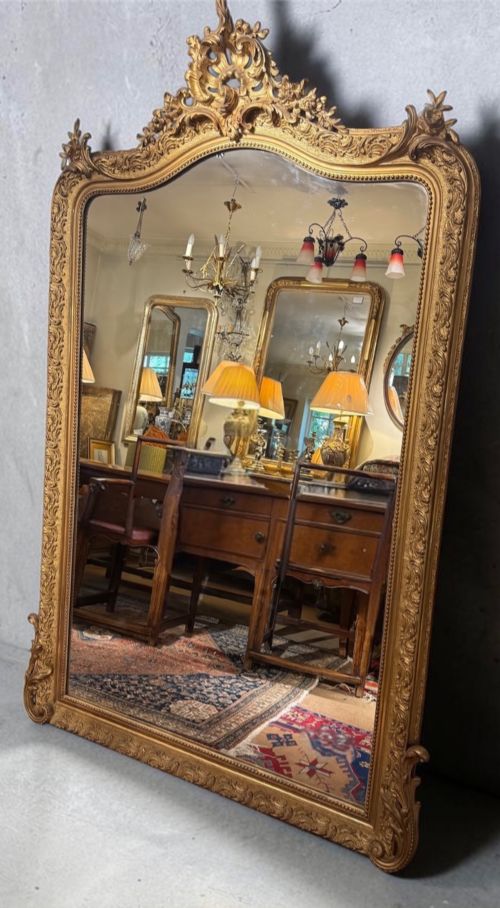
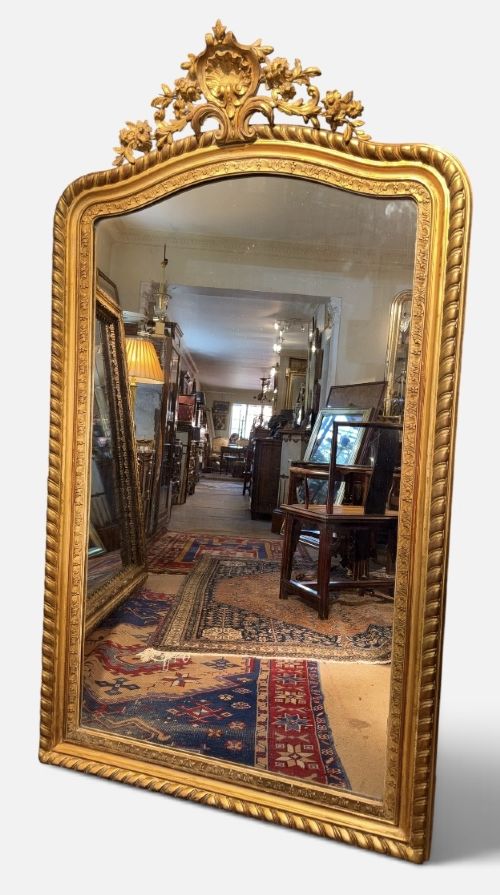
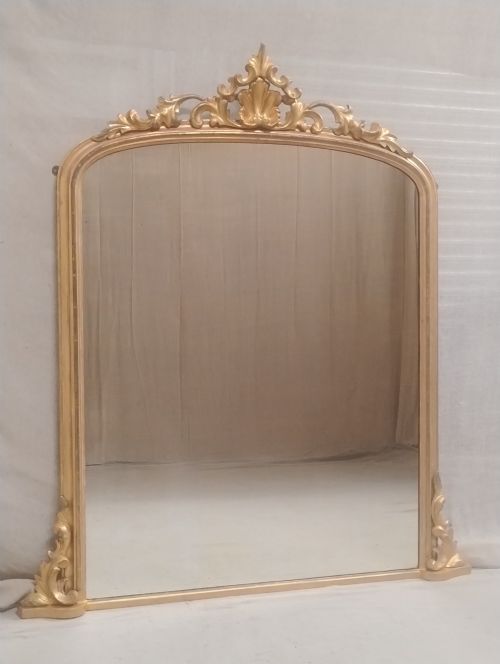
These rococo arched mirror examples bring flamboyant French and Victorian revival forms into domestic interiors, combining grand scale with fluid scrollwork.
Rococo Arched Mirror
A rococo arched mirror typically takes the form of a large wall hanging or an overmantel piece designed to sit above a fireplace. The pieces encountered here span from the mid-nineteenth century through to the early twentieth century, drawing heavily on French Rococo Revival and Louis XV design idioms.
Makers and manufacturers produced these mirrors in grand proportions, often incorporating shaped tops, crestings decorated with flowers and ribbons, and asymmetric shell motifs. They serve primarily as focal points in reception rooms, functioning both as decorative wall furnishings and as practical items to reflect light.
How they were made
The construction of a rococo arched mirror relies on timber frames built from carved wood or gesso laid over a wooden base, which were subsequently gilded or painted. Craftsmen shaped the crests and borders with intricate scrollwork, applying layers of gesso to build up high-relief floral and ribbon details before adding gold leaf or surface paint.
The glazing typically consists of heavy mirror glass or traditional mercury glass held within the arched wooden armature. Structural joinery supports the substantial weight of these large frames, particularly in overmantel and pier mirror formats designed for domestic installation.
Rococo Arched Mirror Retail Price Guide 2026
Typical asking prices for rococo arched mirror among the pieces listed under this phrase on Sellingantiques today, from the lower quarter to the upper quarter. They describe what is for sale here now, not the wider market.
The listings demonstrate a strong preference for Victorian and nineteenth-century periods, utilising giltwood, carved wood, and gesso materials across wall and overmantel forms.
What varies in quality
The distinction between standard and superior examples lies in the depth and crispness of the carved wood and gesso ornamentation. Hand-carved detailing that retains sharp relief and delicate curves around the floral or shell motifs indicates a higher level of artisan skill than mass-produced or heavily smoothed plaster work.
The treatment of the finish also dictates the standard of the piece, with well-preserved original gilding or carefully applied paint layers creating a coherent visual depth. Furthermore, the clarity and preservation of the original mirror glass or mercury backing contribute significantly to the overall integrity of the object.
The Rococo Arched Mirror Glossary
- Giltwood
- Wood that has been coated with a thin layer of gold leaf. This finish defines many nineteenth-century revival frames.
- Gesso
- A plaster-like mixture applied to wood frames to create a smooth surface for carving or gilding. It allows for deep, sculptural relief work.
- Overmantel mirror
- A large mirror specifically proportioned to hang on the wall above a fireplace mantel. These pieces frequently dominate the room scheme.
- Mercury glass
- An early type of silvered glass created by pouring a mercury amalgam between double-walled blown glass. It produces a distinctive mottled reflection.
- Pier glass
- A tall, narrow mirror designed to hang on the wall space between windows. They often coordinate with console tables placed below them.
Rococo Arched Mirror: Frequently Asked Questions
Where should I hang a rococo arched mirror?
These mirrors suit principal reception rooms, living spaces, and hallways where their height and decorative frames can command attention. Positioning them above a fireplace mantel or a console table follows traditional nineteenth-century placement.
Ensure the wall structure can support the considerable weight of a framed wooden and gesso mirror. Using appropriate fixings distributes the load securely across the wall.
How do I distinguish French revival from Victorian examples?
French revival pieces often display characteristic Louis XV style motifs, including prominent asymmetry and naturalistic shell or floral crests. Victorian versions frequently adapt these same French influences within a sturdier domestic British framework.
Examining the construction methods and the secondary woods behind the gesso can also provide clues regarding the origin of the workshop.
What maintenance do antique gilt frames require?
Antique gilt surfaces require gentle dusting with a soft, dry brush to prevent the accumulation of dirt within the intricate carved recesses. Avoid liquid cleaners, as moisture can damage the underlying gesso and delicate gold leaf.
Keeping the mirror away from direct sources of heat and damp environments protects the wooden armature from warping and preserves the finish.
Are these mirrors heavy to install?
The substantial timber frames, layered gesso, and thick glass make these mirrors exceptionally heavy objects. Professional installation using heavy-duty mirror plates and wall anchors is strongly recommended.
Checking the stability of the frame joints before hanging ensures the structure remains secure under its own weight.