





River Valley Landscape Canvas
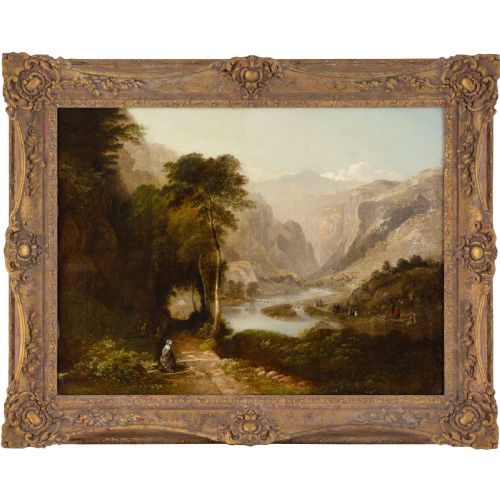
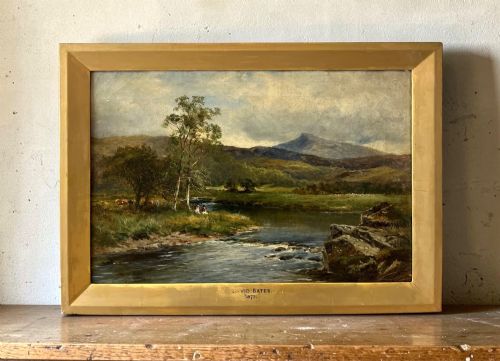
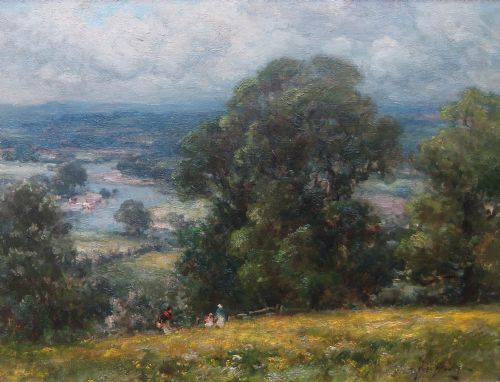
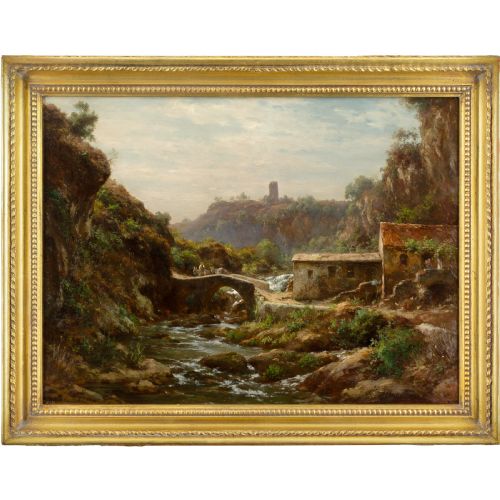
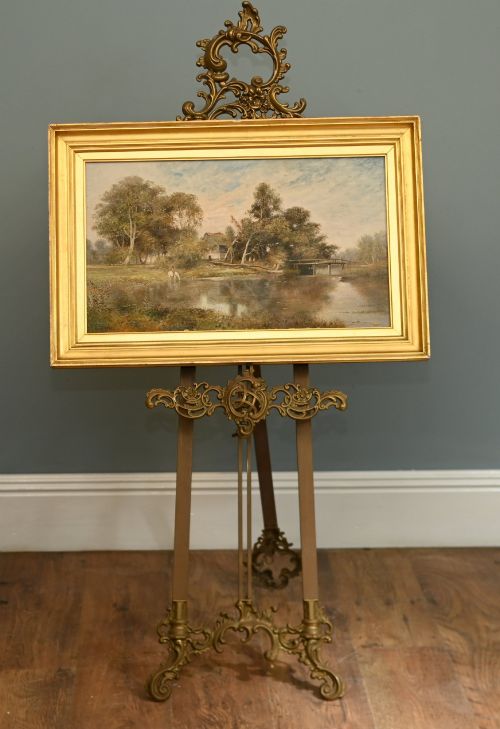
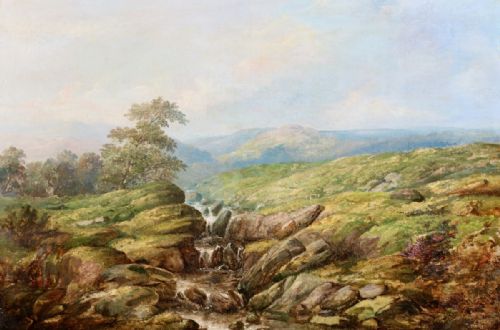
These river valley landscape canvas paintings capture rolling waterways and distant hills in oils, bringing nineteenth-century and early twentieth-century rural scenery directly into the home.
River Valley Landscape Canvas
A river valley landscape canvas is an oil painting depicting natural waterways, wooded glens, and rural vistas, created across the nineteenth and early twentieth centuries by British and European artists.
Buyers browsing this selection encounter works framed in gilt or giltwood, showcasing styles ranging from Victorian naturalism and Scottish school landscapes to British impressionism and mid-century modernist interpretations.
The subjects span specific locations like the Thames Valley and North Wales alongside broader Italianate and lake scenes, all rendered in oil paint on woven fabric supports.
Materials and construction
Artists built these river valley landscape canvas works using oil paint applied to stretched canvas, capturing the interplay of light and shadow across water and foliage.
Many of these paintings retain their original wooden frames, often finished with gilt or giltwood to complement the rich pigments of the pastoral scenes.
River Valley Landscape Canvas Retail Price Guide 2026
Typical asking prices for river valley landscape canvas among the pieces listed under this phrase on Sellingantiques today, from the lower quarter to the upper quarter. They describe what is for sale here now, not the wider market.
Geese frequently inhabit these river valleys, quietly paddling past arches and hills while oblivious to the nineteenth-century artists painting them.
Judging quality in landscape paintings
Quality rests upon the artist's handling of light, depth, and atmospheric perspective, distinguishing fluid, confident brushwork from rigid or formulaic depictions.
The harmony between the canvas and its original gilt or giltwood frame elevates a piece, as does a well-documented attribution to a named painter from the period.
Adolf Johann Höffler·Clarence Henry Roe·William Mellor·George Melvin Rennie·Reginald Grange Brundrit·Frederick Richard Lee
The River Valley Landscape Canvas Glossary
- Canvas
- A heavy woven fabric used as a surface for oil painting. It is typically stretched tightly across a wooden frame before pigment is applied.
- Giltwood
- Wood that has been treated with a thin layer of gold leaf or gilt. This finish is frequently found on the decorative frames enclosing nineteenth-century paintings.
- Oil paint
- A slow-drying medium composed of pigments suspended in a drying oil, usually linseed. It allows for rich colour blending and textured impasto application.
- Victorian naturalism
- An artistic style focused on depicting the natural world with fidelity and detail. It dominated British landscape painting during the nineteenth century.
River Valley Landscape Canvas: Frequently Asked Questions
How do I date a river valley landscape canvas?
Dating relies on stylistic markers, the composition of the canvas, and framing techniques typical of periods like the Victorian era or the 1930s. Signatures and biographical details of the artist also help narrow the timeframe.
Examining the stretcher bars and the reverse of the canvas can reveal old labels, stamps, or canvas maker marks that point to a specific decade of production.
Where should I hang an oil painting?
Choose a wall away from direct sunlight and excessive moisture to protect the oil paint and the wooden frame. Stable indoor temperatures prevent the canvas and giltwood from warping over time.
Positioning the painting at eye level in a principal room allows the details of the river valley scenery to be properly appreciated in natural or gentle artificial light.
How do I clean a vintage canvas?
Dust accumulation should be gently removed from the surface using a very soft, dry brush without applying pressure to the paint layer. Avoid using water, cloths, or cleaning solutions on the canvas itself.
Professional conservators should handle any deeper cleaning or removal of discoloured varnish to prevent accidental damage to the delicate oil pigments.
What defines nineteenth-century British landscape art?
This tradition emphasises atmospheric conditions, rural topography, and natural waterways observed directly from the British countryside. Artists utilised varied brushstrokes to evoke the changing weather over rivers and hills.
Works from this period often reflect regional schools, such as the Scottish school or Victorian naturalism, capturing the distinct character of local valleys and lakes.