
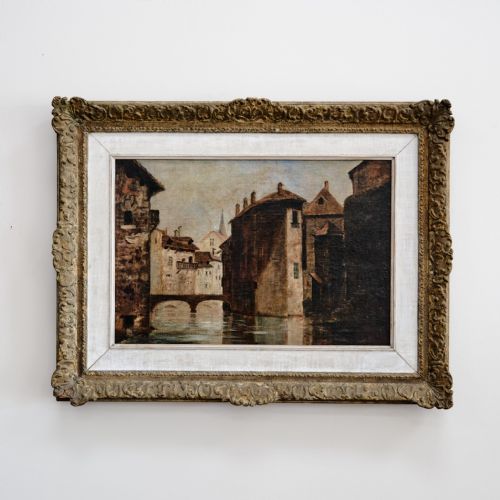
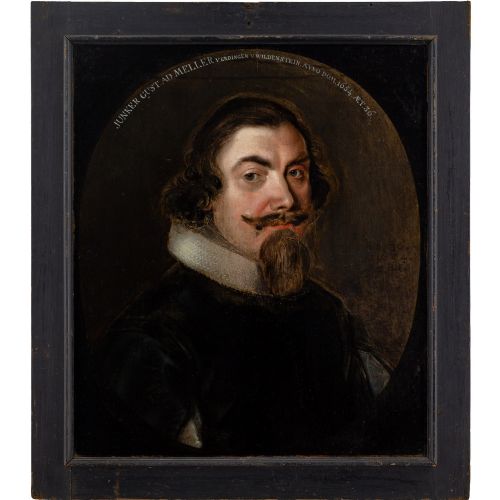
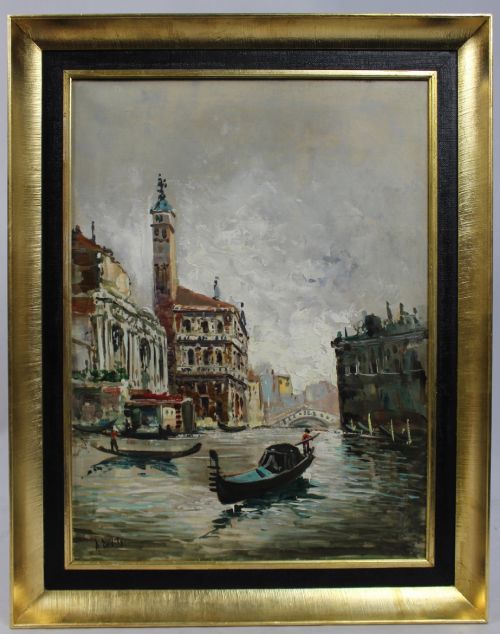
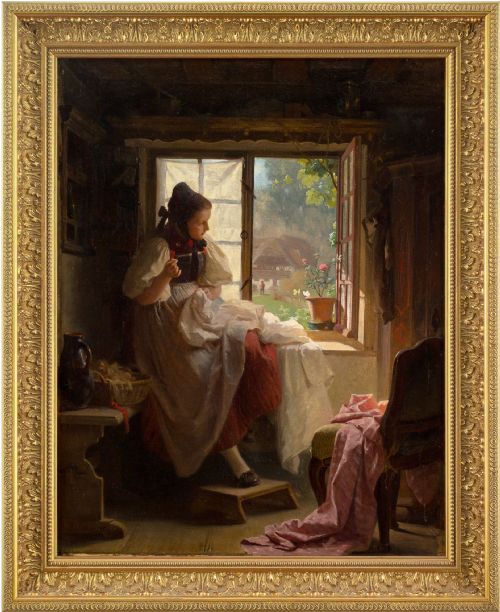
Antique European Oil Artwork
These antique european oil artwork pieces capture centuries of continental technique, offering a tangible window into past lives and landscapes.
Antique European Oil Artwork
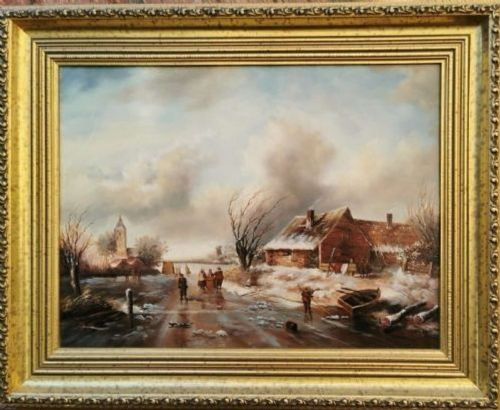
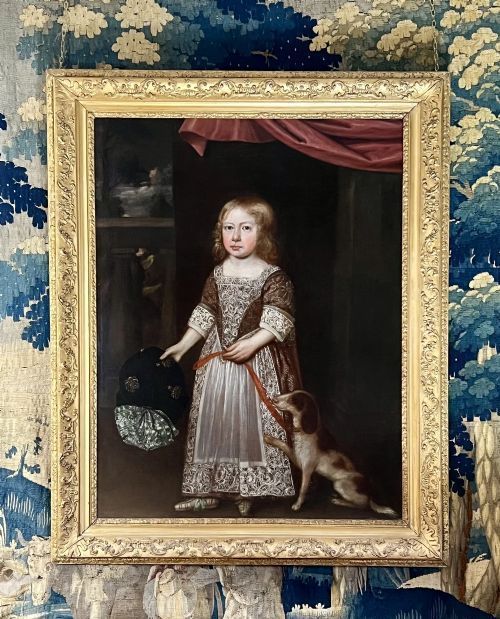
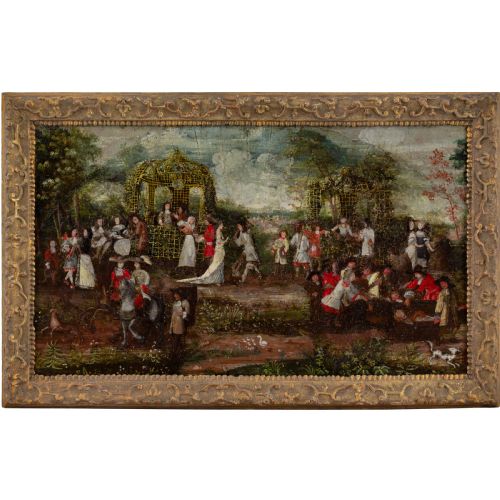
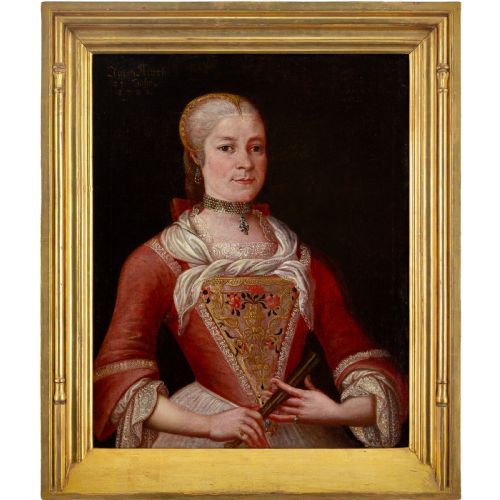
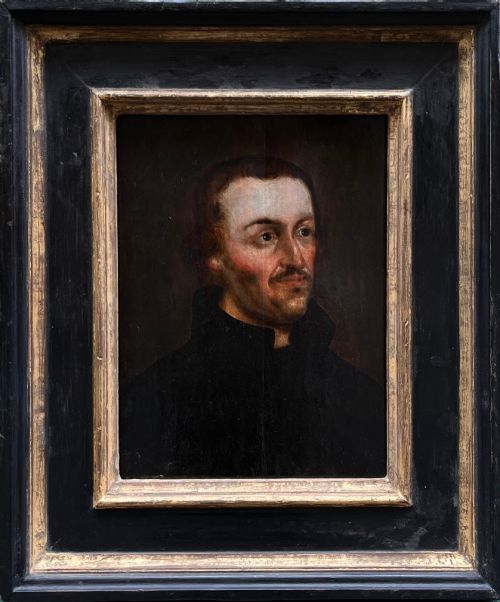
When you search for antique european oil artwork, you are looking at centuries of painted canvas, panel and board originating from Flemish, Dutch, German, French and Austrian hands. The pieces span from seventeenth-century baroque portraits and landscapes through to twentieth-century impressionism and expressionism.
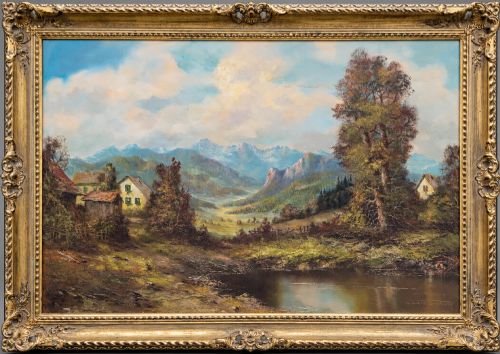
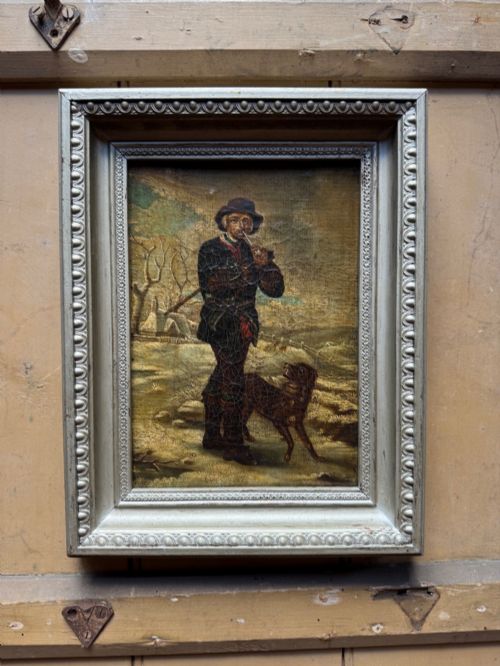
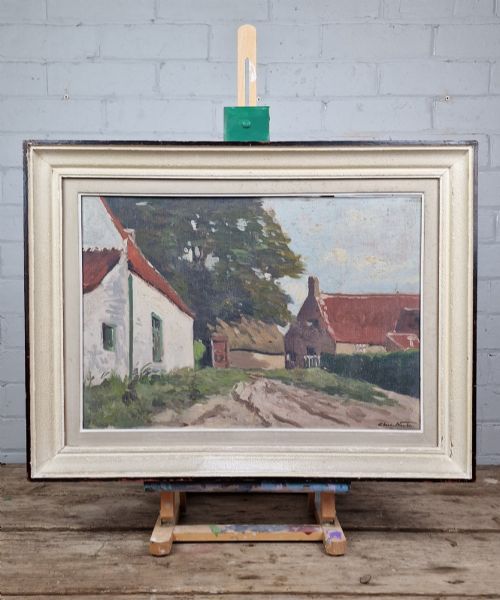
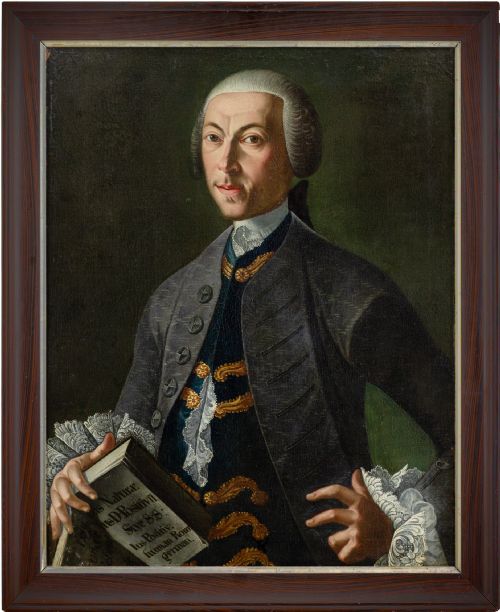
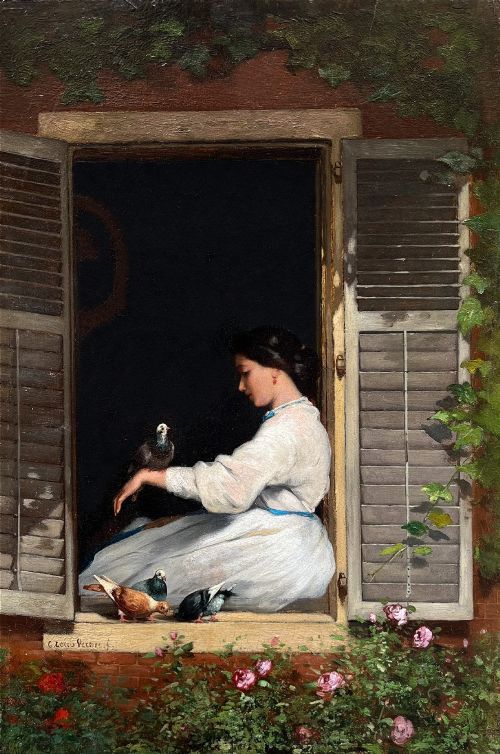
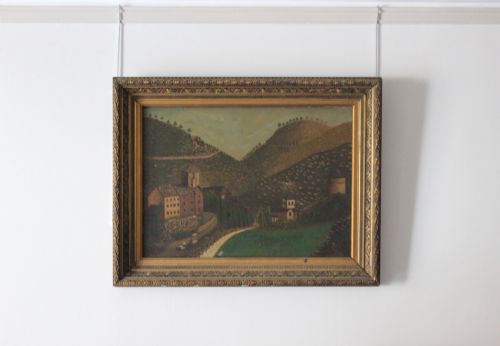
You are most likely to meet nineteenth-century canvases on this page, alongside seventeenth-century portraits and early twentieth-century townscapes. These works capture everything from quiet farmyards and alpine views to formal likenesses of gentlemen and elegant female beauties.
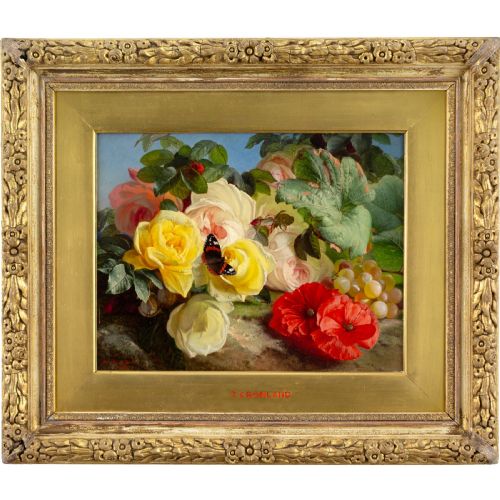
The objects range from grand architectural views and wide river landscapes down to intimate still lifes of roses, poppies and fruit. Each painting represents the specific stylistic traditions of its regional school, whether Flemish, Dutch or Bavarian.
How they were made
Painters applied oil paint using brushes upon prepared surfaces of canvas, wood panels or board. Canvases frequently rested upon wooden stretcher frames, sometimes augmented with gesso grounds to seal the fabric before pigment touched the surface.
Listings feature works from the seventeenth, eighteenth, nineteenth and twentieth centuries, executed in oil on canvas, wood and board.
What varies in quality
Quality rests upon the sureness of the brushwork and the handling of light within the composition. Masterful pieces demonstrate depth and atmospheric perspective, whereas simpler primitive works rely on flat planes and direct application.
The fidelity of portraiture anatomy, the subtlety of tonal transitions in landscapes, and the preservation of the original paint layer separate ordinary decorative works from accomplished regional school paintings.
Theude Grönland·Charles Houben·Max Kaltenmoser·Louis Charles Verwee·Albert Rieger·Paul-Élie Gernez·Victor Simonin·Frans Gailliard·Jules Rambo·Frederick Tully Lott·William George Meadows·Hendricus Joseph Dillens·Pieter Bout·Adriaen Frans Boudewyns·Lewis J Wood
The Antique European Oil Artwork Glossary
- Canvas
- A heavy woven fabric stretched across a wooden frame to serve as a painting surface. It provides a slightly textured ground for oil pigments.
- Giltwood
- Wood carved and coated with a thin layer of gold leaf or metallic powder. It forms the decorative border of traditional picture frames.
- Gesso
- A white paint mixture consisting of a binder mixed with chalk, gypsum, or pigment. Painters use it as a prep layer on wood or canvas.
- Flemish Baroque
- A Northern European artistic movement from the seventeenth century known for dynamic movement and rich colour. It produced detailed landscapes and formal portraiture.
- Post-Impressionism
- A French art movement that developed roughly between the late nineteenth century and early twentieth century. It extended impressionism while rejecting its limitations.
Antique European Oil Artwork: Frequently Asked Questions
How do I date an old oil painting?
Dating relies on examining the canvas weave, the stretcher frame construction, and the type of pigments used by the artist. Stylistic clues in costume, hair and architecture also point to specific centuries.
Signatures, stamps on the reverse, and historical records of the painter provide further confirmation of the period.
Where should I hang an oil painting?
Hang paintings away from direct sunlight and damp walls to protect the canvas and the wooden stretcher frame. Stable indoor temperatures prevent the oil paint from cracking over time.
Keep pieces clear of direct heat sources such as radiators to preserve the integrity of the giltwood frames and the canvas tension.
What is a Flemish school painting?
A Flemish school painting originates from the historical region of Flanders, encompassing parts of modern Belgium, France and the Netherlands. These works often feature meticulous detail in landscapes, interiors and portraits.
The tradition spans from seventeenth-century baroque masters down to nineteenth-century and twentieth-century realists and luminists.
How do I clean an antique painting?
Dust accumulation should be gently removed with a very soft, dry brush without applying pressure to the painted surface. Avoid using water, household cleaners, or chemical solvents on the canvas.
Professional conservators should handle deeper cleaning, varnish removal, or the stabilization of flaking paint layers.