

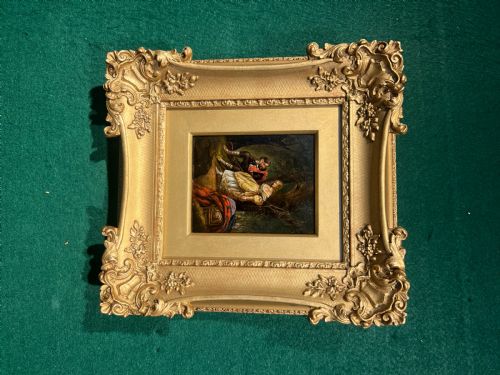


Antique Classical Landscape Painting
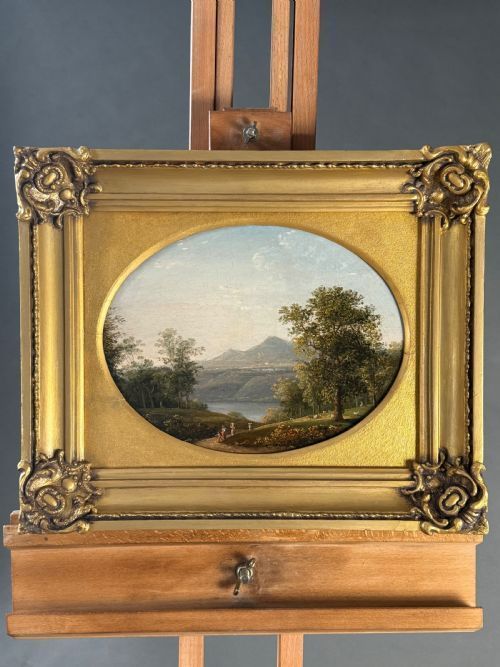
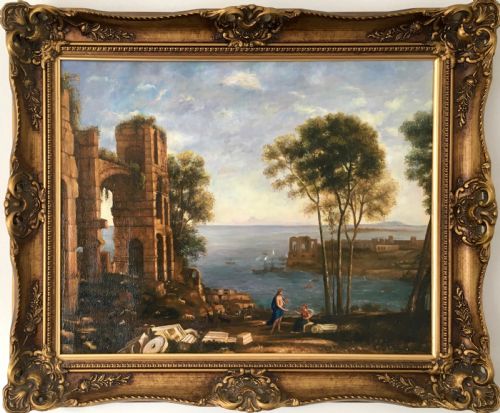
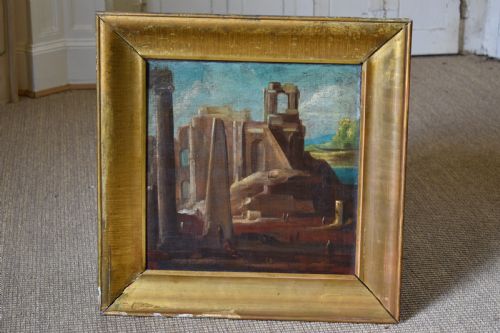
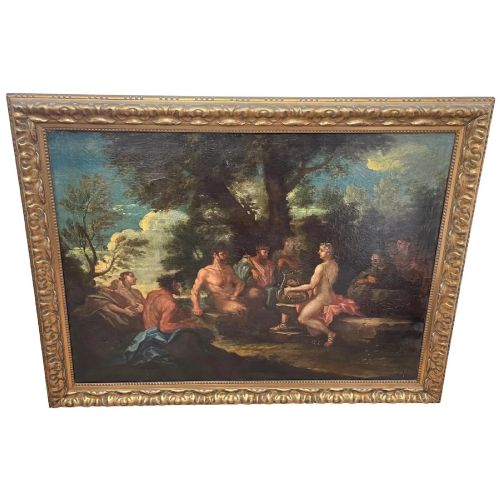
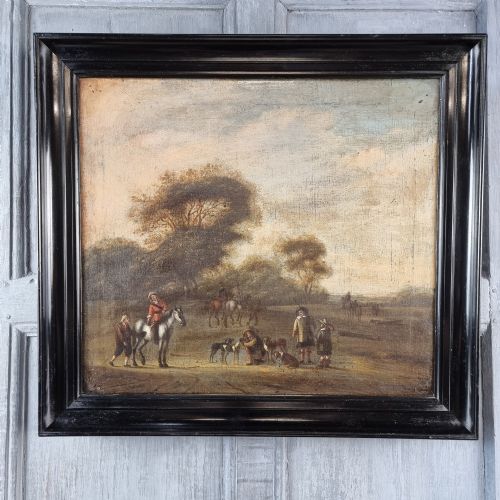
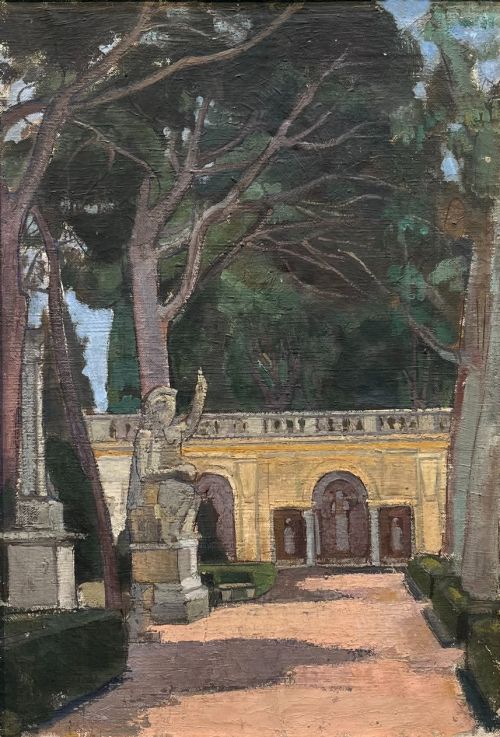
When you search for an antique classical landscape painting, you find framed views of idealized Italianate scenery, ancient ruins, and pastoral figures.
Antique Classical Landscape Painting
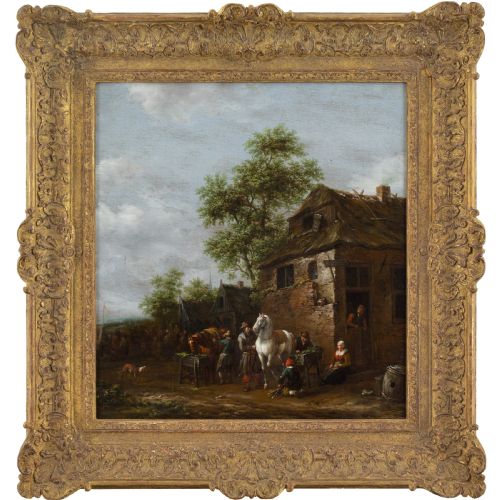
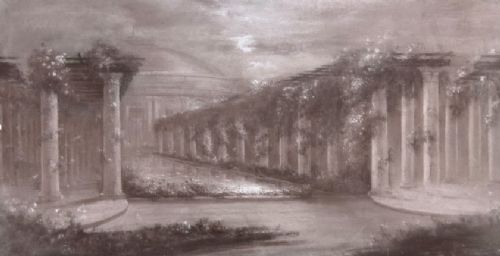
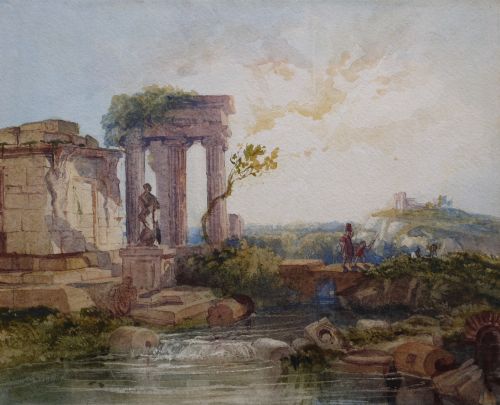
An antique classical landscape painting presents an idealized pastoral scene, frequently incorporating Roman ruins, classical architecture, and small human figures beside rivers or mountains. These works draw heavily upon the artistic traditions established during the Grand Tour and the seventeenth-century Dutch Golden Age.
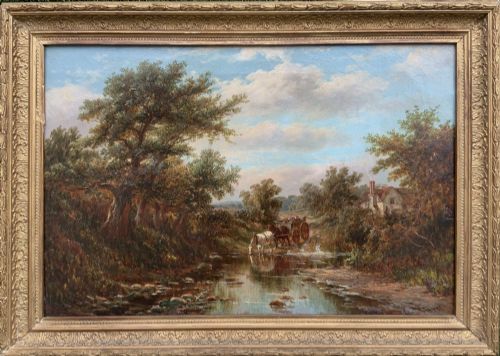
The selections encountered here span several centuries, including seventeenth-century works, eighteenth-century Italianate compositions, and nineteenth-century romantic interpretations. Alongside traditional oil on canvas formats, buyers also discover watercolour paintings and decorative trumeau wall mirrors featuring painted landscape panels.
Many pieces reflect the stylistic influence of notable masters such as Claude Lorrain and Jacob Philipp Hackert, whose depictions of atmospheric light and classical structures shaped European taste for generations. Regional British and continental schools are well represented across the available inventory.
How they were made
Painters applied oil paint to stretched canvas or wooden panels, building up luminous skies and deep terrain through layered glazes. Watercolour paintings on paper offer a lighter, more immediate recording of Italian scenery and architectural studies.
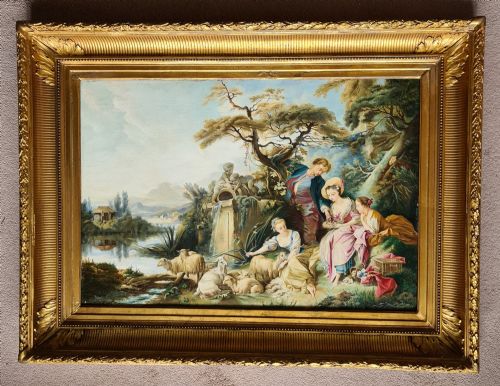
Frames form an integral part of these works, constructed from wood and ornamented with gesso, gold leaf, and giltwood. Overmantel mirrors and pier mirrors combine glass panels with carved giltwood frames and painted elements.
Listings feature oil on canvas, wood, giltwood, and gesso across seventeenth, eighteenth, and nineteenth-century periods.
What varies in quality
The sophistication of the composition and the handling of atmospheric perspective separate ambitious works from simpler interpretations. Masterly control over light falling across classical ruins and distant mountains creates a distinct sense of depth.
The execution of the staffage - the small figures placed within the landscape - often indicates the skill of the painter. Finer examples integrate figures harmoniously into the narrative of the scene rather than treating them as generic additions.
Angelo Maria Crivelli·Jacob Philipp Hackert·John Ferneley Senior·Thomas Edward Roberts·Frederick Waters Watts
The Antique Classical Landscape Painting Glossary
- Grand Tour
- A traditional extended journey through Europe undertaken by young upper-class men to study art and antiquities. Paintings from this context often recorded Italian ruins and pastoral views.
- Capriccio
- An architectural fantasy placing together fictional or real buildings, ruins, and other architectural elements in a picturesque composition. This device frequently appears in classical landscapes.
- Trumeau
- A decorative wall mirror or panel placed between windows or above a fireplace. Many incorporate painted classical landscape scenes within carved giltwood frames.
- Staffage
- The human or animal figures included in a painting to enliven the composition and provide a sense of scale. They often represent peasants, travellers, or mythological figures.
- Eglomisé
- A process of applying gold or silver leaf to glass and engraving a design through the metal. It appears on decorative mirror panels from the Georgian and Regency periods.
Antique Classical Landscape Painting: Frequently Asked Questions
What defines a classical landscape?
A classical landscape depicts an idealized rural or architectural view, typically featuring ancient Roman ruins, temples, and balanced compositions of trees, water, and mountains. These scenes are designed to evoke a sense of harmonious antiquity rather than realistic topography.
Artists arranged these elements carefully to guide the eye through the composition, often adding small figures engaged in pastoral or mythological pursuits.
How do I date an old painting?
Dating involves examining the materials, such as the weave of the canvas, the composition of the wood panel, and the formulation of the gesso on the frame. Stylistic clues, clothing styles of any figures, and the physical backing of the frame provide further chronological markers.
Signatures, inscriptions, and labels on the reverse of the stretcher or frame also help establish the period of creation.
Where were these paintings displayed?
Historically, large oil paintings of this type hung in the reception rooms, galleries, and staircases of British country houses and urban townhouses. They reflected the classical education and sophisticated tastes of their owners.
Smaller watercolours and framed panels suited more intimate spaces like boudoirs, studies, or drawing rooms.
How should I care for an oil painting?
Keep paintings away from direct sunlight, high humidity, and rapid temperature fluctuations that can cause canvas to slacken or wood panels to warp. Dust the surface gently with a soft, dry brush without applying pressure.
Avoid using liquid cleaners or touching the paint surface directly, as the aged oil paint and varnish layers remain sensitive.