






Georgian Era Landscape Art
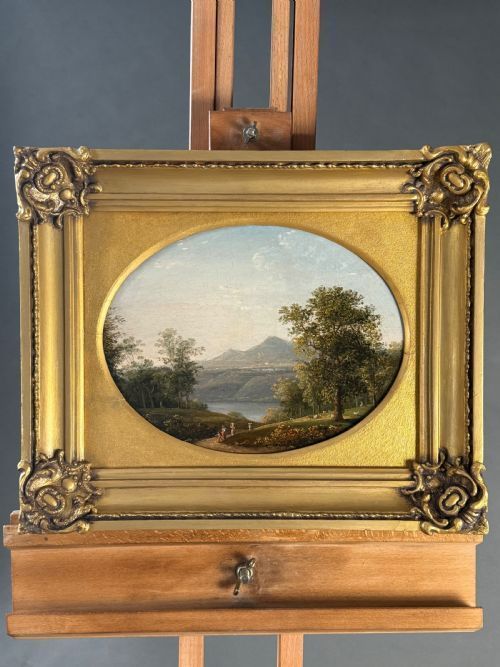
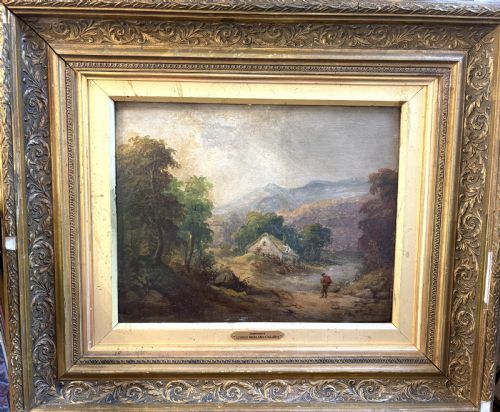
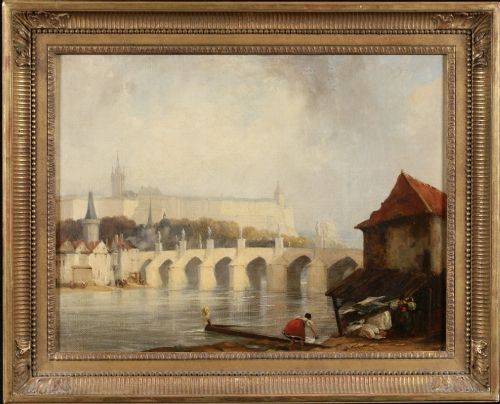
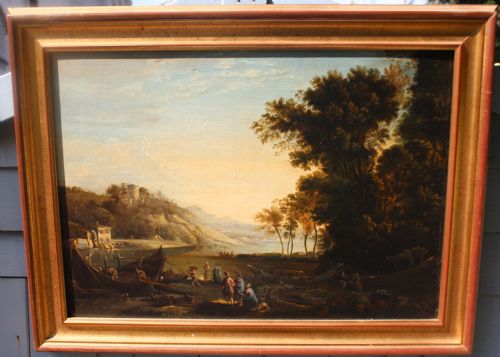
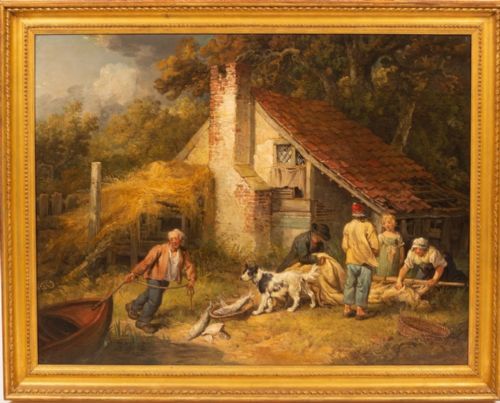
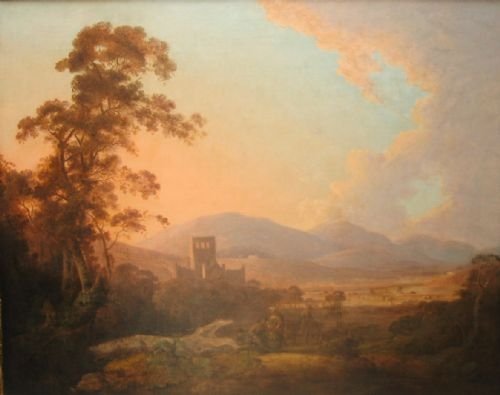
Georgian era landscape art captures scenic vistas and pastoral views through oil on canvas, paper, and wood.
Georgian Era Landscape Art
When you search for georgian era landscape art, you find works spanning the eighteenth and nineteenth centuries, including the Regency and Victorian periods. These pieces include oil paintings, watercolour paintings, and engravings depicting natural and architectural views.
The most common examples on this page are oil paintings on canvas and wood panel, alongside works on paper. Subjects range from English countryside scenes and Scottish highlands to Italianate architecture and Grand Tour vistas.
Makers and artists range from named painters of the Norwich School to Continental figures and circles of classical artists. Styles stretch across Romanticism, Neoclassicism, and classical British landscape traditions.
How they were made
Paintings utilise oil paint or watercolour applied to canvas, wood panels, or paper supports. Engravings utilise inked plates pressed onto paper to reproduce detailed architectural and topographical scenes.
Framing typically involves wood and giltwood surrounds, often housing original glass to protect the delicate surfaces of paper watercolours and engravings.
Several canine subjects make appearances, capturing fighting dogs and a prized pet named Mr Quiz alongside sweeping vistas.
What varies in quality
Quality rests in the handling of light, depth, and atmospheric perspective by the artist, distinguishing competent topographical records from accomplished painterly compositions. The fidelity and preservation of the original pigments directly influence the visual impact.
The integrity of the frame, particularly period giltwood or wood mouldings housing the artwork, contributes significantly to the overall cohesion and historical preservation of the piece.
Benjamin Barker Of Bath·Jacob Philipp Hackert·George Morland·James Ward·John Thistle·Thomas Jones·Julius Caesar Ibbetson
The Georgian Era Landscape Art Glossary
- Oil on Canvas
- Pigment mixed with drying oil applied to a woven fabric stretched across a wooden frame. This primary medium allows for rich colour depth and textured brushwork.
- Norwich School
- A regional movement of artists centred in Norfolk during the nineteenth century. These painters focused on local rural scenery, churches, and flatland landscapes.
- Grand Tour
- An eighteenth-century cultural journey through Europe undertaken by young upper-class men. Resulting artworks typically documented Italian architecture and classical ruins.
- Giltwood
- Wood carved and coated with a thin layer of gold leaf or gold paint. This material forms the ornate decorative frames surrounding period artworks.
Georgian Era Landscape Art: Frequently Asked Questions
How do I identify a Georgian landscape?
Georgian landscapes are identified through their stylistic ties to Neoclassicism, Romanticism, and the Norwich School, often depicting pastoral scenes, ruins, or topographical views. The materials, such as oil on canvas or wood panel, align with eighteenth and early nineteenth-century studio practices.
Examination of the backing materials, framing techniques, and artist attributions further helps place a work within the Georgian era or the subsequent Regency period.
What is a Grand Tour landscape?
Grand Tour landscapes record the travels of European travellers viewing classical architecture, Italianate vistas, and ancient ruins abroad. Artists like Jacob Philipp Hackert captured these scenic commissions for collectors returning home.
These works frequently feature sunlit Italian villas, classical temples, and distant mountains rendered in oil paint or captured via contemporary engravings.
How should I care for oil paintings?
Oil paintings on canvas or wood require stable indoor humidity and protection from direct sunlight to prevent pigment fading and cracking. Dusting should be done gently with a soft, dry brush without applying moisture or cleaning solutions.
Keeping the original giltwood frame intact helps maintain the structural integrity and historical context of the artwork.
What is the Norwich School?
The Norwich School was a provincial movement of British artists working in the nineteenth century, focusing on Norfolk scenery, windmills, and local churches. Painters in this circle captured realistic atmospheric conditions of English flatlands.
Works from this movement often utilise oil on wood panel or canvas to render naturalistic light and rural topography.