
Rich Mahogany Table
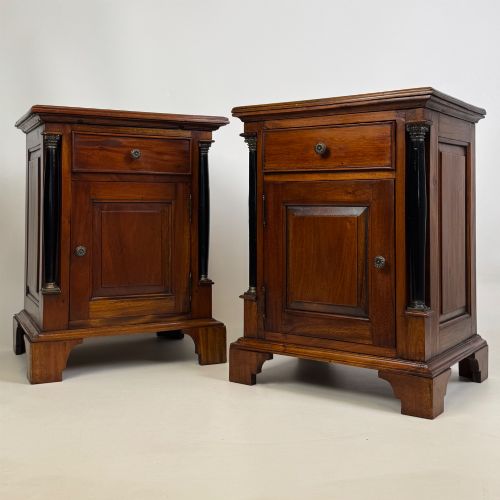
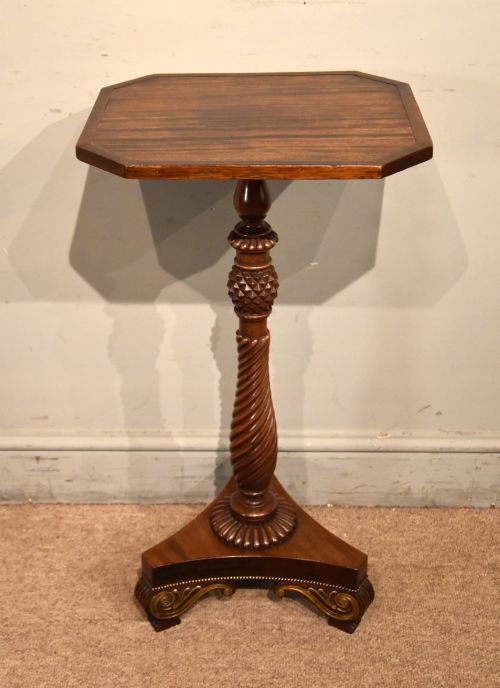
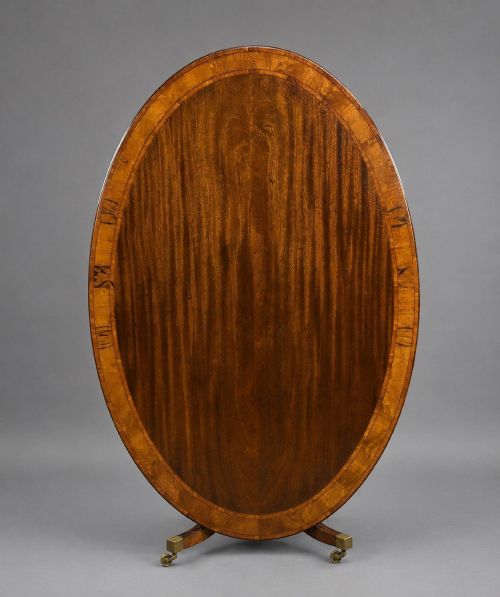
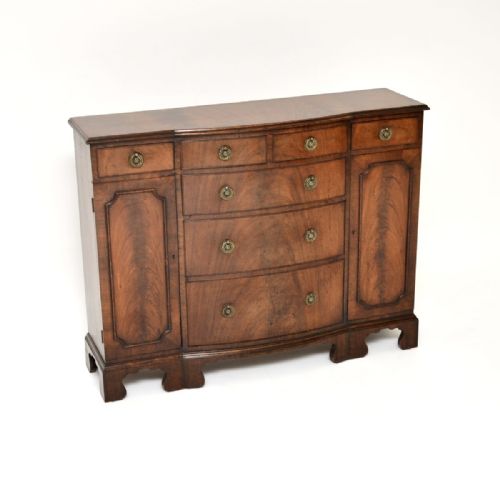
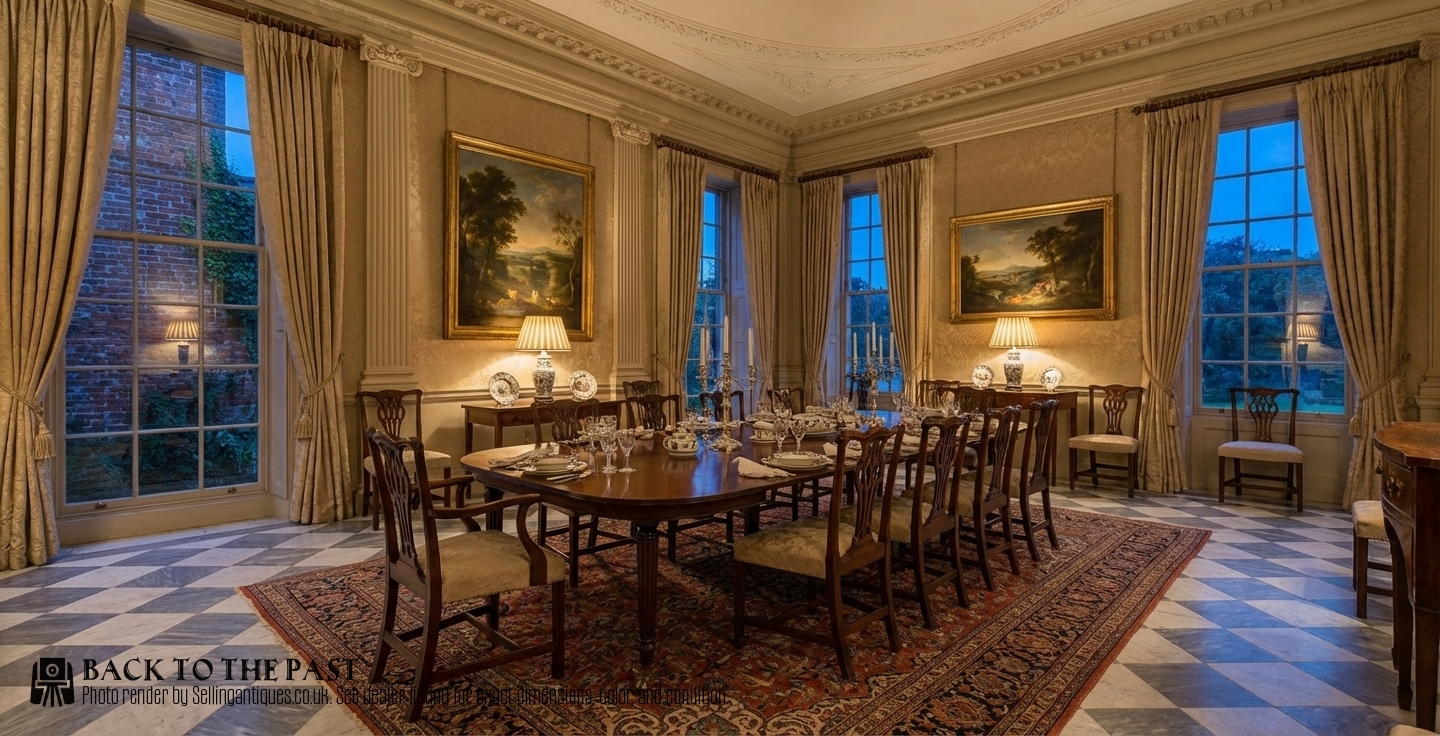
These rich mahogany table examples span centuries of cabinet making, offering deep timber tones and solid forms that anchor a room.
Rich Mahogany Table
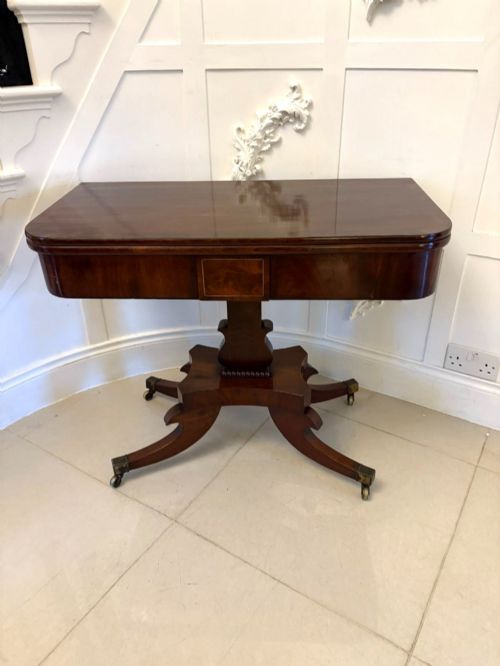
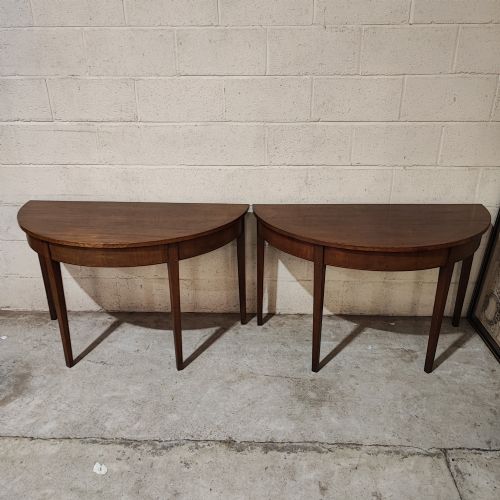
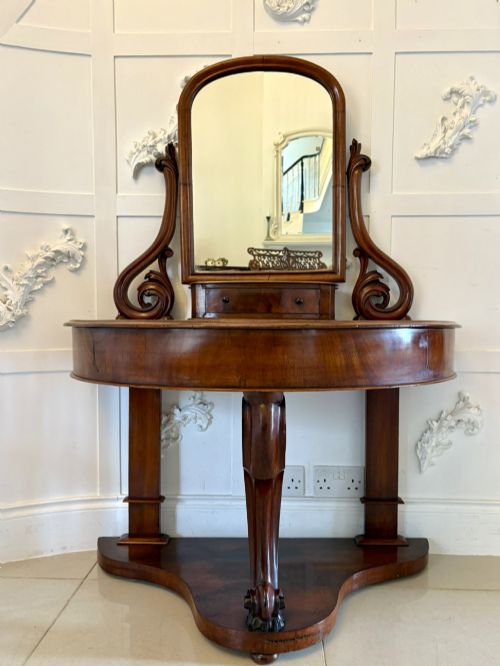
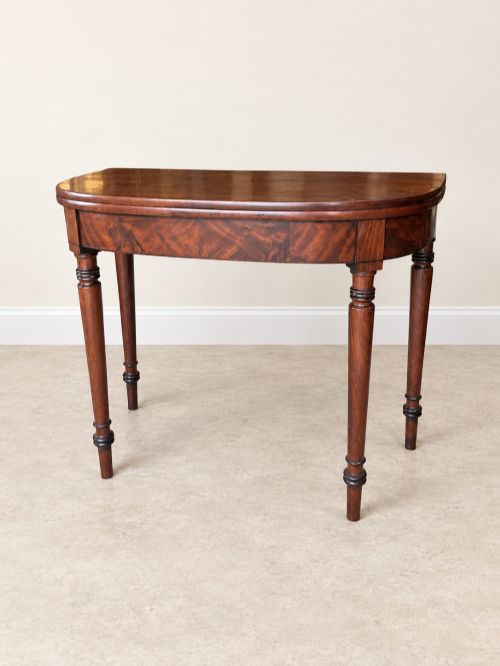
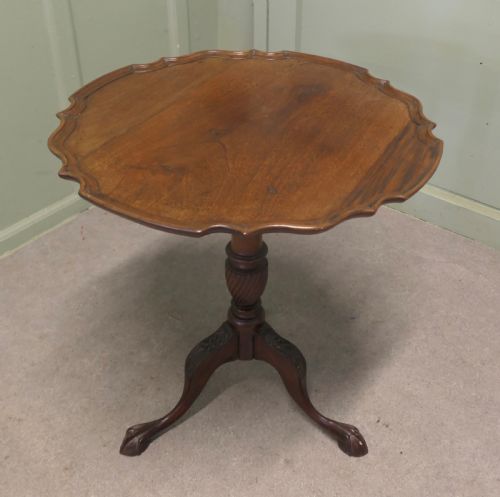
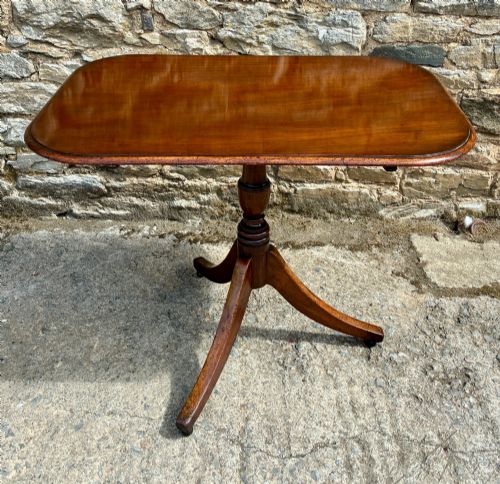
A rich mahogany table encompasses dining tables, side tables, tea tables, and occasional pieces originating primarily from the Georgian, Regency, and Victorian periods. Buyers search for this phrase to find surfaces displaying the deep, warm reddish-brown timber tones associated with high-end historical cabinet making. The pieces available here range from formal console and breakfast tables to smaller folding and tripod designs.
Georgian and Regency examples tend to feature precise joinery and classical proportions, whilst Victorian versions often provide heavier proportions and robust construction. Occasional and side tables appear frequently in the current selection, alongside larger dining and writing variants. Most items rely on solid mahogany or flame mahogany veneer mounted over secondary woods.
Materials and construction methods
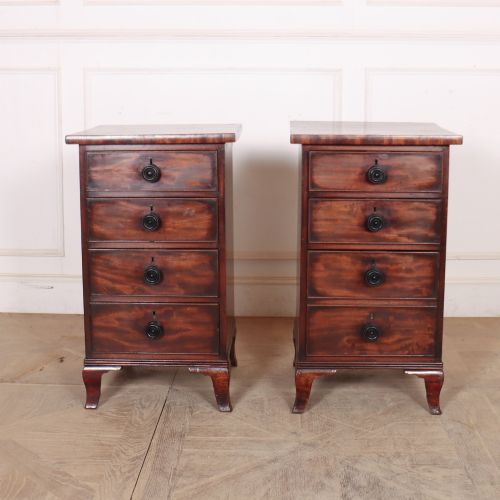
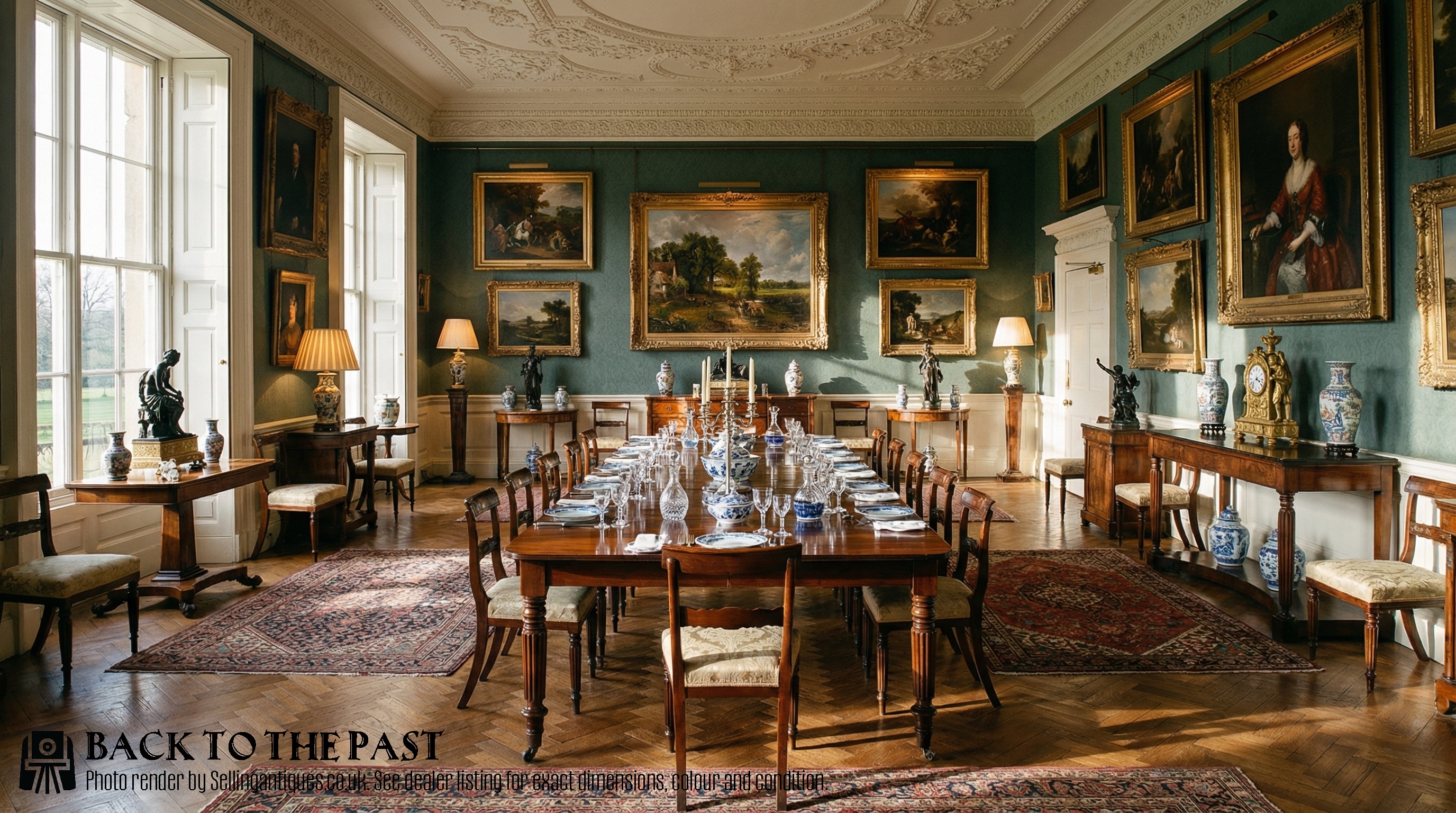
Makers utilised solid mahogany and flame mahogany veneer, frequently combined with secondary timbers such as oak or pine for internal carcases and drawer linings. Surface embellishments often include satinwood banding, purpleheart details, and delicate wood inlay to frame the main panels. Brass castors, handles, and swing brackets appear regularly on moving parts like drop leaves and fold-over tops.
Joinery techniques relied on hand-cut dovetails for drawers and mortise-and-tenon joints for framing the structural legs and rails. Timber surfaces were traditionally finished with shellac-based polishes or oil applications that developed a rich patina over decades of handling and wax maintenance.
Rich Mahogany Table Retail Price Guide 2026
Typical asking prices for rich mahogany table among the pieces listed under this phrase on Sellingantiques today, from the lower quarter to the upper quarter. They describe what is for sale here now, not the wider market.
Listings span four distinct centuries, featuring primary construction in mahogany alongside brass, satinwood, and ebonised wood.
Judging quality in mahogany furniture
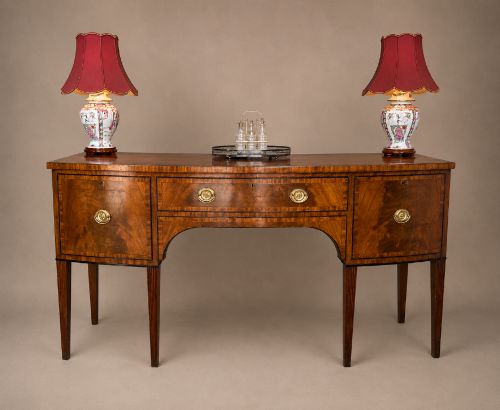
Quality rests primarily on the depth and figure of the timber grain, particularly where book-matched flame mahogany veneer creates symmetrical patterns across tabletops. Superior pieces display crisp, hand-carved details and tight, uncompromised joinery that remains rigid through centuries of use. Secondary wood selection also matters, with high-grade pieces maintaining solid oak linings rather than cheaper deal.
The integrity of the original surface finish heavily influences the standing of a piece, as undisturbed historical patination commands greater respect than modern stripped surfaces. Proportion and balance separate standard utilitarian workshop output from master cabinet maker productions, ensuring the piece sits correctly in a room.
Gillows Lancaster·Druce and Co·Chippendale
The Rich Mahogany Table Glossary
- Flame mahogany
- A veneer cut from the fork of the mahogany tree where the branch meets the trunk, producing a distinctive flickering flame-like grain pattern.
- Patina
- The surface sheen and deep coloration developed by timber over years of handling, light exposure, and polishing.
- Tilt top
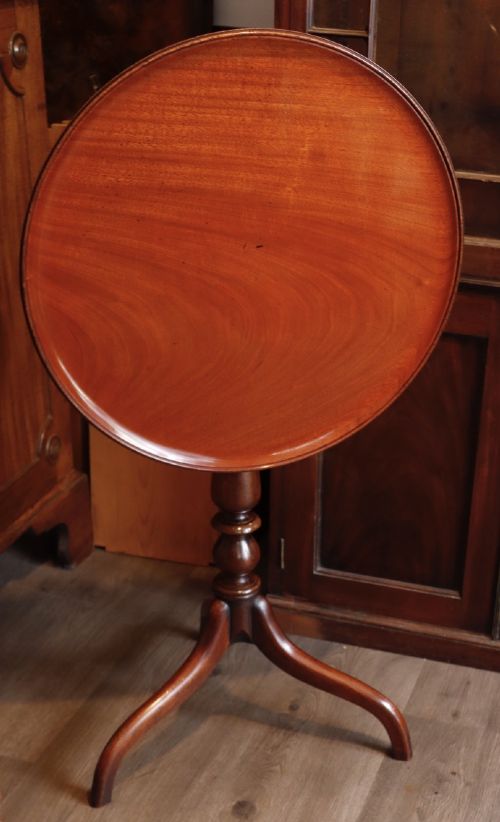
- A tabletop mounted on a catch mechanism and a central pillar, allowing the surface to fold vertically for storage when not in use.
- Fold over
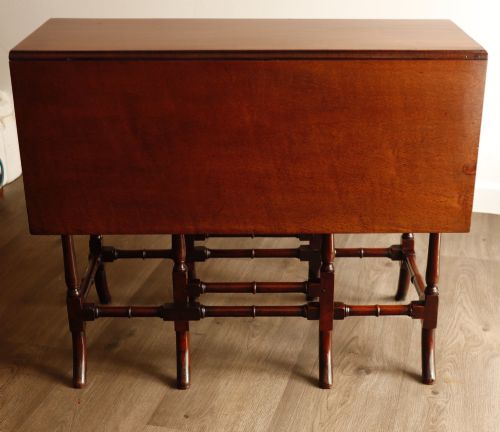
- A table construction featuring a hinged top that opens out to double the available surface area, frequently supported by a swing leg.
- Tripod base
- A central pedestal support dividing into three individual feet, commonly seen on smaller occasional and wine tables.
Rich Mahogany Table: Frequently Asked Questions
How do I care for a rich mahogany table?
Maintain the timber by applying natural beeswax sparingly and buffing with a soft cloth to protect the surface sheen. Avoid placing the table in direct sunlight or near heat sources to prevent timber shrinkage and veneer splitting.
Use coasters and felt pads beneath objects to guard against moisture rings and scratching on the polished top. Regular gentle dusting keeps abrasive particles from dulling the historical finish.
How can I tell Georgian from Victorian tables?
Georgian pieces, dating through the eighteenth and early nineteenth centuries, generally showcase lighter proportions, tapered legs, and restrained classical stringing or inlay. Timber selection often prioritises figured grain with hand-finished patination.
Victorian tables, produced from the mid-nineteenth century onward, typically feature heavier dimensions, robust pedestals, and darker factory-applied finishes. Carved ornamentation on Victorian examples is deeper and more exuberant compared to earlier styles.
Were these tables used for dining?
Larger formats such as wind-out dining tables and breakfast tables served meals in formal dining rooms and parlours. Smaller variants functioned as tea tables, side tables, or writing desks.
Drop-leaf and fold-over designs allowed households to adjust floor space easily when dining was finished. Occasional tables were moved around rooms to hold lamps, books, or decorative objects.
What is flame mahogany?
Flame mahogany is a decorative veneer sliced from the junction where a tree branch meets the main trunk. This specific cut yields a dramatic, undulating grain pattern that resembles flickering fire.
Cabinet makers used this prized veneer on prominent surfaces like tabletops and drawer fronts to catch the light. It remains a key indicator of higher-status antique furniture.