
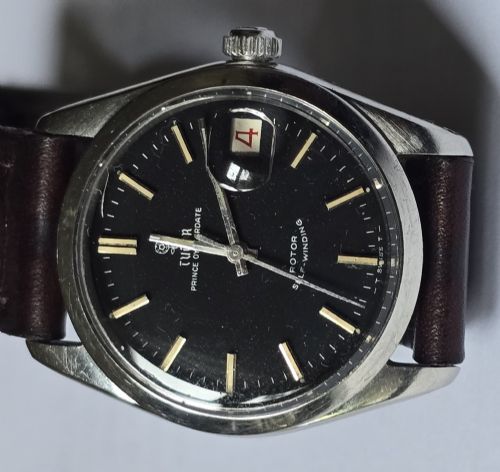
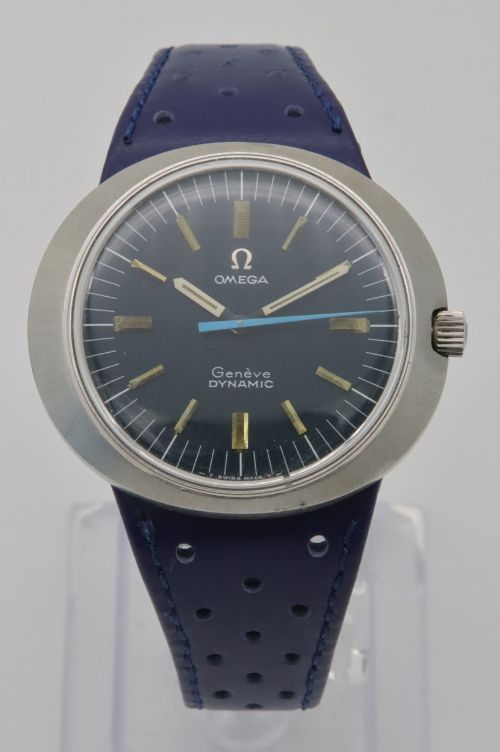
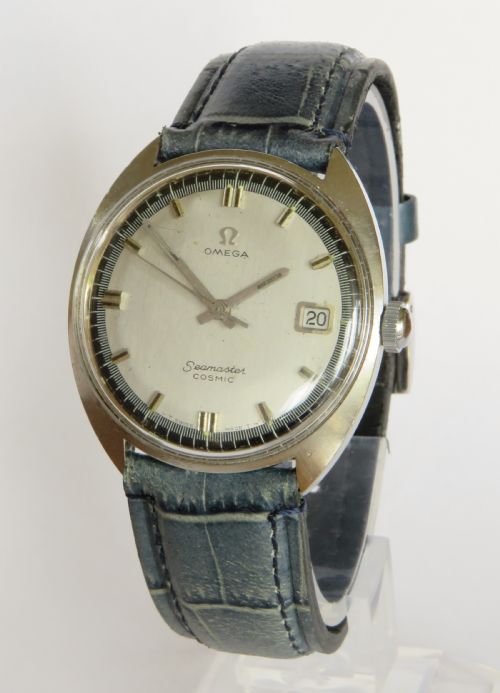
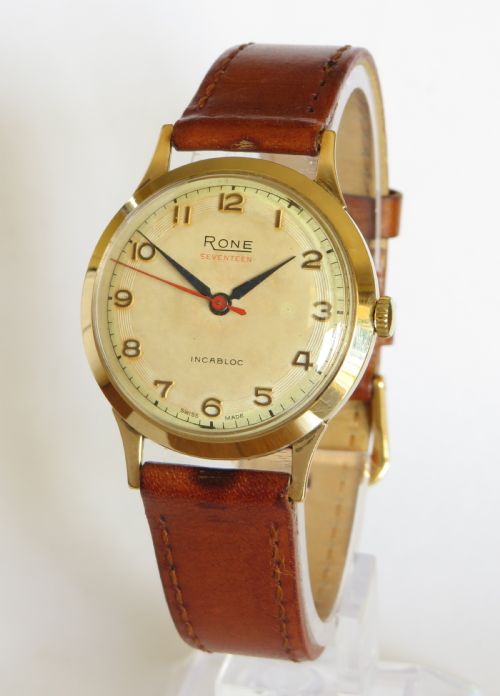
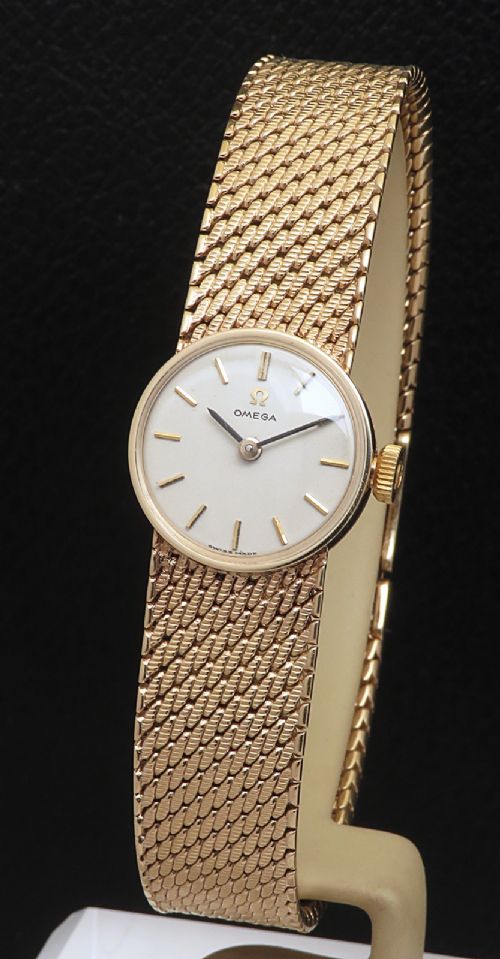
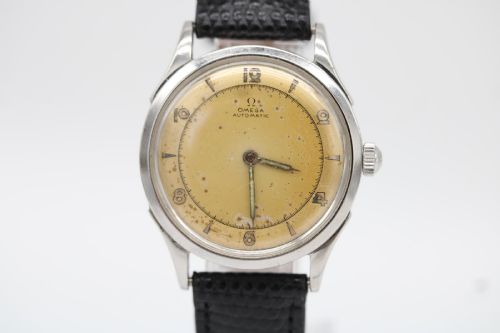
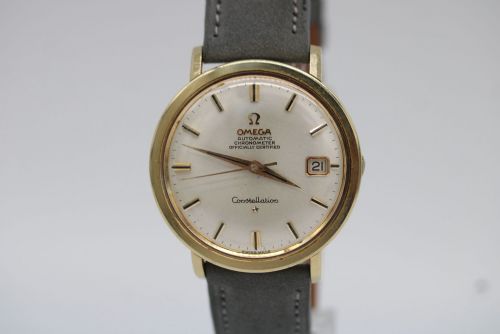
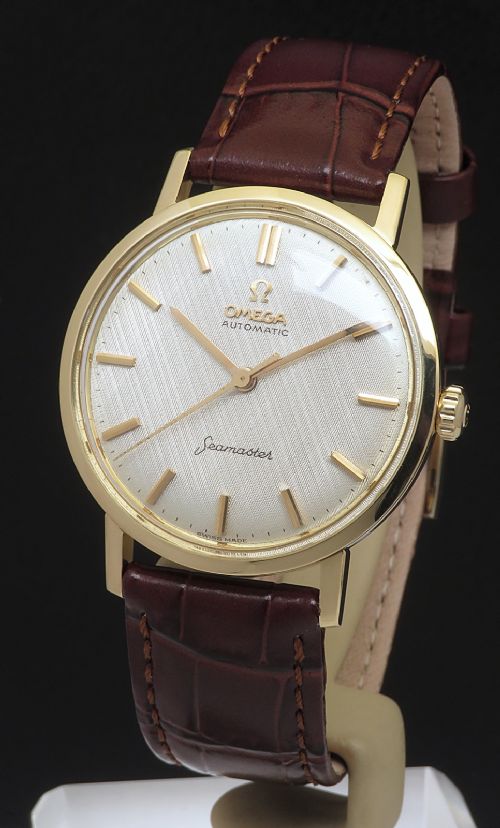
Retro Luxury Watch
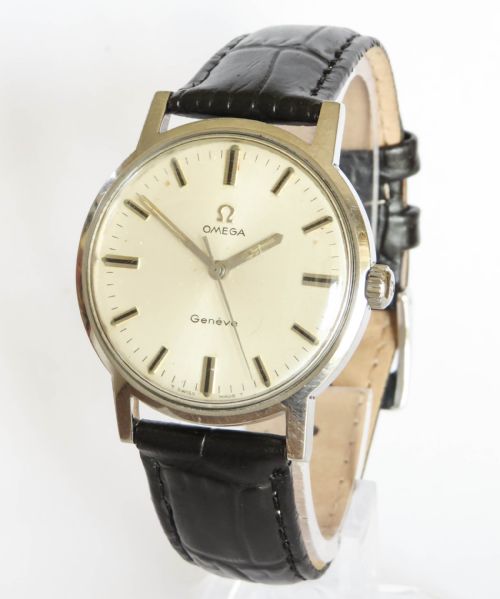
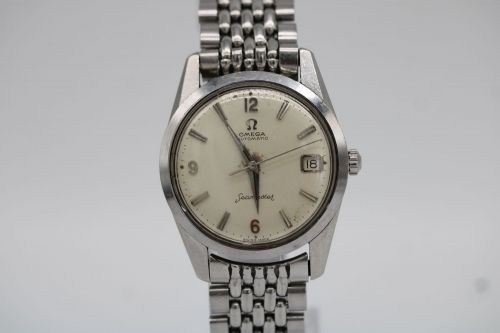
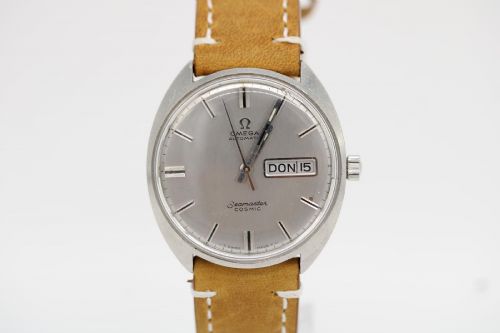
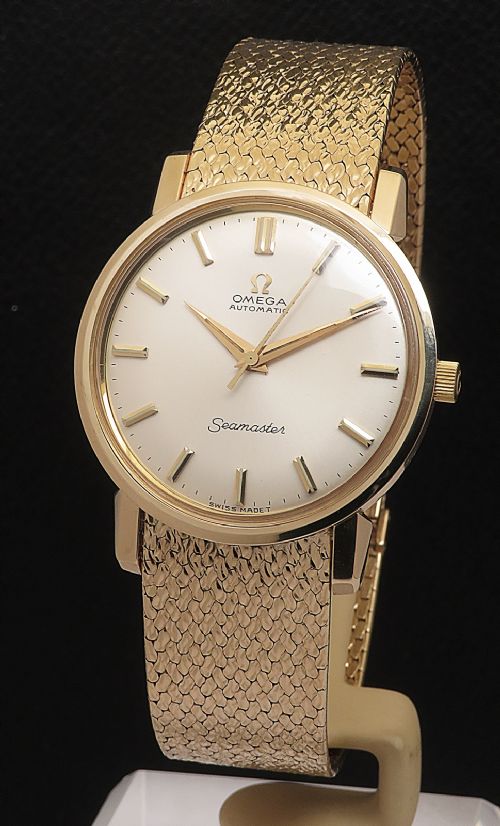
A retro luxury watch represents mid-century horology, offering precise engineering and distinctive period design for daily wear.
Retro Luxury Watch
A retro luxury watch typically spans the 1940s to the 1970s, encompassing wristwatches designed with mid-century modern aesthetics.
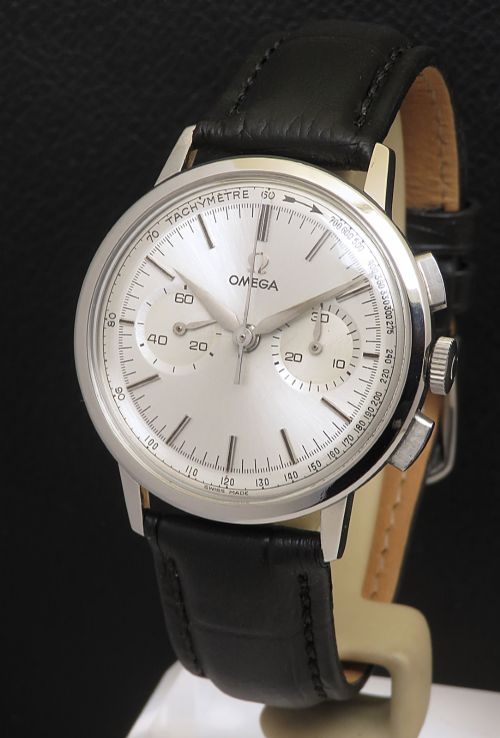
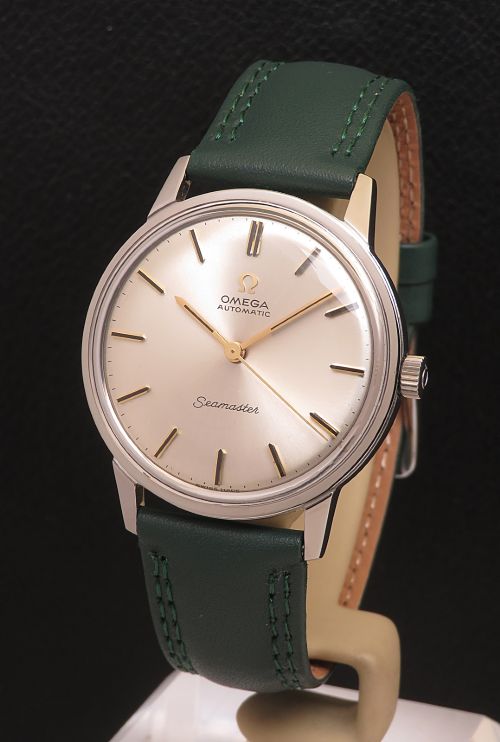
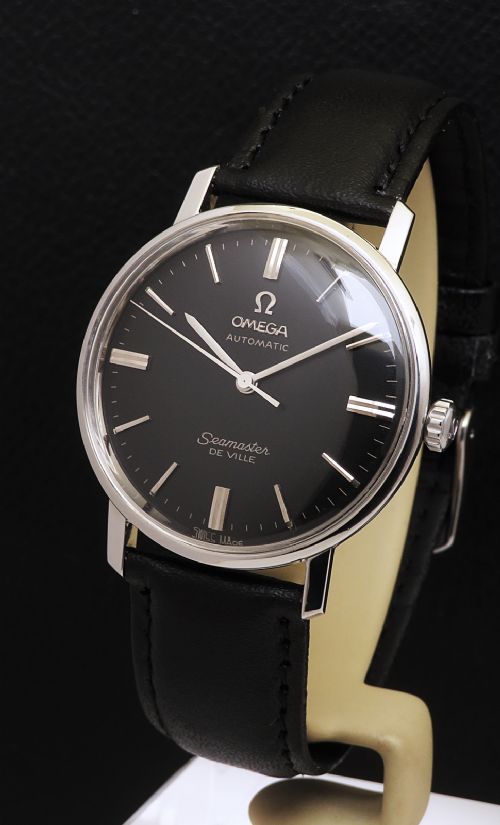
The wristwatches found in this selection predominantly originate from the 1950s and 1960s, reflecting the era's robust watchmaking output.
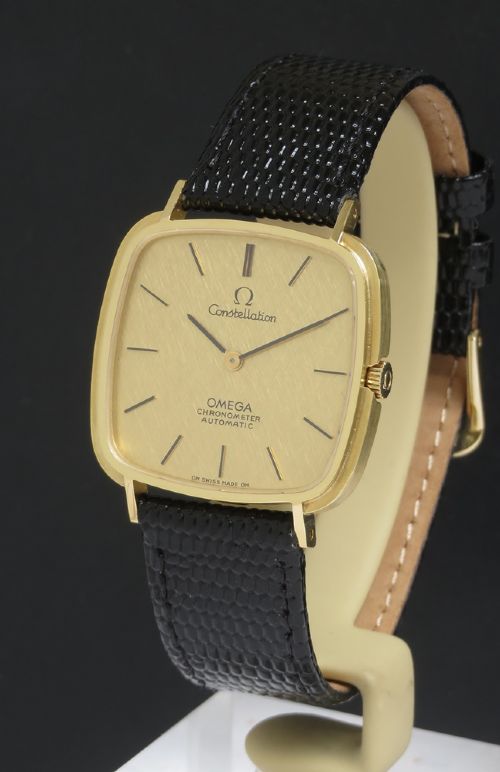
Collectors encounter various forms including automatic chronographs, date displays, and gold dress pieces.
Materials and Construction
Cases utilise metals such as stainless steel, gold plate, 9ct gold, and 18ct gold, paired with dials featuring acrylic glass.
Straps and bands incorporate leather alongside metallic bracelets, while movements rely on mechanical calibres requiring precise manual or automatic winding.
Listings span periods from the 1940s through the 1960s, employing stainless steel, gold plate, and 18ct gold.
Judging Quality
Quality rests upon the originality of the dial, the preservation of the case edges, and the mechanical integrity of the movement.
Pieces retaining original boxes, papers, and factory finishes command higher regard among collectors than altered examples.
Omega·Tudor·Eterna·Longines·Breitling
The Retro Luxury Watch Glossary
- Calibre
- The specific internal movement of a wristwatch, denoting the design and manufacturer of the mechanical mechanism.
- Chronograph
- A watch equipped with a stopwatch function alongside the standard time-displaying hands.
- Chronometer
- A high-precision timepiece that has passed official accuracy tests, often certified by testing institutes.
- Automatic
- A self-winding mechanical movement that uses the natural motion of the wearer's wrist to power the mainspring.
Retro Luxury Watch: Frequently Asked Questions
How do I wind a vintage watch?
Manual wind watches require turning the crown clockwise until resistance is felt, usually every morning.
Automatic models wind themselves through movement, though gentle initial hand-winding may be needed if stationary.
Can I swim with a vintage watch?
Water resistance seals on vintage pieces degrade over decades, making immersion risky regardless of historical ratings.
Protect these mechanical items from moisture by removing them before swimming or bathing.
Are these watches suitable for daily wear?
These wristwatches were engineered for daily utility, though older components benefit from careful handling and regular servicing.
Avoiding heavy impacts ensures the mechanical movement and acrylic glass remain undamaged.
How do I identify the production year?
Movement serial numbers matched against manufacturer records often reveal the precise year of manufacture.
Case markings and reference numbers also provide context regarding the period of production.