


Retro Desk Timepiece
A retro desk timepiece brings sharp geometric lines and mechanical character to a workspace, offering a tangible connection to mid-twentieth-century design.
Retro Desk Timepiece
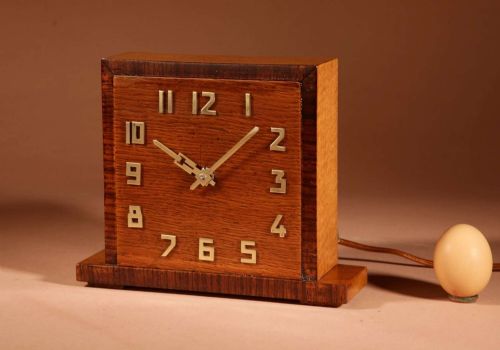
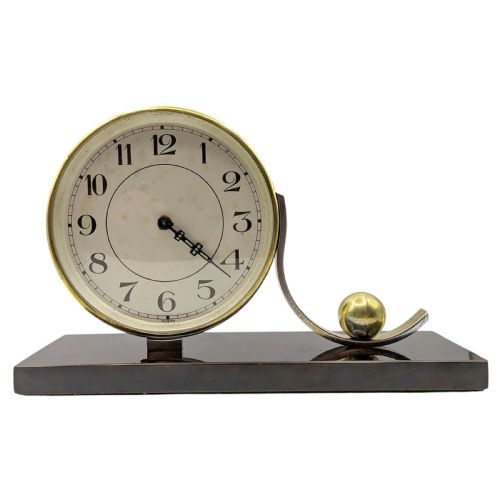
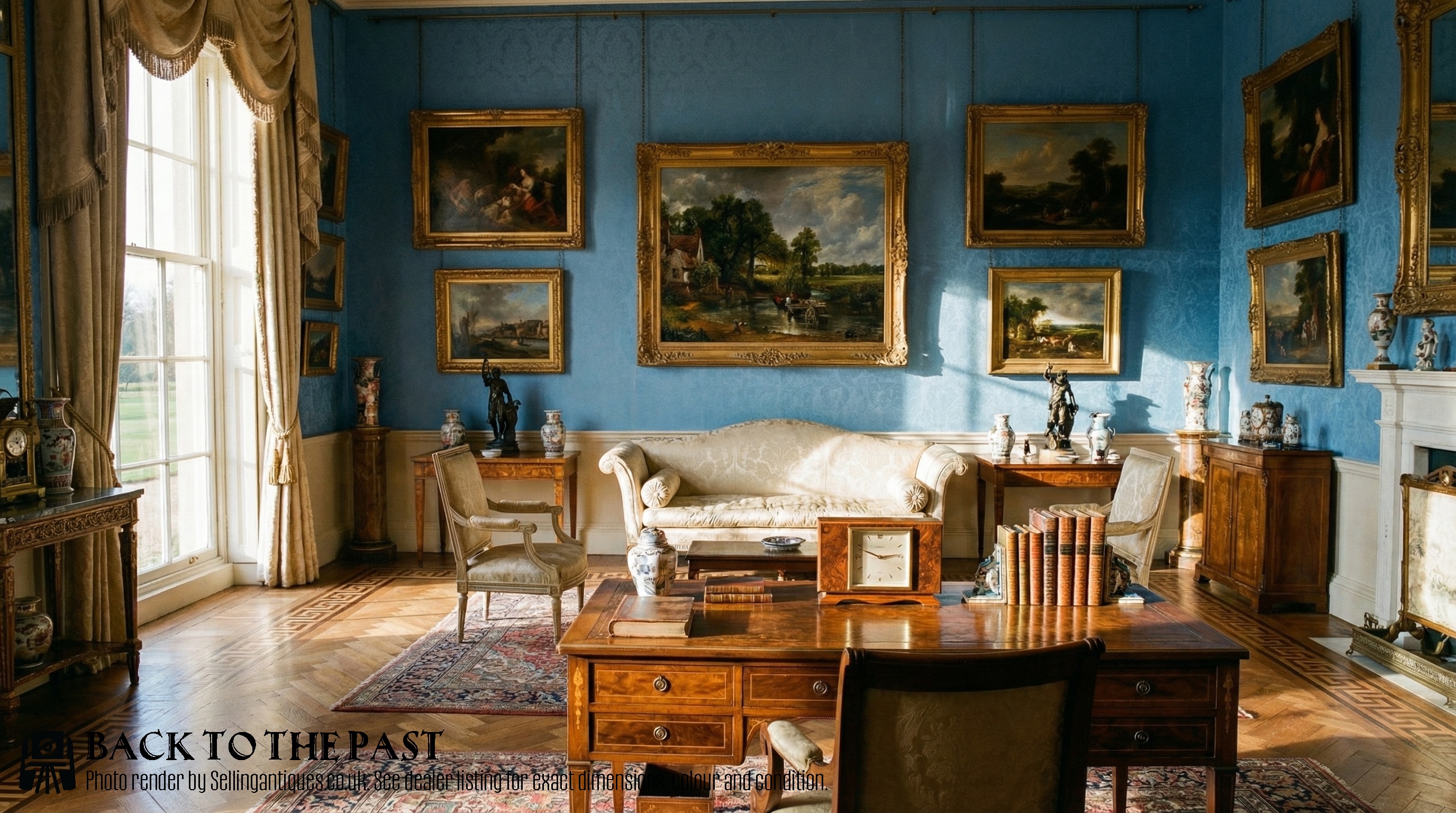
A retro desk timepiece is a compact clock designed for placement on a desk, table, or mantelpiece. The pieces gathered under this phrase span from the nineteen-twenties through to the nineteen-sixties, capturing shifts in domestic and office furnishing.
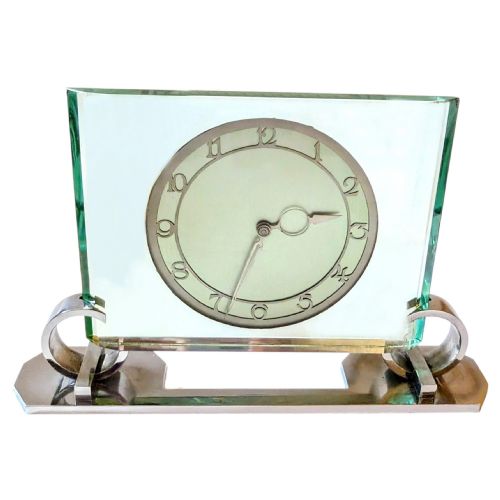
Art Deco examples dominate the selection, bringing geometric forms and mixed materials to the surface. Alongside these sit mid-century pieces and military-issue items from the nineteen-forties, showing distinct functional aesthetics.
Forms range from simple circular dials on stands to architectural wooden cases and promotional advertising items. They function as both daily timekeepers and decorative desk objects.
How they were made
Cases combine traditional cabinet woods like oak, walnut, and rosewood with industrial materials such as chrome, brass, glass, and early plastics like Bakelite. Marble also provides heavy, solid foundations for mantel and desk placements.
Mechanisms rely on mechanical movements, including thirty-hour and eight-day wind-up calibres, alongside early electrical systems. Dials are frequently paired with mirrored glass, geometric two-tone woodwork, and metal bezels.
The listings show timepieces spanning five decades, utilising materials from traditional oak and rosewood to modern chrome and Bakelite.
What varies in quality
Quality rests in the precision of the movement, the finish of the metalwork, and the selection of cabinet timbers. Maker attribution, such as work by established names or specialised clockmakers, distinguishes standard production models from more ambitious commissions.
The choice of materials dictates the weight and presence of the object, from simple moulded Bakelite bases to heavy French marble and gilt brass housings. The complexity of the dial design and the inclusion of jewelled movements further separate standard timepieces from finer examples.
Smiths Clockmakers·Elliott of London·Jaeger LeCoultre·Bayard·Blangy
The Retro Desk Timepiece Glossary
- Bakelite
- An early form of synthetic thermosetting plastic moulded into smooth, durable clock cases during the twentieth century.
- Eight-day movement
- A mechanical clock movement designed to run for eight days on a single wind before requiring attention.
- Mantel clock
- A decorative clock designed to sit on the shelf above a fireplace, though frequently placed on desks and sideboards.
- Mystery clock
- A clock design where the hands appear to move without any visible mechanical connection to the movement.
- Modernist
- A design style emphasising clean lines, functional forms, and the rejection of superfluous ornamentation.
Retro Desk Timepiece: Frequently Asked Questions
How do I wind a mechanical desk clock?
Mechanical desk clocks use a key or a built-in thumb arbor to tension the mainspring inside the movement. Care must be taken not to overwind the spring.
Most eight-day or thirty-hour movements require gentle rotation until firm resistance is felt. Consulting the specific movement type ensures the mechanism remains undamaged.
Where should I place a retro desk timepiece?
These clocks suit flat surfaces where they can be viewed easily, such as writing desks, side tables, or mantelpieces. Their compact footprints make them versatile for smaller spaces.
Keep them away from direct sunlight and damp environments to protect wooden cases, mirror glass, and metallic finishes from deterioration.
How do I tell an Art Deco clock apart from a mid-century one?
Art Deco clocks from the nineteen-twenties and nineteen-thirties typically feature symmetrical geometric shapes, stepped wooden cases, chrome highlights, and stylized numerals. They often mix materials like marble and mirrored glass.
Mid-century pieces from the nineteen-fifties and sixties lean towards cleaner, organic silhouettes, minimalist dials, and simpler brass or gilt casings without the heavy industrial ornamentation of the earlier period.
Do these clocks keep accurate time?
Mechanical timepieces from the mid-twentieth century can keep good daily time when properly serviced and adjusted. Variations in temperature and mechanical wear mean they may gain or lose a few minutes over a week.
Regular cleaning and oiling by a horologist help maintain consistent performance in older movements.