
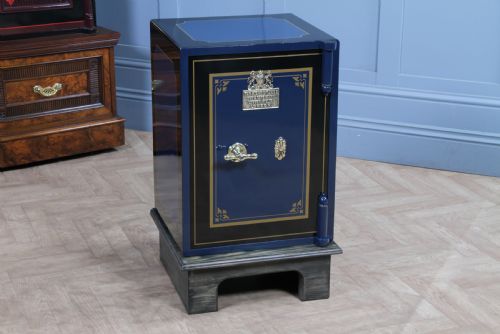


Restored Victorian Table
A restored victorian table brings functional nineteenth-century craftsmanship into daily use through careful timber revival and structural work.
Restored Victorian Table
When you search for a restored victorian table, you encounter practical furniture designed for dining, writing, and kitchen work from the nineteenth century. These pieces emerge from periods spanning the 1860s through the 1900s, reflecting the robust domestic needs of the era.
The most common formats on this page include extending dining tables in mahogany and walnut, alongside scrub-top pine kitchen tables and leather-inset library desks. Each has undergone professional restoration to render timber surfaces and functional elements ready for contemporary interiors.
Makers and workshops of the period utilised dense hardwoods and secondary timbers, constructing forms that range from wind-out dining mechanisms to drop-leaf pembroke designs. The resulting selection represents the domestic utility and workshop skill of Victorian Britain and continental Europe.
How they were made
Makers constructed these tables primarily from solid mahogany, walnut, and pine, often incorporating brass mechanisms, leather inserts, and cast iron components. Timber surfaces were hand-finished, while dining versions frequently employed internal wind-out systems to accommodate additional leaves.
Restoration processes typically involve hand-stripping scrub tops, reviving polished wood finishes, and replacing or treating leather writing surfaces. Structural integrity is maintained through traditional joinery methods established during the nineteenth century.
The archive and active stock include extending wind-out tables, tilt-top breakfast tables, and drop-leaf pembroke tables spanning 1860 to 1900.
What varies in quality
The standard of a restored victorian table depends upon the selection of primary timber, the integrity of the original framing, and the subtlety of the surface finish. Pieces retaining original mechanical actions, such as extending dining wind-outs or fitted drawers, demonstrate superior workshop origin.
The depth of historical character preserved during timber revival separates standard examples from exceptional ones. Careful retention of grain patterns and period hardware elevates the standing of individual tables.
Howard & Son's·Maple & Co·Tanns Defiance London·Arundel Clocks·Alfred Drocourt
The Restored Victorian Table Glossary
- Wind-out dining table
- An extending table utilising an internal metal screw mechanism operated by a handle to part the leaves. This system allows extra timber leaves to be inserted into the centre.
- Scrub top
- An unpolished wooden surface, typically pine, designed to be scrubbed clean with water and soap. This finish is characteristic of utilitarian kitchen and prep tables.
- Tilt top
- A table top hinged to a central pillar, allowing the surface to be folded vertically when not in use. This mechanism saved floor space in nineteenth-century rooms.
- Pembroke table
- A small table featuring two hinged drop leaves on opposing sides. It often includes one or more drawers for storage.
- Library table
- A large freestanding desk or table, frequently inset with a leather writing surface. These pieces were built for studies and libraries using dense hardwoods like mahogany.
Restored Victorian Table: Frequently Asked Questions
How do I care for a leather table top?
Keep leather surfaces away from direct sunlight and excessive heat to prevent drying and cracking. Apply specialist leather balms periodically to maintain suppleness.
Avoid using harsh chemical cleaning agents or abrasive cloths on the surface. Wipe spills immediately with a slightly damp cloth.
How do wind-out tables work?
Wind-out mechanisms utilise a removable metal crank inserted into a socket beneath the table rim. Turning the handle rotates an internal screw thread that pulls the table halves apart.
This gap allows fitted timber leaves to drop into place, expanding the dining surface. The mechanism is then wound back to secure the leaves tightly together.
How do I identify a Victorian dining table?
Victorian dining tables typically display dense mahogany or walnut construction with hand-turned legs or pedestal bases. Look for traditional joinery, such as dovetails on drawer boxes and period brass fittings.
Many examples feature mechanical extensions like wind-out systems developed during the nineteenth century. The proportions and timber patination also reflect the manufacturing standards of the period.