
Antique Scrub Top Table
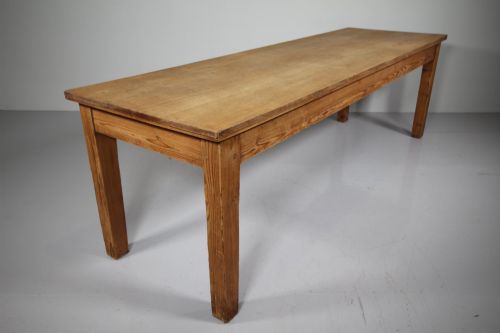
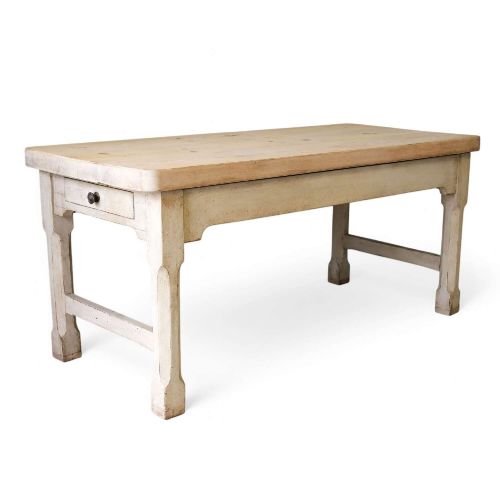
An antique scrub top table brings honest utility to a room, offering a pale timber working surface paired with a sturdy painted or oak base.
Antique Scrub Top Table
An antique scrub top table is a utilitarian work surface historically used for food preparation, baking, and dairy work in kitchens and dairies. These heavy-duty tables typically feature a scrubbed timber top designed to withstand repeated washing alongside a stable wooden base.
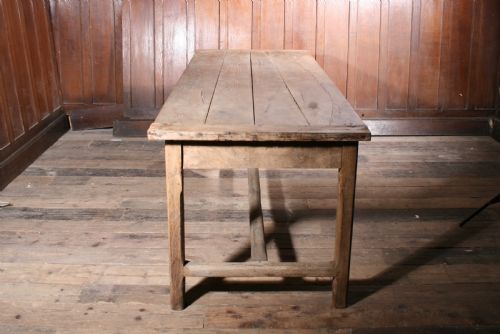
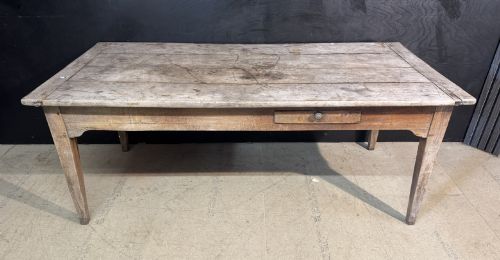
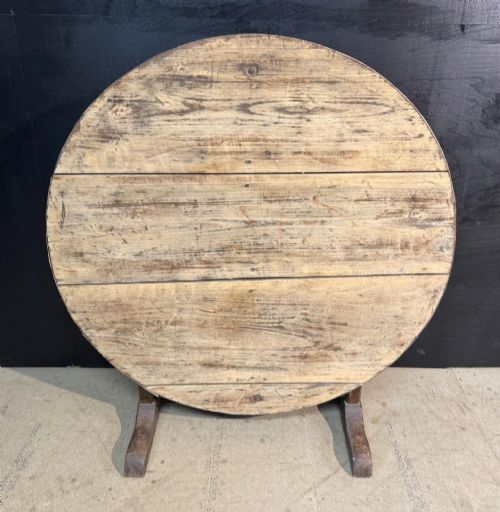
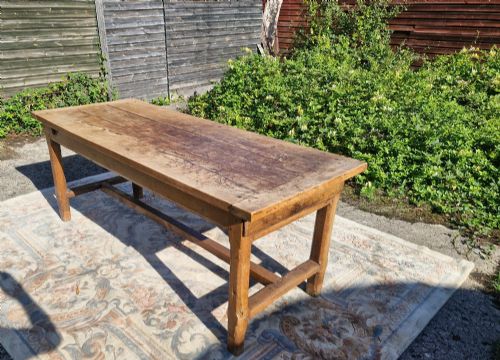
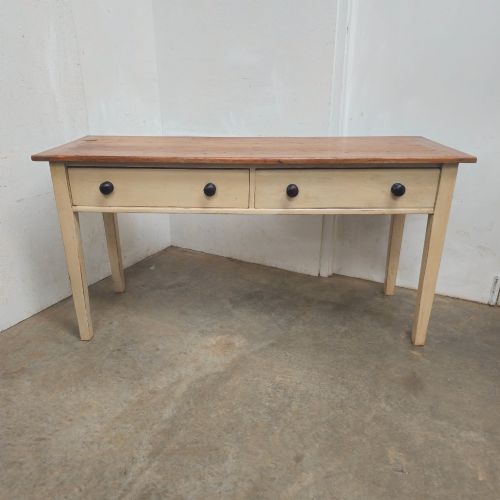
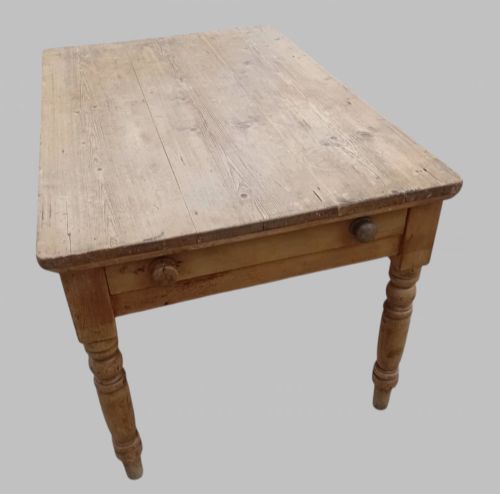
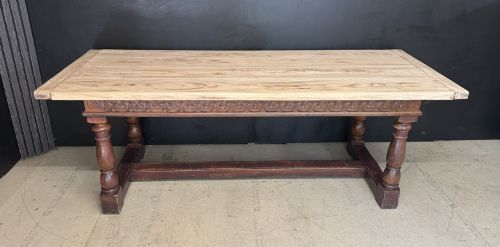
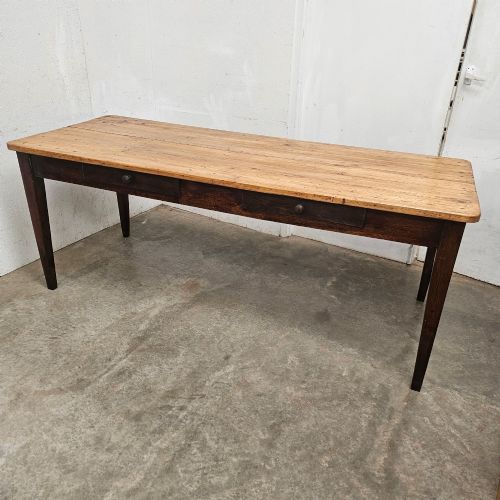
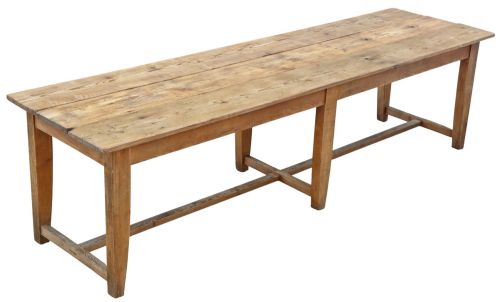
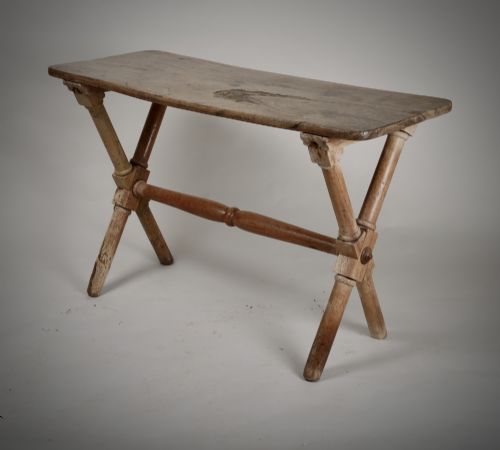
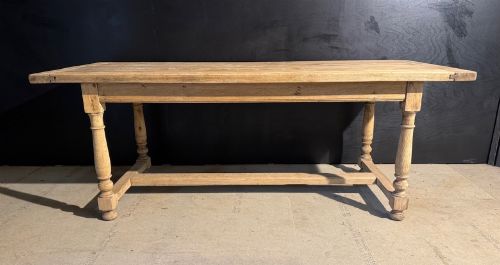
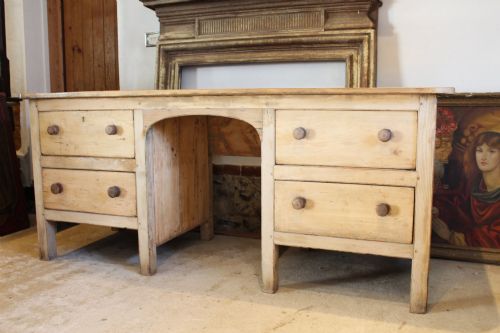
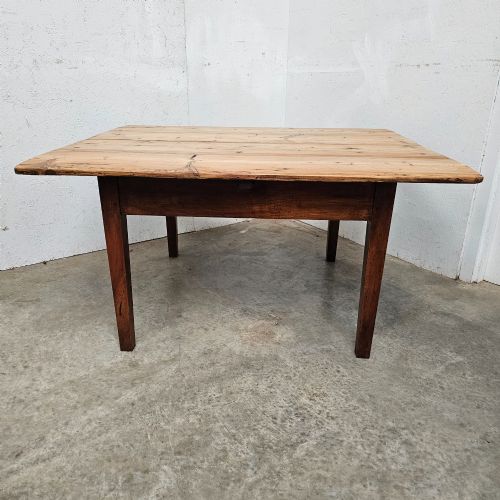
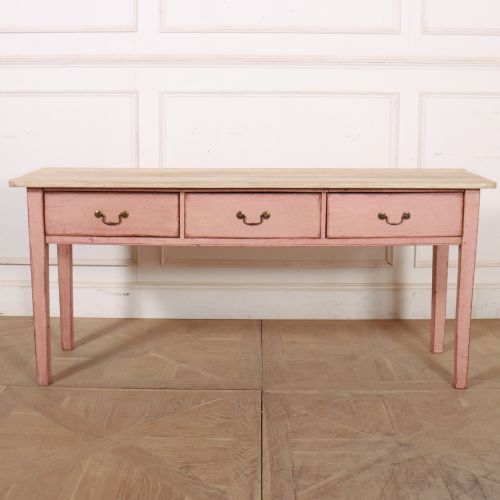
The pieces seen here range from large English and French farmhouse tables to smaller tavern and prep tables. Pine and oak are the dominant timbers, often complemented by original or later painted finishes on the legs and skirts.
Most examples date from the nineteenth century, spanning Georgian origins through Victorian production. They function naturally today as large dining tables, kitchen islands, or functional side surfaces in domestic spaces.
Materials and construction methods
Constructed principally from solid pine, oak, sycamore, and fruitwood, these tables rely on sturdy timber framing designed to bear heavy loads. Tops are frequently fashioned from thick boards meant to be scrubbed clean with water and sand.
Bases incorporate traditional joinery, sometimes bolstered by drawers or trestle supports. Many retain traces of early paint or accumulated layers of historical colour on the lower sections while the tops remain bare wood.
Regional styles include English, French Normandy, and Welsh forms ranging from prep tables to cricket tables.
Factors determining quality and character
Quality rests in the originality of the timber and the integrity of the construction. Tables retaining untouched scrubbed tops with deep patination stand apart from those stripped aggressively down to raw modern wood.
The presence of original paint on the base, undisturbed drawer configurations, and honest structural wear distinguish superior examples. Proportion and timber selection also play a significant role, particularly in larger refectory and farmhouse formats.
The Antique Scrub Top Table Glossary
- Scrub top
- A wooden table top left unfinished and pale from frequent vigorous scrubbing with water and soap. This treatment keeps kitchen and dairy surfaces hygienic.
- Farmhouse table
- A large domestic table built for heavy daily use in rural kitchens. These pieces usually feature sturdy wooden legs and generous timber tops.
- Prep table
- A low or standard-height working table designed for culinary tasks. They often include drawers for utensils or integrated lower shelves.
- Trestle table
- A table supported by two or more structural trestles rather than four corner legs. This design provides maximum legroom and stability.
- Dairy table
- A specialised working table used in milk processing and cheese making. They frequently employ porous timbers like pine that tolerate damp environments.
Antique Scrub Top Table: Frequently Asked Questions
What is an antique scrub top table?
An antique scrub top table is a utilitarian wooden work table featuring a pale, bare timber top designed for frequent washing. These pieces originated in domestic kitchens, dairies, and farmhouses.
They combine robust construction with practical surfaces intended for daily labour. Today they serve as functional dining tables and kitchen islands.
How do I clean a scrub top table?
Cleaning involves using warm water, mild soap, and a stiff brush to scrub along the grain of the wood. This maintains the traditional pale appearance of the timber.
Avoid harsh chemical strippers or excessive moisture that can warp the old boards. Regular gentle scrubbing preserves the historical character of the surface.
Where were these tables used originally?
These tables were central working fixtures in nineteenth-century country houses, French farmhouses, and English dairies. They provided sturdy surfaces for food preparation and baking.
Servants and family members used them constantly throughout the day. Their rugged design suited industrial and agricultural domestic spaces alike.
How do I date an antique table?
Dating relies on examining the timber species, joinery techniques, and tool marks visible beneath the frame. Hand-sawn boards and pegged joints typically indicate earlier nineteenth-century or Georgian origins.
Paint layers and overall wear patterns also offer clues to the age of the piece. Comparing hardware and structural proportions helps confirm the period.