


Restoration Period Portrait
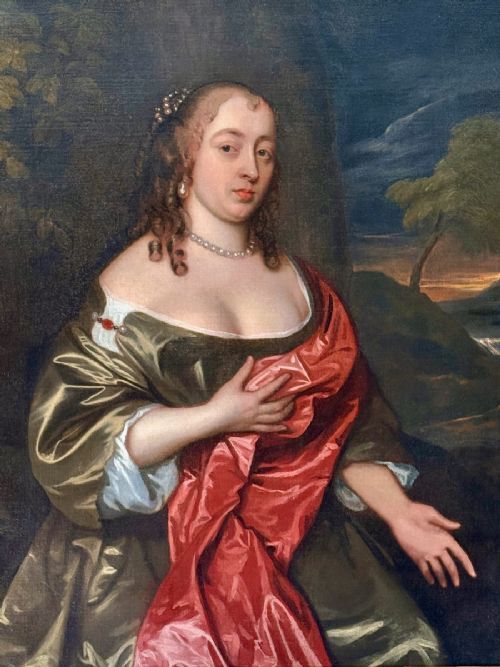
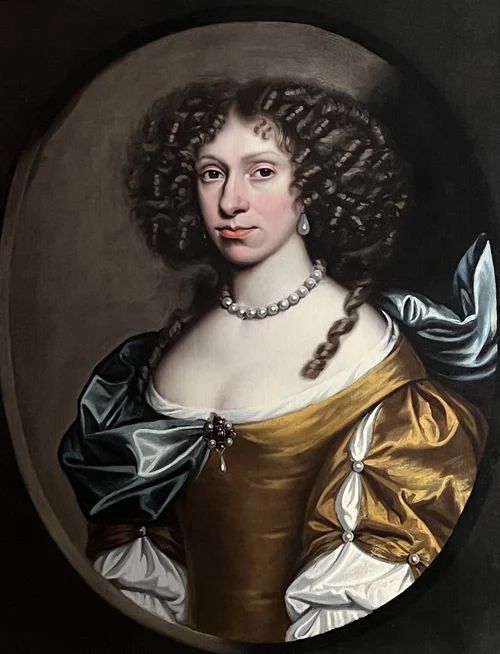
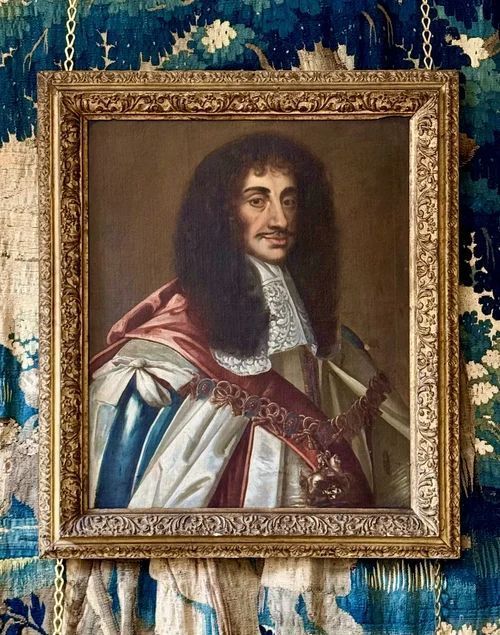
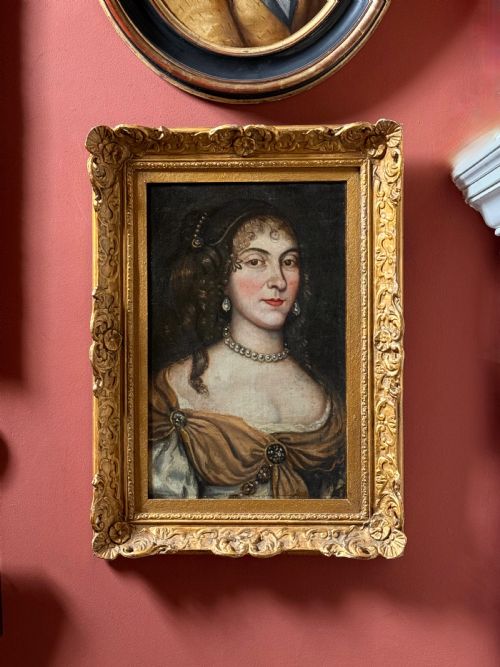
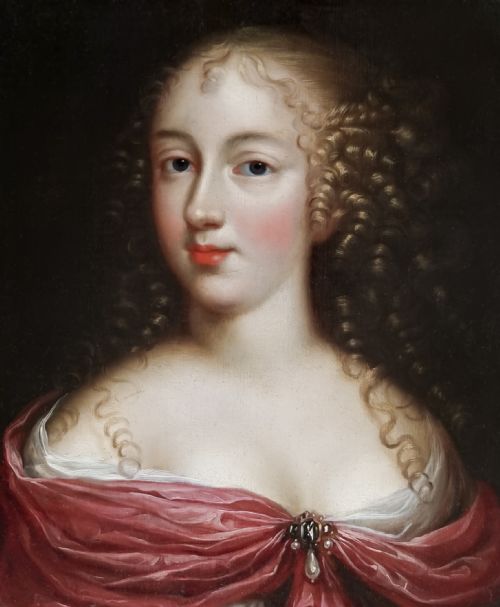
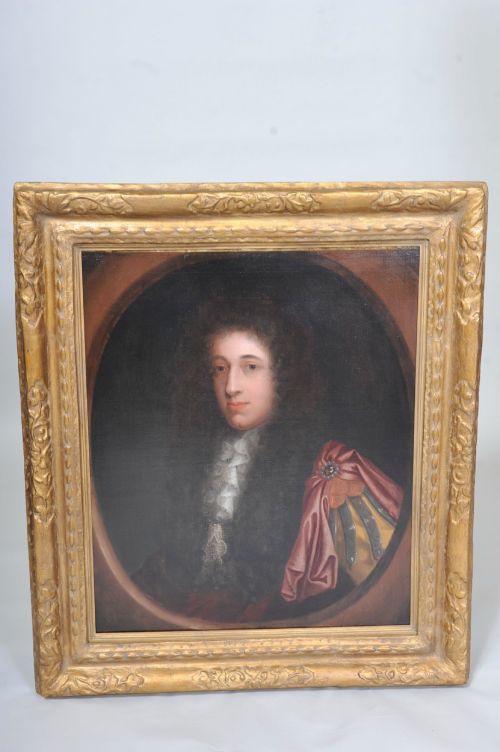
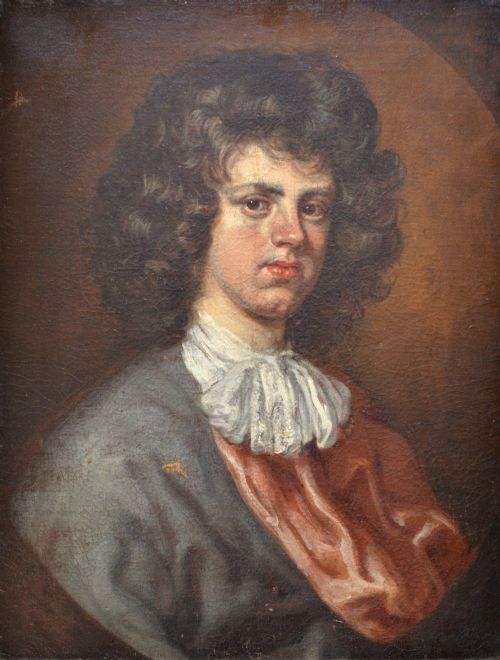
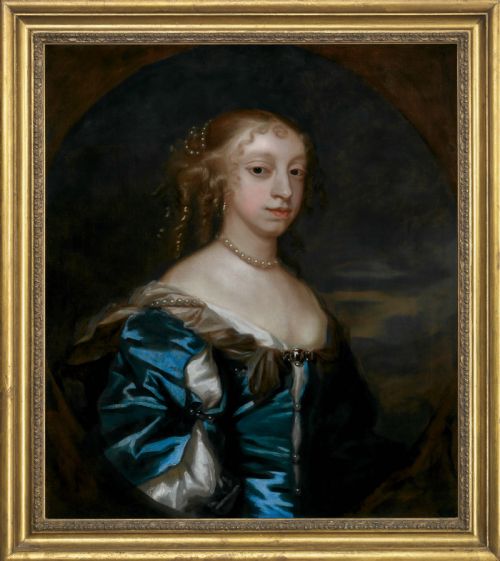
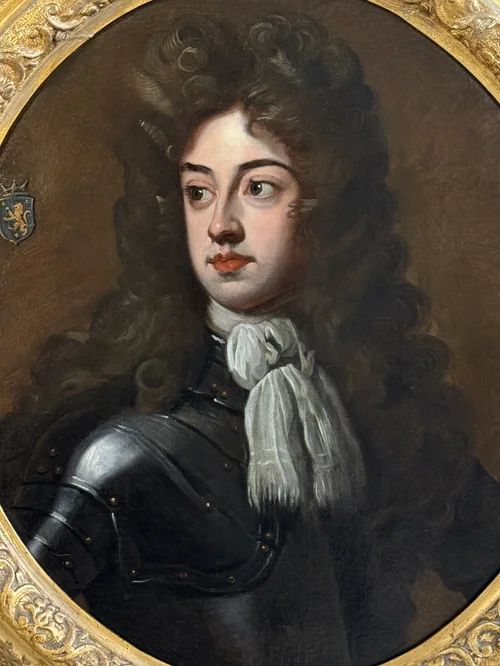
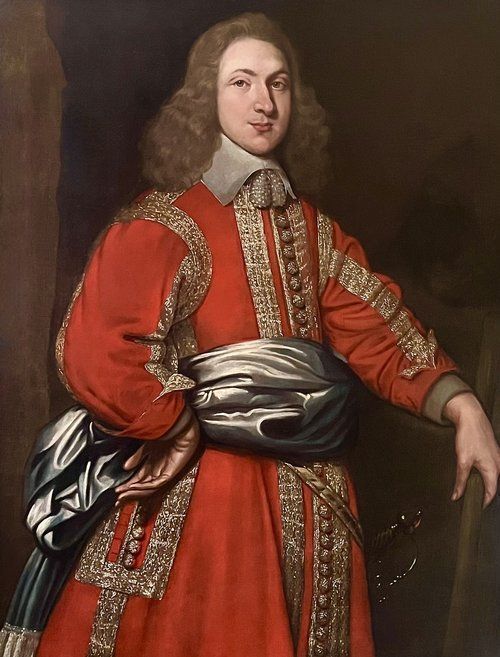
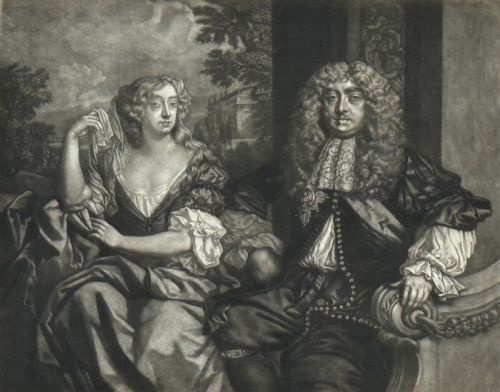
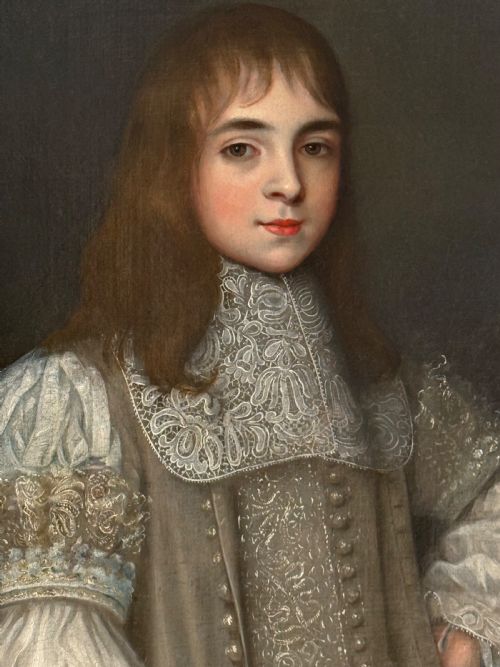
A restoration period portrait captures seventeenth century sitters in oil on canvas, offering collectors striking windows into baroque society.
What restoration period portrait means
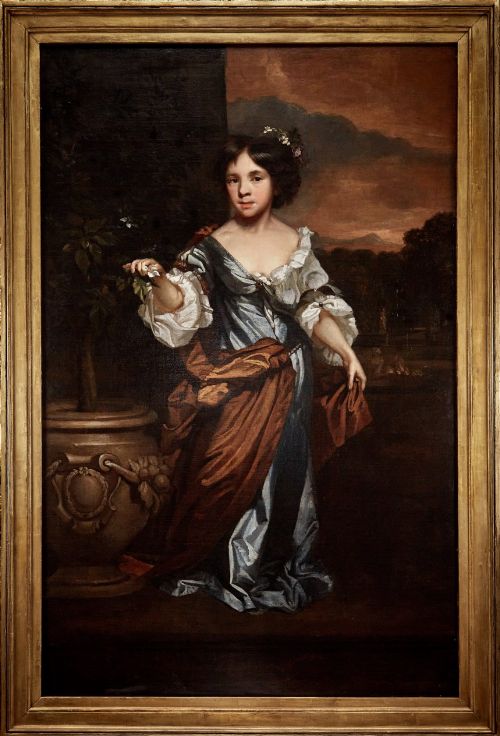
A restoration period portrait represents subjects from the seventeenth century, typically executed in oil on canvas within baroque aesthetics. Buyers encounter fine art depicting nobility, military officers, and children accompanied by spaniels, often associated with English and Anglo Dutch schools.
The pieces on this page span the seventeenth century and around seventeen hundred, recording notable figures such as Lady Diana Bruce and John Dryden. These artworks utilise traditional portrait formats to document elite garments, military uniforms, and aristocratic identities from the era.
Materials and construction
These works rely on oil paint applied to woven canvas supports, capturing rich textures in fabrics like blue dresses and red coats. Painters of the seventeenth century built up compositions through layered oils to achieve depth in skin tones and drapery.
Many surviving examples retain frames fashioned from wood with gilt wood, gilded wood, giltwood, and gold leaf finishes. These carved wooden surrounds enhance the baroque character of the paintings while protecting the canvas edges.
Retail Price Guide 2026
Typical UK retail prices for restoration period portrait, calculated from the Sellingantiques database of over a million retail prices indexed since 2003. This retail price guide relies exclusively on Sellingantiques data; no external sources or auction records are used, so the figures do not describe the wider market.
Several seventeenth century sitters chose to be immortalised alongside their King Charles spaniels.
Judging quality and hand
The distinction between workshop production and master execution dictates the standing of a restoration period portrait. Circle attributions to figures such as Mary Beale or Adriaen Hanneman, alongside studio involvement with Godfrey Kneller, indicate higher artistic accomplishment.
Handling of facial expression, fabric drape, and pigment preservation separates standard records from superior artistic achievements. The sophistication of the carved giltwood frame further contributes to the overall presence of the piece.
Mary Beale·Adriaen Hanneman·Godfrey Kneller
The Restoration Period Portrait Glossary
- Baroque
- The dominant artistic style of the seventeenth century characterised by drama, rich colour, and dynamic movement. This aesthetic defines the grand manner of portraiture seen in these works.
- Anglo Dutch School
- An artistic interaction between English patrons and Dutch painters working during the seventeenth century. Artists within this sphere blended continental techniques with domestic portrait conventions.
- Circle of
- A designation indicating an artist working closely in the style and immediate orbit of a master. Such attributions suggest high competence within a recognised studio tradition.
- Giltwood
- Wood carved and subsequently covered with thin gold leaf or gilt finishes. This material provides opulent frames suited to seventeenth century interiors.
Frequently Asked Questions
What is a restoration period portrait?
It is an oil painting on canvas dating from the seventeenth century, depicting aristocratic sitters, military officers, or notable historical figures.
These artworks reflect the baroque artistic climate and often connect to English and Anglo Dutch painting traditions.
Who painted these portraits?
Many works emerge from prominent workshops, including the circles of established seventeenth century painters like Mary Beale and Adriaen Hanneman.
Master artists such as Godfrey Kneller also produced or supervised portraits of significant literary and political figures from the era.
How do I display one at home?
Hang these canvases on sturdy walls away from direct sunlight and excessive moisture to protect the oil paint and canvas. Pairing the work with period appropriate lighting enhances the rich tones of the original pigments.
Ensure the gilt wood frame is securely mounted using hardware suited to the weight of the carved timber.
How do I identify the period?
Examine the costume details, such as cut sleeves, red military coats, or specific lace collars typical of the seventeenth century. Inscriptions, sitter identifications, and stylistic markers tied to baroque painting further anchor the date.