

Restoration Period Furniture
Restoration period furniture brings solid oak and figured walnut forms into rooms through seventeenth-century chests and tables.
Restoration Period Furniture
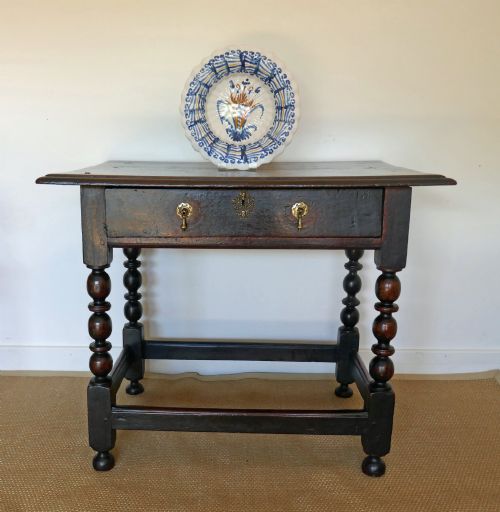
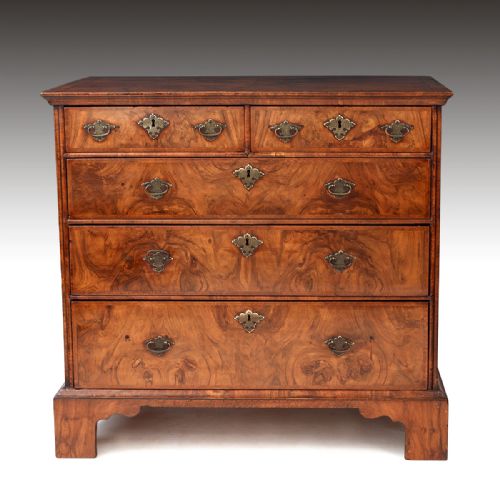
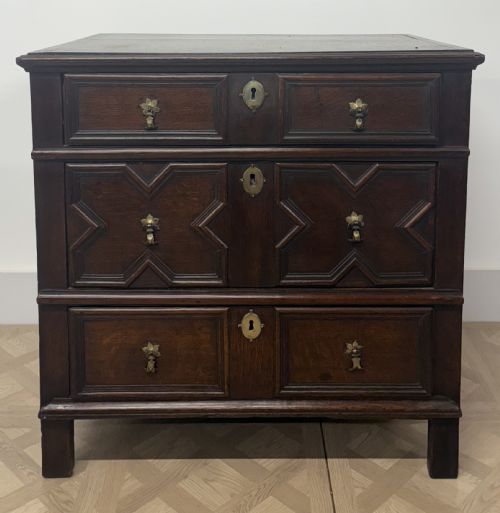
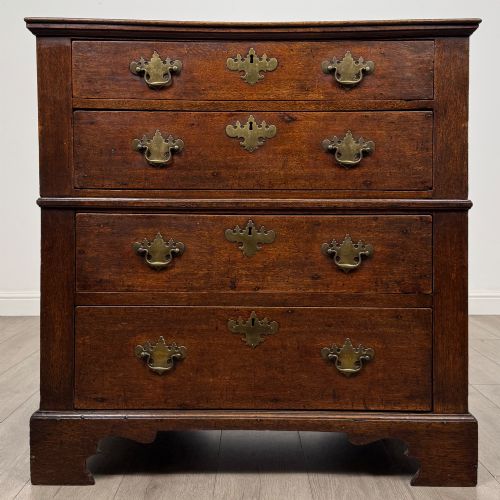
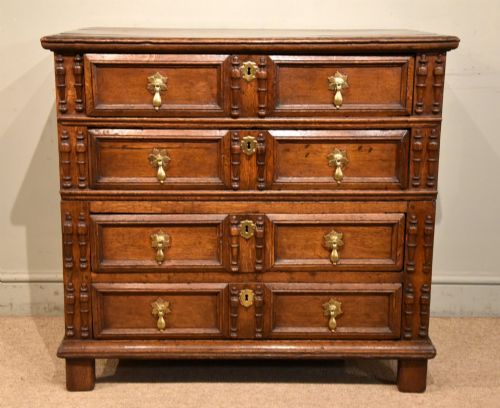
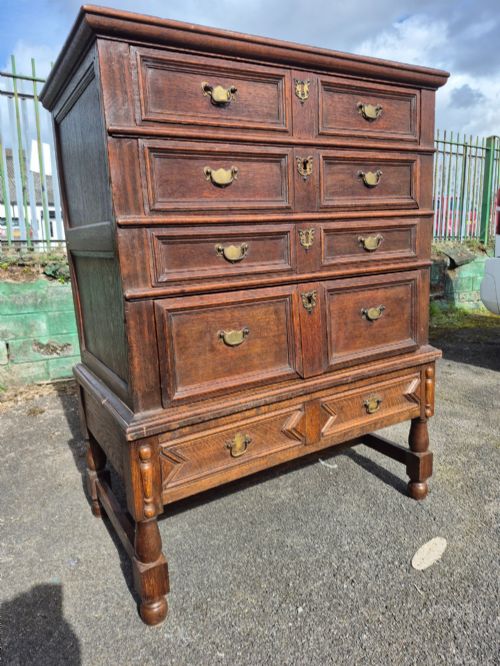
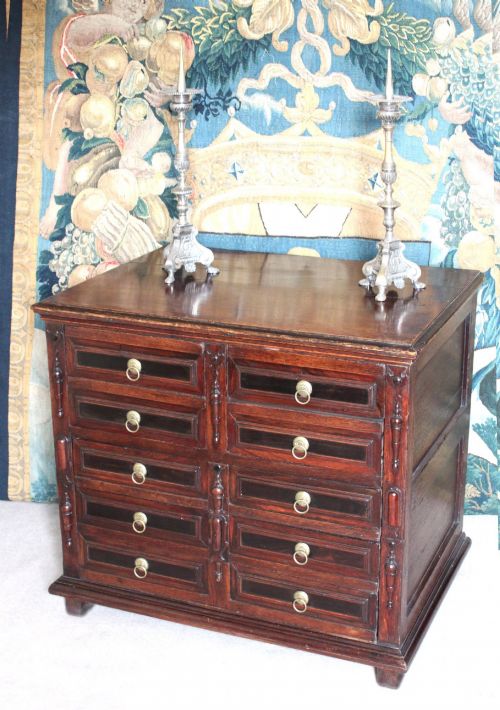
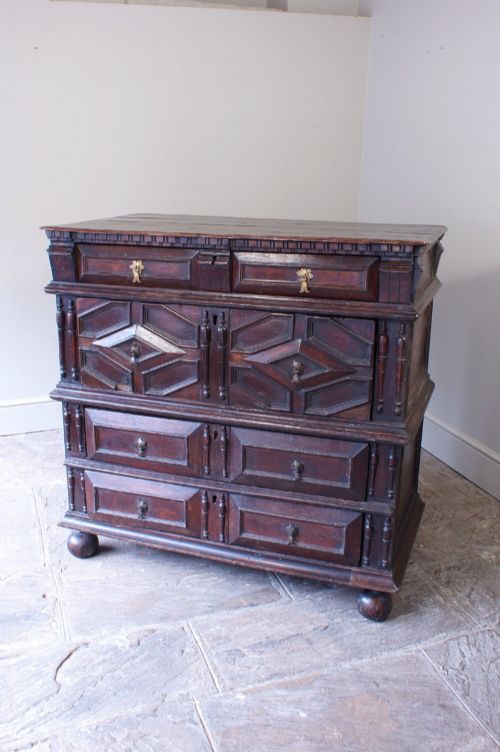
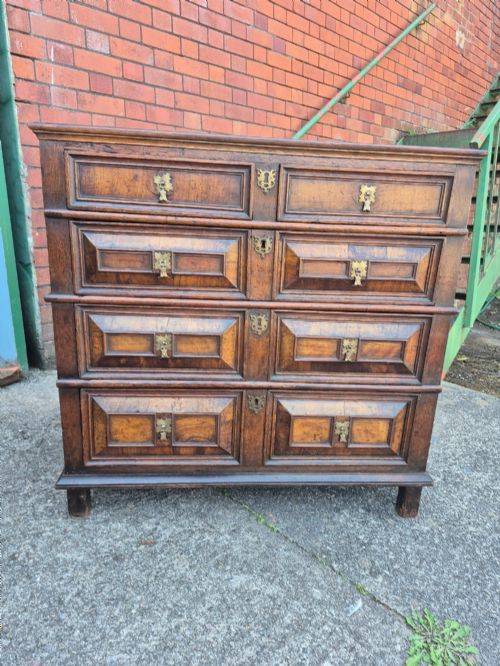
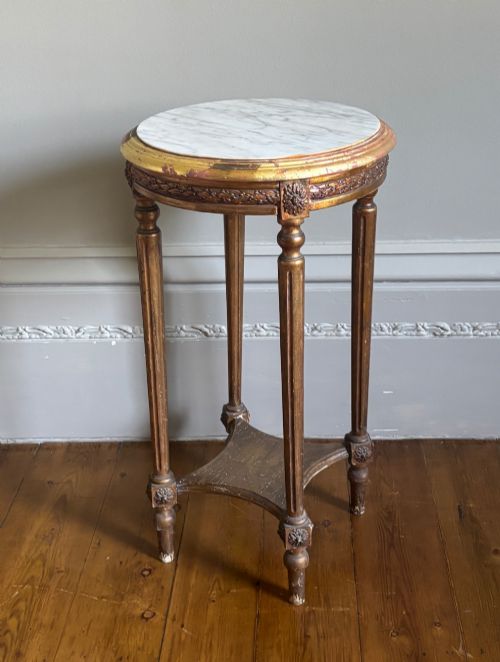
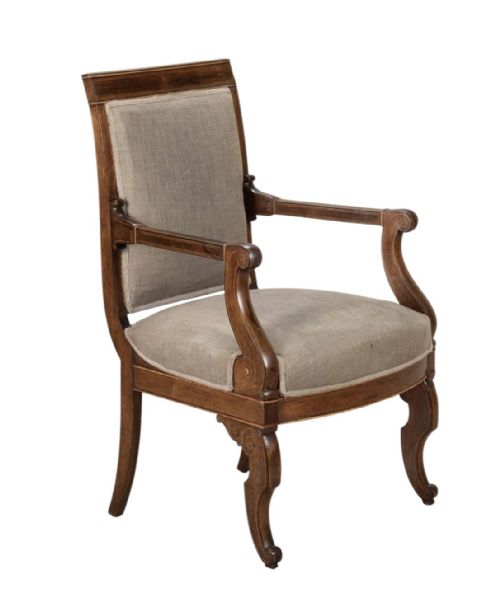
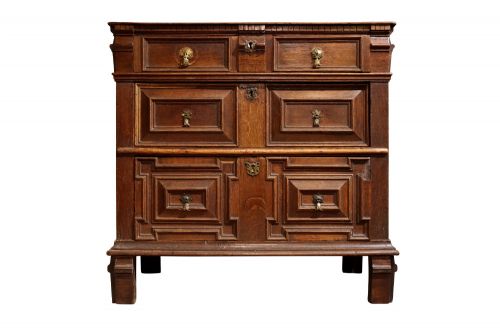
When searching for restoration period furniture, buyers encounter seventeenth-century oak and walnut items, alongside nineteenth-century French pieces from the Restauration and Charles X eras. The core of the selection comprises sturdy oak chests of drawers, side tables, and cabinets on stands originating from the Charles II and William and Mary eras.
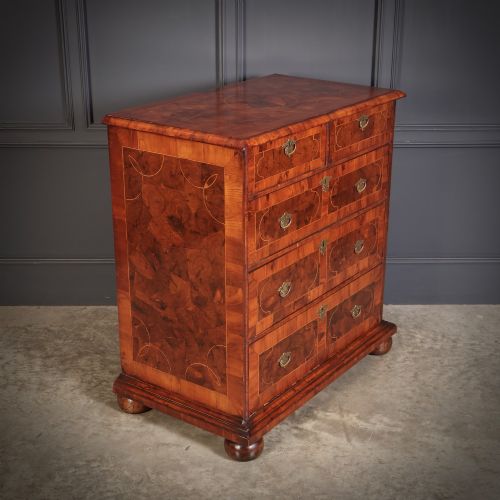
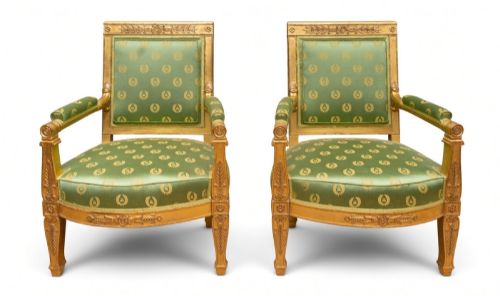
English seventeenth-century examples dominate the selection, showing bold proportions, geometric mouldings, and oyster veneers. Alongside these, French giltwood side tables and armchairs provide an alternative aesthetic from the nineteenth century.
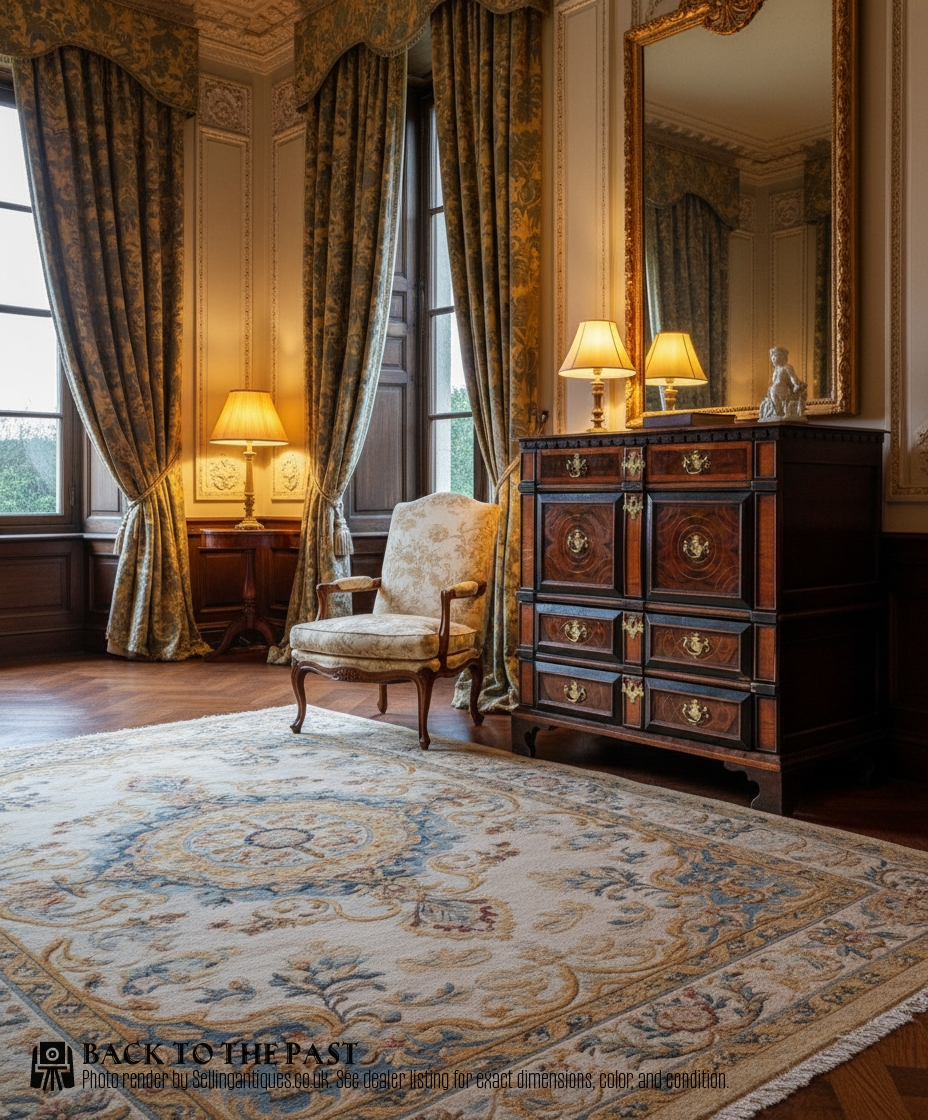
Materials and construction
Joiners built these pieces using solid timbers like oak and walnut, often applying decorative veneers of olive wood, burr walnut, and kingwood across drawer fronts and cabinet doors. Marquetry and inlaid boxwood added contrasting geometric patterns to surfaces.
Craftsmen utilised brass for handles and escutcheons, while seating employed caning and early upholstery. Marble tops appeared on later nineteenth-century French side tables and gueridons.
Restoration Period Furniture Retail Price Guide 2026
Typical asking prices for restoration period furniture among the pieces listed under this phrase on Sellingantiques today, from the lower quarter to the upper quarter. They describe what is for sale here now, not the wider market.
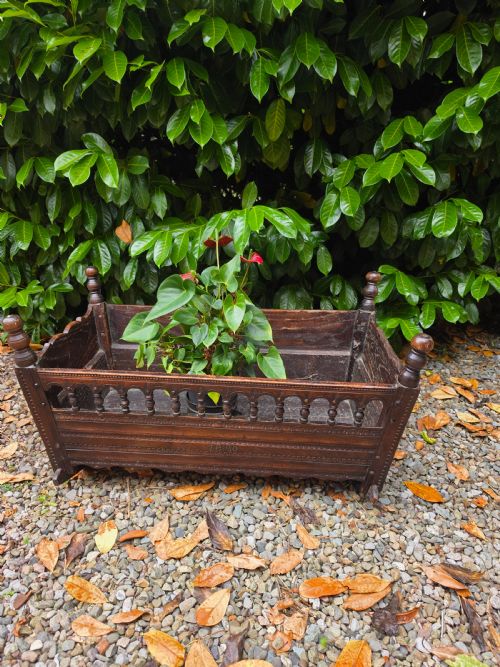
An unusual seventeenth-century oak and fruitwood rocking cradle sits among the heavy chests and tables.
Judging quality in restoration pieces
Quality rests in the crispness of the geometric mouldings and the complexity of the oyster veneering across the timber surfaces. The survival of original brass hardware and untouched timber patination distinguishes superior examples.
The integrity of the structural joinery, particularly in heavily used items like side tables and armchairs, determines the enduring standard of the piece.
Jacob-Desmalter
The Restoration Period Furniture Glossary
- Oyster veneer
- Slices cut transversely from small branches to create circular patterns resembling oyster shells. This technique decorated seventeenth-century walnut and olive wood surfaces.
- Cabinet on stand
- A large storage box raised on a separate base with legs and stretchers. These pieces showcased choice timbers and marquetry work.
- Gueridon
- A small French table designed to hold a light or ornament. These often featured marble tops and central pedestals during the nineteenth century.
- Fauteuil
- An open-armed upholstered armchair originating in France. These display carved giltwood frames from the Restauration period.
Restoration Period Furniture: Frequently Asked Questions
What defines restoration period furniture?
Restoration period furniture spans the late seventeenth century in England, covering the reigns of Charles II and William and Mary. These items include oak chests, walnut cabinets, and side tables.
The term also extends to nineteenth-century French pieces from the Restauration and Charles X eras, such as giltwood armchairs and marble-topped tables.
How do I identify oyster veneer?
Oyster veneer consists of small, circular slices of wood cut across the branch rather than along the grain. This produces a repeated pattern that resembles oysters.
Cabinetmakers applied these veneers to the drawer fronts and doors of seventeenth-century chests and cabinets to create decorative surfaces.
How should I care for walnut and oak items?
Keep wooden furniture away from direct heat sources and strong sunlight to prevent the timber and veneer from splitting. Maintain stable indoor humidity levels.
Apply traditional wax polish sparingly and buff with a soft cloth to preserve the natural patination of the seventeenth-century surfaces.