
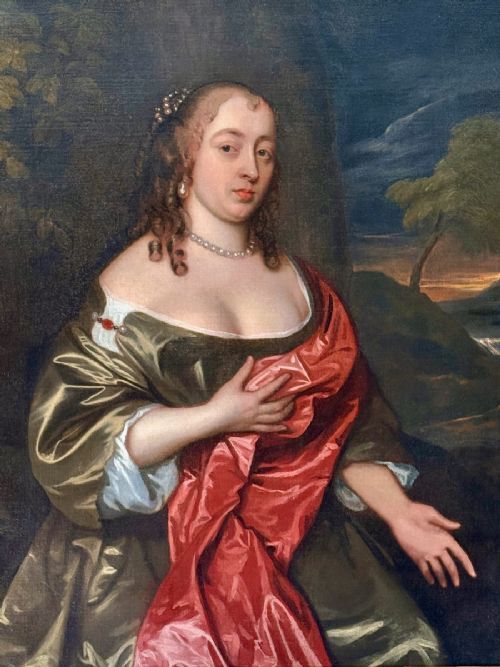
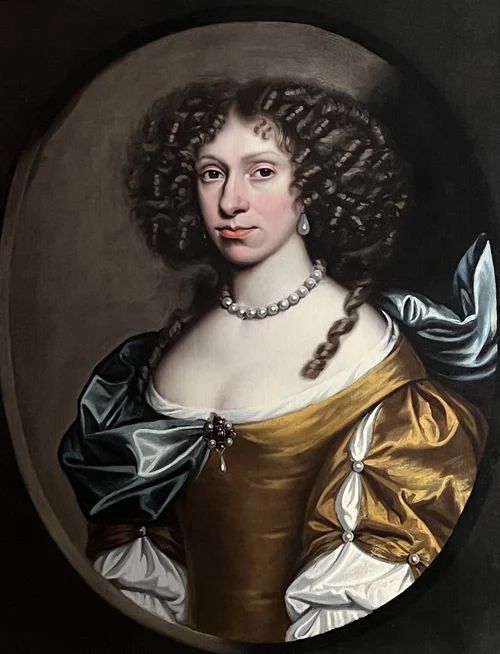
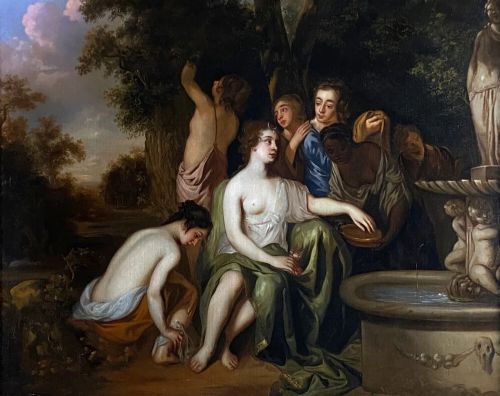
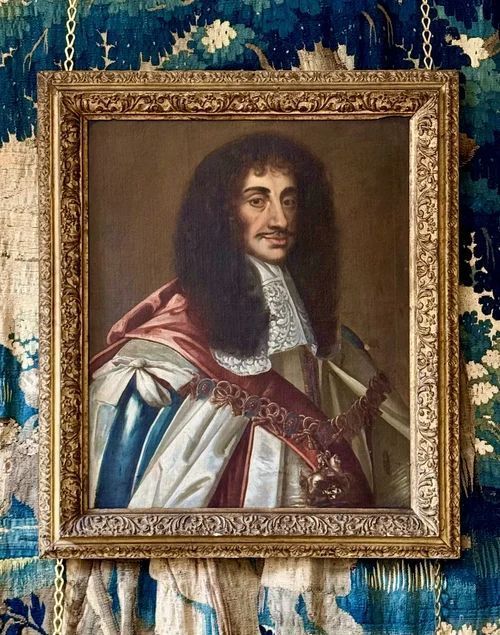
Restoration Era Oil Portrait
When you select a restoration era oil portrait, you bring home a seventeenth-century canvas depicting nobility, clergymen, or merchants painted during the Stuart monarchy.
Restoration Era Oil Portrait
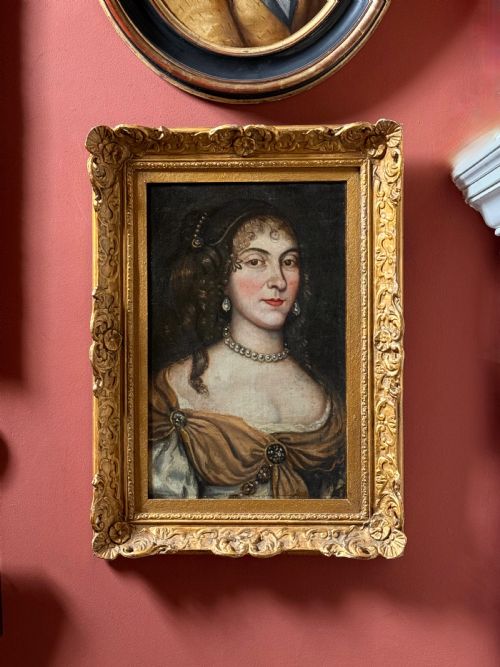
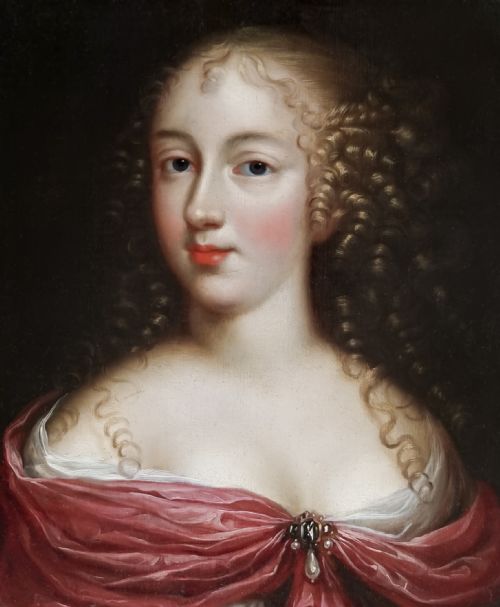
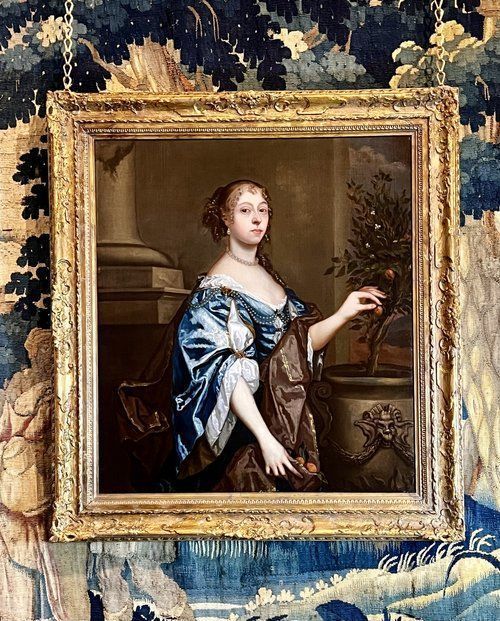
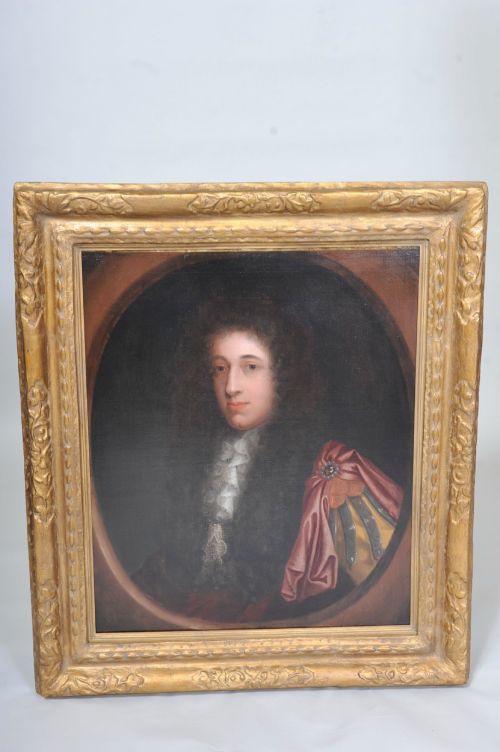
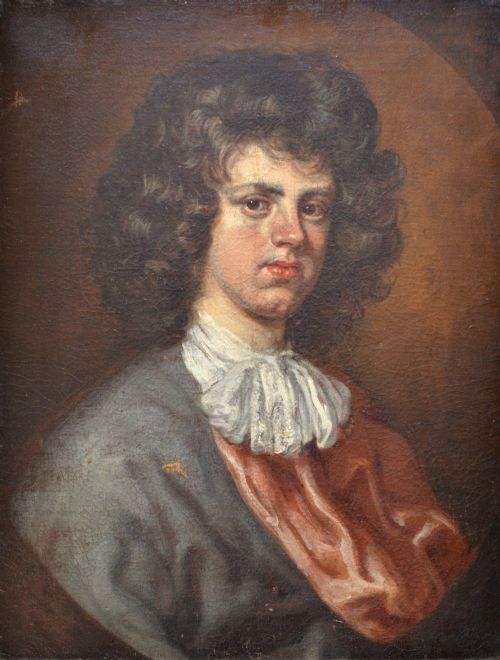
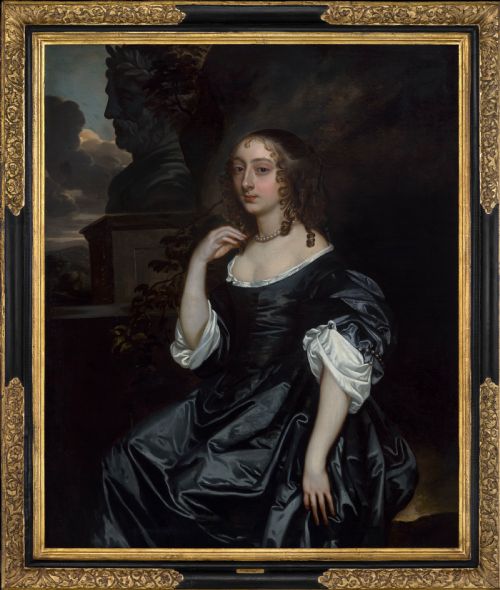
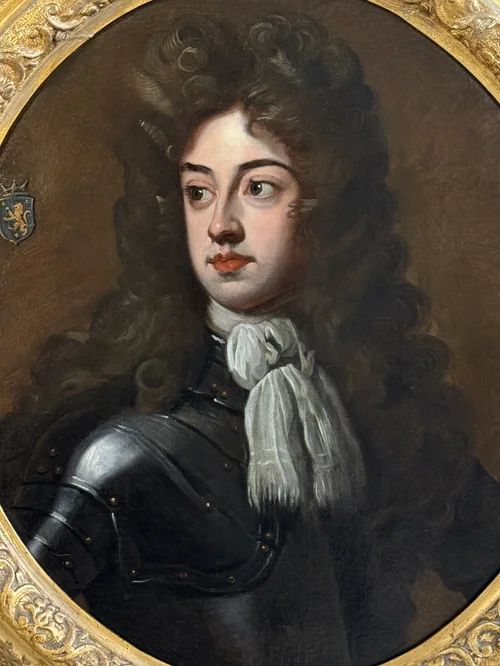
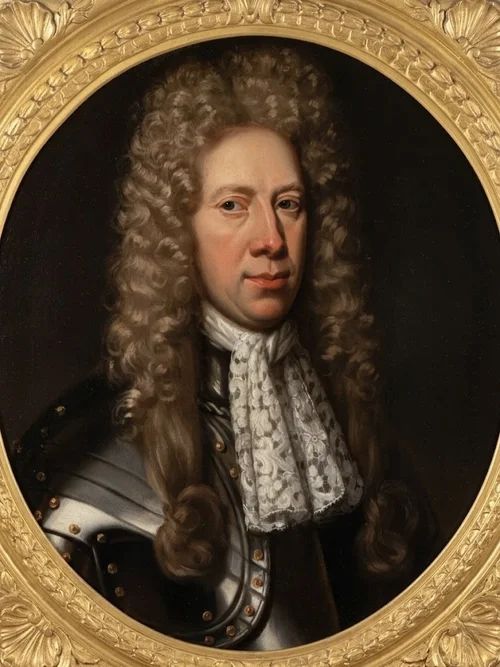
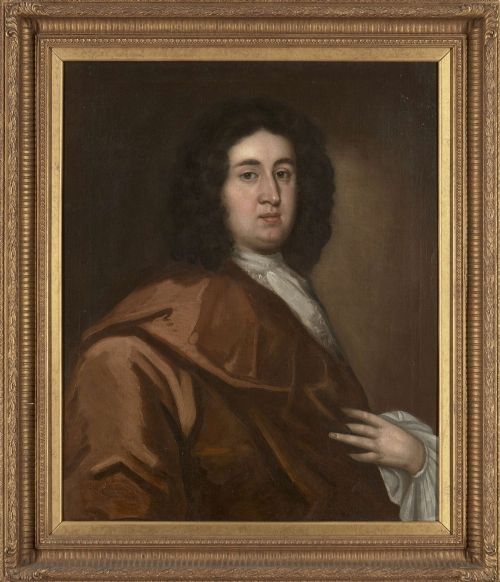
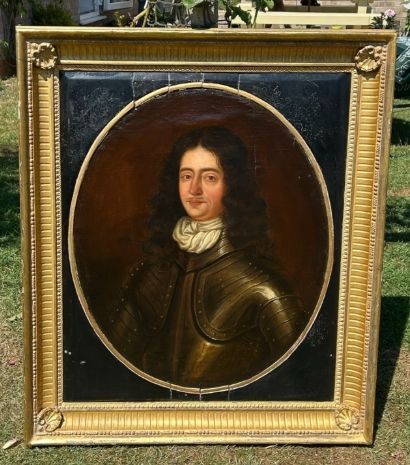
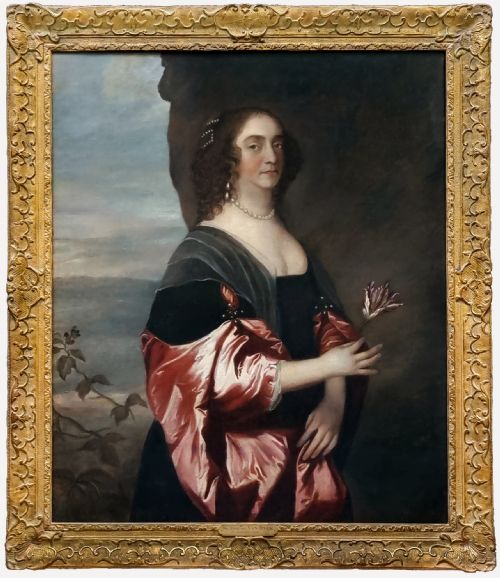
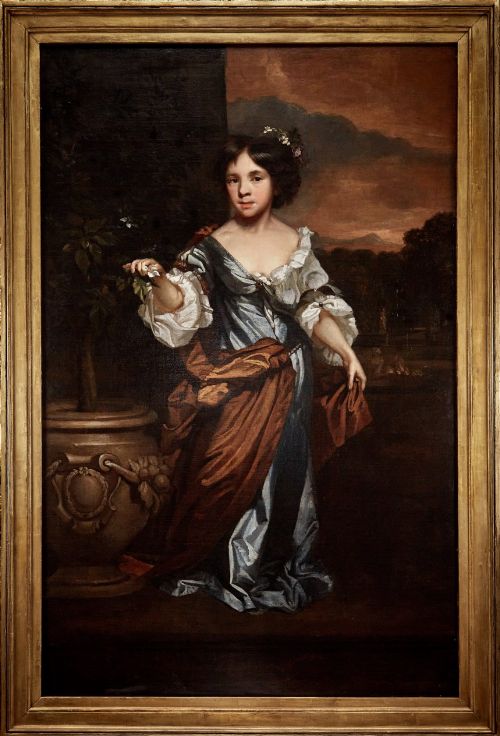
A restoration era oil portrait captures the likeness of seventeenth-century figures, ranging from noblewomen in landscape settings to gentlemen in armour. These works often emerge from British and Dutch artistic circles operating under Baroque influence during the Stuart period.
Buyers encounter oil paintings on canvas and panel depicting specific historical subjects, including bishops, military commanders, and titled ladies. The subjects frequently wear period attire such as green silk gowns, black dresses with red satin sleeves, or cloaks.
Works on this page span the seventeenth century alongside sporadic nineteenth-century interpretations of seventeenth-century monarchs. The common thread is the portrait format, executed with oil paint to record the visage of an individual from history.
How they were made
Painters applied oil paint onto woven canvas supports or wooden panels, building up layers of pigment to render fabrics, flesh tones, and intricate lace collars. Frames constructed from giltwood or utilising gold leaf frequently encase these historical works.
Artists worked within established studios, circles, or as independent masters, employing techniques characteristic of the Baroque style. Ground layers and subsequent glazes allowed them to achieve depth in drapery and luminosity in skin.
Listings feature works executed in oil on canvas and panel, spanning the seventeenth century and nineteenth-century revivals within Baroque and Stuart styles.
What varies in quality
The standard of execution differs between primary studio output and the work of followers or regional schools. Master painters achieved greater subtlety in facial modelling and fabric texture, whereas lesser hands produced stiffer compositions.
Condition plays a part, as canvases surviving from the seventeenth century often bear the marks of age, past restoration, and relining. The strength of provenance and the clarity of attribution to named painters or distinct circles also influence the standing of a canvas.
John Hayls·David Scougall·Sir Peter Lely·Pierre Mignard·Pieter Borsseler·Mary Beale·Sir Godfrey Kneller·John Scougall·John Closterman·John Riley·John Greenhill·Jacob Huysmans·John Michael Wright·Arnold van Boonen·Michael Dahl·William Wissing·Johann Kerseboom·Samuel van Hoogstraten
The Restoration Era Oil Portrait Glossary
- Baroque
- A European artistic style of the seventeenth century characterised by drama, rich colour, and deep shadow. This approach gave portraiture a theatrical and dynamic presence.
- Giltwood
- Wood carved and covered with a thin layer of gold leaf or gilt. It provides the ornate framing typical of seventeenth-century fine art.
- Studio
- A master painter's workplace where assistants and pupils contributed to commissions under the direction of the principal artist. Studio pieces often reflect the composition standards of the master.
- Panel
- A flat piece of wood used as a rigid support for painting before canvas became dominant. Wooden panels required careful preparation to prevent warping over centuries.
- Circle
- A term used when a painting is attributed to an unknown artist working closely within the style and influence of a known master. It denotes proximity to a specific tradition without direct signature.
Restoration Era Oil Portrait: Frequently Asked Questions
How do I identify a restoration era oil portrait?
Look for seventeenth-century costume details, such as elaborate lace bands, periwigs, and silk drapery, combined with Baroque painting techniques. Attributions to studios or known circles of the period often appear in documentation.
Examination of the canvas support and the handling of oil paint further help place the work within the Stuart era.
Where should I hang an antique oil painting?
Select a wall away from direct sunlight and strong heat sources to protect the delicate oil pigments and wooden or giltwood frames. Stable indoor temperatures prevent the canvas and panel from expanding or contracting.
Position the portrait at eye level in a principal room where adequate ambient lighting allows the details of the subject's clothing and expression to remain visible.
What does attribution to a circle mean?
Attribution to a circle indicates that an anonymous artist painted the work in the immediate style and environment of a named master. These painters shared techniques and workshop practices with the principal figure.
Such works offer a close stylistic connection to prominent painters of the seventeenth century without bearing a direct signature.
How are canvas portraits cared for safely?
Dust the surface and the giltwood frame gently with a soft, dry brush to prevent accumulation without disturbing the paint layer. Avoid using water, chemical cleaners, or modern solvents on the aged oil paint.
Consult a professional conservator if the canvas requires structural attention, cleaning, or stabilization over time.