





Repousse Silver Sugar Bowl
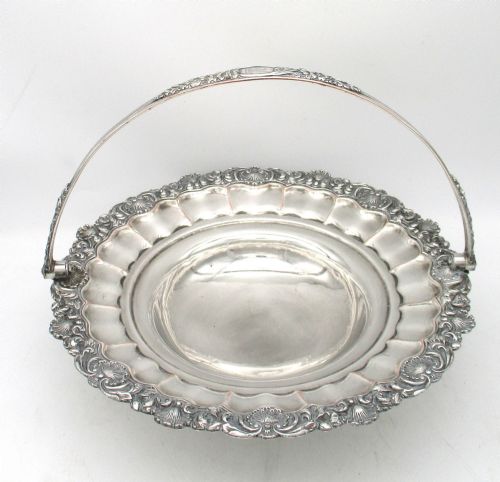
These repousse silver sugar bowl examples range from Georgian pedestal forms to ornate Victorian designs, offering tactile luxury for the formal tea table.
Repousse Silver Sugar Bowl
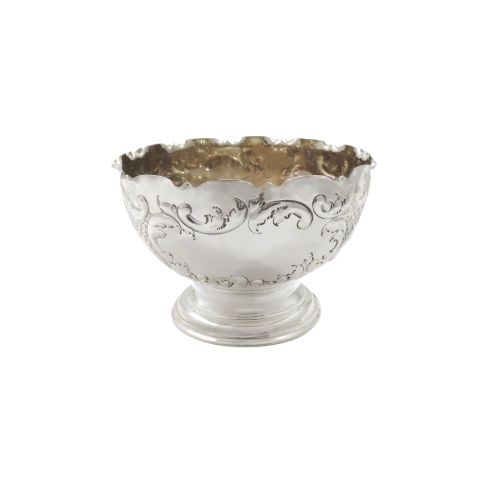
A repousse silver sugar bowl serves as a functional centrepiece for the tea service, designed to hold lump or loose sugar during formal gatherings. The search phrase covers forms produced across the Georgian, Victorian, and early twentieth-century periods.
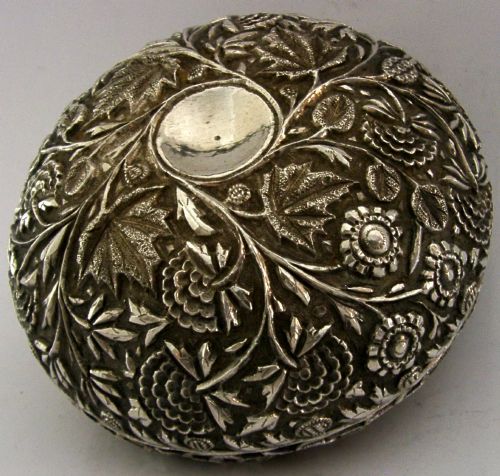
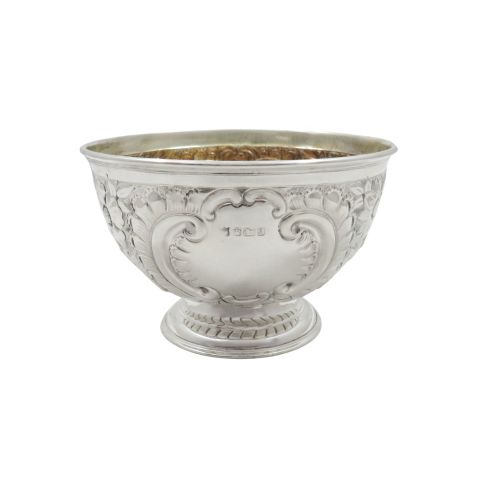
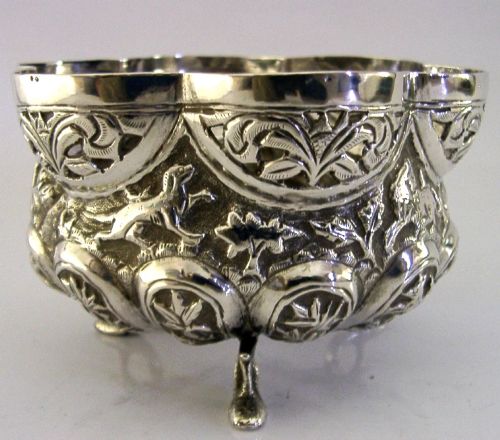
The most common version met on this page is the Victorian sterling silver sugar bowl, frequently taking the form of a pedestal footed bowl or a swing-handled basket. Examples span from mid-nineteenth-century domestic tableware to Anglo-Indian colonial pieces decorated with animal motifs.
Early iterations include mid-eighteenth-century Irish and Scottish bowls alongside Old Sheffield plated baskets. Makers utilised diverse regional styles including rococo revival patterns and Indianesque ornamentation.
Materials and construction
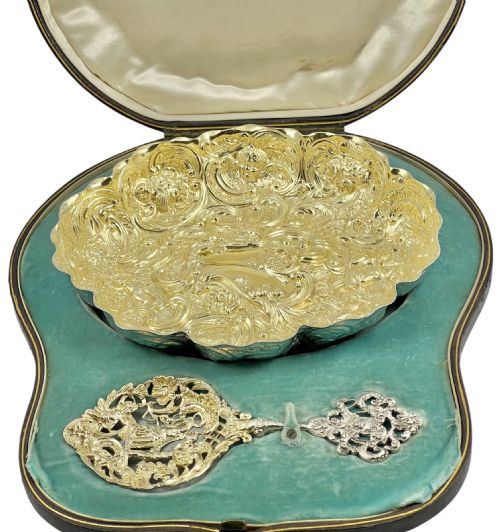
Silversmiths hammered sterling silver and solid silver from the reverse side to create the raised relief work characteristic of repousse decoration. This technique allowed artisans to push out intricate floral, scroll, or figural designs from the metal sheet.
Gilt interiors appear alongside silver gilt cased sets, where a thin layer of gold provides a protective wash against the corrosive properties of stored sugar. Alternative techniques are represented by Old Sheffield plate and copper foundations.
Fitted presentation sets occasionally incorporate supplementary elements such as velvet, leather, and glass linings. Serving accompaniments like sifter spoons are frequently paired with the sugar baskets.
Repousse Silver Sugar Bowl Retail Price Guide 2026
Typical asking prices for repousse silver sugar bowl among the pieces listed under this phrase on Sellingantiques today, from the lower quarter to the upper quarter. They describe what is for sale here now, not the wider market.
Listings feature sterling silver and solid silver pieces spanning from the mid eighteenth century through the Victorian period to nineteen hundred.
Assessing quality and execution
The depth and crispness of the hammer work define the visual merit of the repousse decoration, separating sharp manual chasing from softer, worn relief. The thickness of the silver gauge dictates the substantial feel and structural integrity of the vessel.
Provenance and hallmarking clarity provide key distinctions, with maker marks and city stamps confirming the exact origin and date of production. The presence of matching original sifter spoons or fitted presentation cases elevates the completeness of the piece.
Elkington and Co·John Kincard·George Fox
The Repousse Silver Sugar Bowl Glossary
- Repousse
- A metalworking technique where the artisan hammers the design from the reverse side to create a raised relief on the front. This method requires considerable skill to maintain even metal thickness.
- Sterling silver
- An alloy consisting of ninety-two point five percent silver and seven point five percent other metals, typically copper. It provides the standard composition for British domestic silverware.
- Old Sheffield plate
- A composite material formed by fusing a thin sheet of silver to a thicker copper base. It predates electroplating and displays a characteristic warm lustre.
- Silver gilt
- Silver objects that have been coated with a thin layer of gold on the interior or exterior surfaces. This finish protects the metal from tarnishing due to food acids.
- Sugar basket
- An open-topped vessel, often featuring a swing handle and a blue glass liner, used for presenting sugar lumps. They gained popularity during the Georgian and Victorian eras.
Repousse Silver Sugar Bowl: Frequently Asked Questions
How do I clean a silver sugar bowl?
Use a soft cloth and a dedicated silver polish to remove tarnish gently from the raised repousse areas without scrubbing away the detail. Avoid abrasive cleaners that can scratch the metal surface or wear down thin silver plating.
Store the bowl in a dry environment away from direct sunlight and rubber materials, which accelerate tarnishing. Periodic washing in warm soapy water helps remove dust from deep crevices.
What is the difference between a bowl and a basket?
Sugar bowls typically feature a fixed pedestal, footed base, or flat bottom designed to sit stably on the tea table. Baskets incorporate a movable swing handle and were often manufactured with blue glass liners.
Both forms served the same domestic purpose within the tea service. Baskets generally date to the late eighteenth and nineteenth centuries.
How do I date an antique silver bowl?
Examine the hallmarks stamped on the silver, which usually include a maker mark, a city assay mark, and a date letter corresponding to a specific year. Additional clues come from the stylistic traits, such as Victorian rococo revival scrolls or Georgian forms.
Accompanying cases or fitted spoons can also provide contextual evidence for the production era. Reference standard silver hallmark guides to decode individual letter punches.
Were these bowls used for actual sugar?
These vessels held sugar lumps or loose granulated sugar before the advent of refined sugar cubes and modern packaging. They formed an essential part of the formal tea table display.
Guests would use specialised sifter spoons to transfer sugar into their cups. Today, they function equally well as decorative display items or small storage vessels.