


Repousse Metal Wall Plaque
A repousse metal wall plaque brings tactile depth to a room through hammered relief work.
Repousse Metal Wall Plaque
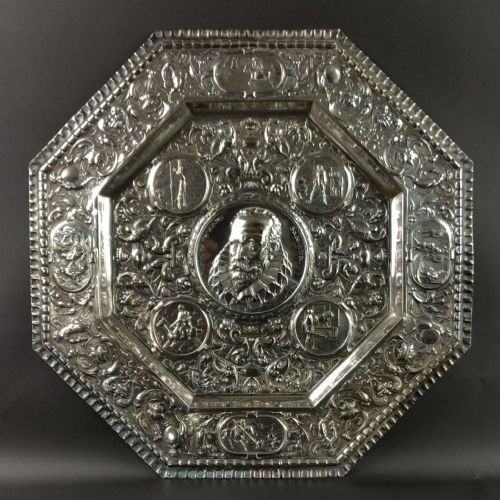
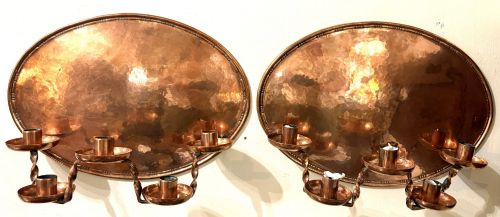
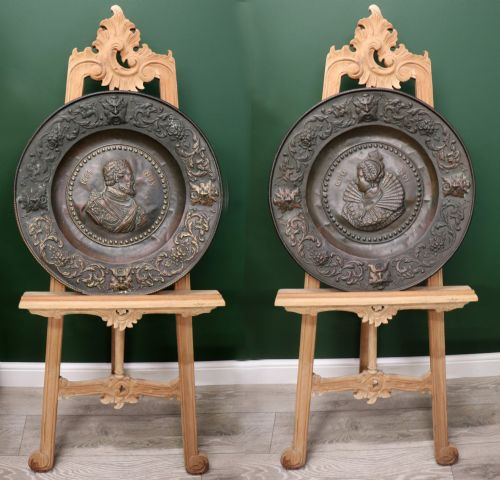
A repousse metal wall plaque is typically formed as a charger, round plate, or rectangular panel designed for interior display. These pieces range from nineteenth century European portrait chargers to Arts and Crafts copper wall plates featuring naturalistic motifs.
Buyers encounter variations spanning eighteenth century brass alms dishes to early twentieth century Art Nouveau pieces and Indo-Persian metalwork. The selection centres on decorative wall art executed in copper, brass, bronze, and silver plate.
Originating from diverse periods including the Victorian era, Edwardian period, and Raj period, these wall plaques showcase historical portraits, classical figures, animal motifs, and intricate foliage.
Materials and construction
Makers utilised ductile metals such as copper, brass, and bronze, often applying surface treatments like silver plating or bronzing to enhance visual contrast. The repousse technique involves hammering the metal sheet from the reverse side to raise a three dimensional design.
Detailing was frequently refined from the front using chisels and punches to sharpen contours, occasionally combining engraving, piercing, or electrotype methods. Wooden backing frames or mounts appear on select pieces designed specifically for hanging.
Fish and foliage share wall space with Neptune and Diana the Huntress, proving that historic metalworkers took equal joy in ponds and pantheons.
Assessing quality and execution
The weight of the metal and the complexity of the composition distinguish standard production wares from masterwork chargers. Pieces bearing distinct stylistic attribution or workshop execution demonstrate superior artistic intent in their proportion and surface finish.
Gustav Grohe·Faulkner Bronze Company·Elkington and Co·WMF
The Repousse Metal Wall Plaque Glossary
- Repousse
- A metalworking technique where the design is hammered into relief from the reverse side. This method allows artisans to create tactile, three-dimensional scenes on thin sheets of copper, brass, or silver.
- Charger
- A large ornamental plate or dish intended for display rather than dining use. These substantial pieces frequently feature detailed historical or mythological iconography.
- Alms dish
- A shallow basin traditionally used for collecting charitable donations in churches. Many surviving examples date to the eighteenth century in brass with embossed decoration.
- Electrotype
- A replica produced through an electrolytic deposition of metal over a prepared mould. This nineteenth-century process captured fine sculptural details with high precision.
- Chasing
- The complementary metalworking process performed on the front side of a repousse piece. Artisans use small punches to refine textures, sharpen lines, and sink the background.
Repousse Metal Wall Plaque: Frequently Asked Questions
How do I hang a heavy metal plaque safely?
Most large chargers and plaques require sturdy wall anchors matched to the weight of the metal and any wooden backing. Secure picture wire or dedicated brackets distributed evenly across the frame prevent undue stress on the piece.
Ensure the mounting hardware engages directly with wall studs or appropriate masonry fixings rather than plaster alone. Regular checks of the hanging points maintain safe long term display.
What is the difference between repousse and embossed metal?
Repousse specifically describes shaping metal by hammering from the reverse side to push the design outward. Embossed decoration often implies pressing or stamping the design from the front.
Hand-hammered repousse work shows subtle irregularities and tool marks under close inspection, whereas mechanical embossing exhibits uniform machine precision.
How should I clean antique copper and brass plaques?
Dusting with a soft, dry cloth is usually sufficient for regular maintenance of historic metalwork. Avoid harsh chemical polishes that strip away desirable patination and age.
Preserving the aged surface protects the integrity of the metal and retains the visual character accumulated over centuries.
Are these plaques meant for indoor display only?
These decorative pieces are constructed for interior environments where humidity and temperature remain relatively stable. Outdoor exposure accelerates oxidation and damages the delicate metal surfaces.
Keeping plaques away from direct moisture preserves the copper, brass, and silver plated finishes indefinitely.