


Victorian Silver Angel
These victorian silver angel pieces combine celestial imagery with solid silver craftsmanship, offering a glimpse into nineteenth-century devotion and domestic life.
Victorian Silver Angel
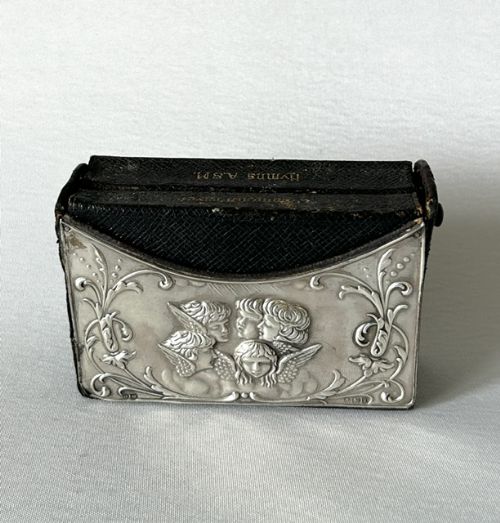
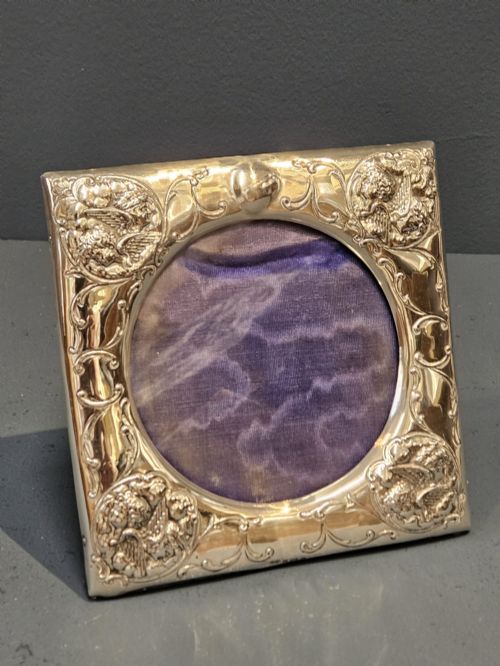
You are most likely to meet photo frames and trinket boxes bearing the distinctive winged faces often attributed to Reynolds angels, alongside sterling silver dishes and caskets. These pieces range from Victorian Rococo Revival designs to Arts and Crafts reliefs, showing how makers integrated classical celestial motifs into everyday utilitarian objects.
Assessing Quality
Substantial gauge silver and robust construction separate master silversmith output from lighter mass-produced goods, ensuring longevity in functional items like photo frames, teapots, and trinket boxes.
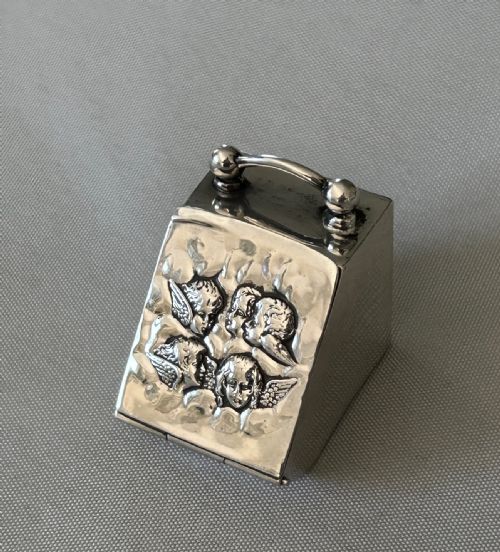
Someone once housed their emergency coal scuttle in miniature, creating a tiny novelty silver thimble case shaped like a fireplace accessory complete with cherubs.
William Comyns & Sons·Joseph Angell·John & George Angell·W & C Manton
The Victorian Silver Angel Glossary
- Embossing
- A metalworking technique where a design is raised from the reverse side by hammering and punching. This method created the prominent cherub and angel faces found on many Victorian silver frames and boxes.
- Sterling silver
- An alloy consisting of pure silver and other metals, usually copper, to add durability. Most pieces from this period carry hallmarks confirming this specific standard of purity.
- Rococo Revival
- A nineteenth-century style drawing on the asymmetry, scrolls, and ornamentation of the eighteenth-century Rococo movement. It frequently frames the angel and cherub motifs seen on dressing table items.
- Trinket box
- A small container designed for storing jewellery or small keepsakes, often lined with velvet or silk. In this selection, they frequently feature embossed celestial figures on the lid.
Victorian Silver Angel: Frequently Asked Questions
How do I clean tarnished silver angel items?
Use a soft microfiber cloth and a mild, non-abrasive silver polish formulated to protect delicate embossed details.
Avoid harsh dips that can strip away the original dark oxidation deliberately left in the recesses of the angel designs to create depth.
Were these pieces used for daily devotion?
Many items, such as the cased prayer and hymn books and altar crosses, served direct religious functions in the home or church.
Other objects like trinket boxes and photo frames used angelic imagery purely for decorative or sentimental domestic appeal.
What are Reynolds angels?
The term refers to the cherubic winged heads derived from the eighteenth-century paintings of Sir Joshua Reynolds.
Victorian silversmiths frequently borrowed this specific facial arrangement for the embossed decoration on frames, hand mirrors, and dressing table boxes.
How can I tell a Victorian piece from an Edwardian one?
Examine the hallmarks for specific date letters and assay office symbols stamped directly into the silver.
Stylistic shifts also offer clues, as Victorian pieces often lean towards heavy Rococo Revival ornamentation while Edwardian items tend toward lighter forms.