






Rene Lalique Glassware
These pieces of rene lalique glassware combine inventive moulding with striking modernist designs that collectors seek out for their distinctive tactile quality.
Rene Lalique Glassware
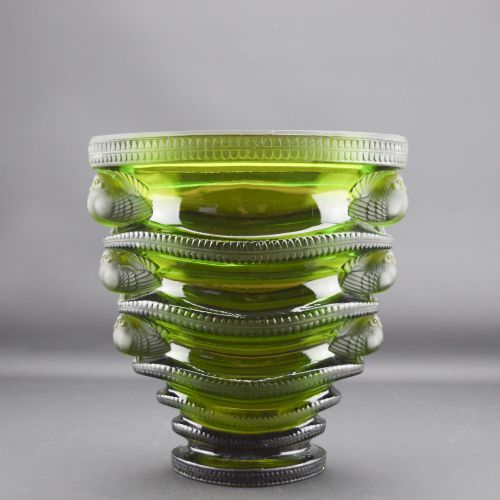
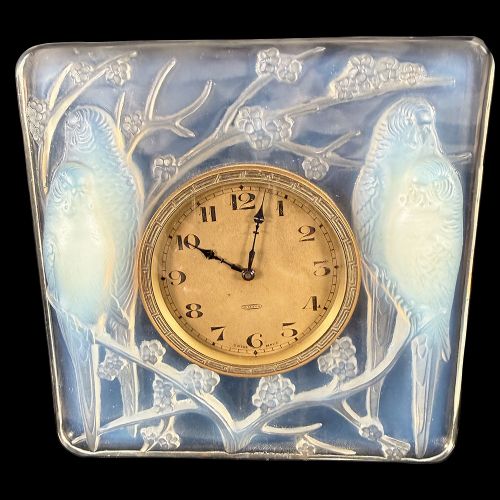
When you search for rene lalique glassware, you encounter decorative objects designed primarily across the early decades of the twentieth century. The selection spans distinct forms including vases, bowls, plates, clocks, candlesticks, decanters, perfume bottles, and cigarette holders.
The dominant aesthetic draws from Art Deco and Art Nouveau movements, expressing natural motifs and figurative scenes through sculptural glass forms. Most examples date from the 1920s and 1930s, reflecting the height of modernist design and production.
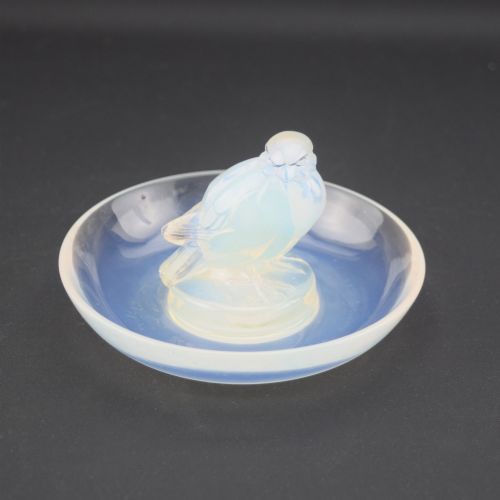
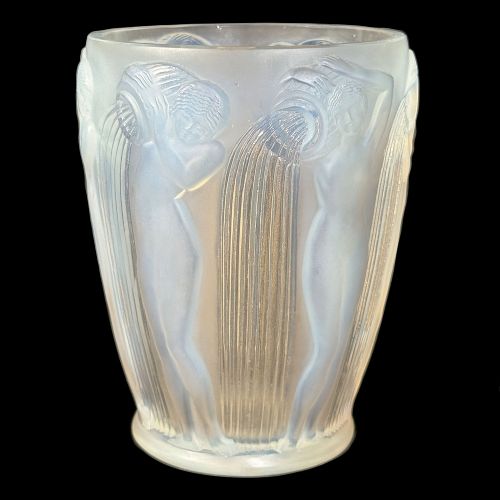
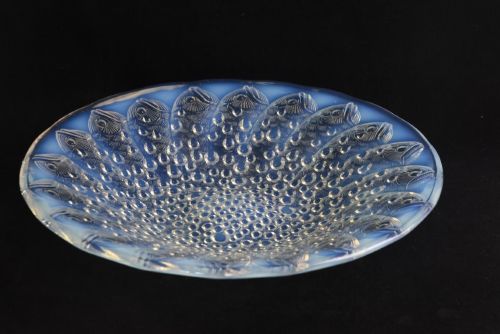
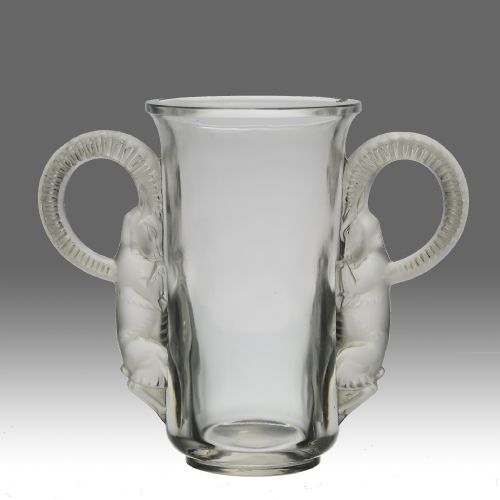
Vases and opalescent bowls form the core of the items encountered on this page. These pieces demonstrate the characteristic application of coloured stains and varied surface textures.
How they were made
Production relies heavily on moulded glass and pressed glass techniques to achieve deep relief and sculptural detail. Artisans utilise clear glass, frosted glass, and opalescent glass to manipulate how light interacts with the surface of each object.
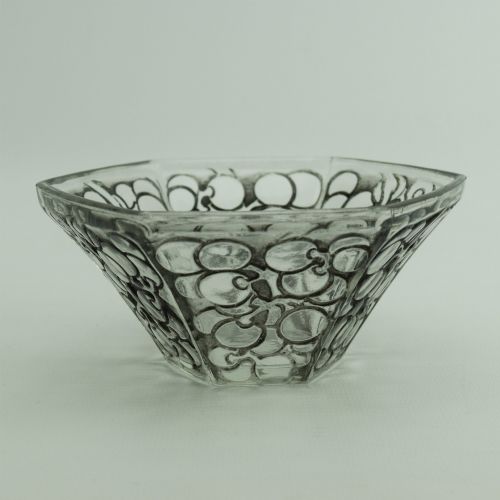
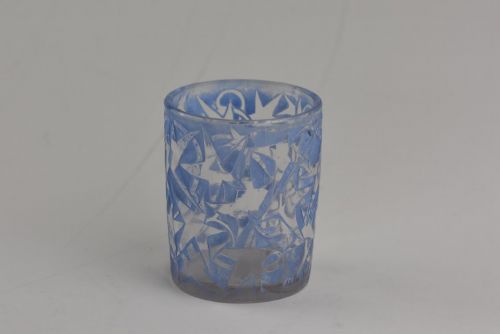
Makers introduced surface treatments such as sepia stain and blue staining to highlight the intricate motifs pressed into the glass. These contrasting pigments accentuate the fine lines found on vases, plates, and bowls.
Early twentieth-century smoking habits prompted the creation of glass ashtrays and cigarette holders decorated with love birds.
What varies in quality
The degree of definition in moulded reliefs distinguishes finer examples from simpler production. Crispness in figural details, such as birds, water carriers, or botanical elements, determines the visual strength of the piece.
The successful application of coloured stains adds depth to the surface, where carefully retained pigment enhances the contrast of the frosted and opalescent textures.
Rene Lalique
The Rene Lalique Glassware Glossary
- Opalescent Glass
- Glass that diffuses light to display a milky, bluish glow when lit from the front and a warm amber tone when lit from behind. This optical effect defines many key twentieth-century decorative pieces.
- Frosted Glass
- Glass treated to impart a matte, non-reflective surface texture that softens light transmission. This finish highlights sculptural details and contrasts with polished clear sections.
- Coupe Ouverta
- A French term for an open bowl or dish used across decorative tableware ranges. These shallow vessels frequently feature moulded plant or animal motifs along the rim.
- Sepia Stain
- A dark brownish pigment applied to accentuate recessed areas of pressed glass designs. The stain adds visual depth to intricate relief work.
Rene Lalique Glassware: Frequently Asked Questions
What is rene lalique glassware?
These items are decorative glass objects produced under the direction of René Lalique during the early twentieth century. They encompass functional and ornamental forms designed within Art Nouveau and Art Deco movements.
Items range from everyday tableware plates and bowls to sculptural vases, clocks, and perfume bottles. Each piece utilises distinctive glass manipulation techniques to create tactile decorative surfaces.
How do I identify periods?
Dating relies on stylistic markers associated with specific decades of production. Pieces from the 1910s often exhibit Art Nouveau organic forms, while works from the 1920s and 1930s lean into geometric Art Deco styling.
Examining the specific motifs, such as stylized flora or figurative scenes, helps align objects with known production eras. Catalogue records and historical design timelines further clarify manufacturing dates.
How were these used originally?
Original owners utilised these objects for interior decoration and practical household functions. Vases held floral arrangements, while decanters and shot glasses served drinks during formal gatherings.
Other pieces fulfilled specific domestic roles, such as ashtrays, cigarette holders, and mantle clocks. Their dual purpose as art and utility defined elite twentieth-century interiors.
How should I display them?
Placement near natural light sources allows opalescent and frosted glass to catch and diffuse illumination effectively. Positioning items on shelves or tables away from heavy foot traffic protects delicate glass surfaces.
Controlling the background lighting reveals the contrast of blue and sepia stains against clear glass. Simple, uncluttered display surfaces let the sculptural relief details stand out.