

Rene Lalique Glass
Rene lalique glass represents the pinnacle of Art Deco design, offering collectors striking decorative objects and tableware created during the 1920s and 1930s.
Identifying Rene Lalique Glass
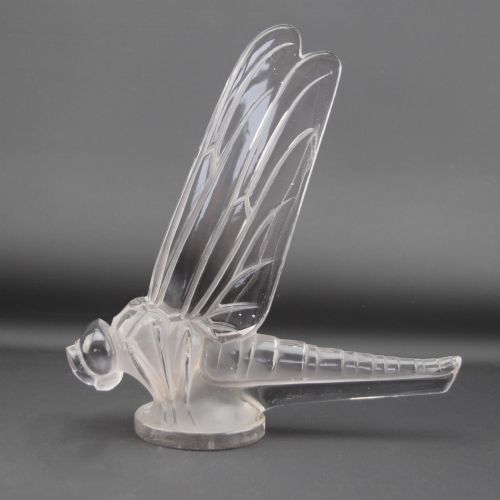
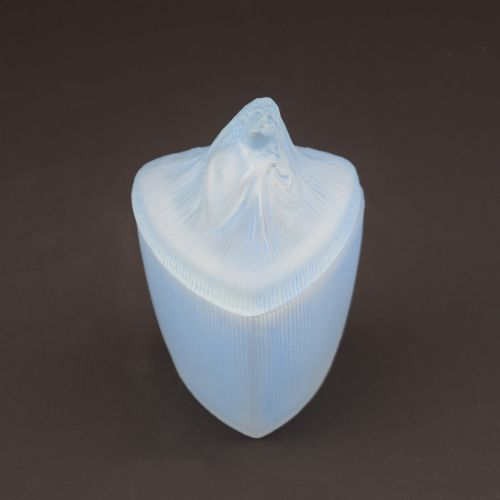
When searching for rene lalique glass, collectors encounter a diverse array of items ranging from tableware and perfume bottles to decorative bowls and paperweights. The most common survivals on the market date from the interwar period, specifically the 1920s and 1930s, aligning with the height of the Art Deco movement.
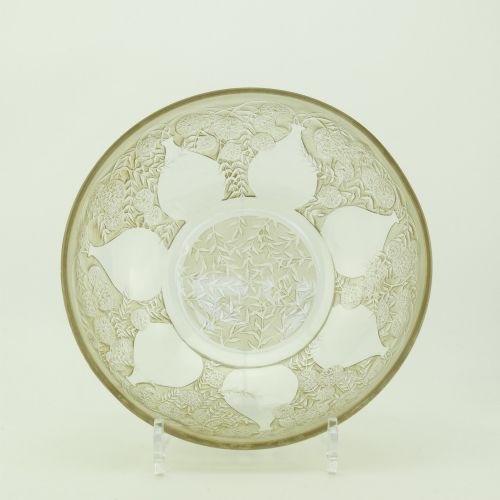
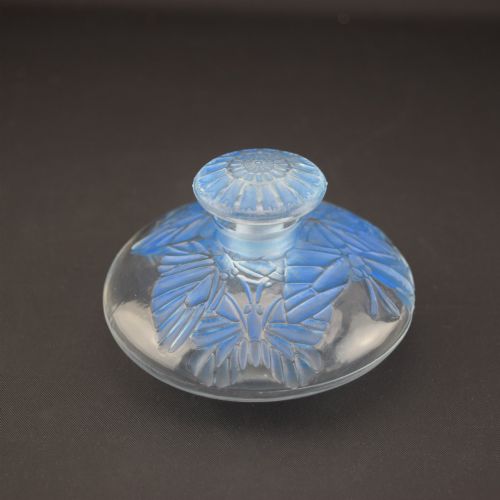
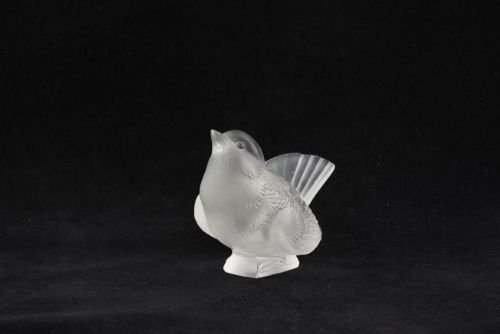
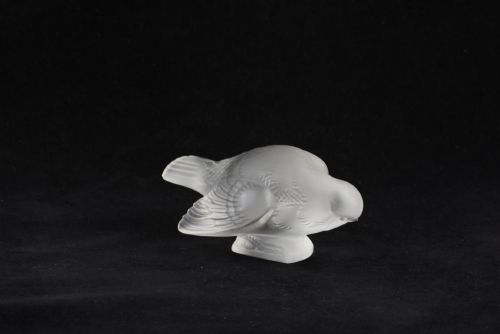
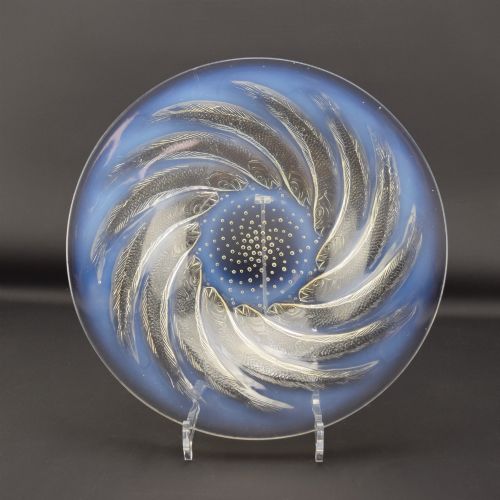
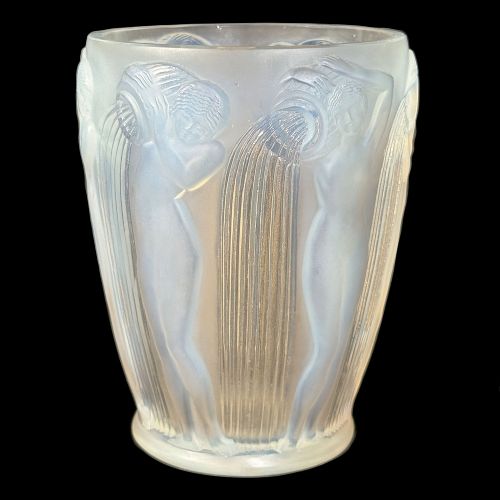
The assortment includes specific functional forms such as drinking glasses, decanters, candlesticks, and ashtrays, alongside sculptural vessels like vases and bowls. Named designs frequently feature animal, floral, or classical motifs such as fish, birds, daisies, and dancers.
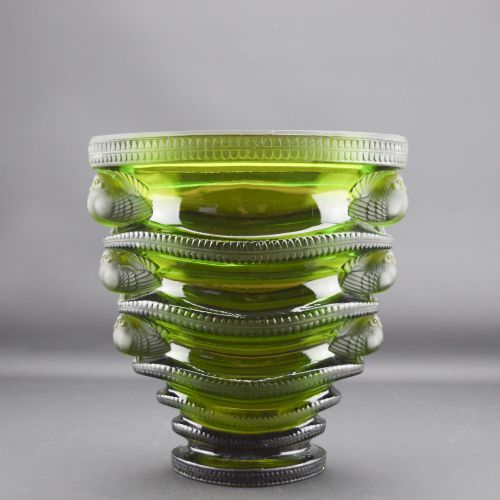
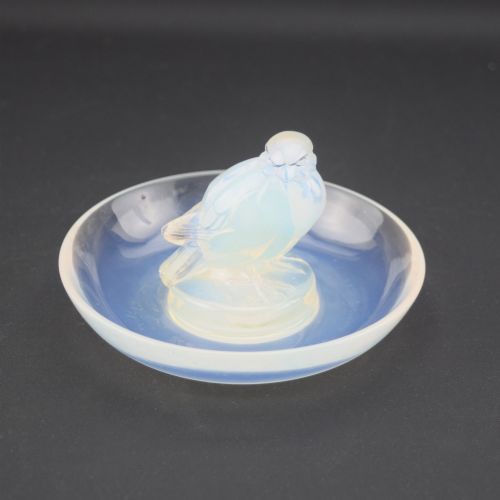
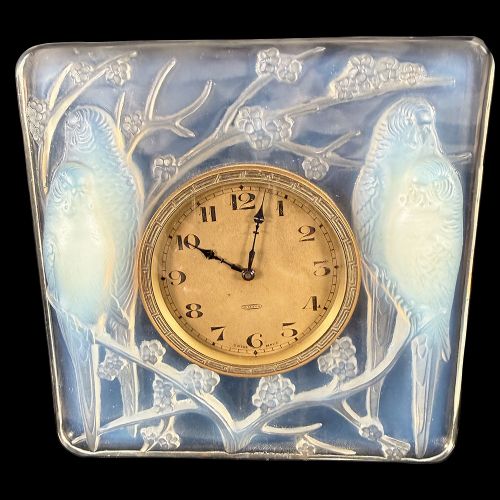
Plates, chargers, and small pin dishes represent the smaller scale decorative objects often found, while larger vases and ice buckets demonstrate the substantial sculptural ambition of the production. Buyers will frequently meet opalescent or frosted variants that define the characteristic look of the period.
Materials and Techniques
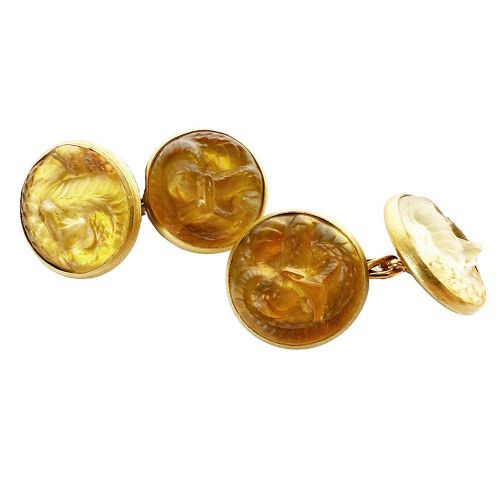
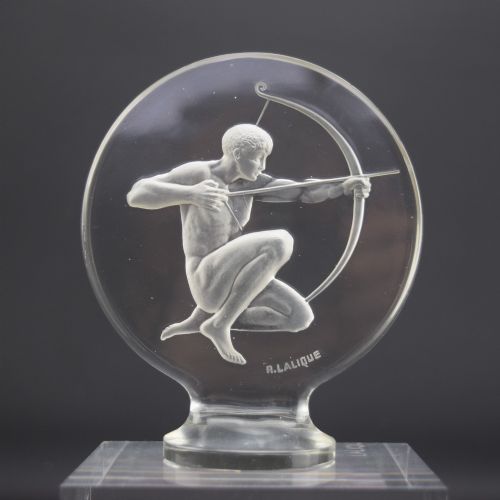
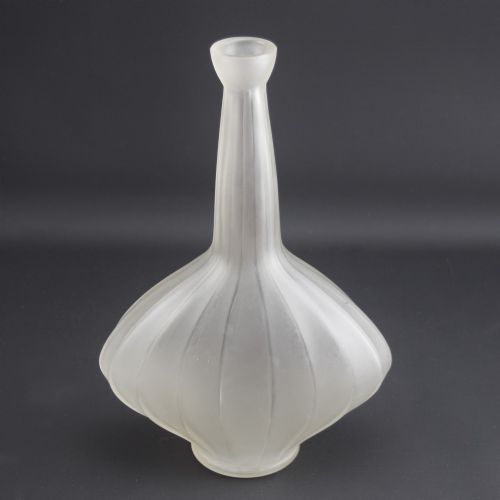
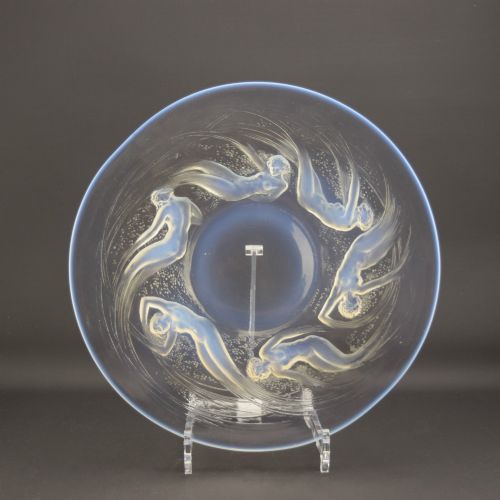
The production relies heavily on moulded glass, utilising clear, frosted, opalescent, and occasionally amber or green glass to achieve varied visual effects. Opalescent glass creates a milky blue-white shimmer when turned in the light, whilst frosted glass introduces a tactile, matte texture that contrasts with polished clear sections.
Moulding allowed for intricate relief details on vessels, bowls, and statuettes, capturing complex naturalistic forms with precision. Patinated glass varieties incorporate pigment applied to the recessed details to accentuate the depth of the moulded design.
Retail Price Guide 2026
Typical UK retail prices for rene lalique glass, calculated from the Sellingantiques database of over a million retail prices indexed since 2003. This retail price guide relies exclusively on Sellingantiques data; no external sources or auction records are used, so the figures do not describe the wider market.
Among the small sculptural works recorded are ashtrays shaped as sleepy rabbits, cheeky ducks, and small birds perched ready to smile.
Judging Quality
Quality in these pieces is dictated by the crispness of the moulded relief and the successful interplay between clear and frosted or opalescent surfaces. Strong examples display deep, deliberate contrast and smooth finishing within the details of the design.
The visual depth of the opalescence, where the glass catches the light to shift between warm amber tones and cool blue highlights, distinguishes superior examples from flat, uniform alternatives.
Rene Lalique
The Rene Lalique Glass Glossary
- Opalescent Glass
- Glass that diffuses light to display milky blue or orange highlights depending on the angle of illumination. This effect is a defining characteristic of many interwar decorative objects.
- Frosted Glass
- Glass treated to achieve a matte, non-reflective surface texture by acid-etching or sandblasting. It provides stark contrast against polished clear elements.
- Patinated Glass
- Glass featuring coloured pigment applied to the recessed portions of a moulded design. This technique enhances the visibility of intricate relief work.
- Moulded Glass
- Glass formed by pressing molten material into a metal or wooden mould. This process permits the repetition of complex sculptural shapes and shallow reliefs.
Frequently Asked Questions
How do I identify a genuine piece?
Look for the characteristic weight, the quality of the moulded relief, and the specific handling of frosted or opalescent surfaces typical of the period.
Examine the piece under good light to assess the depth of the glass and the precision of the finishing work.
What periods do these pieces come from?
The available items predominantly date from the 1920s and 1930s.
This era coincides with the height of Art Deco design and the most prolific period of artistic output.
How were perfume bottles used?
Perfume bottles served as both functional vanity items and miniature sculptural art objects for dressing tables.
Their intricate stoppers and moulded bodies reflected the luxurious lifestyle of the interwar years.
Can I use these glasses for dining?
Drinking glasses and stemware produced in this era were designed for contemporary dining and entertaining.
Collectors often choose to display them carefully rather than use them for daily service.