




Renaissance Style Wall Art
Renaissance style wall art brings historic portraiture, tapestries and devotional panels into modern interiors through enduring echoes of sixteenth-century workshops.
Renaissance Style Wall Art
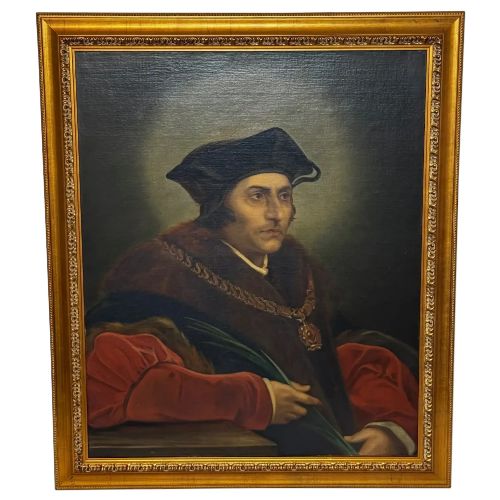
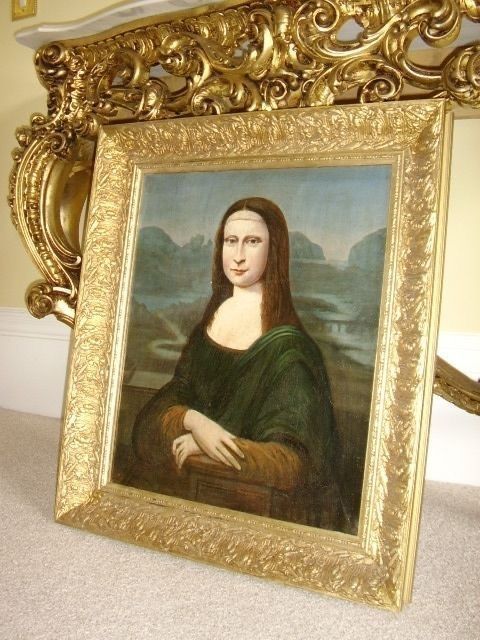
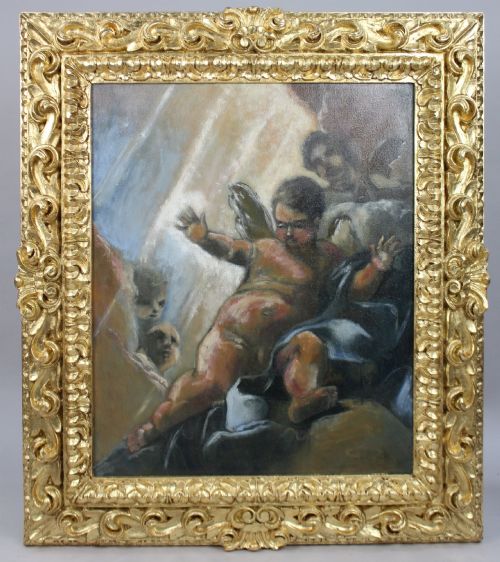
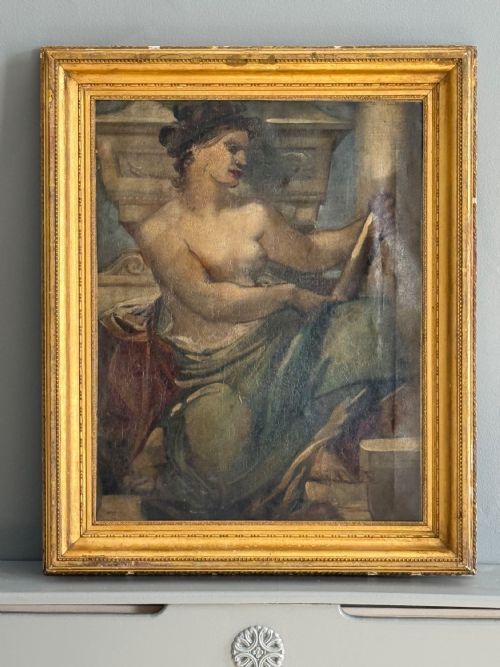
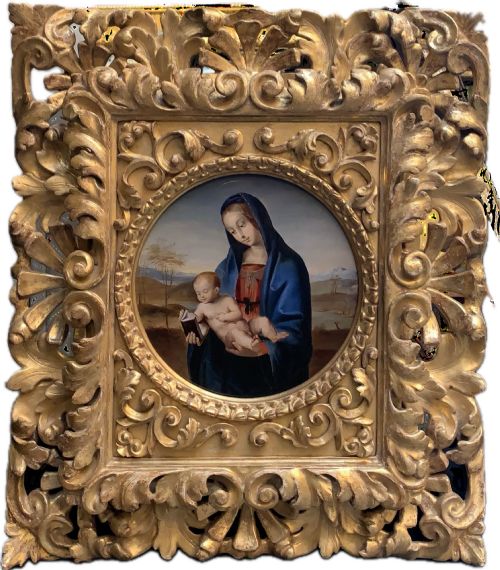
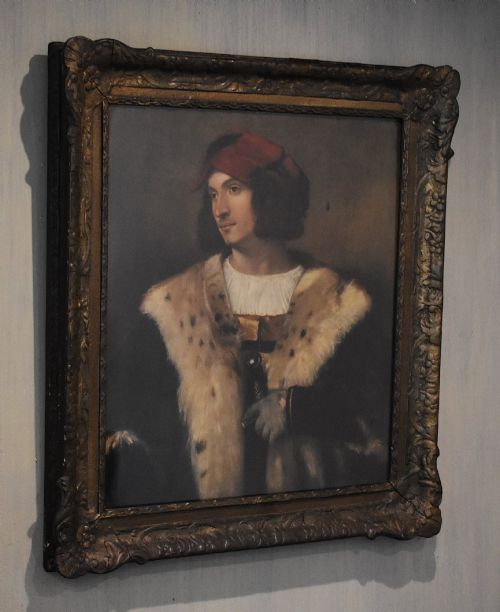
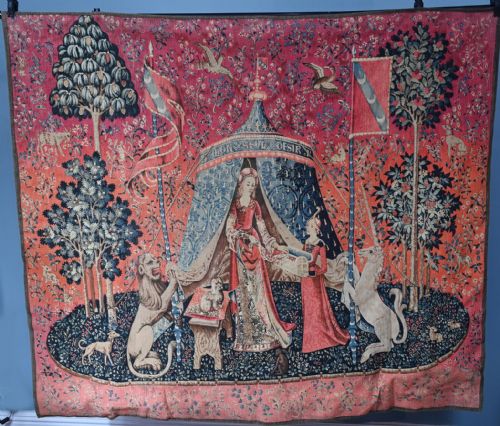
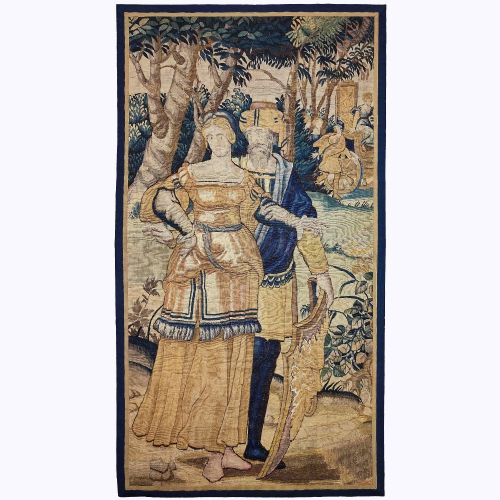
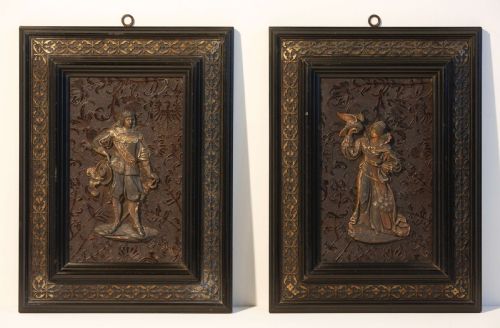
Renaissance style wall art gathers painted oils, woven tapestries, engravings and relief plaques that echo the classical ideals of European masters. Buyers searching this phrase meet interpretations ranging from period copies to nineteenth-century revival pieces modelled on Raphael, Titian and Leonardo da Vinci.
The selections on this page lean heavily towards oil paintings on canvas and wood panels depicting religious scenes or aristocratic portraits. Framed artworks and woven wall hangings dominate the physical forms, carrying heavy giltwood or carved wooden surrounds suited to traditional room schemes.
Materials and construction methods
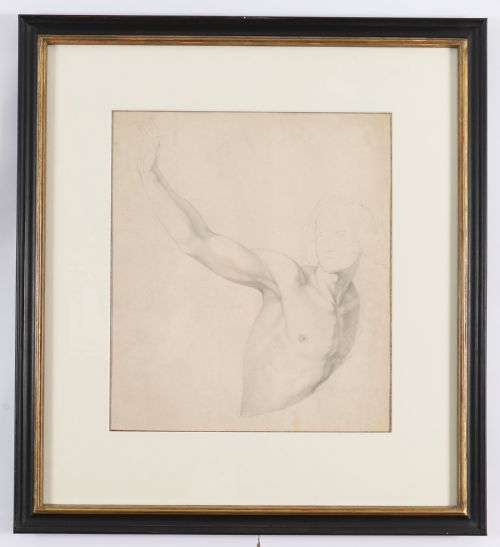
Painters utilised oil on canvas and wood panels, often building up glazes to mimic the luminosity of old master compositions. Paper and porcelain also served as grounds for detailed draughtsmanship and hand-painted miniature studies.
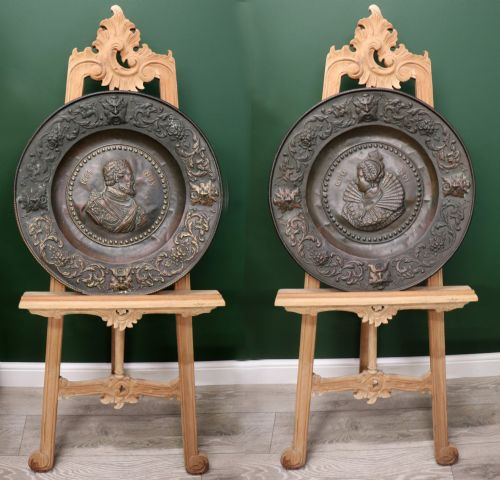
Framing and mounting played an equal role in presentation, employing carved giltwood, gilded bronze and copper chargers. Woven textiles like Flemish tapestries relied on complex warp and weft techniques with wool and silk threads to render monumental figurative scenes.
Several portraits here feature famously stubborn monarchs who clearly sat with a great deal of reluctance.
Factors determining quality
The standard of draughtsmanship and brush control dictates whether a painted copy captures the psychological depth of the original sitter or remains a stiff mechanical reproduction. Fine hand-painted details in textiles and porcelain plaques separate master artisan output from routine commercial work.
The integrity and age of the supporting frame contribute significantly to the piece, particularly where original carved giltwood complements the canvas. Material selection, such as heavy copper relief or genuine woven wool against synthetic blends, marks the division at the upper end of the market.
Icilio Federico Joni·Alfred Holst Tourrier
The Renaissance Style Wall Art Glossary
- Giltwood
- Wood that has been treated with a thin layer of gold leaf or gilt gesso. This finish provides a luminous border common in Renaissance revival frames.
- Tapestry
- A heavy hand-woven textile designed for wall hanging, depicting narrative scenes with dyed wool and silk threads. These pieces served both decorative and insulating purposes in historic interiors.
- Tempera
- A permanent fast-drying painting medium consisting of coloured pigment mixed with a water-binder agent, frequently egg yolk. It appears on early panel paintings and wood book covers.
- Enamel
- A durable glassy substance fused to a metal backing through high-temperature firing. Limoges plaques demonstrate this technique in miniature devotional art.
- Sanguine
- A chalk of a reddish-brown colour used for drawing and sketching studies. Renaissance artists and later copyists utilised it for rapid figurative work on paper.
Renaissance Style Wall Art: Frequently Asked Questions
Are these pieces original Renaissance works?
Most items found here are later interpretations, revival pieces or nineteenth-century copies after canonical masters rather than direct works from the fifteenth or sixteenth centuries.
Craftsmen across the Victorian era and later periods frequently recreated iconic compositions by Raphael and Titian for domestic display.
How do I hang a heavy tapestry?
Large woven wall hangings require even weight distribution using a hidden wooden batten or a robust metal rod secured directly into wall studs.
Avoid hanging textiles in direct sunlight to prevent the natural dyes in the wool and silk threads from fading over time.
What is a wall charger?
A wall charger is a large decorative dish or plaque, often fashioned from metal such as copper or brass, designed specifically for display on vertical surfaces.
They frequently feature embossed or engraved portrait profiles inspired by classical rulers and nobility.
How do I date a revival painting?
Dating relies on examining the stretcher frames, canvas preparation, pigments and the specific ageing of the wood panel or paper substrate.
Revival pieces from the nineteenth century often exhibit distinct secondary framing styles and nineteenth-century canvas stamps behind the primary work.