








Classical Figure Canvas Painting
A classical figure canvas painting brings mythological narratives and historic portraiture into an interior through traditional brushwork.
Classical Figure Canvas Painting
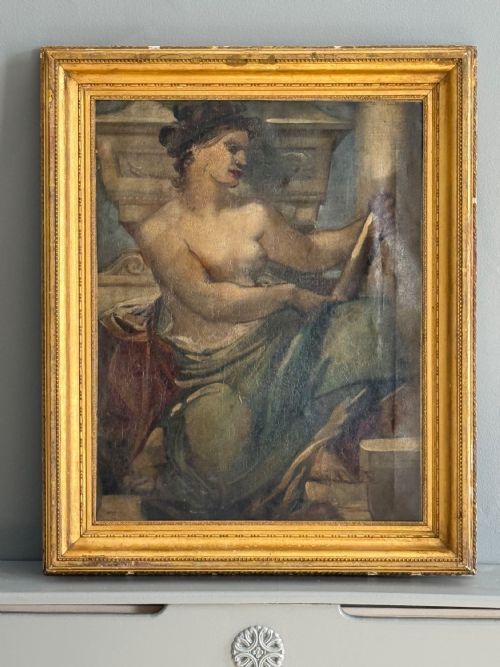
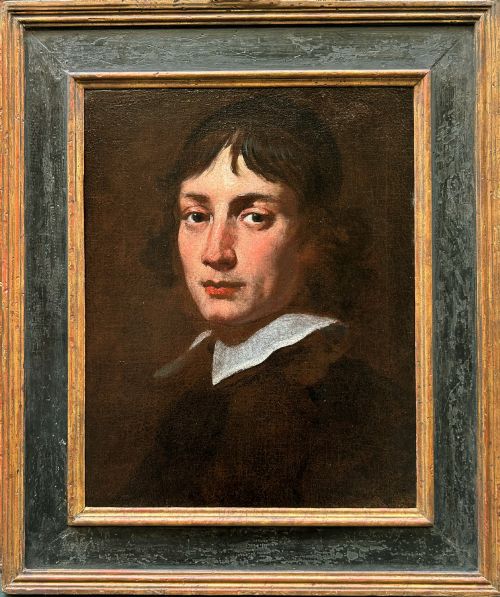
A classical figure canvas painting focuses on mythological narratives, historical subjects, and traditional portraiture rendered in oil medium. Buyers seek these works for their deep narrative quality and the rich historical atmosphere they project into a room.
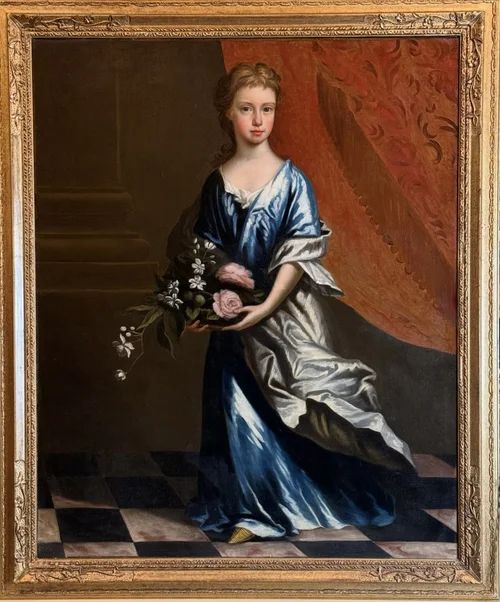
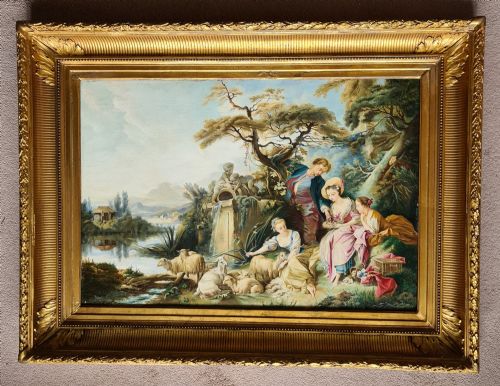
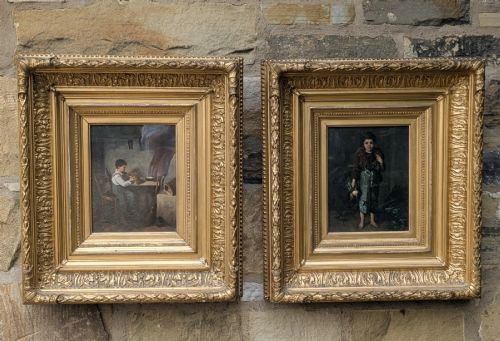
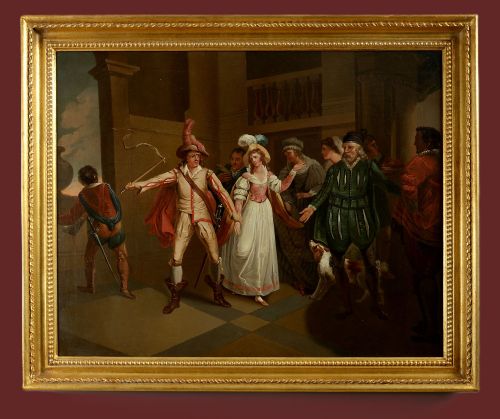
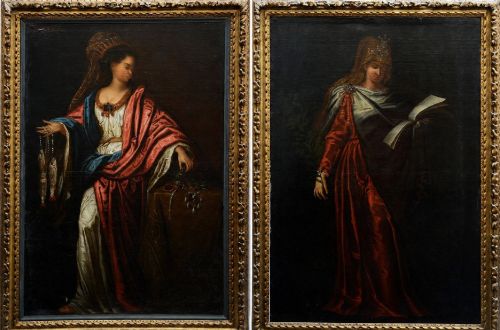
The selections span from the seventeenth century through to the mid-twentieth century, encompassing Italian Baroque, French Rococo, and nineteenth-century Realism. Works depicting sibyls, deities, and classical figures dominate the groupings encountered on this page.
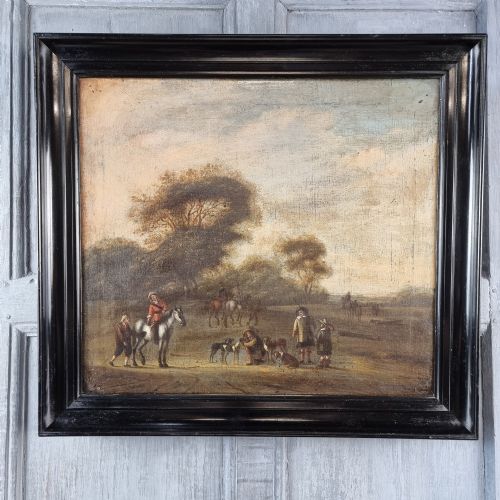
Originating from various European traditions including Dutch, French, Italian, and British schools, these pieces frequently exist as studio copies, follower works, or original compositions. Each canvas records the enduring fascination with classical antiquity across different historical eras.
Materials and construction
These works are executed in oil paint upon woven canvas supports, utilising traditional ground layers and pigments built up in translucent glazes and opaque applications. The handling of the medium allows for subtle tonal gradations in flesh tones and deep contrasts in drapery.
Many of these canvases remain housed within their original or period-appropriate frames constructed from carved wood, gesso, and giltwood. The ornamentation of these surrounds typically matches the stylistic period of the painting contained within.
Materials recorded across the selection include oil paint, canvas, carved wood, gesso, and giltwood frames.
Factors of quality
The sophistication of the secondary elements, such as landscape backgrounds, drapery folds, and architectural details, distinguishes finer studio productions from more rigid copies. A well-executed composition maintains energetic brushwork and harmonious tonal balance throughout the entire canvas surface.
Francois Boucher·Joshua Reynolds·Guillaume Courtois·Peter Paul Rubens·Theodore Jensen
The Classical Figure Canvas Painting Glossary
- Oil on Canvas
- Pigments mixed with a drying oil, typically linseed, applied to a stretched woven fabric support. This medium allows for prolonged working times and rich colour blending.
- Giltwood
- Timber that has been carved and coated with a thin layer of gold leaf or gold powder over a prepared gesso base. This finish provides a luminous border for historic artworks.
- Sibyl
- A prophetess in ancient Greek mythology who uttered divine revelations, frequently depicted in European art holding scrolls or books. These figures appeared widely in seventeenth and eighteenth-century compositions.
- Baroque
- A European artistic style originating around the seventeenth century characterised by dramatic movement, deep shadow, and grand scale. Paintings from this movement emphasise emotional intensity and theatrical lighting.
Classical Figure Canvas Painting: Frequently Asked Questions
What is a follower work?
A follower work refers to a painting produced by an artist closely associated with a master's studio or working firmly within their distinct style. These painters adopted the compositional techniques and subject matter of established masters.
Such pieces date from the same era or slightly later and demonstrate the profound influence of primary masters on subsequent generations of artists.
Where should I hang a large canvas?
Large historical canvases require a wall with stable environmental conditions away from direct sunlight and excessive heat sources. Placing them at eye level in principal rooms allows the fine details of the brushwork and gilding to be appreciated.
Consider the weight of the carved timber and gesso frames when selecting wall anchors to ensure secure installation.
How do I identify the period of a frame?
Period frames display specific carving techniques, gesso applications, and joinery methods characteristic of their manufacturing era. Hand-carved wooden mouldings and layered gilding indicate traditional craftsmanship.
Comparing the decorative motifs on the wood with established design styles helps confirm whether the surround is contemporary to the painting.