





Framed Allegorical Oil Painting
These framed allegorical oil painting works bring classical mythology and personified virtues into your rooms through centuries of European canvas.
Framed Allegorical Oil Painting
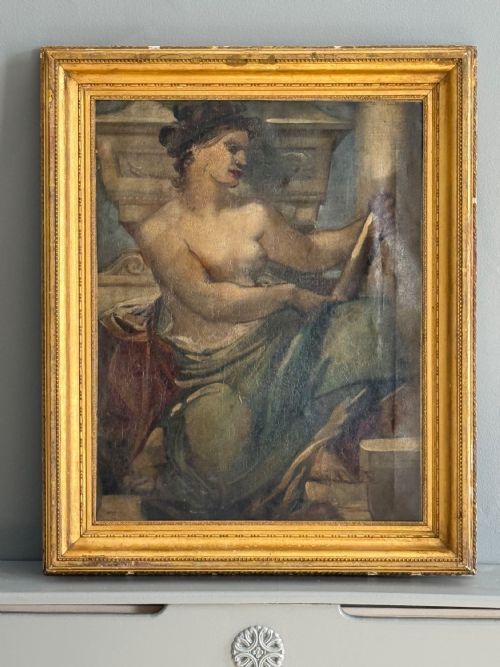
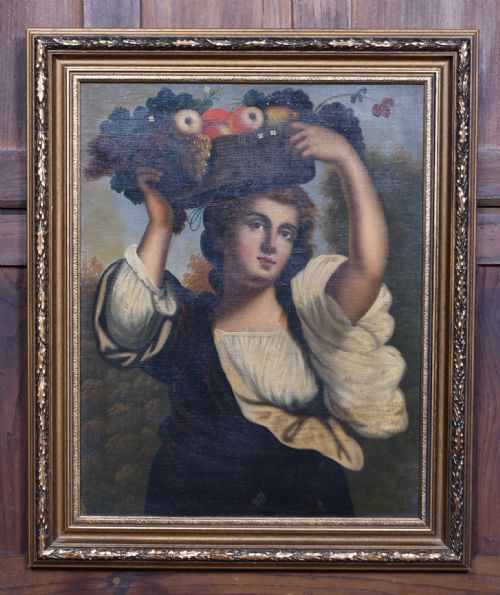
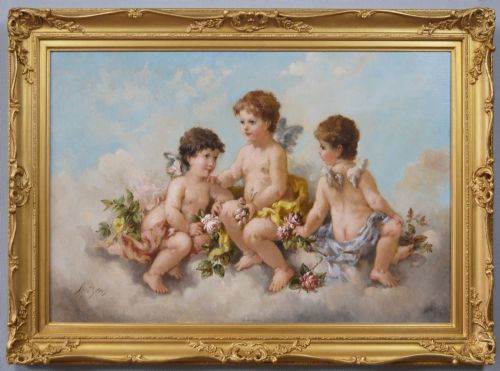
A framed allegorical oil painting presents symbolic figures, mythological subjects, and classical personifications rendered in oils upon canvas or board. These works draw heavily from traditional iconography, featuring subjects such as the Sibyls, the Four Seasons, and classical deities like Flora or Cupid.
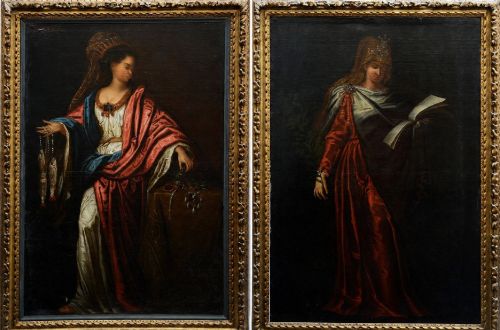
Buyers will encounter various formats on this page, ranging from grand paired canvases depicting ancient seers to intimate depictions of cherubs and goddesses. The pieces span several centuries, encompassing seventeenth, eighteenth, and nineteenth-century European schools with distinct regional characteristics.
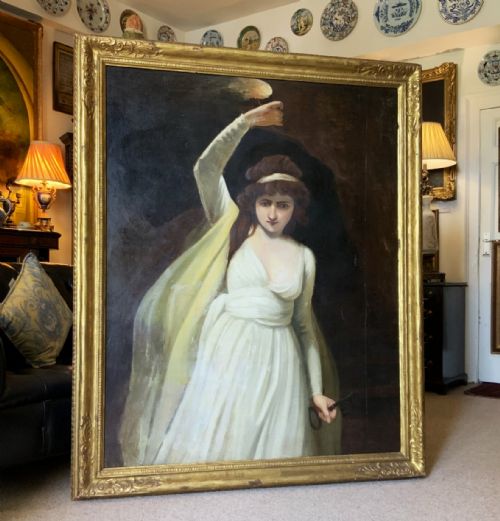
Many examples arrive housed within their original or period-appropriate giltwood frames, which complete the visual presentation of the artwork. The stylistic influences stretch from French Baroque and Renaissance Revival to Neoclassical and Georgian aesthetics.
Materials and construction
Artists painted these works using oil pigments applied to stretched canvas or wooden board substrates, building rich layers of colour and depth. The medium allowed for subtle gradations of tone, which painters utilised to render the complex narratives of classical allegory.
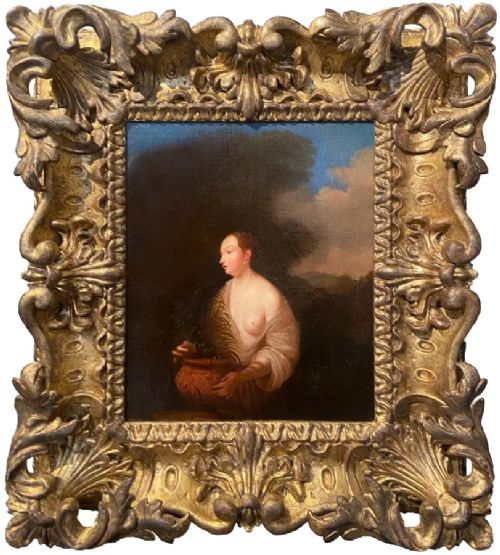
The surrounding frames consist of timber, frequently embellished with carved gesso and finished in gold leaf or gilt wood. These frames provide structural support and ornamental weight, often matching the specific artistic period of the canvas within.
Frame materials recorded include gilt wood, gilded timber, and traditional giltwood frames across various European schools.
Distinctions in quality
Quality in a framed allegorical oil painting rests upon the dexterity of the brushwork, the anatomical conviction of the figures, and the sophistication of the composition. Masterful handling of light and shadow distinguishes accomplished academic or studio hands from more pedestrian decorative productions.
The integrity of the physical materials also dictates the standing of a piece, particularly the preservation of the original canvas surface and the craftsmanship of the carved giltwood frame. Finely preserved ornamentation on the timber mouldings and minimal intervention on the painted surface elevate the overall merit of the work.
John Opie RA·Toussaint Gelton·Nicolas Fouché·Jean Baptiste Isabey·Del Buono·Guiseppe Mazzolini·Peter Paul Rubens·Charles Augustus Henry Lutyens
The Framed Allegorical Oil Painting Glossary
- Allegory
- A symbolic representation where physical figures and objects convey hidden moral, spiritual, or historical meanings. In these works, characters such as Flora or Cupid embody abstract concepts like spring, innocence, or love.
- Sibyl
- An ancient prophetic priestess who uttered divine revelations, frequently depicted in pairs within classical art. They appear in grand eighteenth-century formats holding scrolls or symbolic attributes.
- Giltwood
- Timber that has been coated with a thin layer of gold leaf or gilt powder, creating a luminous metallic finish. This material dominates the frames housing these oil paintings.
- European School
- A broad designation for artworks originating from continental European artistic traditions outside of a specific named academy. It often denotes works rooted in established academic training grounds.
Framed Allegorical Oil Painting: Frequently Asked Questions
What is an allegorical oil painting?
An allegorical oil painting uses visual symbols, mythological figures, and personifications to communicate abstract ideas, moral lessons, or classical narratives.
These works often depict deities, seasons, or ancient prophets to tell a deeper story beyond the immediate visual scene.
How were these paintings framed?
Most period works utilise carved wooden frames finished with gold leaf, gesso, or giltwood to accentuate the imagery.
These surrounds were often designed to complement the specific artistic style of the canvas, ranging from ornate baroque moulding to neoclassical simplicity.
Where did these artworks originate?
The pieces originate from various European schools, including French, Italian, and general continental traditions spanning multiple centuries.
Artists trained within these regional academies produced works influenced by classical antiquity, the Renaissance, and subsequent revival movements.
How do I care for an oil painting?
Keep the canvas away from direct sunlight, excessive moisture, and rapid temperature fluctuations to protect the oil pigments and wooden stretcher.
Dust the giltwood frame gently with a dry, soft brush and avoid applying moisture or cleaning solutions directly to the painted surface.