





Renaissance Religious Art
Renaissance religious art encompasses centuries of devotional painting, carving, and sculpture created to inspire contemplation and honour sacred subjects.
Renaissance Religious Art
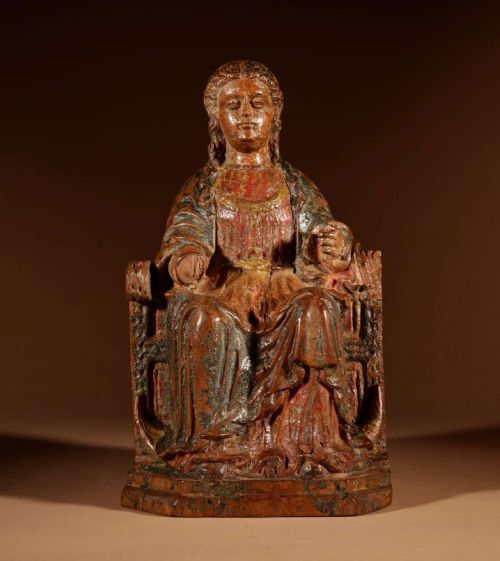
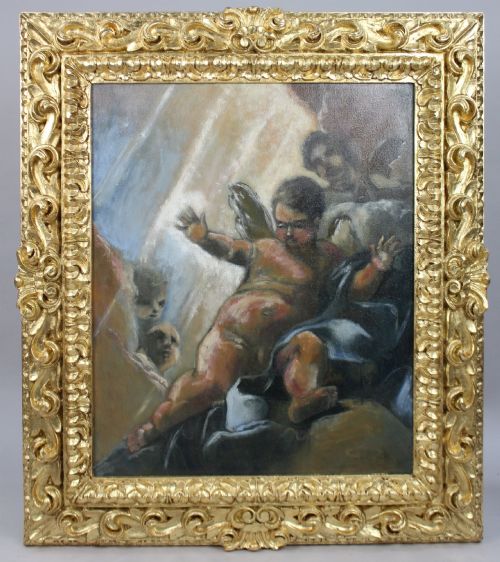
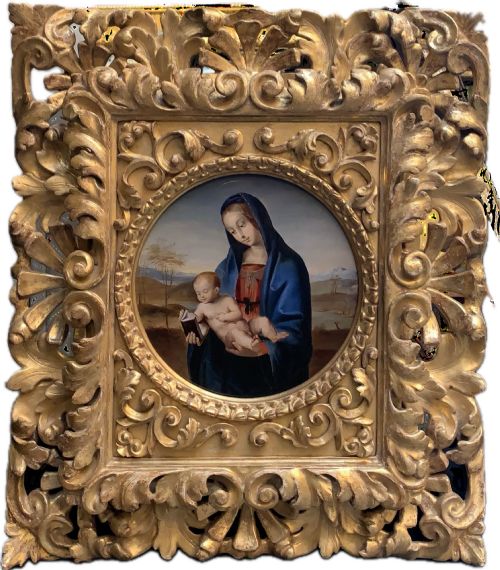
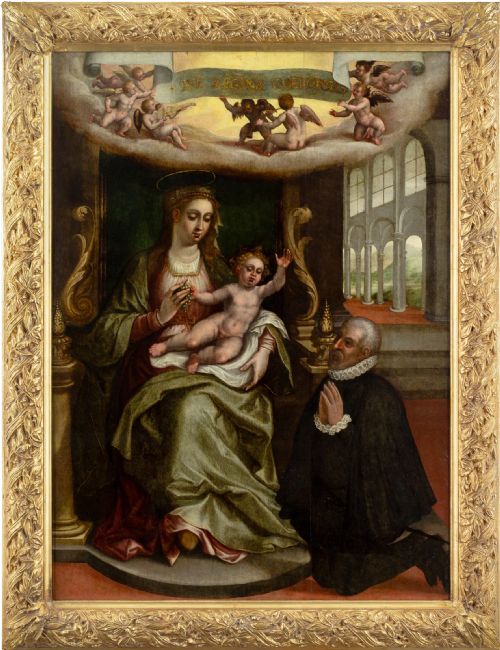
Renaissance religious art spans devotional oil paintings, carved wooden saints, and classical prints centred on sacred subjects like the Madonna and Child. When exploring renaissance religious art, buyers encounter both authentic sixteenth-century works and later nineteenth-century revival interpretations.
The objects take the form of canvas paintings, limewood sculptures, giltwood framed panels, and bronze plaques. Many pieces reflect Italian workshops, depicting biblical narratives or replicating compositions by master painters such as Raphael and Correggio.
Materials and technique
Painters utilised oil on canvas or wooden panels, frequently building up rich pigments to create depth in devotional scenes. Artisans applied gold leaf and gesso to elaborate frames and sculptural reliefs, catching ambient light in chapels and domestic interiors.
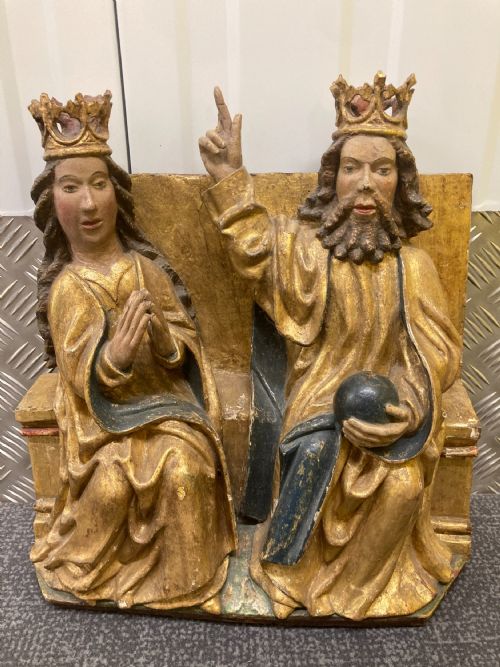
Sculptors carved figures from limewood, walnut, and marble, applying polychrome paint directly to the timber to render lifelike flesh tones and vestments. Bronze plaques were cast using detailed moulds to capture intricate narrative reliefs of sacred histories.
Listings feature sixteenth-century limewood carvings alongside nineteenth-century oil paintings and bronze plaques.
Quality and execution
The distinction between ordinary workshop pieces and exceptional works lies in the subtlety of brushwork, anatomical proportion, and facial expression. Masterful hand-painted oils and period-carved limewood figures display a fluidity and emotional depth that mechanical prints or hurried copies lack.
The integrity of original materials, such as undisturbed polychrome surfaces and authentic period giltwood frames, elevates the standing of a piece. Finer examples maintain crisp sculptural details and harmonious pigment preservation despite centuries of handling.
Raphael·Bernardino Luini·Correggio·Michelangelo·Scipione Pulzone
The Renaissance Religious Art Glossary
- Giltwood
- Wood covered with a thin layer of gold leaf or gold powder. This finish was commonly applied to ornate frames and religious furnishings.
- Polychrome
- Decorated in a variety of colours. This technique brought carved wooden sculptures of saints and angels to vivid life.
- Gesso
- A plaster mixture used as a smooth base for painting or gilding on wood panels. It prepared the surface to receive fine oil pigments and gold leaf.
- Corpus Christi
- The body of Jesus depicted on the cross. These carved limewood figures formed the central focus of religious crucifixes.
Renaissance Religious Art: Frequently Asked Questions
How do I identify a sixteenth-century piece?
Examine the preparation of the wood panel or canvas along with the wear patterns on the pigments and carved timber. Sixteenth-century works typically display hand-prepared grounds and traditional binding mediums characteristic of early European workshops.
Compare the stylistic conventions and subject treatment with documented examples from Italian or continental schools of that era. Close inspection under magnification often reveals the distinct craquelure and ageing expected in genuine early works.
How should I care for antique wood sculptures?
Keep carved wooden figures away from direct sunlight and sudden fluctuations in room temperature or humidity to prevent timber splitting. Maintain a stable indoor environment and gently dust the surfaces with a soft, dry brush without applying moisture or chemical cleaners.
Avoid placing polychrome or gilt carvings near heat sources that might dry out the underlying gesso and cause flaking. Professional conservation assessment is recommended if the paint layer shows signs of lifting.
Where were these devotional objects originally displayed?
Many painted panels and carved figures served as altarpieces or focal points within private chapels and domestic shrines. Smaller plaques and framed prints were utilised for personal contemplation and prayer in domestic chambers.
Institutional settings such as churches and monasteries also commissioned large-scale paintings and sculptural groups to instruct the faithful. Their design was intended to foster spiritual reflection within contemplative architectural spaces.