





Renaissance Carved Figure
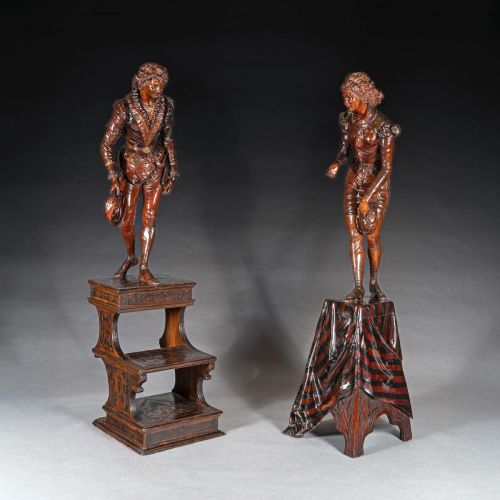
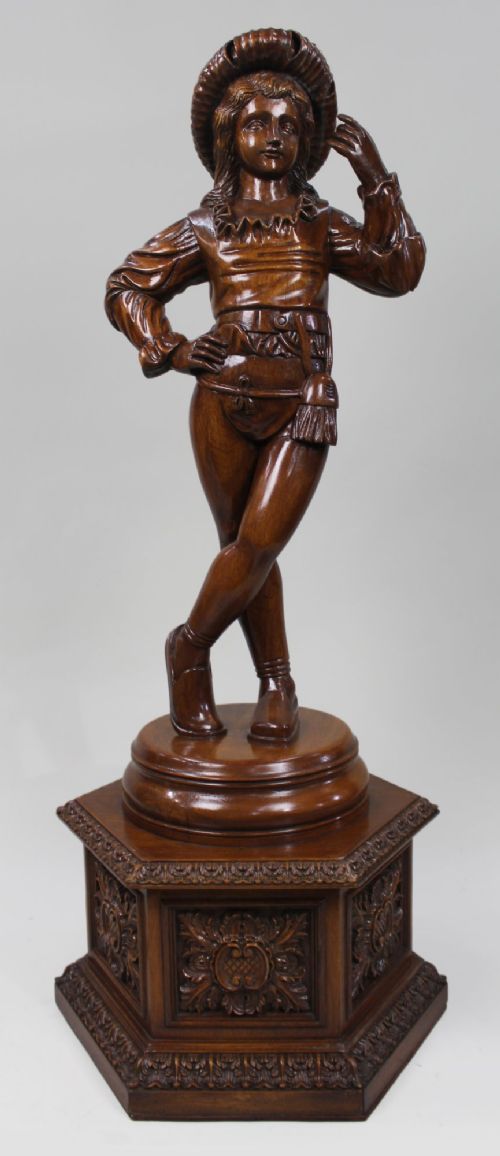
A renaissance carved figure brings tangible historical weight to a room, presenting centuries-old craftsmanship in solid oak, walnut, or limewood.
Renaissance Carved Figure
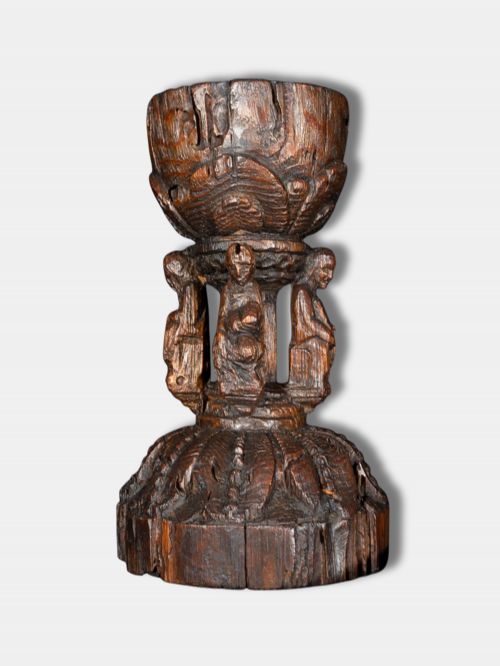
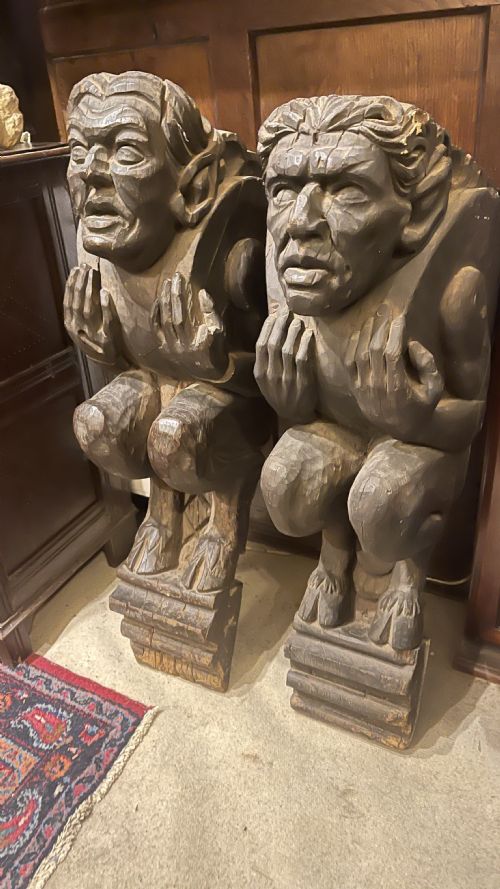
A renaissance carved figure represents religious and secular subjects, predominantly saints, angels, and noble figures, originating from continental workshops during the sixteenth and seventeenth centuries. These pieces encompass free-standing sculptures, architectural fragments, caryatids, and relief carvings that once formed part of larger devotional or domestic interiors.
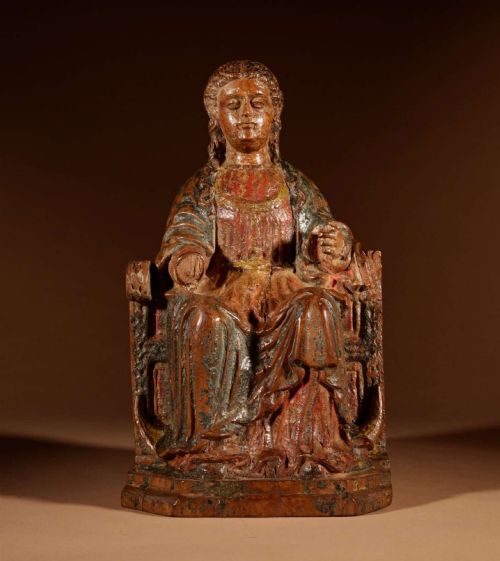
Buyers frequently encounter later nineteenth-century revivals alongside authentic sixteenth-century works, reflecting enduring collector demand for Italian, Flemish, and German craftsmanship. Forms range from intimate devotional busts and seated Madonnas to large architectural brackets and furniture terminals.
Materials and construction methods
Sculptors utilised dense native timbers, chiefly oak, walnut, and limewood, which allowed for crisp detailing under chisel and gouge. These woods were often finished with gesso, gold leaf, or polychrome paint to enhance the visual impact of religious figures and decorative elements.
Many surviving pieces exist as fragments from altarpieces, furniture, or architectural woodwork, showing tool marks and joinery typical of historic bench work. Surface treatments range from bare timber patinated through handling to remnants of original pigment and gilding.
Renaissance Carved Figure Retail Price Guide 2026
Typical asking prices for renaissance carved figure among the pieces listed under this phrase on Sellingantiques today, from the lower quarter to the upper quarter. They describe what is for sale here now, not the wider market.
Several figures retain remnants of historic polychrome paint, quietly reminding viewers that these contemplative saints once lived in vibrant, glittering colour.
Distinctions in craftsmanship
The preservation of original surface finishes, such as polychrome paint or parcel gilding, elevates a piece significantly compared to surfaces stripped to bare wood in later centuries. Structural integrity and the degree of original material remaining against later restorations also dictate the standing of a piece.
Valentino Besarel·Luigi Frullini
The Renaissance Carved Figure Glossary
- Caryatid
- A sculpted female figure serving as an architectural support in place of a column or pier. They frequently appear on architectural salvage and furniture terminals.
- Polychrome
- Painted in several colours, commonly applied to historic wood sculptures over a gesso ground to depict lifelike figures of saints and angels.
- Gesso
- A plaster mixture applied to wood surfaces as a smooth base for gilding or painting. It helps secure gold leaf and pigments to the carved timber.
- Term
- A pillar or pedestal tapering towards the base, surmounted by a carved human bust or upper torso. These served as decorative architectural elements in furniture and interiors.
- Relief
- A sculptural technique where the figures project from a flat background. These carvings were often integrated into panelling or furniture assemblies.
Renaissance Carved Figure: Frequently Asked Questions
How do I identify a sixteenth-century piece?
Authentic sixteenth-century pieces display deep tool marks, heavy timber shrinkage, and historic patination consistent with centuries of handling and age. Examining the wood species, such as oak or limewood, alongside the style of drapery helps confirm the period.
Revival pieces from the nineteenth century often mimic these historic traits but typically show different surface wear, machine-cut elements, or modern adhesives in hidden joints.
Were these figures always painted?
Many medieval and renaissance wood sculptures received a coat of gesso followed by polychrome paint and gold leaf to heighten realism and devotional value. Over the centuries, much of this pigment was lost, worn away, or stripped during later aesthetic revivals.
Pieces retaining original traces of polychrome or gilding are valued for their untouched historical surfaces, while others present a warm, patinated bare wood appearance.
How should I display a wooden sculpture?
Wooden figures require stable indoor environments away from direct sunlight, strong heat sources, and damp conditions to prevent timber splitting. Placing them on dedicated pedestals, sturdy consoles, or secure mounting brackets ensures proper weight distribution.
Avoid hanging heavy wooden reliefs directly onto modern drywall without verifying adequate wall anchors and structural support.
What is the difference between a sculpture and an architectural fragment?
Free-standing sculptures and devotional groups were created as complete devotional or decorative works intended for altars or domestic shrines. Architectural fragments, such as caryatids, building brackets, and term figures, originally functioned as structural or decorative supports within larger buildings or furniture.
Both categories share similar carving techniques and materials, but their original placements dictate their form and mounting requirements.