

Religious Wood Sculpture
Religious wood sculpture brings devotional form into domestic spaces, ranging from medieval altarpiece panels to continental Baroque saints carved in oak or lime.
Religious Wood Sculpture
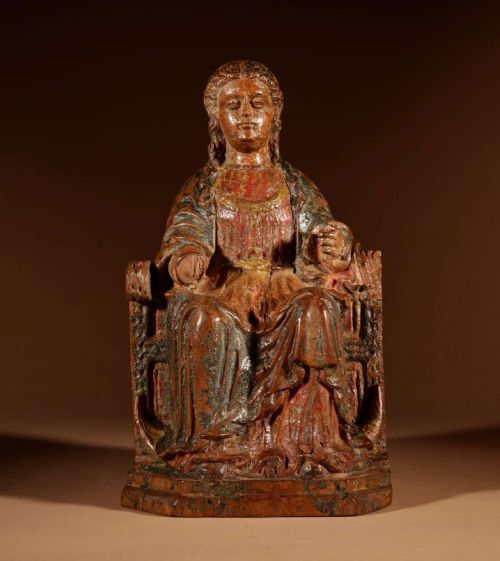
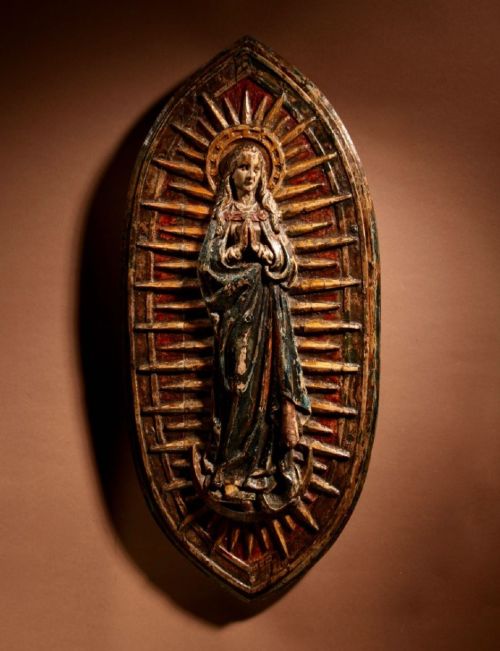
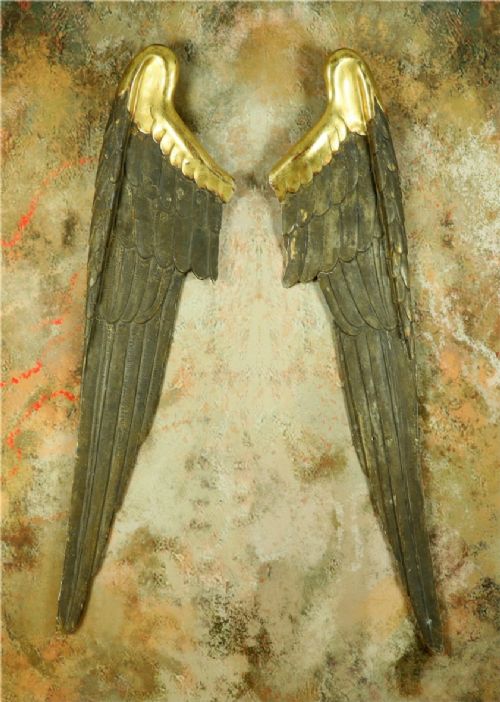
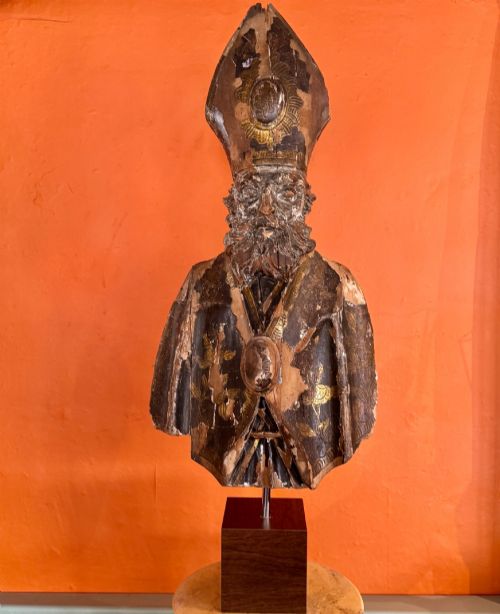
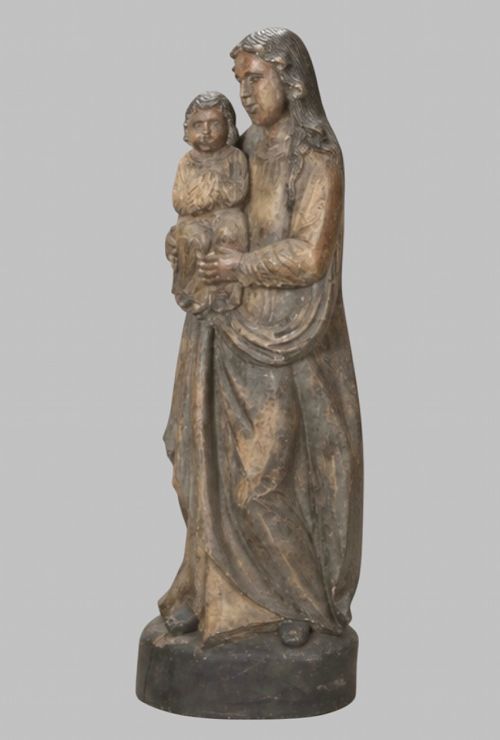
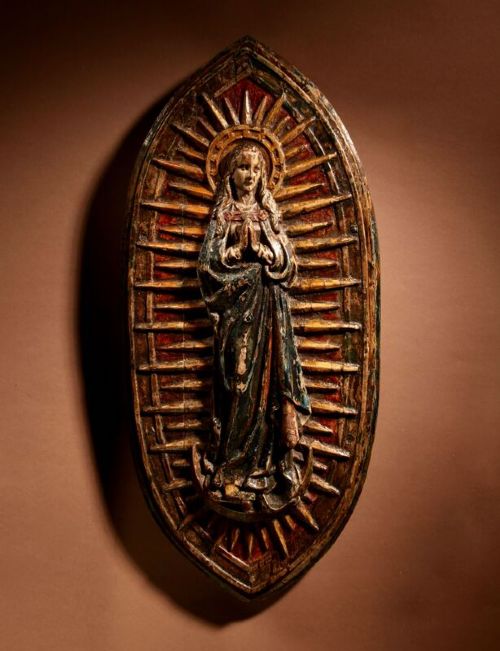
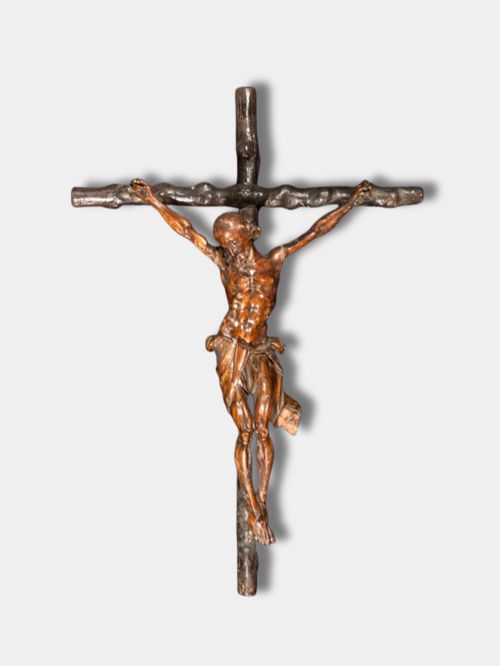
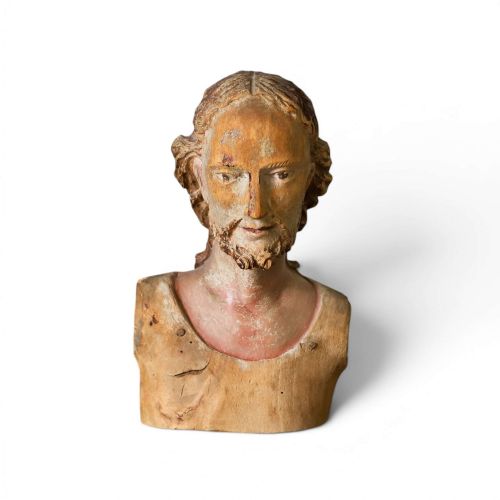
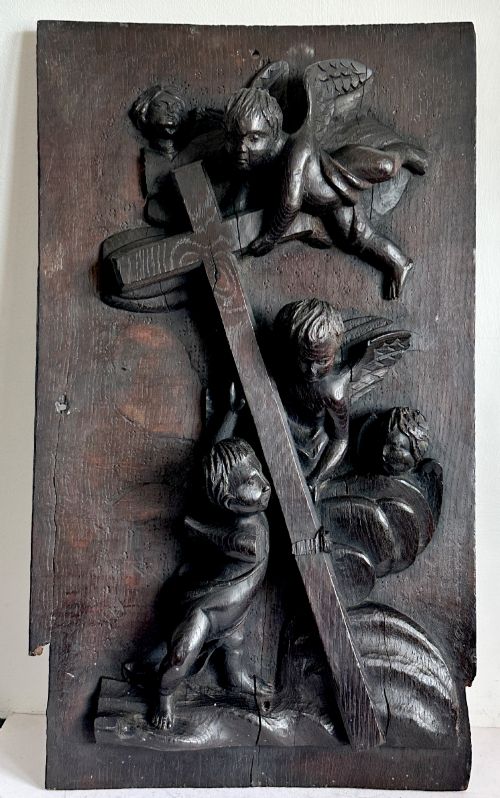
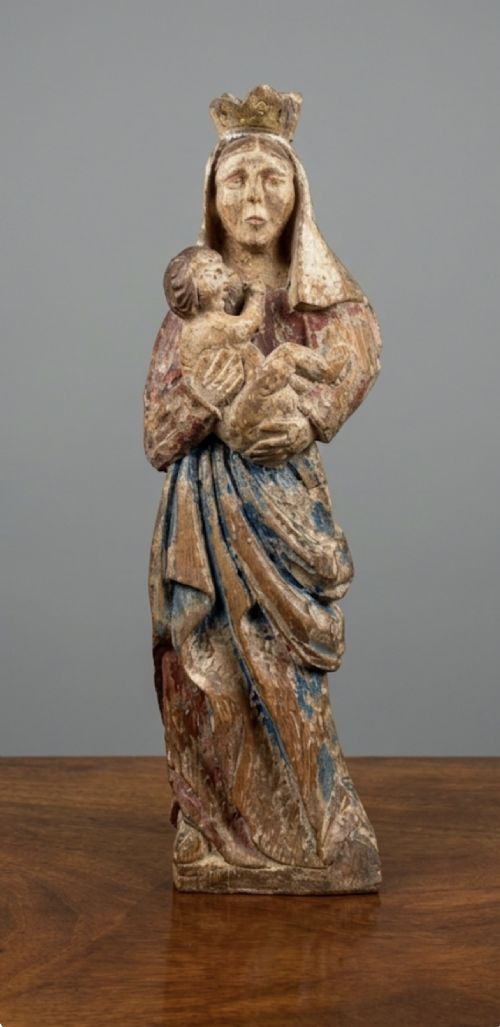
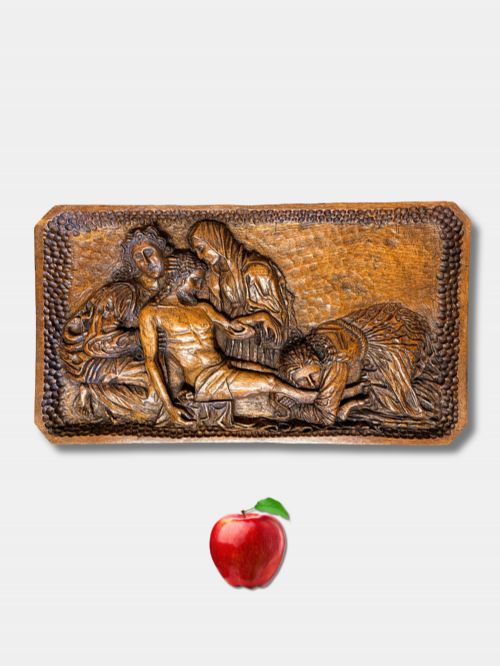
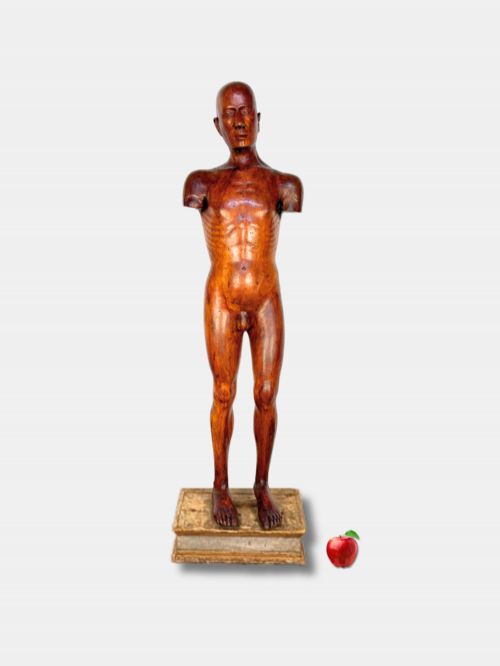
Religious wood sculpture comprises devotional figures, altarpiece panels, and ecclesiastical busts produced across European and Asian traditions from the sixteenth century onwards. These works manifest as freestanding figures of saints and madonnas, architectural wall reliefs, and corpus Christi figures designed for private contemplation or church settings.
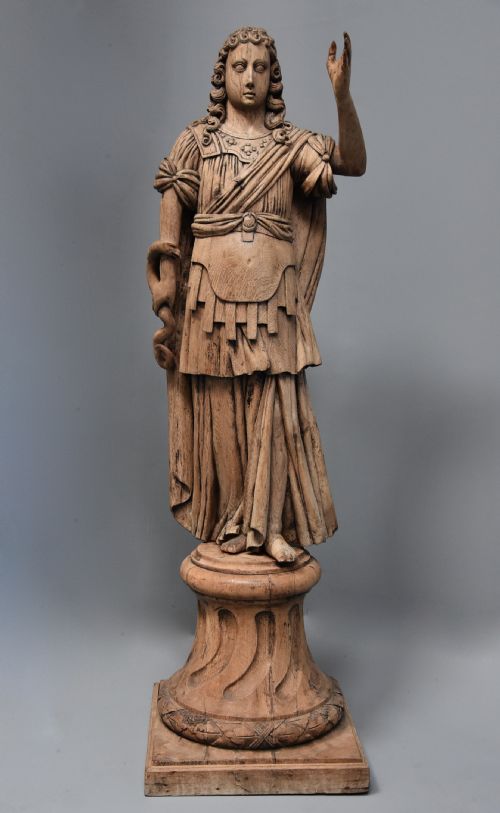
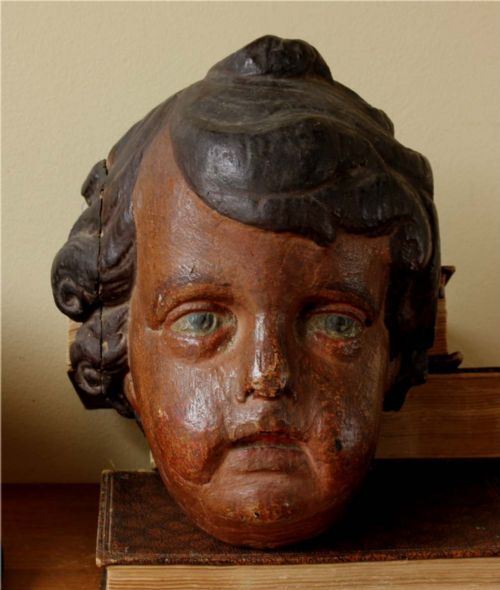
The version most commonly encountered on this page is the eighteenth-century Continental carved oak or polychromed figure, alongside nineteenth-century devotional statues. These pieces frequently depict biblical figures, angels, and monastic saints carved in regional hardwoods and finished with historic paint or gilding.
How they were made
Carvers shaped these figures from regional timbers including oak, walnut, chestnut, lime, and fruitwood, often selecting straight-grained wood to accommodate deep undercutting. The timber was frequently seasoned before carving to prevent splitting as the organic material aged.
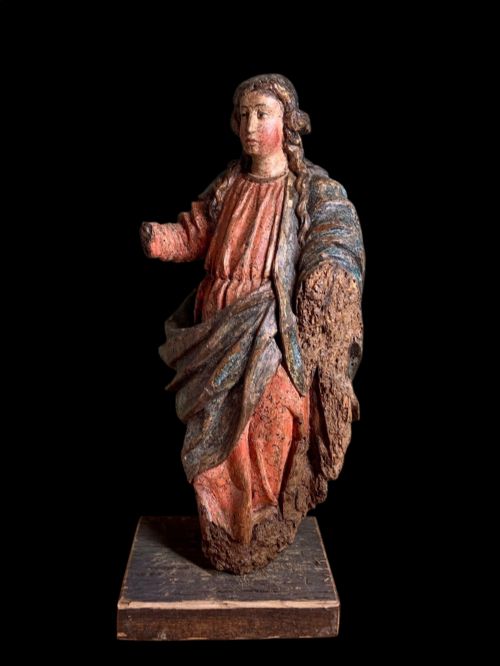
Surfaces were often finished with gesso as a ground for polychrome paint or applied gold leaf, building layers of colour and metallic lustre. Pigments mixed with binding media brought lifelike detail to drapery, flesh tones, and ecclesiastical vestments.
Listings feature sixteenth-century panels alongside eighteenth-century Continental figures carved in oak, walnut, and lime wood.
What varies in quality
The distinction between standard workshop production and master carving lies in the articulation of anatomy, the fluidity of drapery folds, and the expressive depth given to the face. Superior pieces reveal a confident hand in the management of grain and volume, whereas lesser examples rely on rigid symmetry and shallow relief.
Preservation of original surface treatments, such as historic polychromy and gesso, significantly influences the integrity of a piece. Retained tool marks and natural weathering demonstrate the authenticity of the hand-carved process over later mechanical replication.
The Religious Wood Sculpture Glossary
- Polychrome
- Painted in several colours. This term describes sculpture decorated with applied pigments over wood or gesso.
- Gesso
- A plaster mixture used as a smooth base for paint or gold leaf. It is applied to wood surfaces to prepare them for fine decoration.
- Corpus Christi
- An image of the body of Jesus Christ on the cross. These figures focus anatomical detail on the torso and limbs.
- Altarpiece
- A piece of art painted or sculpted to sit above and behind an altar. Central panels often feature high-relief carved figures of saints or biblical scenes.
- Relief
- Sculpture carved from a flat background panel rather than rendered fully in the round. High relief projects boldly from the surface.
Religious Wood Sculpture: Frequently Asked Questions
How do I care for antique wood carvings?
Keep wooden sculptures away from direct heat sources and dramatic humidity fluctuations to prevent the timber from splitting or warping over time. Dust the surface gently with a dry, soft brush rather than using liquid polishes or chemical cleaners that might damage historic finishes.
Allow the piece to acclimate naturally to its environment without applying modern waxes unless advised by a specialist conservator. Handling should be kept to a minimum to preserve fragile gesso and polychrome layers.
Were these pieces originally displayed in homes?
Many smaller devotional sculptures and panels were created for private domestic shrines, oratories, or personal contemplation by wealthy patrons. Larger life-size figures and altarpiece components typically originated in churches, chapels, or monastic foundations before entering collections.
Over centuries, devotional items migrated from ecclesiastical architecture into private interiors as tastes changed and buildings were secularised. Today, collectors house them in studies, living rooms, and hallways as works of historic art.
How can I tell the period of a carved figure?
Dating relies on stylistic clues such as the cut of the drapery, facial expressions, and the tool marks left behind by the carver's chisels. Sixteenth-century pieces often display Gothic or Renaissance rigidity, while eighteenth-century Baroque figures show dynamic movement and theatrical emotion.
Examining the underside and reverse reveals the ageing of the timber and the nature of the joinery used in construction. Comparing the wear patterns with known historical examples helps establish the likely era of production.
What is the difference between lime wood and oak in these sculptures?
Oak offers a dense, coarse-grained texture favoured by Northern European carvers for robust figures and structural panels that needed durability. Its prominent grain pattern remains visible beneath historic finishes and lends a rustic gravity to early devotional works.
Lime wood provides a finer, more uniform grain that allowed sculptors to achieve intricate undercut details and delicate facial expressions. Central European and German workshops frequently utilised lime for expressive figures requiring precise carving.