




Religious Oak Panel
A religious oak panel carries centuries of devotion in its grain, bringing deep historic character and carved sacred narrative straight to a wall.
Religious Oak Panel
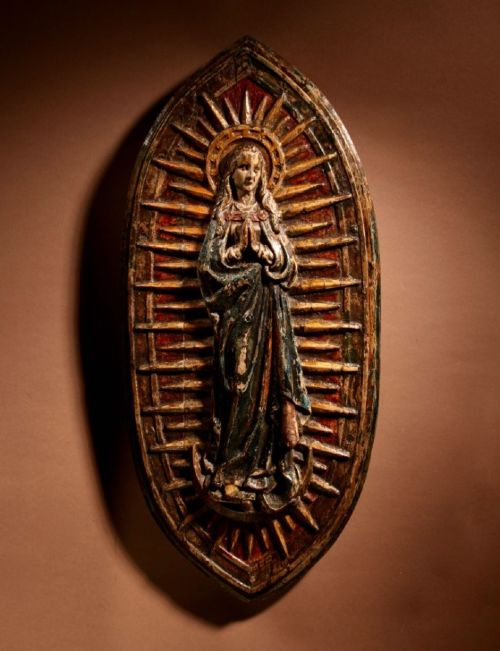
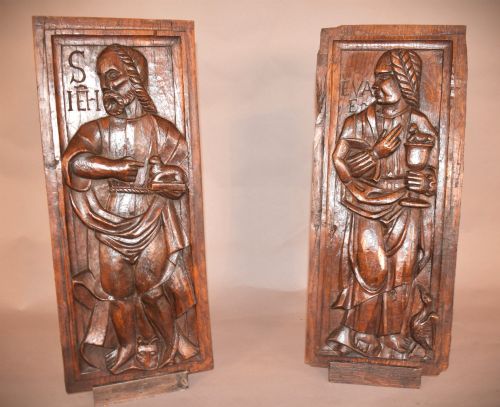
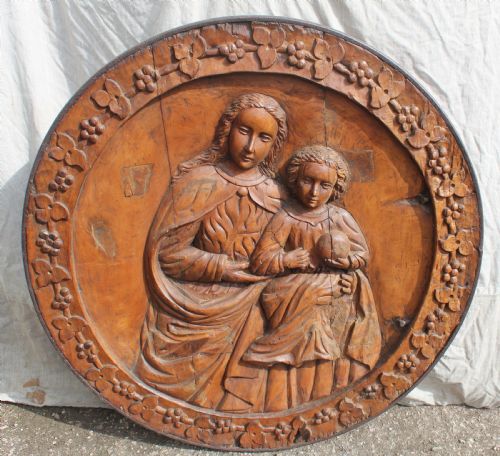
A religious oak panel encompasses carved wall reliefs, plaques, and sculptures depicting saints, biblical scenes, and sacred allegories. These pieces originate from altarpieces, church furnishings, and ecclesiastical interiors spanning several centuries.
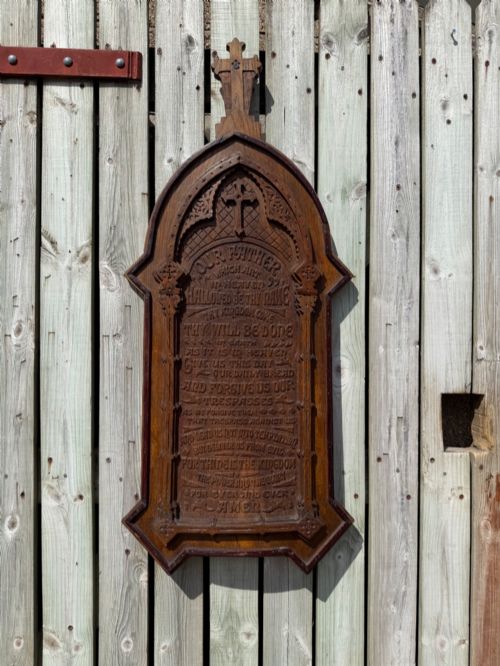
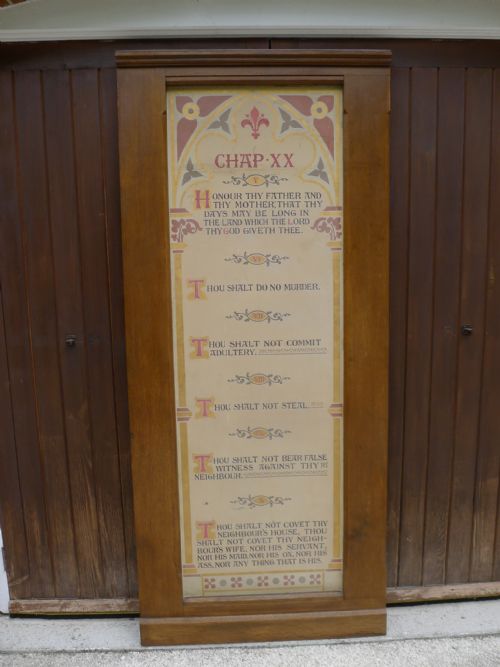
The versions most frequently met on this page date from the sixteenth and seventeenth centuries, often showing deep regional carving traditions from Flanders and Germany. Later nineteenth-century Gothic Revival pieces also appear, reflecting a strong historical interest in medieval sacred art.
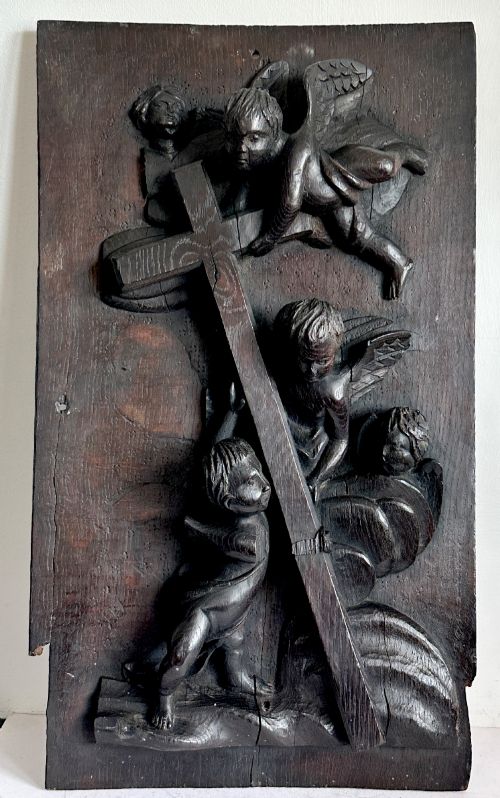
Forms vary from small framed saints and single figures to large figurative wall panels depicting narrative subjects like the Passion or the Allegory of Faith. Each object serves primarily as wall art, retaining traces of its original architectural or devotional context.
Assessing quality and depth
Quality rests upon the crispness of the chisel work and the expressive power of the figures, distinguishing master carvers from simpler folk artisans. Deep relief carving that creates strong shadow and dynamic movement elevates a panel above flat, stiffly rendered work.
The preservation of original surface finishes, such as early polychromy or untouched historic patina, determines the integrity of a piece. Well-balanced composition and anatomical proportion across complex narrative scenes mark out the finer examples in the range.
Religious Oak Panel Retail Price Guide 2026
Typical asking prices for religious oak panel among the pieces listed under this phrase on Sellingantiques today, from the lower quarter to the upper quarter. They describe what is for sale here now, not the wider market.
Several panels feature biblical serpents and half moons underfoot, keeping a watchful eye on any room they inhabit.
The Religious Oak Panel Glossary
- Polychrome paint
- Decoration applied in several colours to wood or gesso surfaces. This finish brought saints and biblical scenes to life in medieval churches.
- Gesso
- A white paint mixture consisting of a binder mixed with chalk or plaster. It provided a smooth ground for gilding and painting on wood panels.
- Relief sculpture
- Carving where the figures project from a background plane. High relief projects significantly, creating strong shadows and a three-dimensional effect.
- Gothic Revival
- An architectural and decorative style from the nineteenth century that imitated medieval forms. It produced many ecclesiastical carvings and pointed arches.
- Altarpiece
- A structure depicting religious subjects that stands behind an altar. Central panels often featured carved saints or scenes from the life of Christ.
Religious Oak Panel: Frequently Asked Questions
Where were these panels originally placed?
These panels typically formed part of larger church interiors, altarpieces, or monastic furnishings. They served to instruct and inspire the faithful through visual narrative.
Over time, many were removed from their sacred contexts and adapted for domestic wall display by collectors of historic woodwork.
How can I date a carved oak panel?
Dating relies on stylistic clues, tool marks, and the construction methods visible in the timber. Sixteenth- and seventeenth-century pieces display different relief depths and costume details compared to nineteenth-century Gothic Revival work.
Examining the back and edges reveals how the panel was originally framed or fixed into architectural joinery.
Did these panels always have colour?
Many early religious panels were originally painted or gilded to enhance their visual impact in dim church interiors. Traces of polychrome paint and gold leaf frequently survive in the recessed areas of the carving.
Other pieces were left as bare wood, relying entirely on the natural grain and deep shadow of the chisel marks.
How do I hang a heavy oak panel?
Due to the dense weight of aged oak, these panels require secure wall fixings suited to the specific wall type, such as masonry anchors or heavy-duty batten systems. Professional installation ensures the weight distributes evenly without straining the historic timber or original frame.